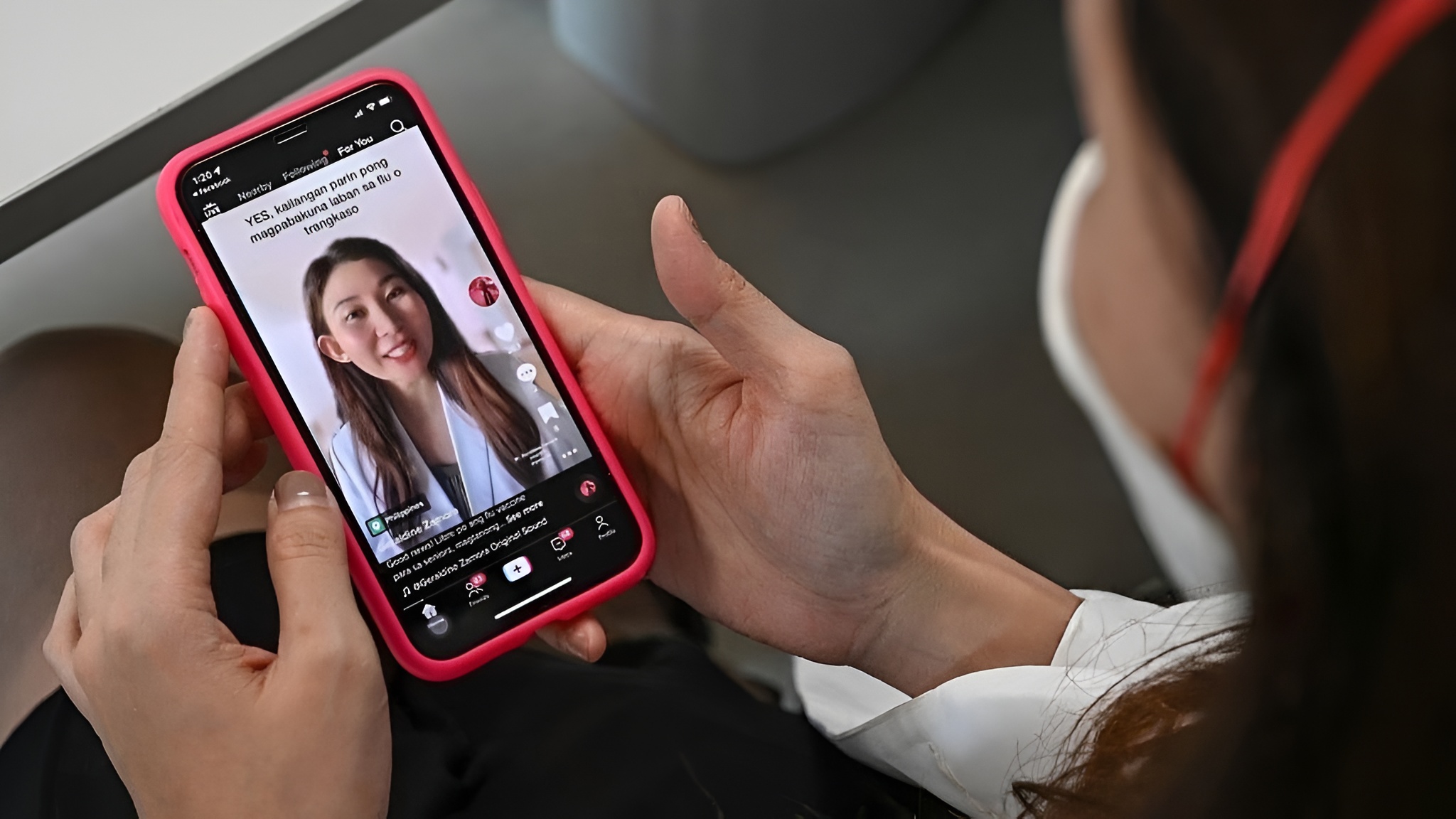
Your phone screen lights up in the middle of the night with a breaking news alert. A viral social media video claims a common, cheap kitchen spice completely curing a deadly chronic illness in less than three days. Not only this, as you open the comment section, you see thousands of people leaving emotional thank-you notes. It feels urgent, hopeful, and deeply confirming. Within just a few minutes, a quiet wave of doubt creeps into your mind. Is this a groundbreaking medical discovery, or is it just another dangerous internet trap?
Every single day, the digital landscape feeds billions of users a steady stream of health-related content. Some articles contain accurate information that empowers people to make smart lifestyle choices. Other viral posts spread toxic lies that result in serious physical and emotional harm. Unfortunately, the thin line between a legitimate breakthrough and medical fraud is much harder to see than ever before. That's why, if you do not know the hidden warning signs of bad science, you risk trusting a dangerous lie that can compromise your well-being or delay in providing critical care.
Is Your Internet Search Safe From Medical Scams?
Most internet users believe they possess the critical thinking skills needed to spot fake news instantly. Due to this, we assume that digital lies look intentionally messy, cheap, and obvious. We tell ourselves that if a health website looks clean, features sleep graphics, uses complex medical jargon, and displays a professional logo, the information must be accurate.
We also place an immense amount of unearned trust in our personal networks. When a close friend or a family member shares an exciting health tip or an alternative remedy on social media, our natural defenses instantly drop. We think that they have already done the research and would never post something dangerous or false. This deep human trust creates a major blind spot, allowing unverified claims to slip quietly past our judgement and enter our daily routines.
Also Read: Why Are Young Women Facing Hormonal Discomfort?
Why Is It Hard To Find Trustworthy Health Advice?
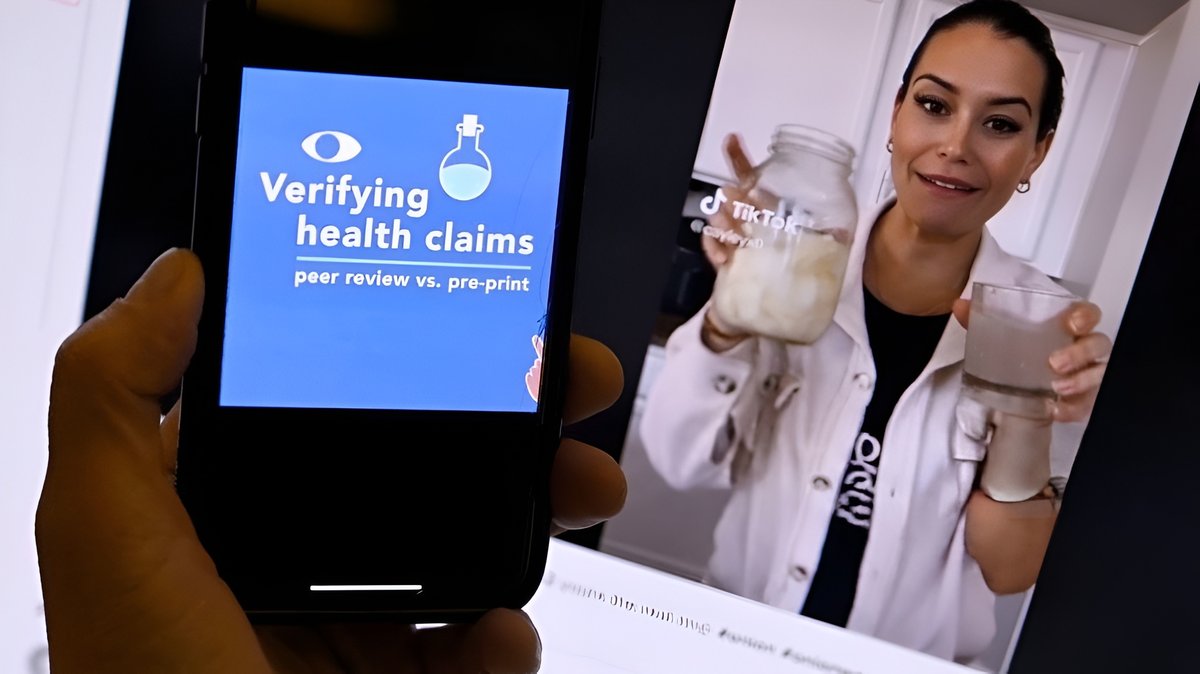
The modern internet has become a chaotic maze of highly sophisticated manipulation. Medical misinformation is no longer confined to poorly designed blogs or anonymous forums. Today, anyone can wear a professional laboratory coat and sit before the camera and start spreading wrong health information. These people deliberately use medical terminology, misquoting actual studies completely out of context to sound highly intelligent and authoritative.
When you search for direct answers to your personal health questions, the digital noise gets incredibly loud. One viral article insists a specific ingredient is a miracle cure, while another platform tells you that the exact same ingredient is a toxic poison. You are left feeling completely confused, overwhelmed, and exhausted. This mental fatigue is exactly where danger actually thrives. When ordinary people lose faith in their ability to find the truth, they stop trusting verified medical professionals and start listening to the loudest, most aggressive voices online. In the world of healthcare, falling for these digital traps can actually result in devastating real-world consequences.
7 Warning Signs Of Health Misinformation
To separate fact from fiction online, you do not need a medical degree or years of clinical training. You simply need to recognize the behavioural patterns and rhetorical tricks used by bad actors. Let's know those critical signs to instantly spot medical misinformation available online.
Are Miracle Cure Claims Safe To Trust?
Real medical breakthroughs are always slow, highly measured, and subject to intense scrutiny before they reach the public. True health progress involves years of rigorous trials and incremental adjustments. Whereas, fake health content completely skips this process, promising instant results with zero effort and absolutely no side effects. If a digital post claims a single product can permanently reverse a chronic illness overnight, it is a definitive sign of fraud.
Why Do Sites Claim Big Pharma Is Hiding The Truth?
Health misinformation thrives in creating a narrative of fear and division. Fake health articles frequently use elaborative conspiracy theories, claiming that mainstream doctors, major drug companies, or other governmental agencies are intentionally hiding cheap cures from the public to protect their own profits. One must bear this thing in mind that authentic medical science does not hide behind secret veils. True discoveries are always published openly, peer-reviewed by independent experts, and distributed worldwide for proper verification.
How To Spot Emotional Exploitation In Health News
Legitimate medical guidance always speaks directly to your logic and intellect. It delivers cold, hard statistics, balancing benefits with potential risks, and stays entirely neutral. In stark contrast, fake health content uses intense emotional triggers designed to spark panic, deep amber, or an overwhelming sense of false hope. If a headline relies heavily on terrifying warnings, shocking exclamation marks, or dramatic personal anecdotes instead of verifiable scientific data, it is attempting to manipulate your emotions.
Is A Single Scientific Study Enough To Prove A Fact?
A common trick used by online scammers is to cherry-pick a single, isolated laboratory experiment and market it as an absolute medical truth. They will take a preliminary test performed on cell cultures or laboratory mice and confidently declare it a definitive human cure. Real clinical medicine requires an extensive body of matching evidence, featuring dozens of double-blind, randomised controlled trials conducted on thousands of diverse human participants over multiple years. It's also true that one small study never proves a medical fact on its own.
Why You Cannot Trust Before And After Photos Online
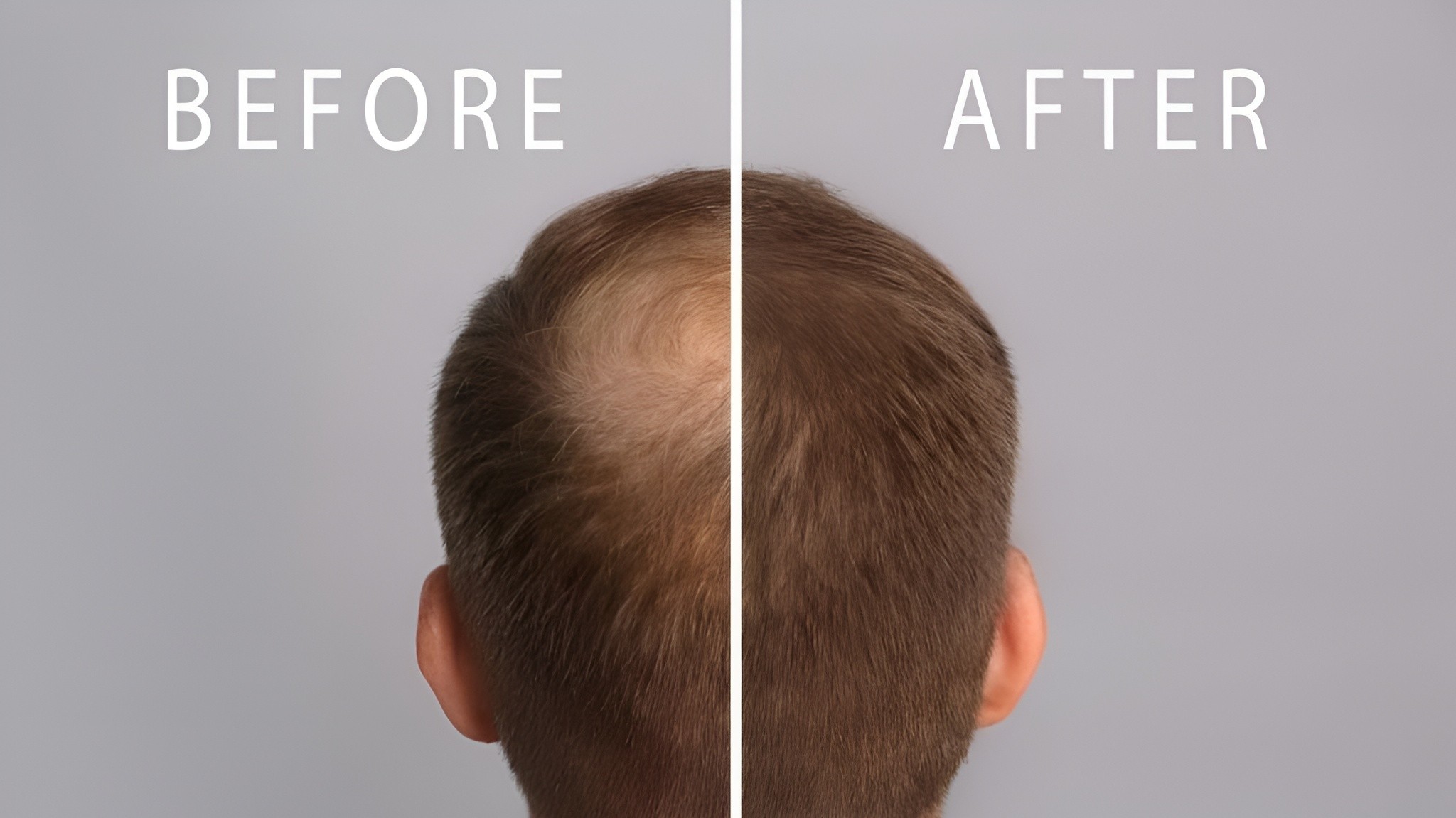
Many weight loss brands and cosmetic companies scam people by manipulating them visually. However, digital images are incredibly easy to alter, manipulate, or stage. Differences in lighting, body posture, clothing choice, and camera angles can create a massive, convincing transformation in a matter of minutes. Real clinical health improvements are never measured by a subjective picture; they are proven through lab tests, objective data, and long-term diagnostic tracking.
Can One Product Really Cure Everything?
The human body is an incredibly complex system composed of distinct, specialized organs and biochemical pathways. Medical science creates highly targeted treatments designed to interact with specific cellular receptors or biological mechanisms. If an online advertisement claims that a single supplement, juice, or powder can simultaneously heal your gut, boost your memory, clear your skin, and cure arthritis, it is completely false. Remember that a universal cure for every human ailment simply does not exist.
Is The Person Warning You Also Selling The Remedy?
Always look for the underlying financial incentive behind any shocking health claim. A major red flag occurs when an online content creator spends several minutes scaring you about a specific disease, only to end their message by offering a link to purchase an expensive proprietary supplement. If the exact same individual who is diagnosing your problem online is also pocketing the profits from the specific cure they recommend, they are prioritising sales over your health.
How To Verify Medical Claims Online
When you run into a questionable post, for instance, Turmeric is the ultimate cure for type 2 diabetes, you can execute a quick, three-step background check to find the legitimacy of the situation.
Always make sure to check the source on PubMed by verifying it through a medical database like PubMed Central or the official website of National Institutes of Health (NIH). Over there, you can search for items like “turmeric human clinical trial type 2 diabetes.” If the search results show zero-large scale human trials confirming the video’s claim, the video is a lie.
Next, if you wish to verify whether the speaker is real or fake, you can take a screenshot of him/her and run it through a reverse image engine like Google Lens. Often, you will find the “doctor” is actually a stock-photo model or an actor from a completely unrelated marketing campaign.
Finally, you can always check major global health authorities like the World Health Organization (WHO) or the Centers for Disease Control and Prevention (CDC). Carefully check to see if they have issued consumer updates regarding viral wellness trends.
Also Read: How Much Coffee Is Too Much? Experts Explain
The Benefits Of Verifying Health Claims

We all must be knowing this proverb, “prevention is always better than cure,” because learning how to actively identify fake health content completely transforms your relationship with the internet. You no longer navigate social feeds with a sense of underlying anxiety or sudden panic. Also, you stop wasting your hard-earned money in useless supplements, untested remedies, and predatory wellness fads. You start to gain the critical ability to protect your mental peace, your financial resources, and your physical health.
Therefore, from next time a sensational medical claim pops up on your personal news feed, you will simply smile, easily identify the specific red flag, and confidently scroll right past it. You will quickly become a reliable shield of truth for your immediate family, friends, and community members. At the end of the day, your capacity for clear and critical thinking is the best preventive medicine. So, keep your eyes open, choose to trust the verified scientific path, and let the online noise completely fade away.