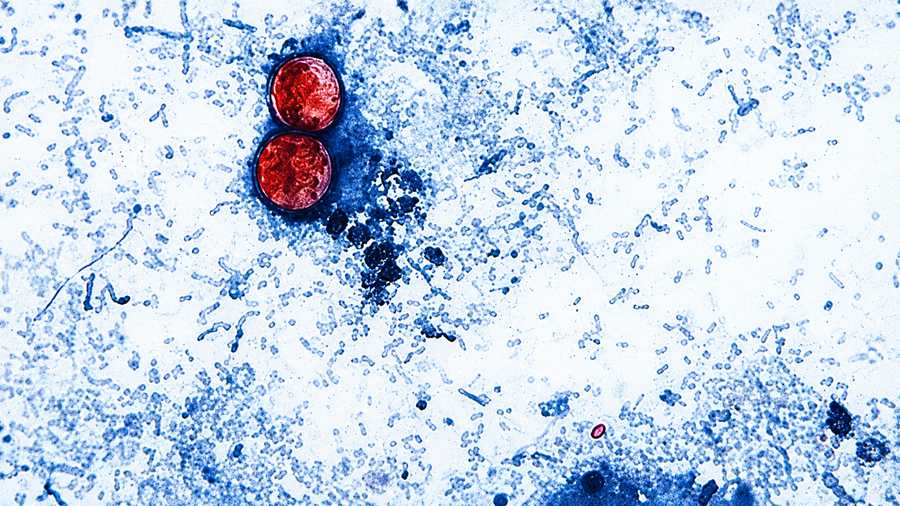
Stomach illnesses are often blamed on a virus or something a person ate, but parasites can also cause serious digestive problems. One such parasite is Cyclospora, a microscopic organism that can cause an intestinal illness known as cyclosporiasis.
Cyclospora infection is best known for causing prolonged watery diarrhea. It can also lead to stomach cramps, bloating, nausea, loss of appetite, weight loss, and tiredness. Although the illness is usually not life-threatening, symptoms can be uncomfortable and may continue for weeks or longer if the infection is not treated.
Cyclospora infections are often linked to contaminated food or water. Fresh produce has been connected to a number of outbreaks, making food safety especially important. Understanding how the parasite spreads, recognizing the symptoms, and knowing when to seek medical care can help reduce the risk of serious illness.
What Is Cyclospora?
Cyclospora cayetanensis is a microscopic parasite that infects the human intestinal tract. The illness caused by the parasite is called cyclosporiasis.
People become infected when they consume food or water contaminated with Cyclospora. The parasite is too small to be seen without a microscope, so contaminated food or water may look, smell, and taste completely normal.
Cyclospora is more commonly found in tropical and subtropical areas, but infections and foodborne outbreaks can occur in other parts of the world. In the United States, cases often increase during the spring and summer months.
The infection is generally not life-threatening. However, it can cause prolonged illness, particularly when it is not diagnosed and treated. Some people may experience symptoms that improve for a while and then return.
Also Read: 7 Women Who Changed Medicine Forever
How Does Cyclospora Spread?
Cyclospora spreads when people swallow food or water contaminated with the parasite. Human fecal contamination plays an important role in the parasite's life cycle and spread.
A person infected with Cyclospora passes immature forms of the parasite, called oocysts, in their stool. These oocysts are not immediately able to infect another person. They must spend time in the environment before becoming infectious.
For this reason, direct person-to-person transmission is considered unlikely. Unlike some stomach viruses, Cyclospora does not usually spread immediately from one sick person to another through casual contact.
Food or water can become contaminated when proper sanitation and hygiene practices are not followed. Contamination may occur during the growing, harvesting, processing, or preparation of food.
After a person consumes Cyclospora, symptoms usually do not begin immediately. The average time before symptoms appear is about one week, although the timing can vary.
This delay can make outbreaks difficult to investigate. By the time a person becomes sick, they may have difficulty remembering everything they ate or drank several days earlier.
Which Foods Have Been Linked to Cyclospora?
Cyclospora outbreaks have frequently been associated with fresh fruits, vegetables, and herbs. In the United States, previous outbreaks have been linked to foods such as raspberries, basil, cilantro, snow peas, and certain types of lettuce and fresh produce mixtures.
Fresh produce can be difficult to protect completely from Cyclospora because it is often eaten raw. If contaminated produce is not cooked, the parasite may remain on the food.
Contamination can happen before food reaches a grocery store or restaurant. Produce may be exposed to contaminated water or unsanitary conditions during growing, harvesting, packing, or processing.
It is important to understand that the presence of Cyclospora cannot usually be identified simply by looking at food. A contaminated fruit, vegetable, or herb may appear fresh and healthy.
Not every case of cyclosporiasis can be traced to a specific food. Investigating an outbreak can be difficult because symptoms may appear days after exposure and people may have eaten many different foods during that time.
Wash Your Hands With Soap and Water
Good hygiene is an important part of food safety. Hands should be washed thoroughly with soap and clean running water after using the bathroom and before preparing, serving, or eating food.
Proper handwashing can help prevent fecal contamination from reaching food and food preparation surfaces. This is especially important for anyone who prepares meals for other people.
Wash all parts of the hands, including between the fingers and around the fingernails. Hands should then be rinsed and dried properly.
Hand hygiene should be used along with safe food and water practices. Because Cyclospora is a parasite with a complex life cycle, preventing contaminated food and water from being consumed remains one of the most important ways to avoid infection.
Wash Fruits and Vegetables Carefully
Fresh fruits and vegetables should be handled carefully before eating or preparing them. Wash produce thoroughly under clean running water and follow standard food-safety practices.
Firm fruits and vegetables can be gently rubbed while they are being rinsed. Damaged or bruised areas should be removed, and produce should be kept separate from raw meat, poultry and seafood to reduce the risk of cross-contamination from other harmful organisms.
However, washing produce does not guarantee that Cyclospora will be removed. The parasite can remain attached to the surface of fruits, vegetables and herbs even after they have been rinsed.
This is particularly important for foods with rough, leafy or uneven surfaces. Small spaces and crevices can make some types of produce more difficult to clean.
Consumers should also follow public health warnings, recalls and outbreak advisories. If health authorities identify a particular food as a possible source of an outbreak, washing that food may not make it safe to eat.
Cooking Produce Can Reduce the Risk
Cooking or heating contaminated produce can significantly reduce the risk of Cyclospora infection because high temperatures can kill the parasite.
This is one reason cooked food may be a safer choice when there are concerns about contaminated fresh produce. People should cook food properly and follow recommended food-safety practices.
Fresh herbs such as cilantro and basil should be handled carefully because they have been linked to previous Cyclospora outbreaks. They should be rinsed under clean running water before use, although washing may not completely remove the parasite if the herbs are contaminated.
Leafy vegetables should also be handled carefully. Remove damaged or spoiled leaves and rinse produce as recommended before preparation.
Berries and other fruits with uneven surfaces can be difficult to clean completely. Cooking these foods may reduce the risk from Cyclospora and other harmful organisms.
People should remember that freezing is not a reliable method for eliminating Cyclospora from contaminated food. A food should not automatically be considered safe simply because it has been frozen.
Also Read: How Watching Sunsets Can Improve Your Health and Wellbeing
Be Careful With Fresh and Ready-to-Eat Produce
Fresh and ready-to-eat produce can be convenient, but some products are consumed without cooking. This means there may be no heating step to kill parasites or other harmful organisms before the food is eaten.
Salad mixes and other fresh produce products have been associated with foodborne outbreaks in the past. Consumers should check labels and follow the manufacturer's storage and preparation instructions.
Produce labeled as ready to eat, triple washed, or similar may not require additional washing according to its instructions. However, consumers should always pay attention to food recalls and public health advisories.
If a specific product has been recalled because of possible contamination, it should not be eaten. Follow the recall instructions for disposing of or returning the product.
Safe refrigeration is also important. Perishable produce should be stored properly and should not be left at unsafe temperatures for long periods.
Can Contaminated Water Spread Cyclospora?
Yes. Cyclospora can spread through contaminated water as well as contaminated food.
People may become infected if they drink water containing the parasite. Water used to grow, wash, or prepare food can also contribute to contamination.
Travelers visiting areas where cyclosporiasis occurs regularly should be particularly careful about food and water safety. Routine chemical disinfection or sanitizing methods may not reliably kill Cyclospora.
When water safety is uncertain, people should follow advice from local health authorities. Depending on the situation, officials may recommend using a safer water source or taking specific steps before drinking or preparing food with the water.
Public health advisories should always be taken seriously. The correct precautions may vary depending on the cause and type of water contamination.
What Are the Symptoms of Cyclospora Infection?
The most common symptom of cyclosporiasis is watery diarrhea. The diarrhea may be frequent and can sometimes be severe.
Other symptoms can include loss of appetite, weight loss, stomach cramps, bloating, increased gas, nausea, and tiredness. Some people may also experience vomiting, body aches, headache, or a low fever.
The symptoms can look similar to those caused by other intestinal infections. Because of this, a person may assume they have a common stomach bug or food poisoning.
Some people infected with Cyclospora may not have symptoms. Others can develop an illness that lasts for a long time.
Without treatment, symptoms may continue for weeks or even months. The illness can also follow a relapsing pattern, meaning symptoms may improve and then return.
How Long Does Cyclospora Illness Last?
The length of the illness can vary from person to person. Without treatment, cyclosporiasis may last from a few days to a month or longer. In some cases, symptoms can continue or return over a period of weeks or months.
Long-lasting diarrhea can interfere with normal daily activities and may lead to dehydration and weight loss.
People with weakened immune systems may experience more severe or prolonged illness. Older adults, young children, and others who are more vulnerable to dehydration may also need closer medical attention when they develop significant diarrhea.
Because the symptoms of Cyclospora infection can resemble other illnesses, laboratory testing is usually needed to confirm the diagnosis.
Staying Hydrated Is Very Important
Frequent diarrhea causes the body to lose water and electrolytes. Replacing these fluids is an important part of managing any diarrheal illness.
People with diarrhea should drink enough fluids to avoid dehydration. Oral rehydration solutions can be helpful because they contain a proper balance of water, salts, and sugar designed to replace fluids and electrolytes.
Signs of dehydration can include a dry mouth, unusual thirst, reduced urination, dark urine, weakness, or dizziness. Severe dehydration requires medical attention.
Children, older adults, and people with certain medical conditions can become dehydrated more quickly. Caregivers should closely monitor fluid intake and signs of dehydration in these groups.
Drinks that contain large amounts of sugar may sometimes make diarrhea worse, so an appropriate oral rehydration solution may be a better option when significant fluid loss occurs.
Also Read: Why Are Ultra-Processed Foods Bad for You?
When Should You See a Doctor?
Medical care should be considered when diarrhea is severe, persistent, or accompanied by signs of dehydration. A person should also contact a health care provider if symptoms continue for several days or repeatedly improve and return.
People should tell their health care provider about recent travel and possible food or water exposures. They should also mention if they are aware of a local Cyclospora outbreak.
Testing for Cyclospora may require a stool sample. In some situations, more than one stool specimen may be needed because the parasite may not be found in every sample.
People with weakened immune systems should seek medical advice if they develop persistent diarrhea. Parents and caregivers should also contact a health care professional when a child has severe diarrhea or signs of dehydration.
Severe weakness, very little urination, confusion, or an inability to keep fluids down may require urgent medical evaluation.
How Is Cyclospora Treated?
Cyclosporiasis can be treated with prescription medication. The preferred treatment is usually a combination antibiotic called trimethoprim-sulfamethoxazole, also known as TMP-SMX.
A health care provider should decide whether treatment is appropriate and prescribe the correct medication. People who are allergic to sulfa drugs should tell their doctor because effective alternative treatments may be limited.
Treatment can help shorten the illness and reduce symptoms. Without treatment, diarrhea and other symptoms may continue or return for weeks or months.
People should speak with a health care professional before using anti-diarrheal medicines if they have severe or persistent diarrhea. These medicines are not appropriate in every situation, and they do not treat the Cyclospora parasite itself.