Medicine has come a long way over the past two centuries, but for much of history, women were excluded from the profession. They were denied admission to medical schools, refused jobs at hospitals, and often told they were incapable of becoming physicians or scientists. Despite these obstacles, a remarkable group of women challenged the status quo through determination, intelligence, and compassion, breaking barriers that had stood for generations.
Their contributions extended far beyond treating patients. They founded hospitals, advanced medical research, improved public health, fought for equal opportunities, and inspired future generations of women to pursue careers in medicine. Many of the medical practices we now take for granted exist because these pioneers refused to accept the limitations placed upon them.
Here are seven extraordinary women whose work transformed medicine and continues to influence healthcare around the world.
Elizabeth Blackwell
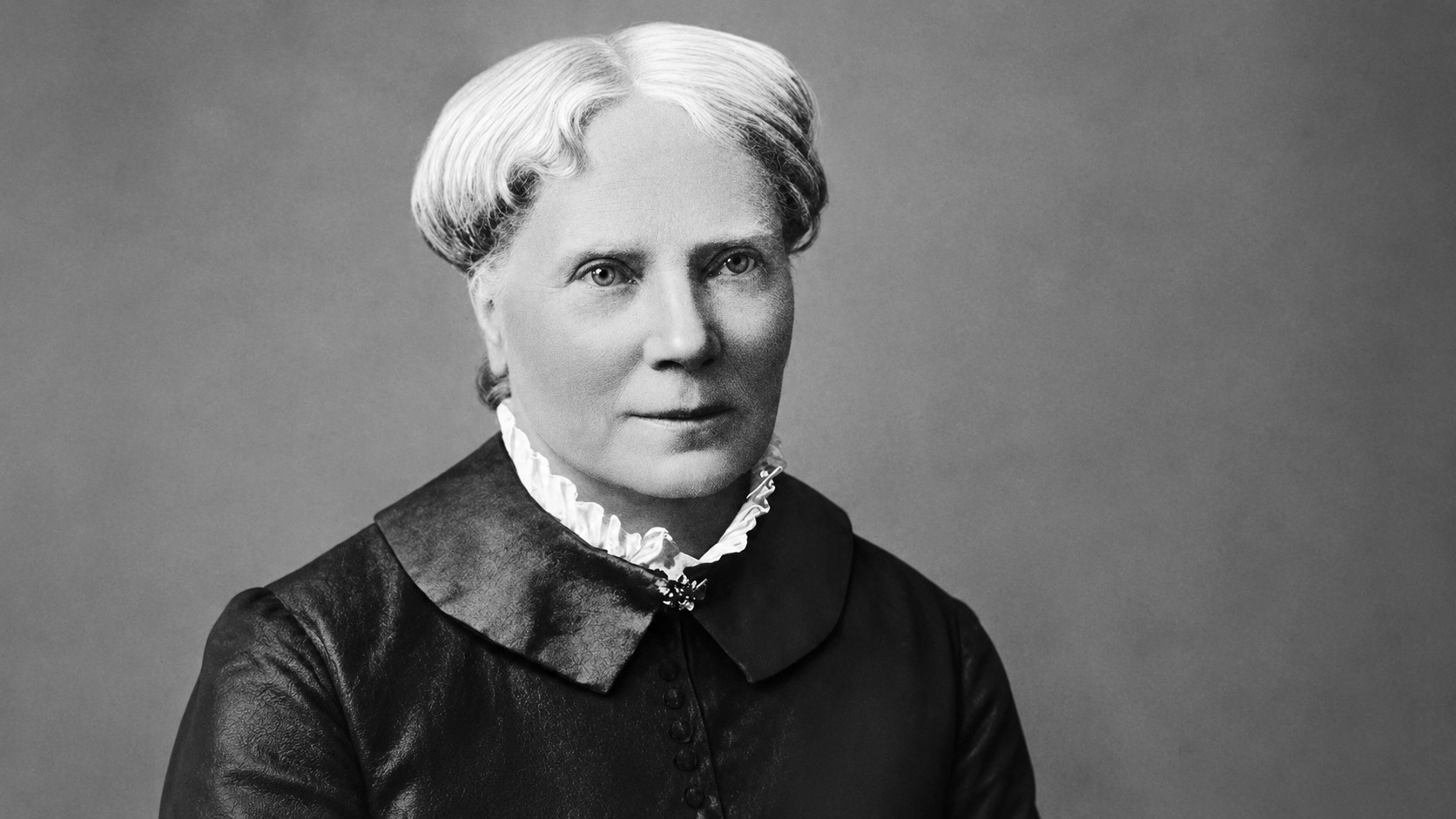
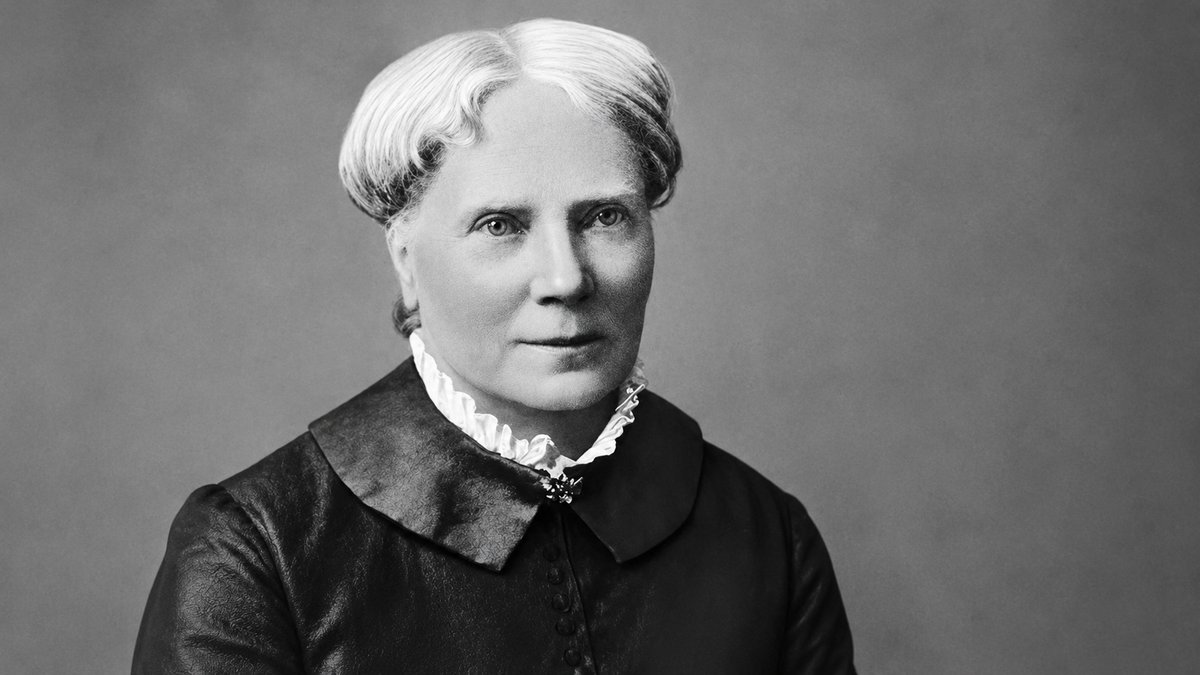
When Elizabeth Blackwell decided to become a physician in the mid-1800s, the idea was considered almost impossible. At the time, medical schools simply did not admit women, and many believed women lacked the intelligence and emotional strength to practice medicine. Blackwell's interest in medicine began after a close friend became seriously ill and remarked that she would have felt more comfortable being treated by a woman doctor. Those words inspired Blackwell to pursue a career that few women had even imagined.
Her journey was filled with obstacles. She applied to numerous medical schools and was rejected repeatedly, with one professor even advising her to disguise herself as a man if she truly wanted to study medicine. Refusing to give up, Blackwell continued applying until Geneva Medical College in New York accepted her in 1847. Many people initially believed her admission was a joke, and she faced isolation throughout her education. Despite the hostility, she excelled academically and graduated first in her class in 1849, becoming the first woman in the United States to earn a medical degree.
Blackwell dedicated the rest of her career to expanding opportunities for women. In 1857, she opened the New York Infirmary for Women and Children, where poor patients could receive quality medical care from female physicians. The hospital also provided valuable training for women doctors who struggled to find employment elsewhere. Later, she helped establish the Woman's Medical College of the New York Infirmary to educate future female physicians.
After moving to England, she continued teaching medicine, promoted preventive healthcare, co-founded the National Health Society, and published several influential books, including her autobiography. Elizabeth Blackwell proved that women belonged in medicine and opened doors that countless others would later walk through.
Also Read: Five Women Artists Whose Masterpieces Were Credited to Men
Rebecca Lee Crumpler
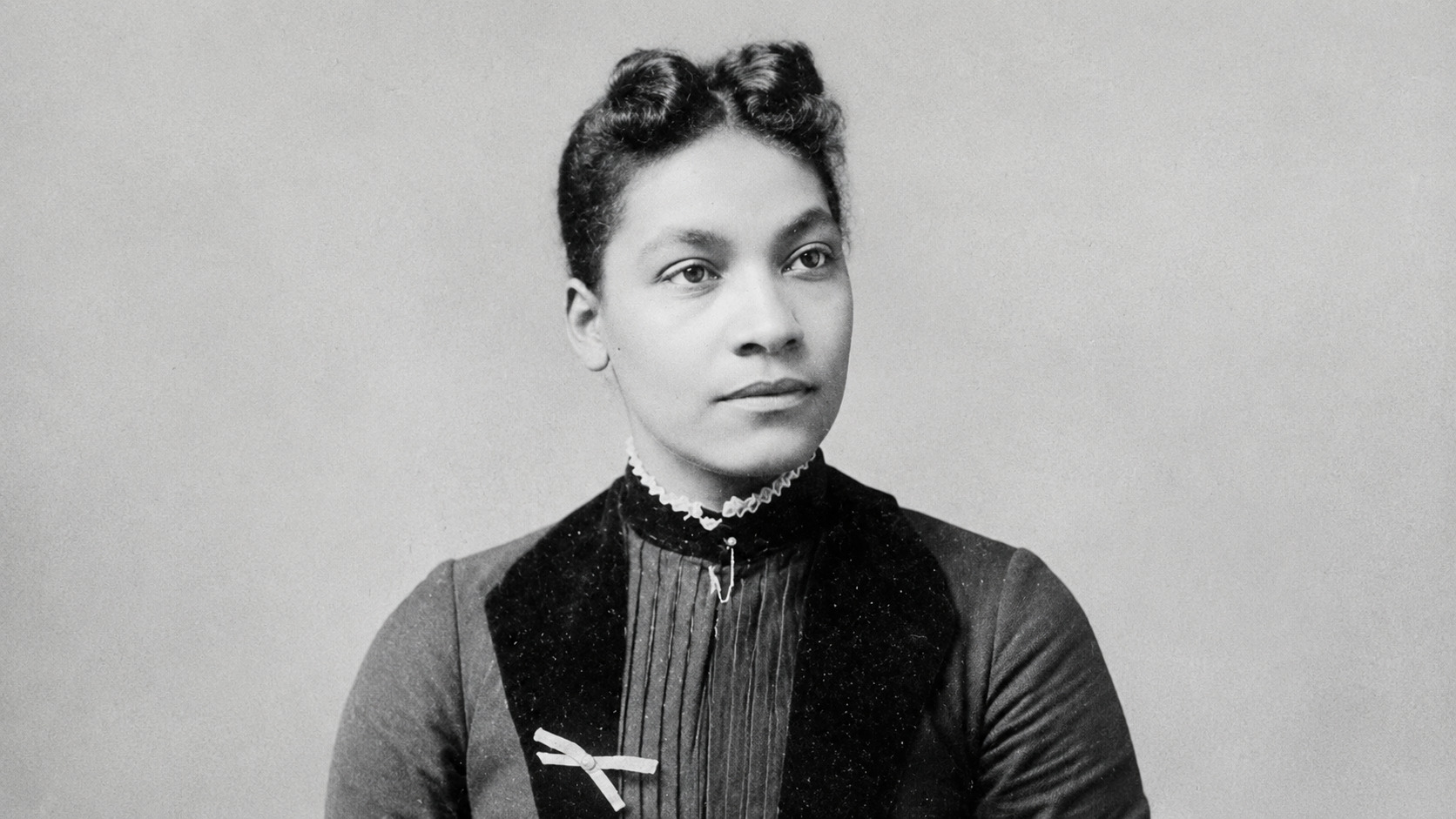
Rebecca Lee Crumpler achieved something unprecedented during one of the most difficult periods in American history. In 1864, she became the first Black woman in the United States to earn a medical degree after graduating from the New England Female Medical College. Before attending medical school, she worked as a nurse, caring for patients and learning from experienced physicians. Her aunt, who regularly cared for sick neighbors, inspired her belief that healthcare should be available to everyone.
After the American Civil War ended, Crumpler moved to Richmond, Virginia, where thousands of formerly enslaved people desperately needed medical care. Working under extremely challenging conditions, she treated patients who had little or no access to healthcare. Even after returning to Boston, she continued facing discrimination. Hospitals often refused to grant her privileges, and pharmacists sometimes ignored prescriptions written by a Black woman physician. Despite these obstacles, she remained committed to serving her community.
In 1883, Crumpler made history again by publishing A Book of Medical Discourses, the first medical book written by an African American. The book focused on practical healthcare advice for mothers, women, and children, combining professional medical knowledge with years of firsthand clinical experience. Rebecca Lee Crumpler's achievements demonstrated that talent and dedication matter far more than race or gender, and her legacy continues to inspire physicians from diverse backgrounds.
Virginia Apgar
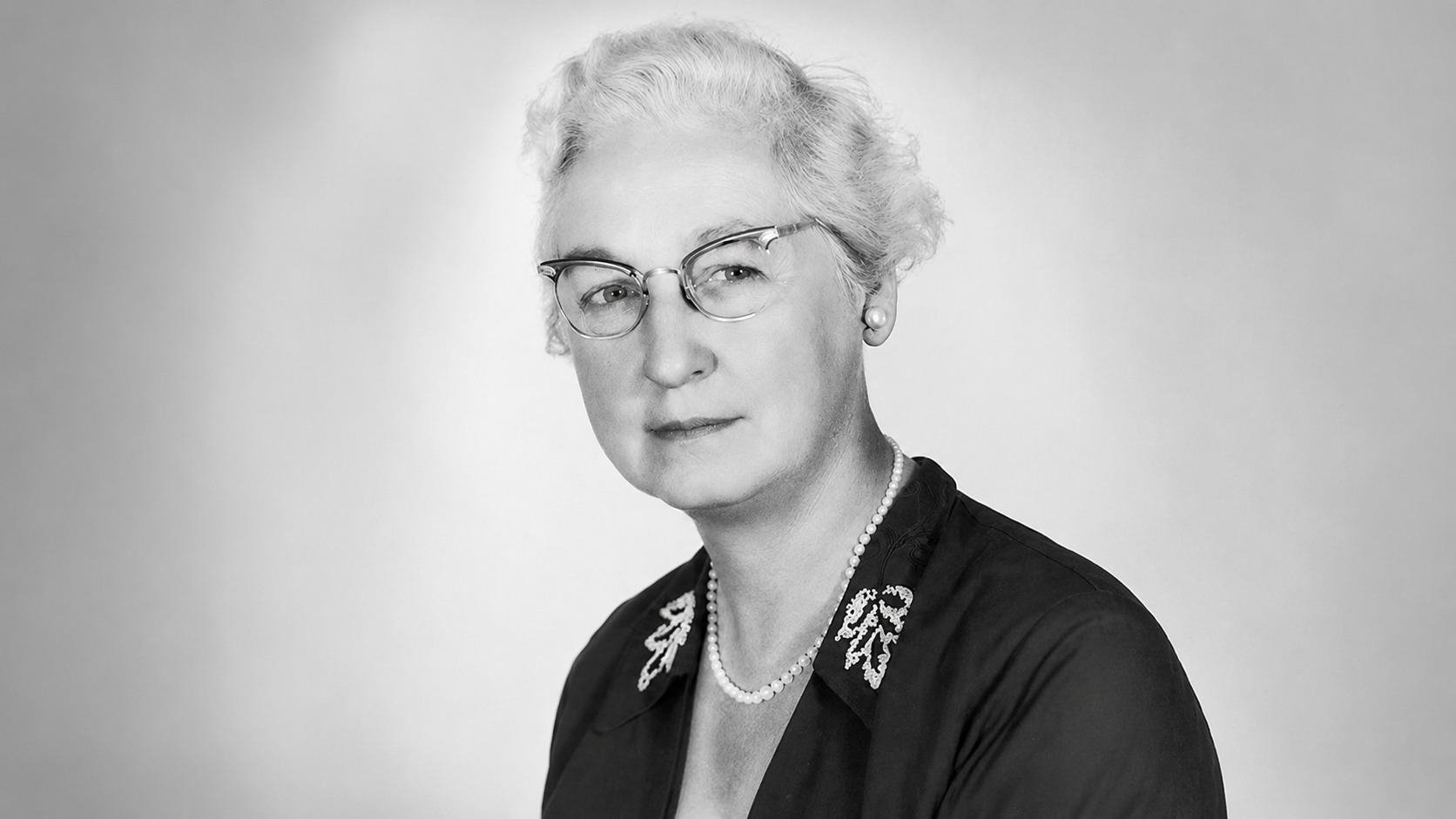
Few medical innovations have saved as many lives as the Apgar score. Although millions of parents have heard their baby's Apgar score shortly after birth, many do not know the remarkable physician behind it. Virginia Apgar graduated from Columbia University College of Physicians and Surgeons in 1933. Because surgery offered limited opportunities for women at the time, she chose anesthesiology, a field that was still developing. Her expertise quickly earned recognition, and in 1938 she became the first director of the anesthesia division at Columbia-Presbyterian Hospital.
While working with mothers during childbirth, Apgar noticed that doctors lacked a consistent method for evaluating newborn babies immediately after delivery. Some infants who appeared healthy later developed serious complications, while others who required urgent care were not identified quickly enough. To solve this problem, she created a simple scoring system that measured five signs of a newborn's health: heart rate, breathing, muscle tone, reflex response, and skin color. Each category received a score from zero to two, allowing doctors to quickly determine whether a baby needed immediate medical attention.
The Apgar score transformed neonatal medicine and remains one of the world's most widely used medical assessments, helping improve survival rates for newborns across the globe. Later in her career, Apgar earned a master's degree in public health from Johns Hopkins University and joined the March of Dimes, where she led national campaigns focused on birth defects, prenatal care, and maternal health. Her practical innovation continues to save lives every single day.
Mary Putnam Jacobi
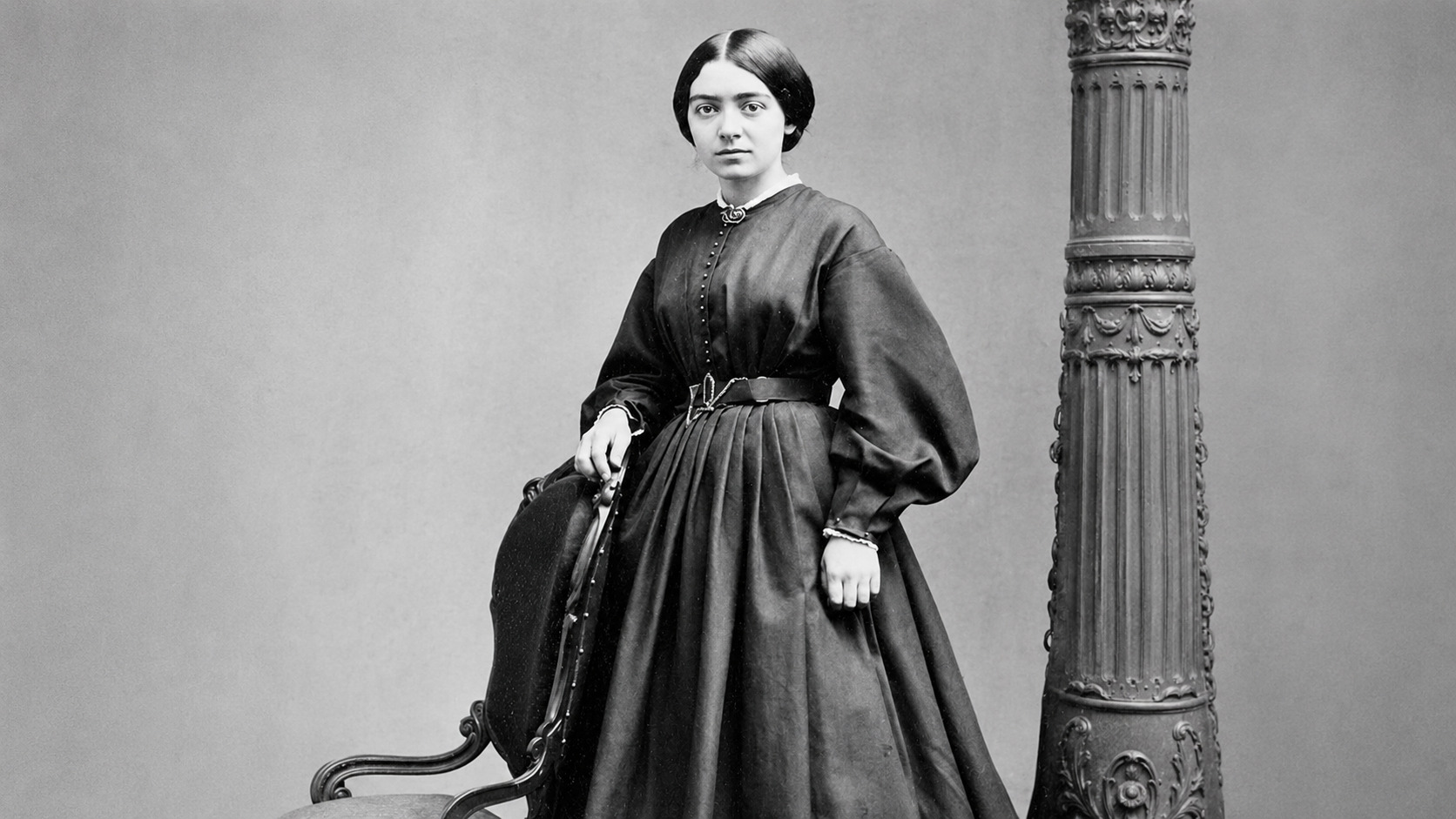
During the nineteenth century, many physicians believed that menstruation made women physically weak and mentally incapable of higher education or demanding careers. These misconceptions were widely accepted despite having little scientific evidence. Mary Putnam Jacobi refused to accept unsupported claims. After earning her medical degree from the Woman's Medical College of Pennsylvania in 1864, she became the first woman admitted to the prestigious École de Médecine de Paris, where she received advanced scientific training.
Jacobi believed medicine should be based on evidence rather than tradition. She carefully collected data, conducted research, and published numerous scientific papers throughout her career. One of her most influential works examined the physical effects of menstruation and demonstrated that healthy women remained fully capable of studying, working, and exercising during their menstrual cycles. The paper won the prestigious Boylston Medical Prize and helped undermine long-held myths that had limited women's educational and professional opportunities.
Jacobi also advocated for coeducation in medical schools, believing women deserved access to the same hospitals, laboratories, and clinical experiences as male students. In 1872, she founded the Association for the Advancement of the Medical Education of Women to improve educational opportunities for future female physicians. Her commitment to scientific evidence helped modernize medicine while advancing women's equality.
Antonia Novello
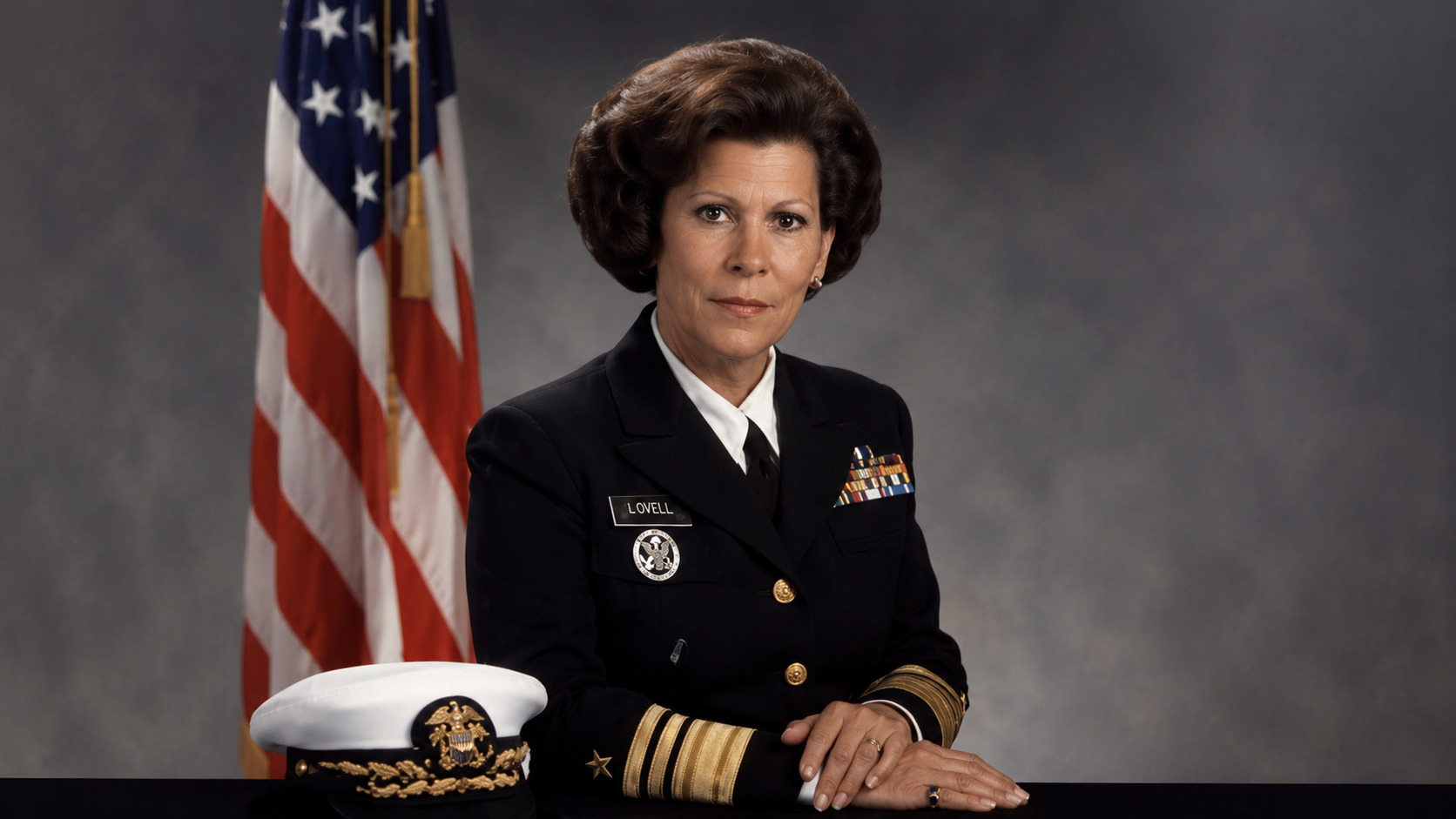
Antonia Novello made history in 1990 when she became both the first Hispanic person and the first woman to serve as Surgeon General of the United States. Born in Puerto Rico, she experienced serious health problems during childhood because of congenital megacolon. Multiple surgeries and the high cost of treatment shaped her understanding of how important affordable healthcare can be for families.
After earning her medical degree from the University of Puerto Rico, Novello specialized in pediatrics before moving into public health. She later worked at the National Institutes of Health, where she became known for her expertise in children's health. As Surgeon General, she focused on issues affecting women, children, and underserved communities, launching public awareness campaigns about smoking, alcohol abuse among young people, AIDS, and domestic violence. She also emphasized preventive healthcare and encouraged healthier lifestyles.
Throughout her career, Novello advocated for healthcare that was accessible to everyone, regardless of income or background. When she completed her term in 1993, President Bill Clinton praised her leadership and dedication to improving public health. Her work demonstrated that national health policies can improve millions of lives.
Also Read: 18 Amazing Buildings Designed by Women Architects
Gerty Theresa Cori
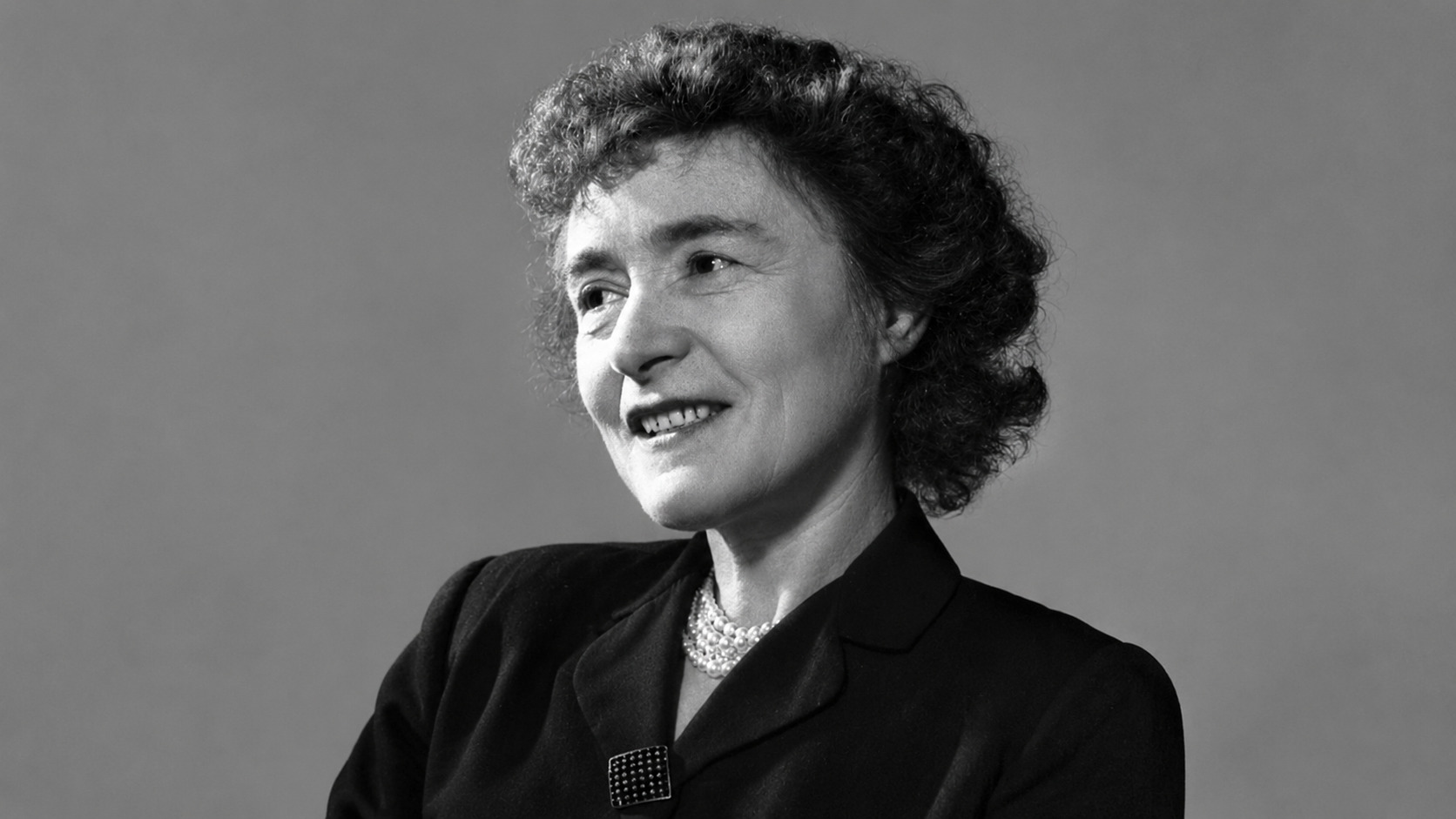
Scientific research has transformed modern medicine, and Gerty Theresa Cori played a major role in that progress. Working alongside her husband and research partner, Carl Cori, she studied how the human body stores and uses energy. Their research led to the discovery of the Cori cycle, which explains how glycogen stored in muscles is converted into glucose and then recycled to provide energy. This breakthrough greatly improved scientists' understanding of metabolism and helped advance treatments for diabetes and other metabolic disorders.
In 1947, Gerty Cori became the first woman to receive the Nobel Prize in Physiology or Medicine. At a time when women scientists often received little recognition, this achievement represented a major milestone. Despite her remarkable accomplishments, Cori frequently encountered discrimination, with universities sometimes offering her lower-paying positions than equally qualified male colleagues. Nevertheless, she continued conducting groundbreaking research while serving on the faculties of Washington University and later the University of Chicago. Her scientific discoveries continue to influence medicine, endocrinology, and biochemistry decades after her death.
Susan La Flesche Picotte
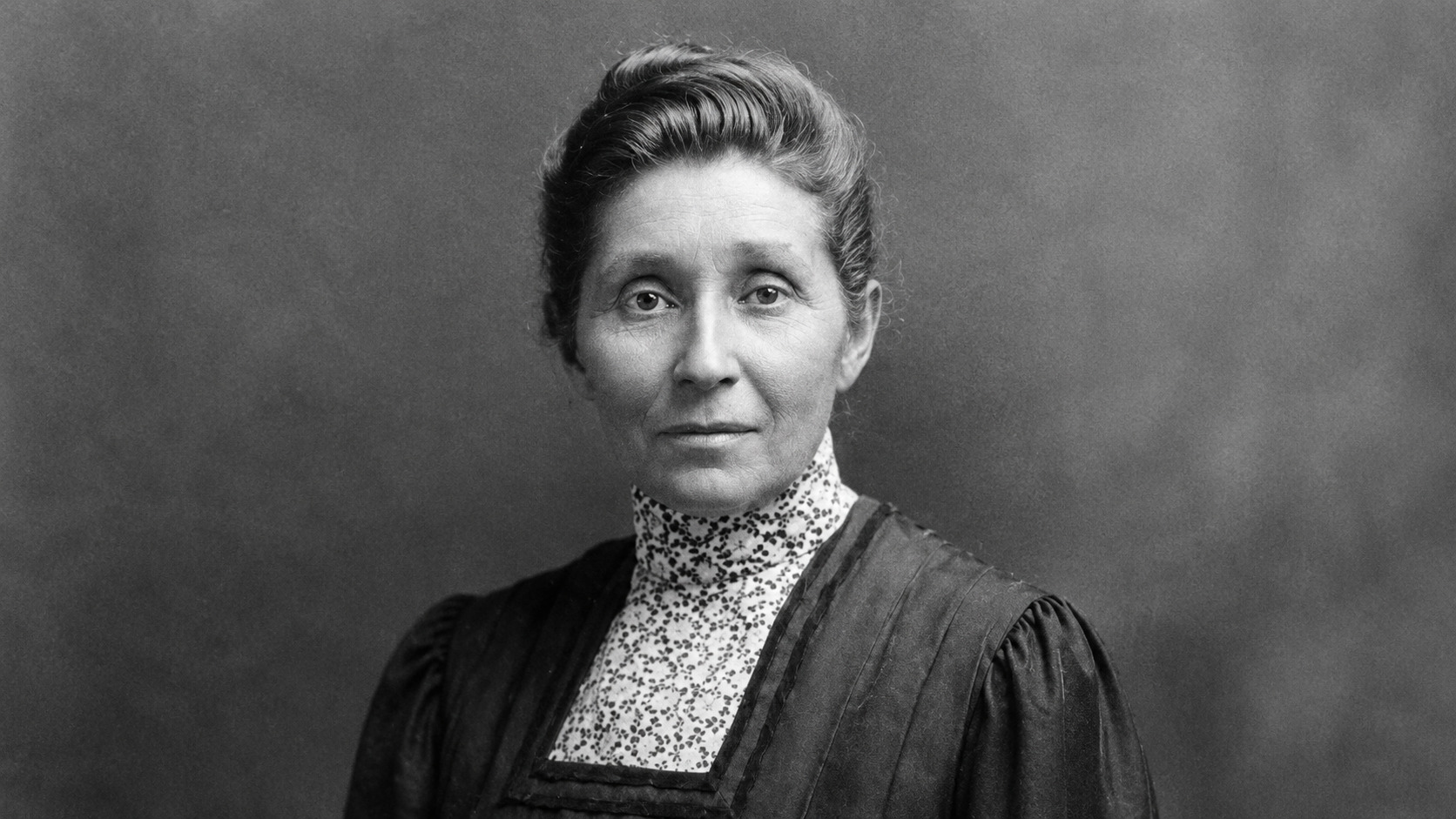
Susan La Flesche Picotte became the first Native American woman to earn a medical degree in the United States after graduating at the top of her class from the Woman's Medical College of Pennsylvania in 1889. Her decision to become a physician was deeply personal. As a child, she witnessed a Native American woman die after a white doctor refused to treat her. That heartbreaking experience convinced Picotte that Native communities deserved better healthcare.
After completing her education, she returned to the Omaha Reservation in Nebraska, where she devoted her career to serving her own people. She often traveled long distances on horseback through difficult weather to visit patients who had no other access to medical care. Picotte believed that preventing illness was just as important as treating it. She promoted better sanitation, proper nutrition, vaccination, and health education throughout the reservation while also working to improve housing conditions and reduce the spread of infectious diseases.
In 1906, she led a delegation to Washington, D.C., advocating for a ban on alcohol on the reservation because of its harmful effects on Native communities. Perhaps her greatest achievement came near the end of her life when she helped establish a modern hospital on the Omaha Reservation. The hospital served Native and non-Native patients alike and became a symbol of her lifelong commitment to equality and compassionate care. Her dedication transformed healthcare for her community and inspired generations of Native American physicians.