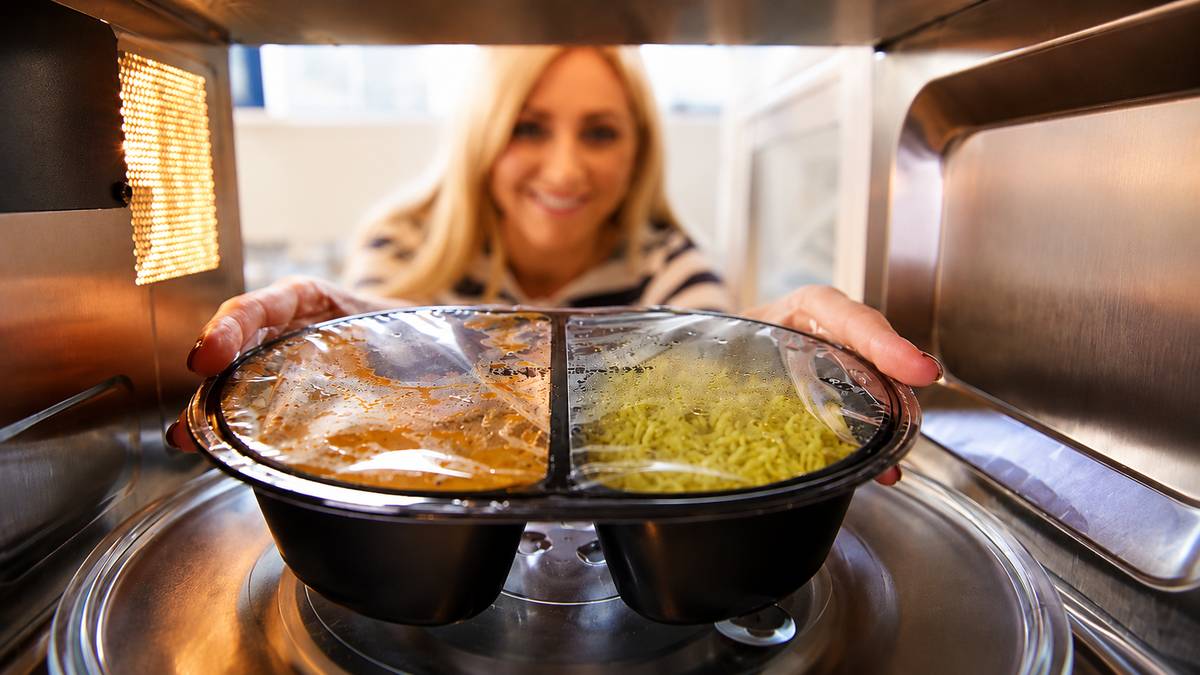
Ultra-processed foods have become a common part of modern diets. They are easy to find, quick to prepare, affordable, and often made to taste very good. Many people eat these foods because they save time and are easy to store. However, eating too many ultra-processed foods may increase the risk of health problems such as weight gain, diabetes, high blood pressure, heart disease, and other long-term illnesses. Packaged snacks, sugary drinks, instant noodles, frozen meals, breakfast cereals, processed meats, fast food, and ready-to-eat products are often ultra-processed foods. These foods are convenient, but health experts are concerned about how they may affect the body over time.
Why Ultra-Processed Foods Are So Popular
Ultra-processed foods are popular because they are easy to buy, simple to prepare, and available in many places. They are often less expensive than fresh foods and can stay good for a long time. This makes them useful for busy people, families, and anyone who does not have much time to cook. These foods are also made to taste good. They may contain added sugar, salt, fat, flavors, and other ingredients that make people want to eat more. Their taste, low cost, and easy use make them a common choice for many people. However, eating these foods often may not give the body the healthy nutrients it needs.
Also Read: Cigarettes Are Making a Comeback: Is Occasional Smoking Really Harmless?
What Makes a Food Ultra-Processed?
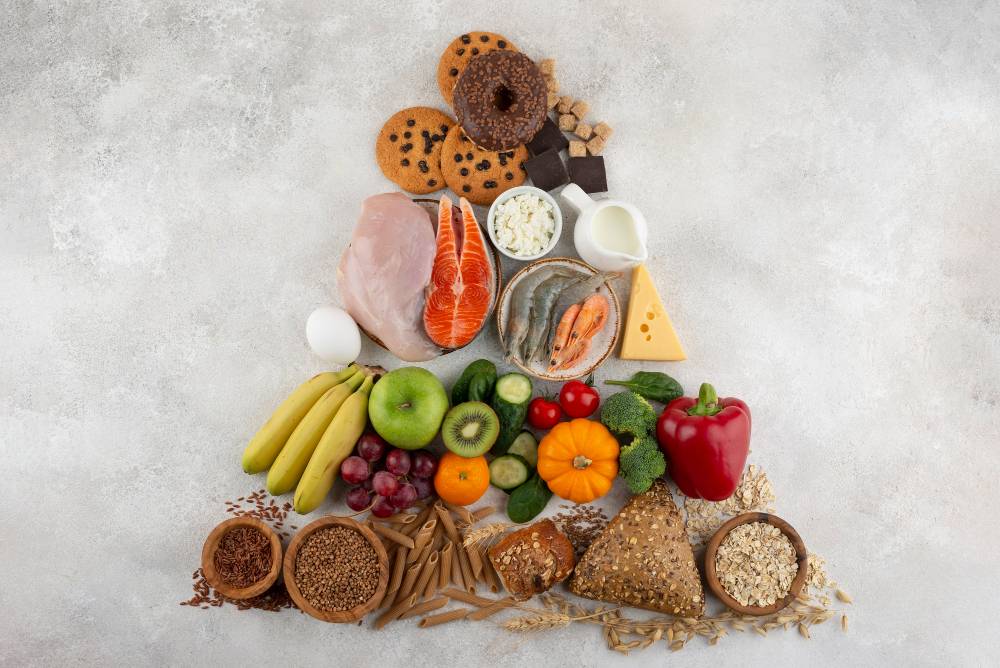
Foods can be grouped by how much they are changed before they are eaten. Foods that are changed very little include fresh fruits, vegetables, beans, eggs, milk, fish, and plain grains. These foods may be washed, frozen, dried, or packed, but they are still close to their natural form. Some foods are changed more. These may include canned vegetables, cheese, bread, or foods with added salt, sugar, or oil. Ultra-processed foods are changed a lot in factories. They often contain ingredients that people do not usually use at home. These may include added flavors, colors, preservatives, sweeteners, refined oils, starches, and other added ingredients. Examples of ultra-processed foods include soft drinks, energy drinks, packaged chips and snacks, instant noodles, frozen pizzas, ready-made meals, sugary breakfast cereals, packaged cakes, cookies, pastries, processed meats, fast food items, and many packed desserts. Not every packed food is unhealthy. However, ultra-processed foods often have many factory-made ingredients and fewer natural foods.
The Role of Nutritional Quality
Ultra-processed foods are often high in salt, added sugar, unhealthy fats, and refined grains. They may also be low in fiber, vitamins, minerals, and other nutrients the body needs. Eating too much salt, sugar, and unhealthy fat can lead to weight gain, high blood pressure, high cholesterol, and blood sugar problems. However, the problem may not only be the sugar, salt, or fat in these foods. The way ultra-processed foods are made may also affect health. Factory-made ingredients, added flavors, preservatives, and other additives may affect the body in ways that are still being studied. This means that a food may have health risks not only because of what it contains, but also because of how it is made.
Also Read: Do Audiobooks and Reading Provide the Same Cognitive Benefits?
How Ultra-Processed Foods May Harm the Body
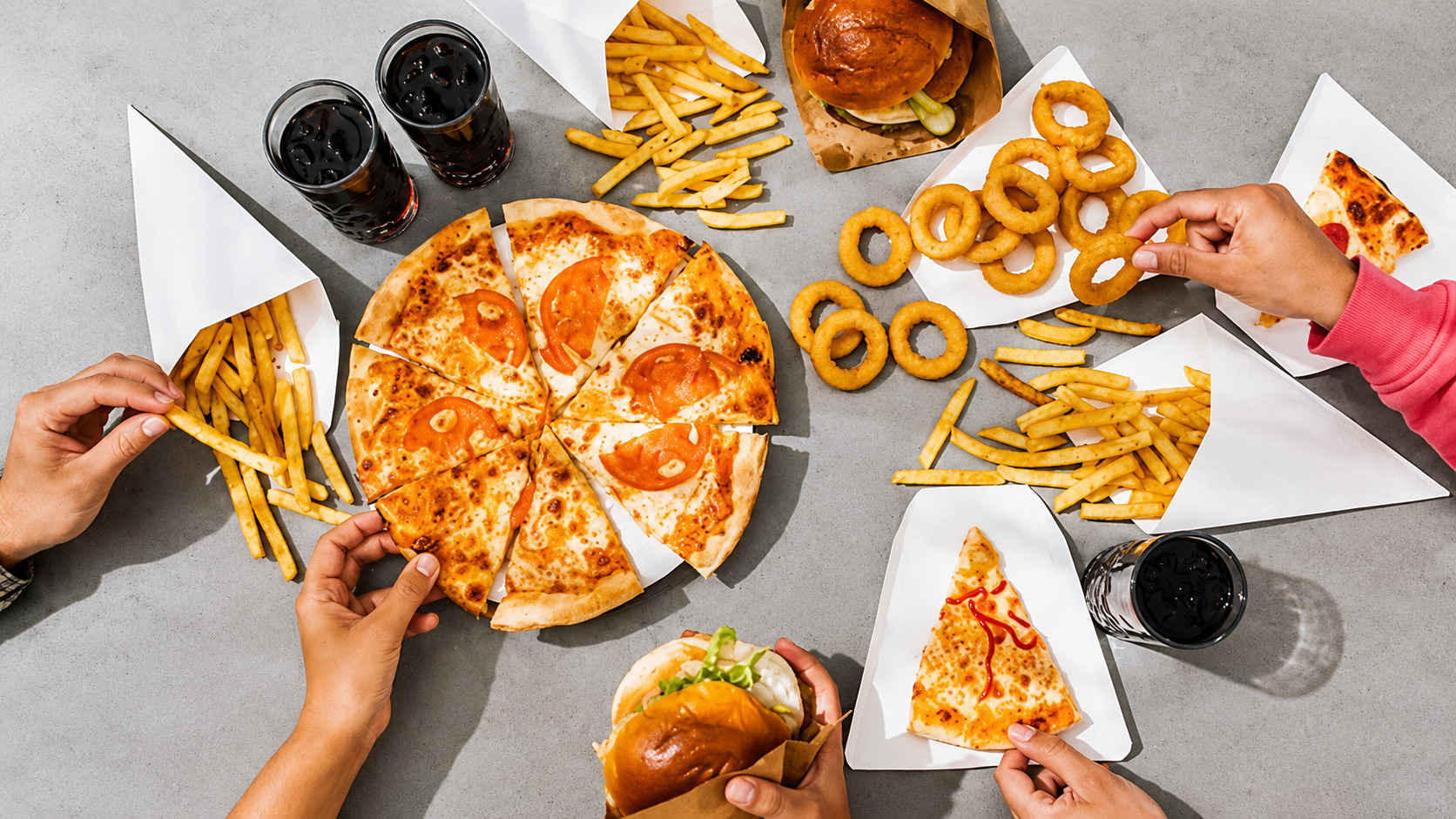
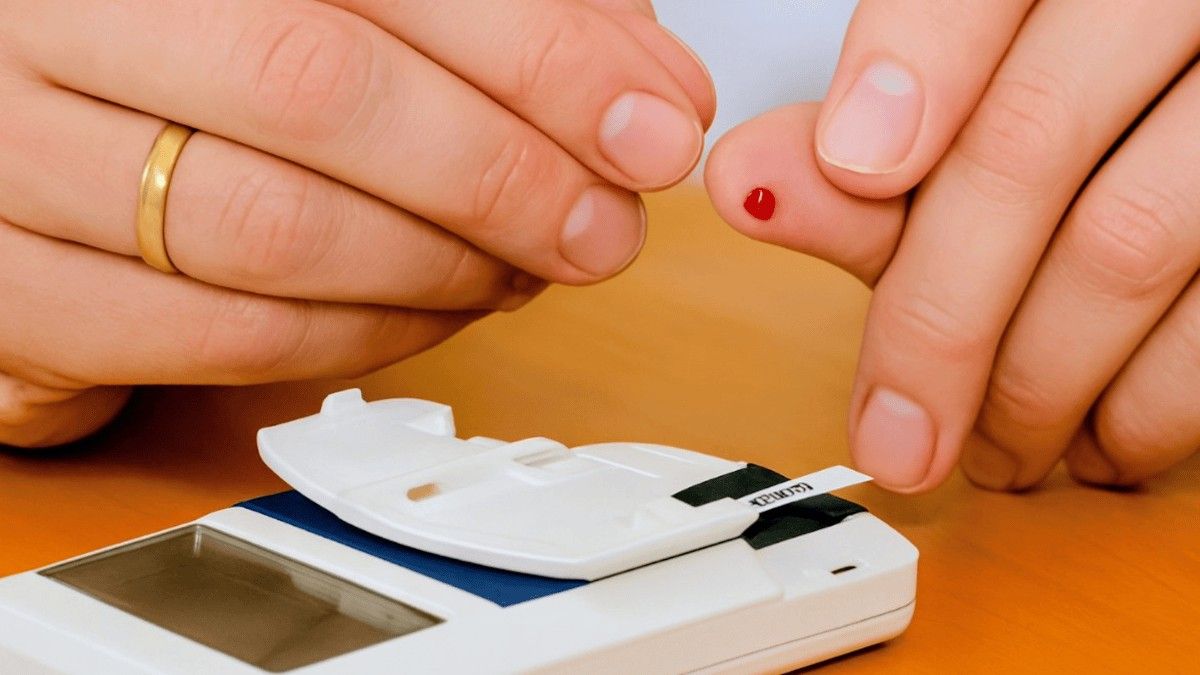
Ultra-processed foods may harm the body in several ways. Many of these foods are high in calories but low in fiber, vitamins, and minerals. They may not keep people full for long, which can make people eat more than they need. Foods with a lot of added sugar and white flour can raise blood sugar quickly. Over time, this may make it harder for the body to control blood sugar and may increase the risk of type 2 diabetes. Foods with a lot of salt can raise blood pressure. High blood pressure can increase the risk of heart disease, heart attack, and stroke. Ultra-processed foods may also cause swelling inside the body. This kind of swelling is linked to many long-term health problems, including heart disease and diabetes. Some experts believe that added ingredients in these foods may affect the stomach, the body’s defense system, and the way the body uses food. These foods may also damage body cells over time. This damage may raise the risk of heart disease, cancer, and other serious health problems.
The Connection With Heart Health
Ultra-processed foods are linked to health problems such as obesity, high blood pressure, diabetes, and high cholesterol. These problems can raise the risk of heart disease. Heart disease can lead to serious problems such as a heart attack and stroke. Eating foods high in salt, sugar, unhealthy fats, and white flour may increase the risk of these conditions. Ultra-processed foods may also affect heart health by causing swelling in the body, cell damage, and blood sugar problems. These changes can hurt blood vessels and make it harder for the body to control blood sugar and cholesterol.
Also Read: Why Checking Your Phone First Thing in the Morning Matters
Reducing Ultra-Processed Foods in Your Diet
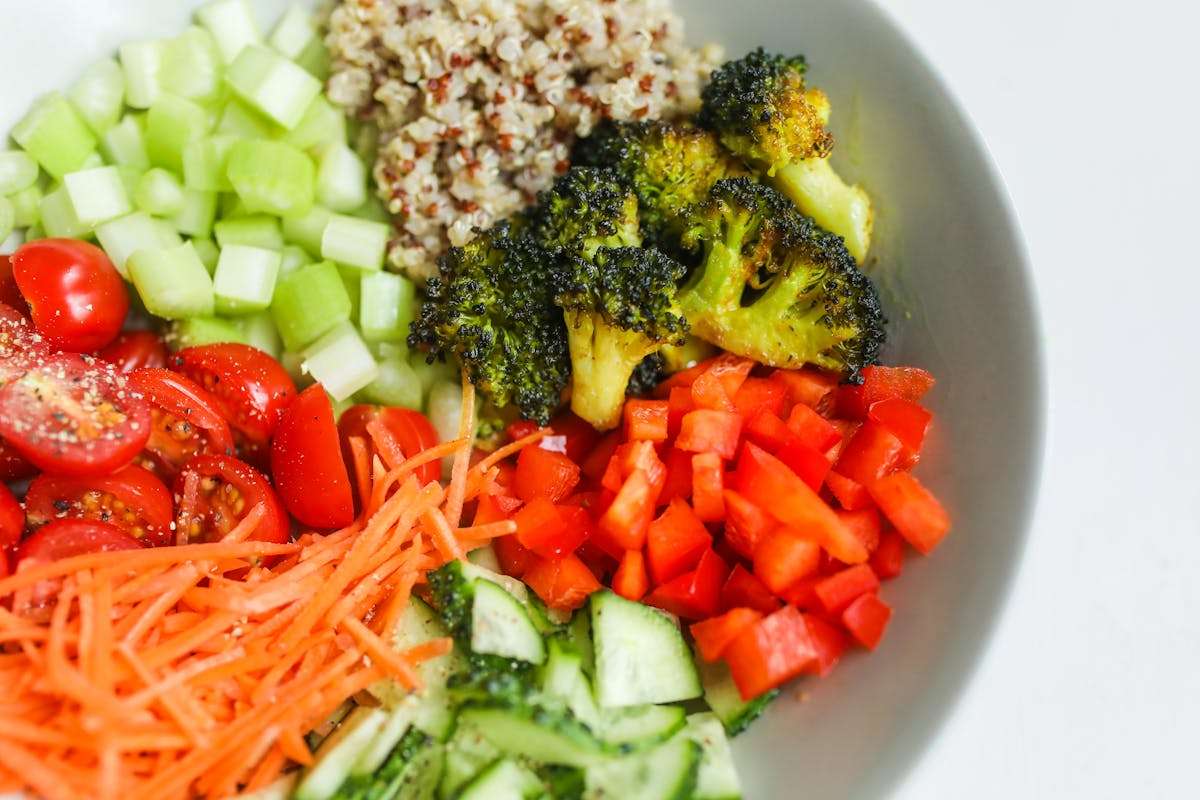
It may be hard for some people to avoid ultra-processed foods completely. These foods are often cheaper, easier to find, and faster to prepare than fresh foods. However, eating them less often can still help. Simple changes can include choosing fresh fruit instead of packaged sweets, drinking water instead of sugary drinks, cooking more meals at home, and choosing foods with fewer added ingredients. Reading food labels can also help. Foods with very long ingredient lists, added sugar, artificial flavors, and many hard-to-understand ingredients may be ultra-processed. Healthier choices can include fresh fruits and vegetables, beans, lentils, whole grains, eggs, fish, chicken, plain yogurt, nuts, seeds, home-cooked meals, water, milk, and drinks without added sugar. Making healthier food choices can be difficult when money, time, and food choices are limited. However, learning about simple and low-cost food options can help people make better choices.
Why Food Processing Matters
Ultra-processed foods are common because they are easy, cheap, and quick to eat. However, eating them too often may increase the risk of weight gain, diabetes, high blood pressure, high cholesterol, heart disease, and other long-term health problems. The way ultra-processed foods are made may matter as much as what they contain. Choosing more fresh, simple, and home-cooked foods may help people improve their diet and support better health over time. Small changes can make a difference.