Choosing the right type of cardio exercise is extremely essential for maintaining long-term health and achieving personal fitness success. For many years, running has been praised as an ultimate way to stay in shape. However, running may not always be the best choice for every human body. Many fitness experts now agree that walking offers incredible advantages over running for specific individuals.
According to scientific studies, walking provides many of the exact same cardiovascular benefits as running. As per a health article published on WebMD, walking can significantly lower the risk of high blood pressure, high cholesterol and diabetes just as effectively as jogging. The key factor is the total amount of energy you expend rather than how fast you move. Therefore, you don't need excessive, hard-core workouts to protect your long-term heart health. Furthermore, walking allows you to achieve these health milestones safely and comfortably at your own pace.
Drastically Lowering The Risk Of Joint Pain & Injury
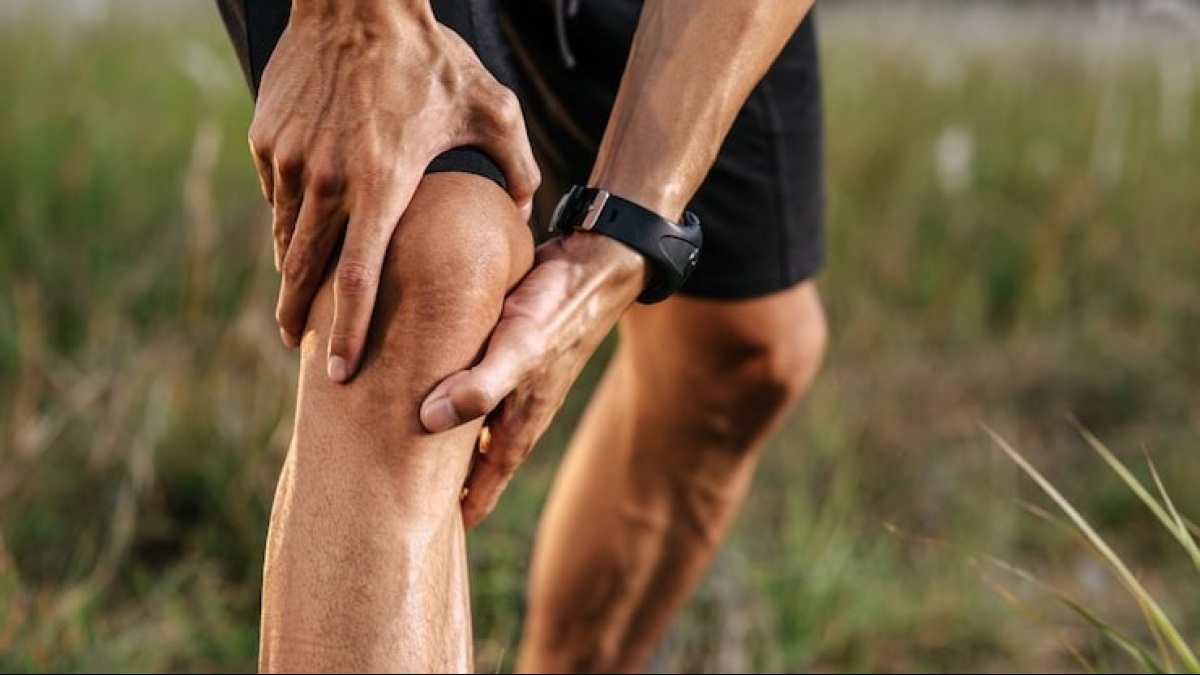
Low-impact exercise options like walking makes significantly less physical stress on the physical muscles and skeletal joints. When you run, your joints must absorb a force equal to three times your body weight with every single stride. This repetitive pounding often results in common injuries like shin splints, stress fractures and runner’s knee. On the other hand, walking keeps at least one foot on the ground at all times to cushion your movement. This makes a walking the ideal lifelong fitness choice for anyone who has sensitive knees or old injuries.
Protecting and maintaining your skeletal system becomes extremely necessary as your body ages naturally over time. Older patients who choose to walk over running can naturally maintain their mobility without risking sudden joint damage. As per the clinical data available from the Mayo Clinic, running can have an impact on serious conditions like osteoarthritis. Walking gently moves the joints, lubricating them and reducing daily stiffness. By choosing safe workouts for bad knees, you ensure that you can stay active well into your senior years.
It must be remembered that less injury means you will not have to take long breaks from your fitness routine. Runners frequently have to stop training for weeks together to allow the pulled muscles or sore tendons to heal naturally. Whereas, walkers rarely experience severe muscle strains that disrupt their healthy daily habits. This safety factor allows you to build a steady, uninterrupted exercise schedule week after week. Ultimately, staying injury-free is the fastest way to hit your personal health goals.
Better Stress Management
Walking acts as a natural stress reliever that keeps your body’s hormones balanced. Intense running is a form of physical stress that triggers a temporary spike in cortisol ( stress hormone). If you are the one who is already dealing with chronic life stress, extra cortisol can leave you feeling completely exhausted. A peaceful walk keeps your heart rate in a gentle, restorative zone. This lower-intensity movement burns fat without sending panic signals to your central nervous system.
When the cortisol hormones remain low, your body can heal and recover much more efficiently. High cortisol from over-exercising can actually cause your body to hold onto stubborn belly fat. Walking is beneficial as it will encourage the steady release of mood-boosting endorphins without the negative hormonal crash. Many people find that a long walk leaves them feeling energized rather than physically drained. Therefore, walking to get relief from your stress is considered a superior choice for individuals who are undergoing or managing adrenal fatigue or high daily stress.
Additionally, lower stress exercise helps to improve the sleep cycle into a regular pattern. Intensive running can leave your nervous system too stimulated to rest properly. Walking outdoors, especially in natural spaces, prepares your mind and body for getting a deep sleep. Better sleep further regulates your metabolic health and lowers your risk of chronic diseases. Choosing a calmer workout path and regularly following it helps you to achieve true balance and mental clarity.
Also Read: Why Does Reading Before Bed Helps You Sleep
Helpful In Weight Loss Journey & Controlling Unnecessary Cravings
Walking serves as a highly effective tool for maintaining weight and fat burning. Running burns a large number of calories quickly, but it also triggers intense post-workout hunger. This sudden spike in appetite often leads people to the path of overeating, thus exceeding their normal calories intake. Walking for weight loss burns fat steadily while keeping your body’s natural weight makes you perfectly stable. It helps you to lose weight without forcing you to battle constant food cravings all day long.
Another thing to keep in mind while losing weight is "remaining consistent is essential in the entire journey." Because walking is easy on the body, you can comfortably do it every single day. On the other hand, running requires significant recovery time, which often leads to skipped workouts and inconsistent habits. You can easily walk for an hour while listening to your favourite music or a podcast. This ease of repetition helps you to burn a high volume of calories over the entire week.
Medical insights from Healthline suggests that power walking at a brisk pace helps in maximizing your metabolic fat-burning potential. Many people even prefer to walk on an incline or wear a weighted vest, which further helps to boost your total calories burn. This allows you to customize your workout intensity without risking joint pain or extreme fatigue. For people with slower metabolism, walking also offers a gentle way to wake up the body. With this, it turns weight loss into an enjoyable, lifelong lifestyle change rather than a painful chore.

Blood Sugar Regulation After Meals
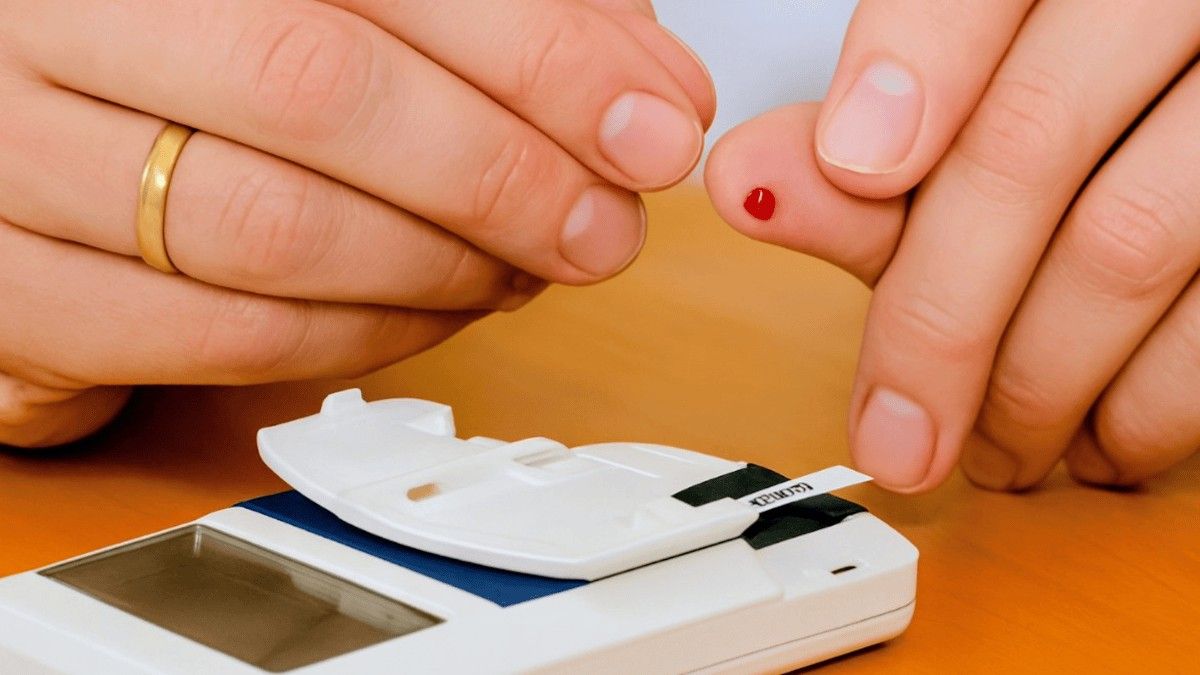
A short post-meal walk is one of the best ways to manage your blood sugar levels. When you eat, your blood glucose naturally rises as your body digests the food. Health experts suggest that taking a 15-minute walk right after a meal clears glucose from your bloodstream quickly. Whereas, running immediately after eating can cause severe stomach cramps and digestive issues later on.
This simple post-meal habit is incredibly beneficial for individuals who are managing type 2 diabetes or insulin resistance. Steady, low-impact movement improves insulin sensitivity far better than an erratic, stressful workout routine. It allows your cells to absorb glucose efficiently without requiring a massive surge of insulin. According to the Harvard T.H. Chan School of Public Health, regular walking keeps your metabolic health on a safe track. Preventing sharp sugar cravings also stops the sudden energy slumps that lead to unhealthy snacking.
Also, the habit of walking also acts as an "aid" to your overall digestion power by physically stimulating the gastrointestinal tract. This gentle movement helps move food smoothly through your stomach and reduces bloating or acid reflux. Health experts do not recommend a post-meal jog as it would jolt your digestive organs too violently, causing nausea or discomfort. Consistently maintaining a habit of taking three short walks a day can transform your metabolic wellness. It proves that timing and consistency matters much more than raw exercise intensity.
Also Read: How Watching Sunsets Can Improve Health
Which One Is Better For You?
The best exercise program is always the one you will actually stick with over time. Running requires a lot of mental preparation, requiring specific athletic gear or the comfort of ideal weather conditions. Walking requires zero special equipment other than a supportive pair of walking shoes. You can smoothly walk while on a lunch break, or your morning commute or your evening wind-down. This unmatched flexibility makes walking an absolutely easy habit to maintain for decades.
Many people eventually choose to quit running as it feels too physically punishing or mentally exhausting. On the other hand, walking is an inherently pleasant activity that you can look forward to each day. Not only this, it allows you to explore your local neighbour or connect with your surrounding nature while improving your health. Because it does not leave you breathless, walking can double as a fun social activity with family and friends. It is to be noted that when an exercise feels like a reward rather than a punishment, you rarely skip it.
Finally, building a consistent workout routine around walking is perfectly accessible to individuals of all fitness levels and body types. If you are struggling with excess weight, running can feel feel overwhelming to your heart and skeletal joints. But, walking is considered a better choice as it provides a safe, welcoming entry point to help you build foundational cardiovascular endurance. You can start it simply by taking out 10 minutes from your everyday routine as it will help to build your stamina gradually without fear. This long-term accessibility makes walking the ultimate champion for maintaining sustainable, lifelong fitness and health.