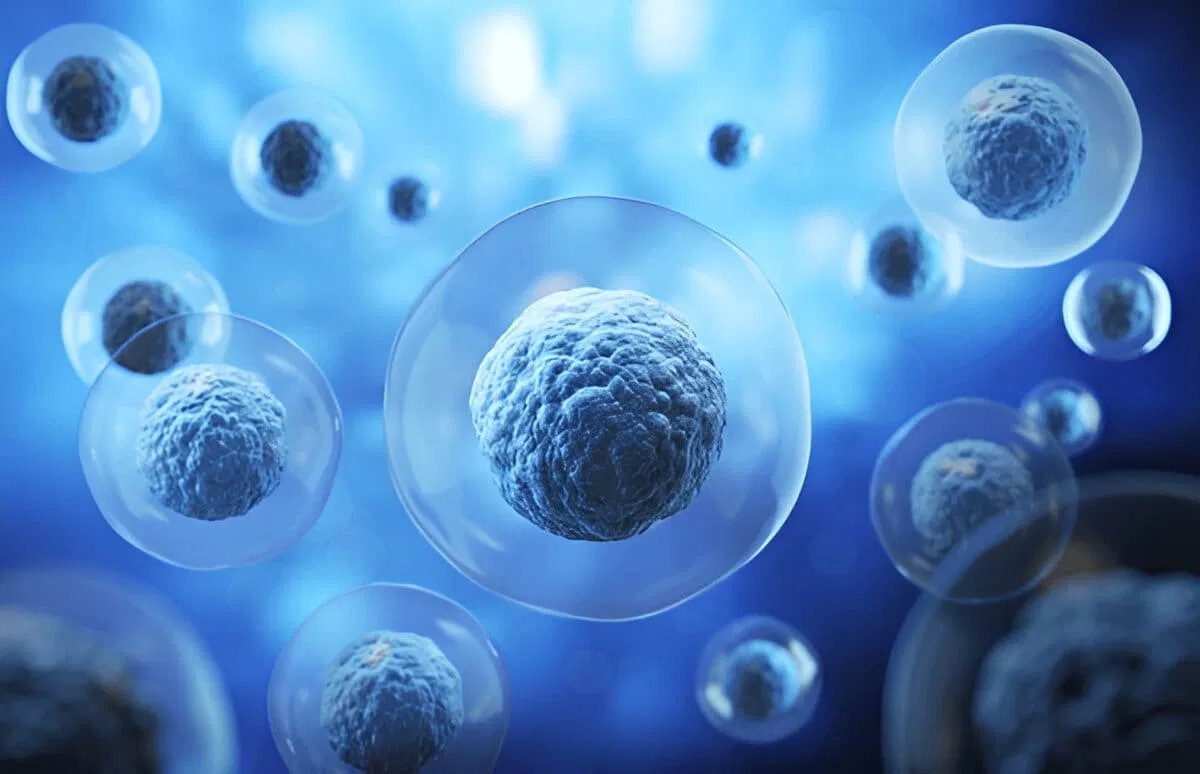
Autophagy was an alien term for many of us until Yoshinori Ohsumi got the Nobel Prize in Physiology or Medicine in 2016 for his groundbreaking discoveries of the mechanisms of autophagy. Some of us are still unaware of it, and that's okay. We often hear that human existence is a miracle, with billions of cells working nonstop, dividing, repairing, and wearing down every single day.
Over time, proteins misfold, mitochondria lose efficiency, and cellular waste starts piling up. When left unchecked, it can speed up aging and raise the risk of chronic conditions like heart diseases, diabetes, and neurodegenerative disorders. And that's where our built-in process of autophagy helps cells manage their internal mechanisms.
While autophagy might have become a wellness keyword, with social media claims of curing chronic diseases with 16-hour magic fasting, science tells a balanced story. Though autophagy is important for health, its effects vary widely depending on context, dosage, and individual health. Thus, you should always know when it helps and when it turns harmful before going all-in.
Also read || How AI Is Fixing Medicine's Broken Information Gap
What is Autophagy?

Autophagy is derived from a Greek word which literally means self-eating, though it's not as dangerous as it sounds. In the process of autophagy, damaged proteins, worn-out structures, and malfunctioning organelles are identified by cells before being broken down into reusable parts. These recycled materials get reused for energy production or new cellular components, which helps your whole system stay efficient and clean.
It runs continuously through a person's life, even during ordinary, low-stress situations. When you fast, do exercise for a long time, restrict your calories, or get sick, your body shifts priority away from growth. At this point, the body's primary goal is to repair and maintain. It's not a simple on-off switch but a finely tuned dial, which is shaped by age, hormones, genetics, nutrition, and overall health profile.
Yoshinori Ohsumi's success in uncovering the molecular mechanisms driving autophagy triggered a research boom. Researchers and scientists worked on subsequent studies and linked the process to aging, metabolism, immune defense, cardiovascular disease, neurodegenerative disorders, and even cancer. However, the bigger challenge is translating lab findings into confirmed human health guidance, which is still far away.
Also read || Why Is Walking Better Than Running For Some People
When is it good for you?
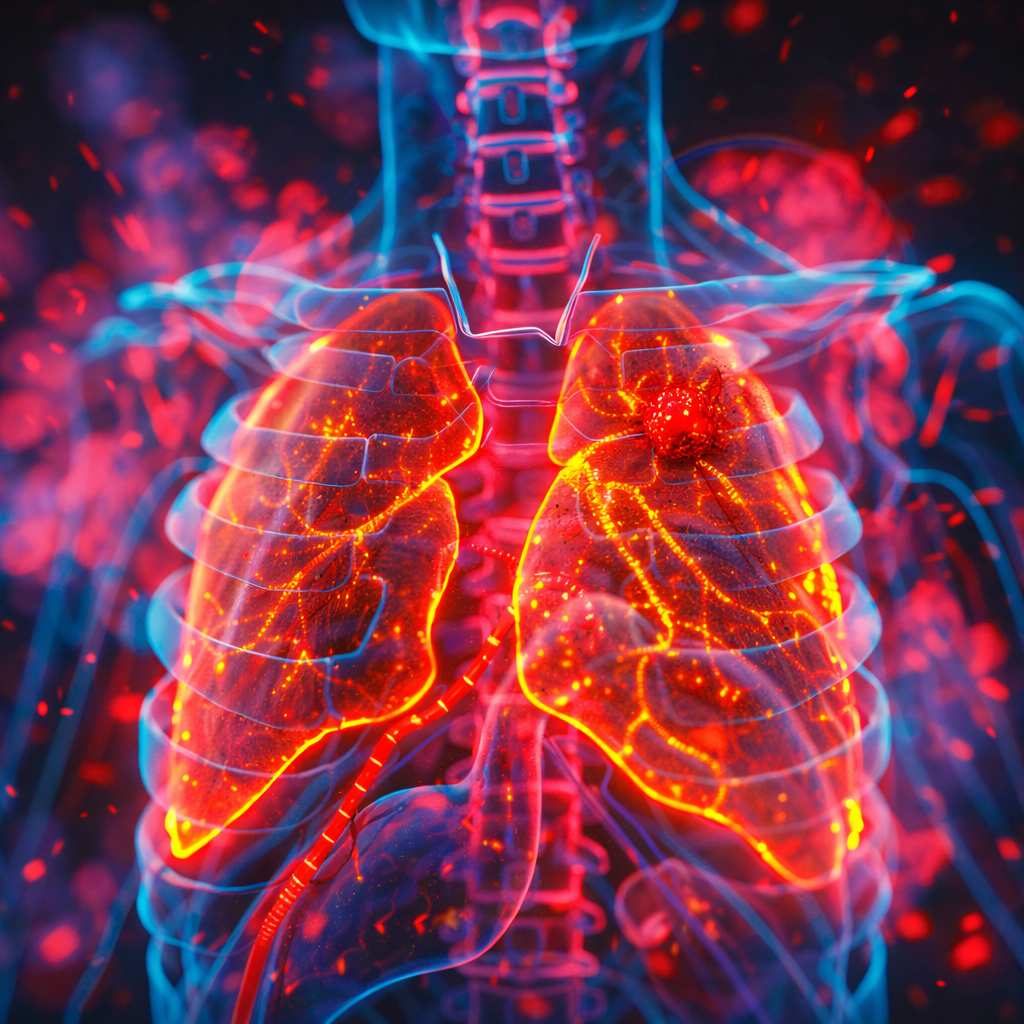
Cells constantly generate damaged proteins and worn mitochondria, which can produce harmful reactive oxygen species if left alone, and that's where autophagy does its most reliable work. You don't have to do anything. When these faulty components are cleared by autophagy, it reduces cellular stress. As a result, tissues function smoothly. This is a primary reason why researchers compare autophagy to an internal maintenance crew working 24 by 7.
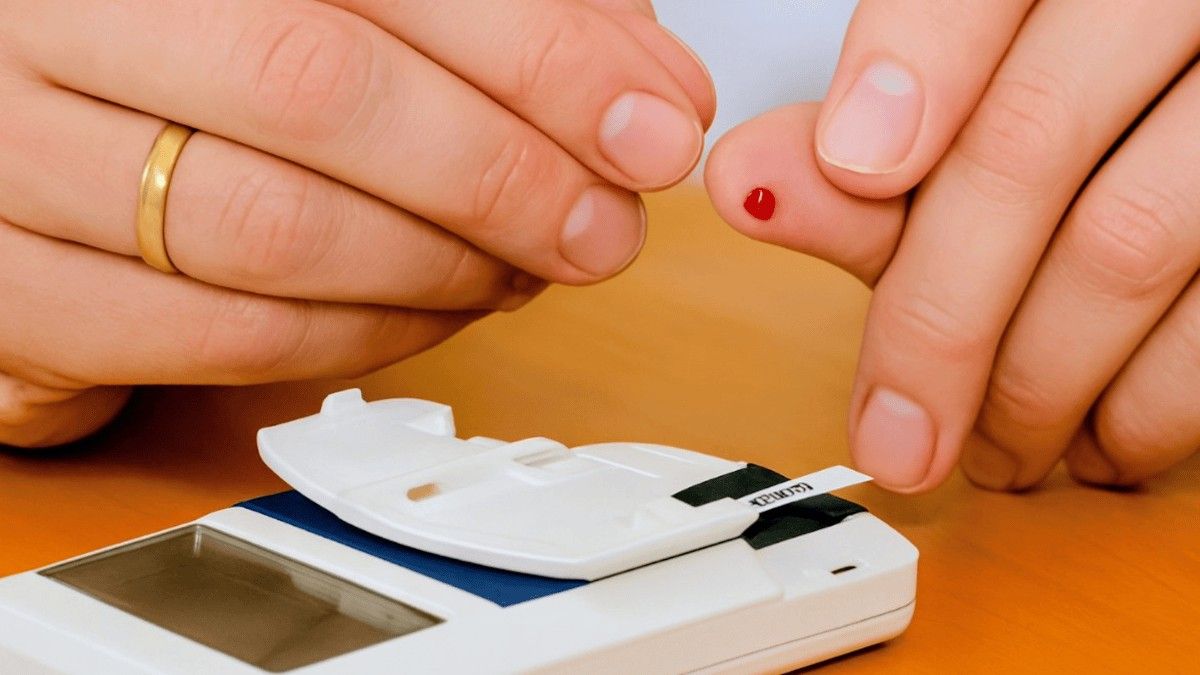
Healthy autophagy activity benefits your metabolic health. It regulates your blood sugar, improves insulin sensitivity, and supports liver function by clearing excess fat and damaged structures from cells. There are clinical studies on intermittent fasting and time-restricted eating, showing improvements in body weight, glucose control, and cardiac health. However, these gains are a combination of multiple biological changes, and not autophagy in isolation.
Aging is inversely proportional to autophagy, as aging allows cellular debris to accumulate and contribute to diseases like Alzheimer's and heart disorders. While there are not enough clinical trials for humans, efficient autophagy extends lifespan in animals. Our immune system relies on this internal process to clear toxins and prevent inflammation. In the near future, we can expect autophagy-targeted therapies to treat autoimmune disorders and infections.
Also read || How Watching Sunsets Can Improve Your Health and Wellbeing
When is it bad for you?
Logically, you might think that more autophagy activity means better repair and maintenance, but that's not entirely true. The human body is not a machine, and it needs balance. Prolonged autophagy leads to muscle breakdown, nutrient deficiency, fatigue, and reduced physical performance. So, if you're underweight, old, or already protein-deficient, it won't be good for you.
In cancer patients, before tumors are formed, autophagy helps protect cells by clearing damaged DNA and reducing chronic inflammation, which lowers mutation risk. However, once the disease is established, tumor cells can hijack the autophagy process to survive stress and resist chemotherapy. So, it can be a major risk for anyone who's fighting a life-threatening disease.
While fasting has its benefits, it is not ideal for people managing diabetes, chronic kidney disease, pregnancy, or those who already have eating disorders. They can fast provided they're advised by their doctors. In such situations, cellular benefits are usually outweighed by very real, immediate health risks that deserve serious attention.
Although researchers are now developing autophagy-boosting and blocking treatments, depending on diseases and stages, one must be aware of one's body and requirements. There are online myths that show autophagy like an on-off switch, but there's no evidence-backed science. Scientists still can't measure autophagy direction in most living tissues using standard clinical tests, implying most viral online content is either fake or speculative.
Also read || Can’t Stick To Diets? This Low-Carb Diet Is Different
What does the data show?

With thousands of published papers on aging, metabolism, cancer, cardiovascular disease, and immune health, the interest in human longevity has exploded. However, most of the information available comes from worms, yeasts, mice, and lab-grown cells rather than living humans. Since autophagy is hard to observe directly, researchers are relying on indirect biomarkers instead.
Indirect biomarkers such as protein levels, blood levels, Beclin-1, or cell workarounds give some idea of autophagy. In recent systematic reviews, intermittent fasting and calorie resticted showed improvement in body weight, insulin sensitivity, blood pressure, and inflammation. Despite these results, experts conclude there's not enough evidence to recommend fasting to boost autophagy or prevent chronic disease.
Also read || Is It Chronic Stress Or Avoidance?
What can you do about it?

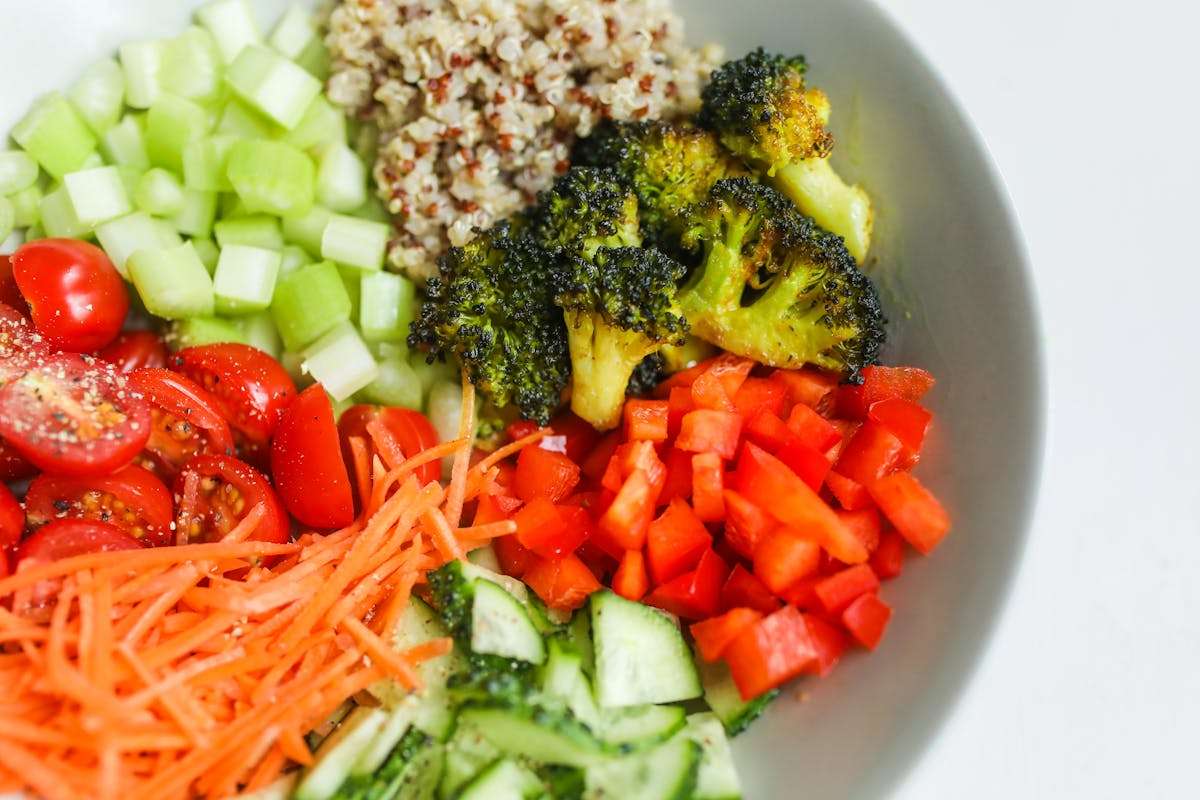
There are no shortcuts to good health, so instead of chasing autophagy, one should focus on lifestyle habits that support healthy cellular function naturally. Consistent sleep, regular exercise, a balanced diet, and weight management can be more than enough for many people, rather than following a trend that might or might not be great for you.
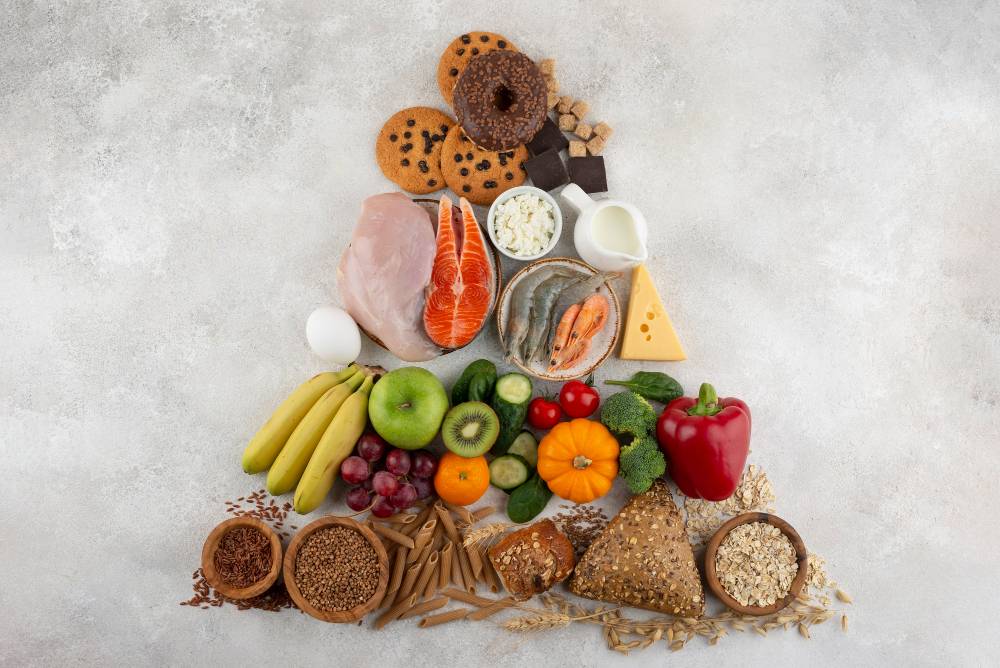
If intermittent fasting genuinely interests you, approach it with real caution and realistic expectations. Since every physique is unique, picking an eating pattern that actually fulfils their needs is better than any health guru or eating protocol. Your body needs a balance of fats, vitamins, minerals, protein, fiber, and carbohydrates to function efficiently. So, before making any changes in your lifestyle, consult a healthcare professional.