Smartphones, laptops, tablets, and smartwatches have become essential parts of our daily lives. We use them for work, study, communication, shopping, and entertainment. While many people know that excessive screen time can affect mental health, fewer realize that it can also cause surprising physical changes to the body.
These changes often develop gradually, making them easy to ignore until symptoms such as neck pain, blurred vision, poor posture, or weaker grip strength begin to appear. Health experts now warn that spending long hours using digital devices may contribute to several physical health problems. Fortunately, most of these issues can be prevented by developing a few simple, healthy habits.
Tech Neck: A Growing Health Concern

One of the most common physical effects of prolonged smartphone use is tech neck, a condition caused by repeatedly bending the head forward while looking at phones, tablets, or laptops. When the head tilts downward, the neck must support much more weight than it normally does.
Although the average adult human head weighs about 10–12 pounds (4.5–5.5 kg), tilting it forward at a steep angle can place as much as 60 pounds (27 kg) of force on the neck. Over time, this repeated strain places excessive stress on the muscles, joints, ligaments, and spinal discs.
People with tech neck often experience neck and shoulder pain, muscle stiffness, headaches, poor posture, reduced flexibility, and upper back pain. If left untreated, the condition may even change the natural curve of the spine. Poor posture can also reduce breathing efficiency by limiting the expansion of the chest.
How to Prevent Tech Neck
Preventing tech neck begins with maintaining good posture while using digital devices. Hold your phone at eye level instead of looking down, and position your computer monitor so that the top of the screen is at or slightly below eye level. Sit upright with your back supported and your shoulders relaxed.
It is also important to take regular screen breaks, stretch your neck and shoulders throughout the day, and perform exercises that strengthen your neck, back, and core muscles. These simple habits help reduce strain on the spine and lower the risk of developing tech neck.
Also Read: Why Checking Your Phone First Thing in the Morning Matters
Can Technology Cause Wrinkles?

Another concern linked to prolonged device use is the appearance of horizontal neck lines, commonly known as tech neck wrinkles. Dermatologists explain that repeatedly bending the neck creates folds in the skin, and over many years these repeated movements, together with the natural aging process, may contribute to wrinkle formation. However, there is currently little scientific evidence showing that smartphones directly cause neck wrinkles.
Instead, age, genetics, sun exposure, smoking, and overall skin health remain the main factors that influence the development of wrinkles. Rather than relying on expensive products marketed specifically for "tech neck," experts recommend maintaining good posture and following a consistent skincare routine. Keeping the skin well hydrated, using moisturizer, and applying sunscreen every day are among the most effective ways to support healthy skin and reduce premature aging.
Smartwatches and Skin Irritation
Smartwatches have become increasingly popular because they offer convenient features such as fitness tracking, heart rate monitoring, and instant notifications. However, wearing a smartwatch continuously without removing it can sometimes cause skin problems. The area beneath the watch can become warm, moist, and sweaty, creating an ideal environment for bacteria and yeast to grow.
As a result, some people may develop skin irritation, rashes, contact dermatitis, or eczema. Others may experience allergic reactions to materials commonly used in watchbands or watch components, including nickel, rubber, latex, or certain adhesives. Although these problems are usually mild, they can become more serious if the skin remains irritated for a long time or if the watch is not cleaned regularly.
How to Protect Your Skin
Protecting your skin while wearing a smartwatch is simple. Experts recommend removing the watch periodically to allow the skin to dry and recover. Washing and thoroughly drying your wrist every day can help prevent irritation, while cleaning the watch strap regularly removes sweat, dirt, and bacteria that accumulate over time.
If you wear your smartwatch for long periods, loosening the strap slightly can improve airflow. People with sensitive skin may also benefit from using a hypoallergenic watchband or applying a protective barrier cream if recommended by a healthcare professional. These simple habits help keep the skin healthy and comfortable.
Technology and Your Eyes

Cases of myopia, also known as short-sightedness, have increased dramatically in many parts of the world over recent decades. Because smartphones and other digital devices are used so frequently, many people assume that screens are the main cause. However, research suggests that the relationship is more complex.
Studies indicate that prolonged close-up work, including reading books as well as using digital screens, may contribute to the development of myopia, particularly in children who are already at risk. One of the strongest protective factors is spending enough time outdoors.
Exposure to natural daylight stimulates the release of dopamine in the retina, which helps regulate healthy eye growth during childhood. Since digital technology often encourages people to spend more time indoors, it may indirectly contribute to the increasing prevalence of myopia by reducing time spent outside.
Other Eye Problems Caused by Screens
Although screens may not directly cause myopia, they can contribute to digital eye strain, also known as computer vision syndrome. Looking at screens for long periods without taking breaks reduces the frequency of blinking, causing the eyes to become dry and tired.
Common symptoms include blurred vision, dry or irritated eyes, eye fatigue, headaches, difficulty focusing, watery eyes, and discomfort in the neck and shoulders. These symptoms are usually temporary and often improve after resting the eyes, although they may become more noticeable as screen time increases.
How to Protect Your Eyes
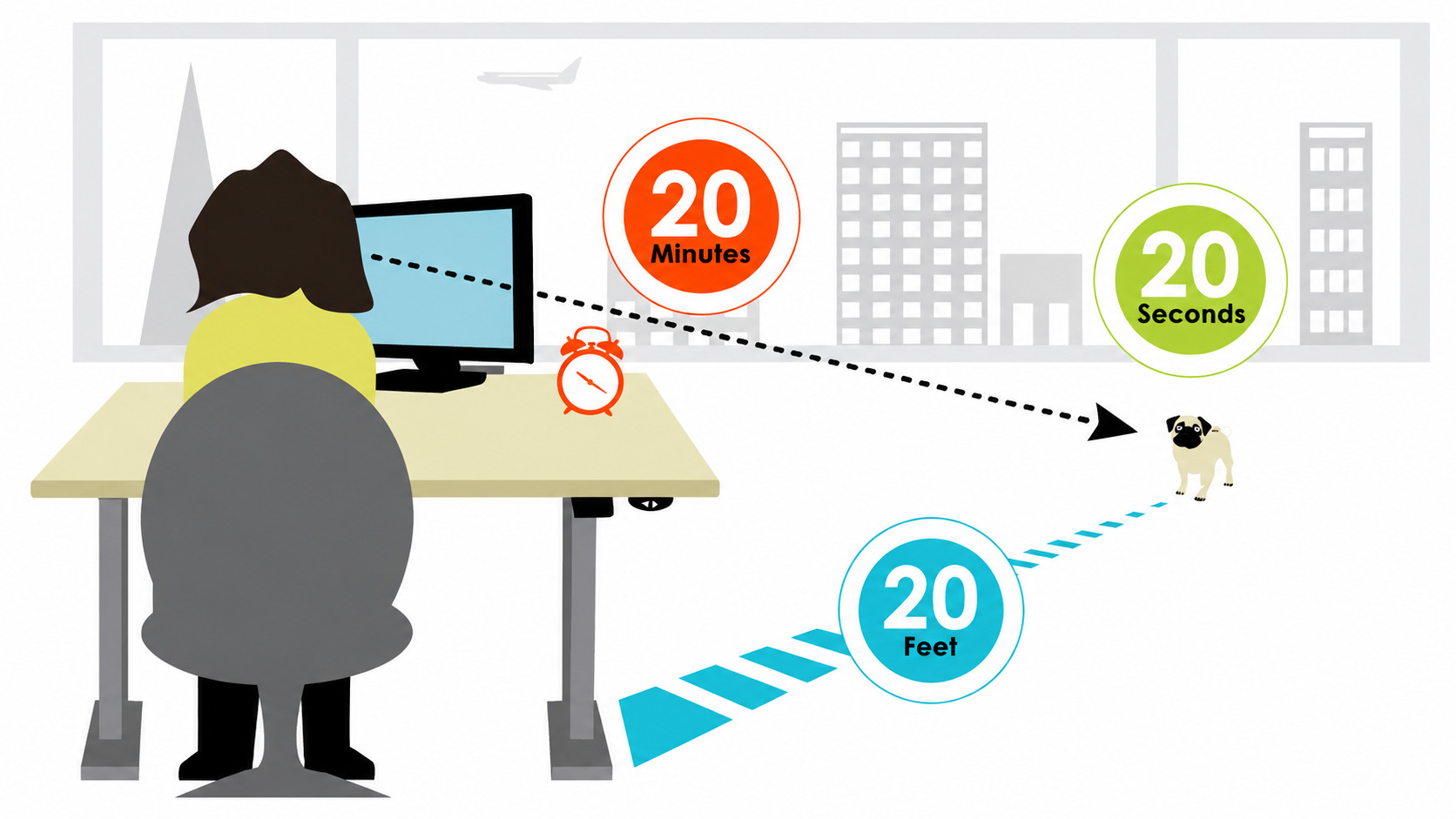
Fortunately, there are several simple ways to reduce eye strain and support healthy vision. Spending more time outdoors each day, especially for children, is one of the most effective strategies. While using digital devices, it is helpful to follow the 20-20-20 rule, which means that every 20 minutes you should look at something about 20 feet (6 meters) away for at least 20 seconds. This allows the eye muscles to relax and reduces fatigue.
It is also important to blink frequently to keep the eyes moist, position screens at a comfortable viewing distance with the top of the screen at or slightly below eye level, adjust screen brightness to match the surrounding light, and reduce glare. When outdoors, wearing sunglasses that block ultraviolet (UV) rays and applying sunscreen around exposed skin help protect both the eyes and the delicate skin surrounding them.
Weak Hands and Reduced Grip Strength
Grip strength is increasingly recognized as an important indicator of overall health. Research shows that people with stronger grip strength often have better physical function and may even have a lower risk of certain health problems and premature death.
Although grip strength naturally declines with age, studies suggest that it has also been decreasing among younger people in many countries. One possible reason is the increasingly sedentary lifestyle of modern society. Many people spend much of their day typing on keyboards, tapping on smartphones, or using touchscreens instead of participating in activities that strengthen the muscles of the hands and forearms.
As a result, these muscles may not receive enough regular exercise to maintain their strength. Reduced grip strength can make everyday tasks more difficult, from carrying heavy shopping bags and opening jars to participating in sports and performing manual work. It may also reduce overall physical function and independence later in life.
Improving Grip Strength

Fortunately, grip strength can be improved through regular exercise and everyday activities that challenge the hands and forearms. Strength-training exercises such as wrist curls, farmer's carries, and dead hangs help build stronger hands and forearms. Simply squeezing a tennis ball or a hand gripper for 15–30 seconds at a time is another effective exercise that can easily be performed at home.
Everyday activities such as gardening, rock climbing, carrying groceries, lifting and moving household items, and using hand tools also strengthen the muscles of the hands and forearms. Maintaining overall physical fitness through regular exercise further contributes to stronger grip strength and better hand function.
Also Read: What Addiction Does to the Brain
Technology and Motor Skills
Motor skills enable the brain and body to work together to perform the precise movements needed for everyday tasks. While technology can improve certain digital skills, such as typing, tapping, and swiping, excessive screen time may reduce opportunities to develop broader fine motor skills, particularly in young children.
Children who spend long hours using digital devices often have less time for activities that improve hand coordination, dexterity, and finger control. These activities include drawing, painting, handwriting, building with blocks or construction toys, arts and crafts, playing musical instruments, cooking, and other forms of hands-on play.
Research suggests that well-developed motor skills are closely connected to learning, memory, language development, problem-solving, and academic achievement. Hands-on activities not only strengthen the muscles of the hands but also help the brain develop its ability to plan, coordinate, and control movement.
Keeping Your Hands Active

Experts do not recommend eliminating digital devices altogether. Instead, they encourage maintaining a healthy balance between screen time and hands-on activities. Activities such as cooking, woodworking, gardening, sewing, knitting, pottery, playing musical instruments, handwriting, drawing, and arts and crafts all help improve fine motor skills while strengthening the hands and fingers.
Board games, puzzles, and building models also encourage coordination, concentration, and problem-solving. For children, unstructured play with building blocks, clay, puzzles, and outdoor activities provides valuable opportunities to develop motor skills naturally.
For adults, hobbies that require manual skill help maintain hand strength and coordination throughout life. By using our hands in many different ways every day, we not only strengthen our muscles but also support healthy brain function, improve coordination, and preserve the skills needed for everyday life.
Finding a Healthy Balance
Technology has transformed the way we live by making communication, education, work, and entertainment more convenient than ever before. Smartphones, computers, tablets, and wearable devices are valuable tools that help us stay connected and productive. However, spending long hours using these devices without healthy habits can gradually affect our posture, vision, skin, muscle strength, and motor skills. The encouraging news is that most of these problems are preventable.
Small changes to our daily routines, such as holding devices at eye level, taking regular screen breaks, spending more time outdoors, exercising regularly, strengthening the hands and forearms, and making time for hands-on activities, can greatly reduce the physical effects of prolonged technology use. It is also important to remember that technology itself is not the problem. The real issue is how we use it. Digital devices have improved many aspects of modern life, and there is no need to avoid them completely. Instead, we should learn to use them wisely and in moderation.
Developing healthy habits today can help prevent discomfort and injury in the future. By paying attention to our posture, protecting our eyes and skin, staying physically active, and balancing screen time with real-world activities, we can continue to enjoy the many benefits of technology while protecting our long-term health. As technology continues to evolve, so should our habits. Making small, consistent changes every day will help ensure that our devices improve our lives without negatively affecting our bodies.