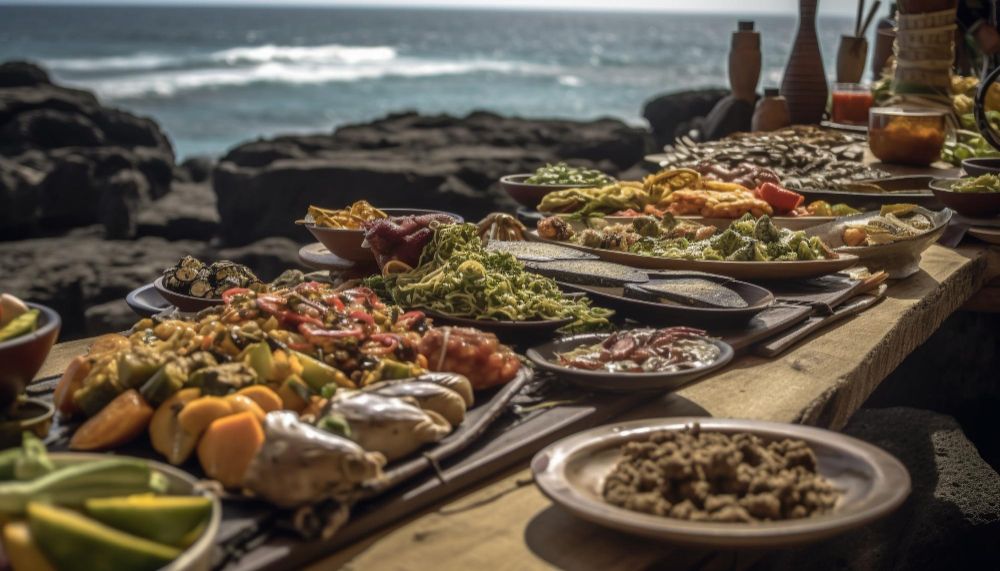
Vegetarianism is not a marketing gimmick. Long before we see campaigns vilifying non-vegetarians, entire civilizations ate vegetarian foods out of necessity, faith, or plain good sense. From modern-day Iraq to Buddhist temples, there were dishes made of grains, legumes, and vegetables because that's what people had access to at that time. Years went by; those dishes are still on our plates and still doing the job without a reinvention or rebranding of the food.
Choosing vegetarian foods was not a trend in older times. People used to go meat-free for various reasons. For instance, Hinduism and Jainism endorse non-violence toward living beings, and that was reflected in their dietary habits. The Buddhist monks across Asia built entire cuisines around their spritual discipline. Similarly, Egypt and Mesopotamia used to consume grains and legumes as they were easy to grow and store as compared to livestock. So, vegetarian food was a pragmatic answer to many problems, and not merely a lifestyle change.
Also read || 10 Viking Foods We Still Eat Today
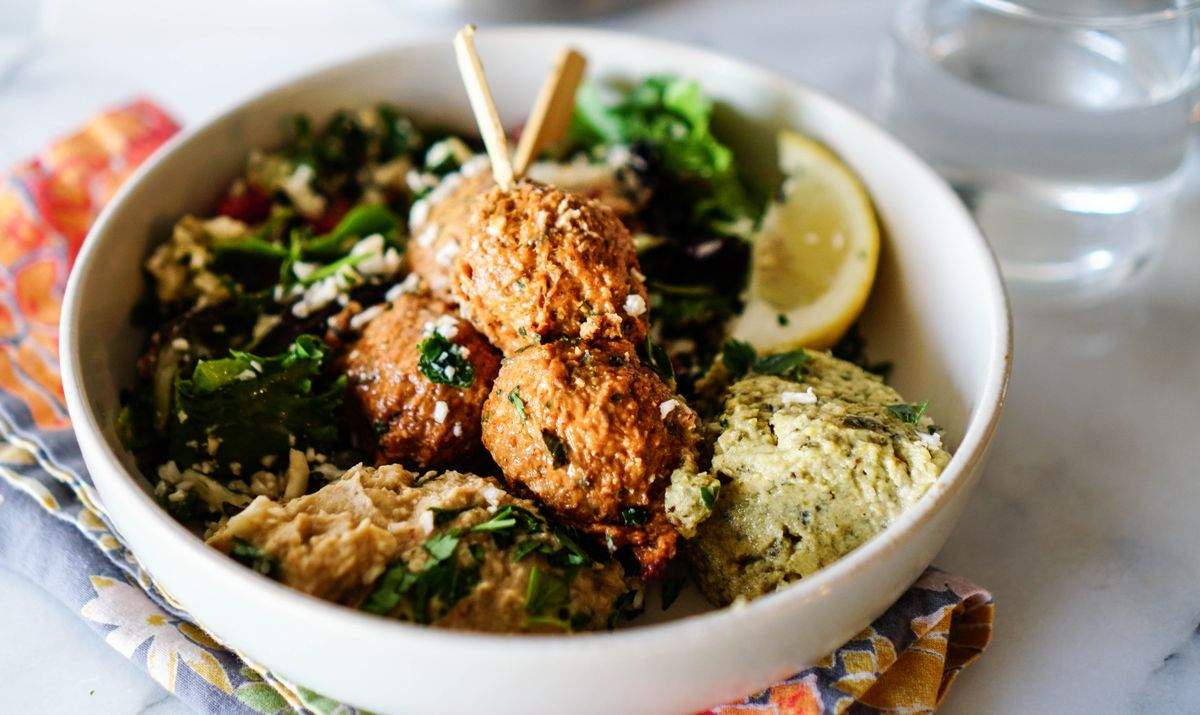
Falafel (Egypt)

Around 1000 years ago, Ancient Egyptians started Falafel as a meat substitute during 40-day religious fasting periods of Lent. Originally, it was made with fava beans. However, as the dish spread across the region, people started using chickpeas, which eventually became the norm. Falafel became one of the best ground, spiced, and deep-fried street foods, which you can find in most parts of the world.
Lentil Stew (Mesopotamia)
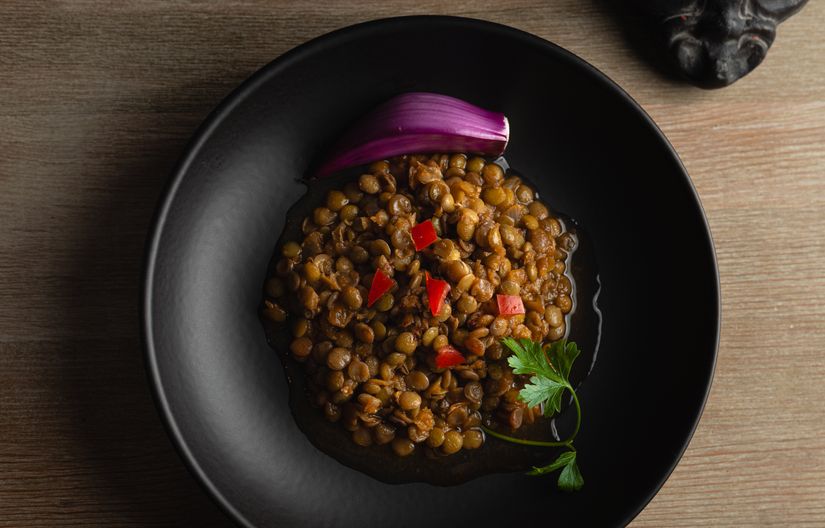
Lentil stew originated in Mesopotamia over 4,000 years ago and was an everyday dietary staple for Assyrians and Babylonians. The recipe is actually recorded in the oldest cookbooks known to historians, called the Yale Babylonian Tablets. And just like any dish, it split into countless regional versions, from thick Middle Eastern stews to Indian dal, but the formula stays the same. It's a perfect combination of lentils, aromatics, and patience.
Koshari (Egypt)
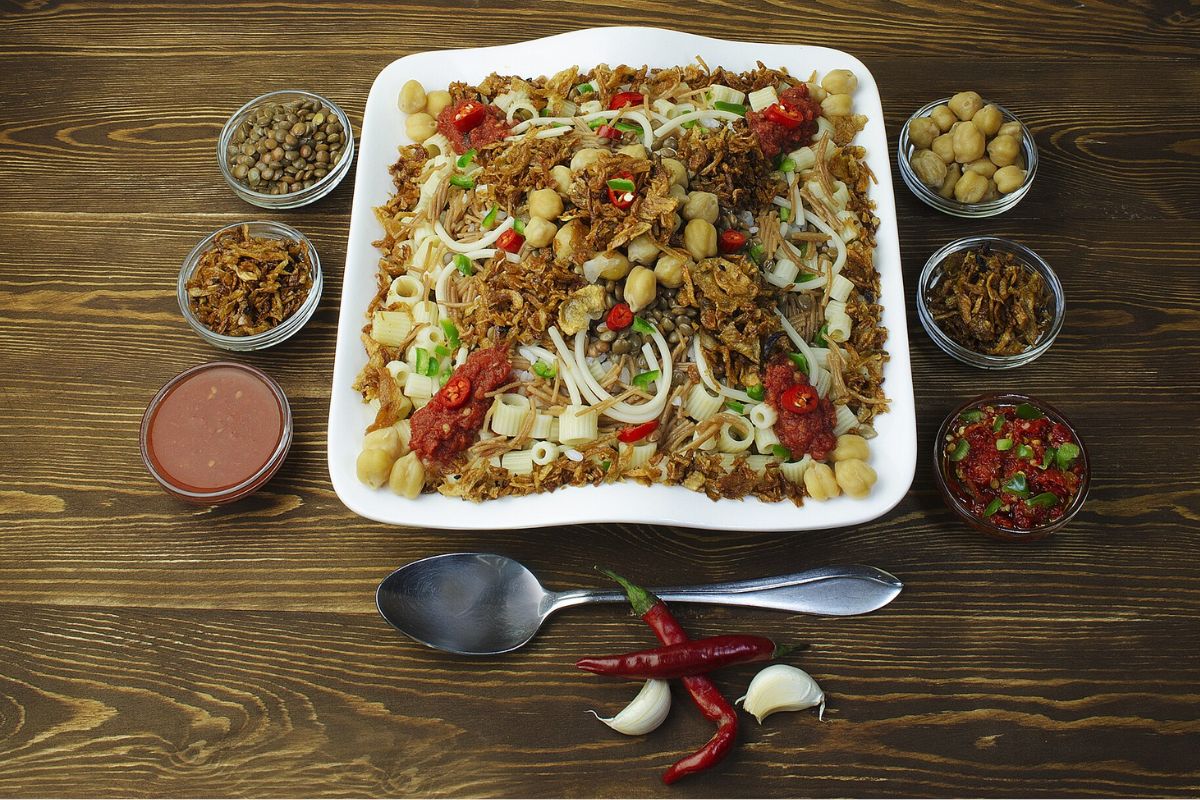
Koshari is an ancient Egyptian staple that was popularized in the 19th century and, interestingly, is called the national dish of Egypt today. While the current form of Koshari evolved recently, the base is much older. Lentils and rice were always a part of the Egyptian everyday diet, before anyone piled them with chickpeas, spiced tomato sauce, and crisp fried onions. So, if you are a vegan, Koshari could be among the most economical, authentic, and filling Egyptian foods you can find near every corner of Cairo.
Also read || 7 Comfort Foods You Can Make Healthier
Miso Soup (Japan)
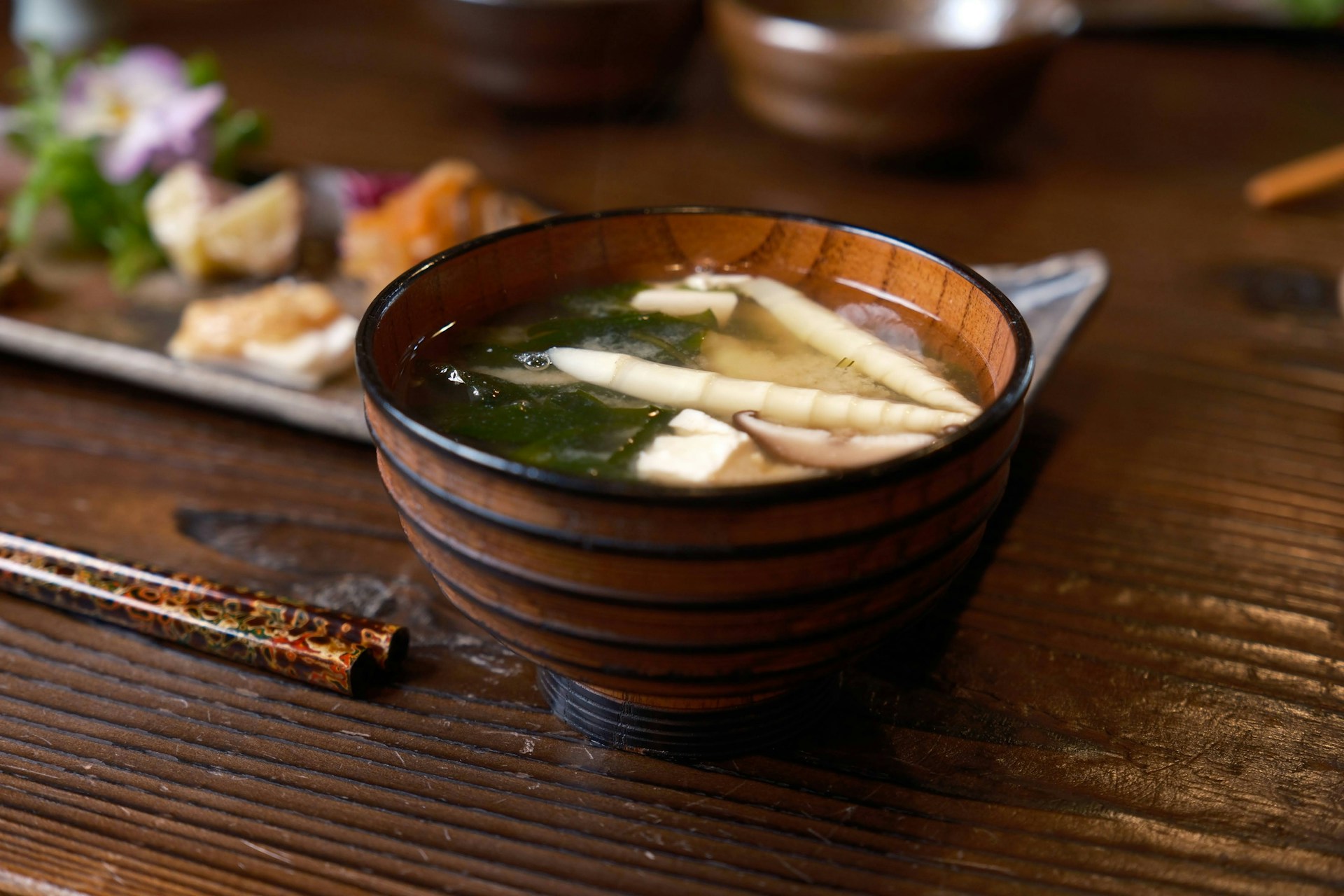
Somewhere between 794 and 1185 CE, Japan was in the Heian period, which Chinese culture, Buddhism, Taoism, and Shinto traditions influenced. Miso soup started as monastery food and was made with ground or mashed fermented soybeans mixed into hot water. The ease of cooking made this dish last longer than anybody expected. Today, if you are in Japan or a Japanese street in another country, you can find this Japanese meal at nearly every corner.
Hummus (West Asia)
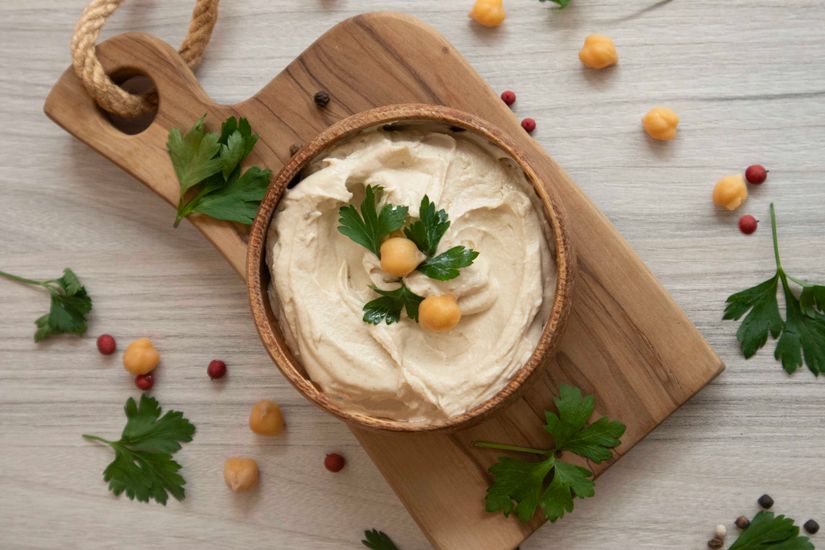
Hummus can be found everywhere; it is only 800 years old and is easy to make at home. The dish originated in the Levant and Egypt. Chickpeas had already been a protein staple there for thousands of years. To make hummus, you have to blend them with Tahini, olive oil, lemon, and garlic, and you get a dip. The concept of hummus hasn't changed since. However, there are variations where beetroot or roasted pepper can be added, but nothing beats the plain classic recipe.
Injera (Ethiopia)
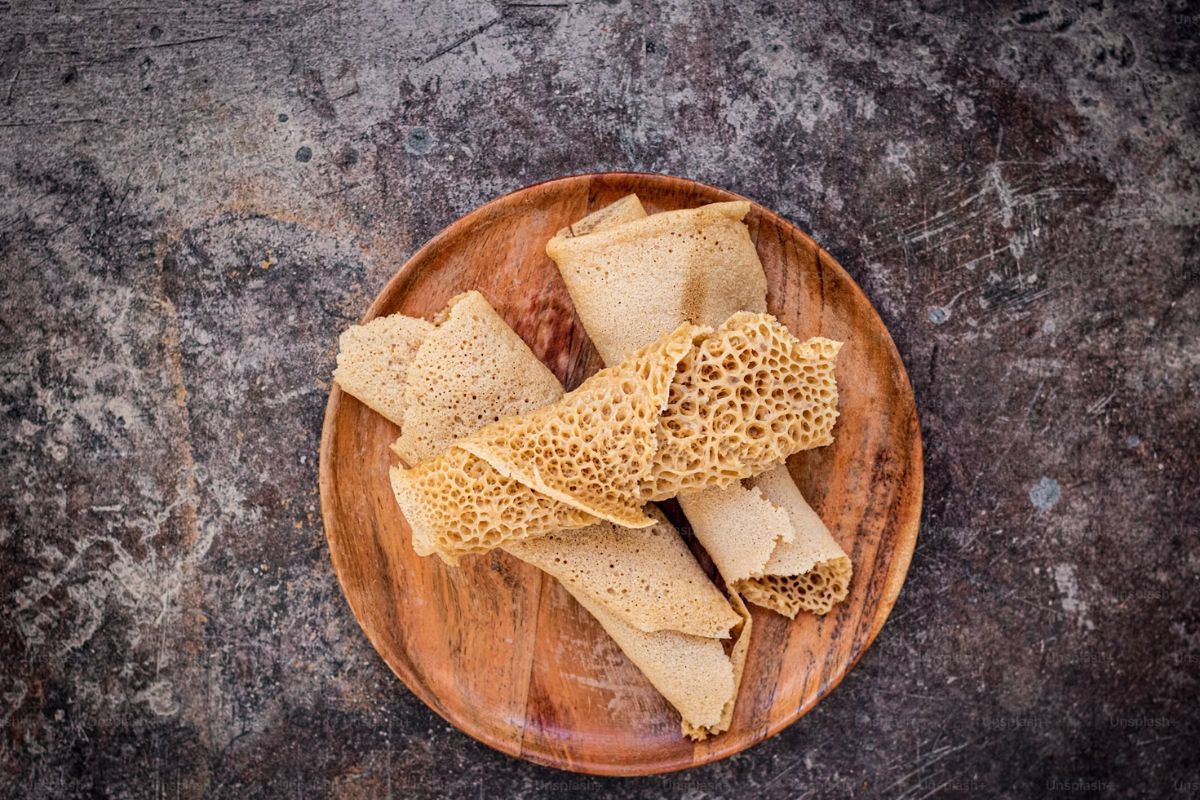
If you are fond of flatbreads, Injera is not only a 4,000-year-old Ethiopian recipe, but this spongy, sour flatbread is beneficial because of its good nutritional value. It is rich in protein, iron, calcium, and fiber. You can think of it as an Ethiopian dosa. Apart from being a bread, it also doubles as a plate and a utensil. Though it is getting the much-deserved global attention, the dish never sought validation from others except Ethiopians.
Also read || Why Is Sourdough Bread Better Than Regular Bread?
Samosa (West Asia/India)
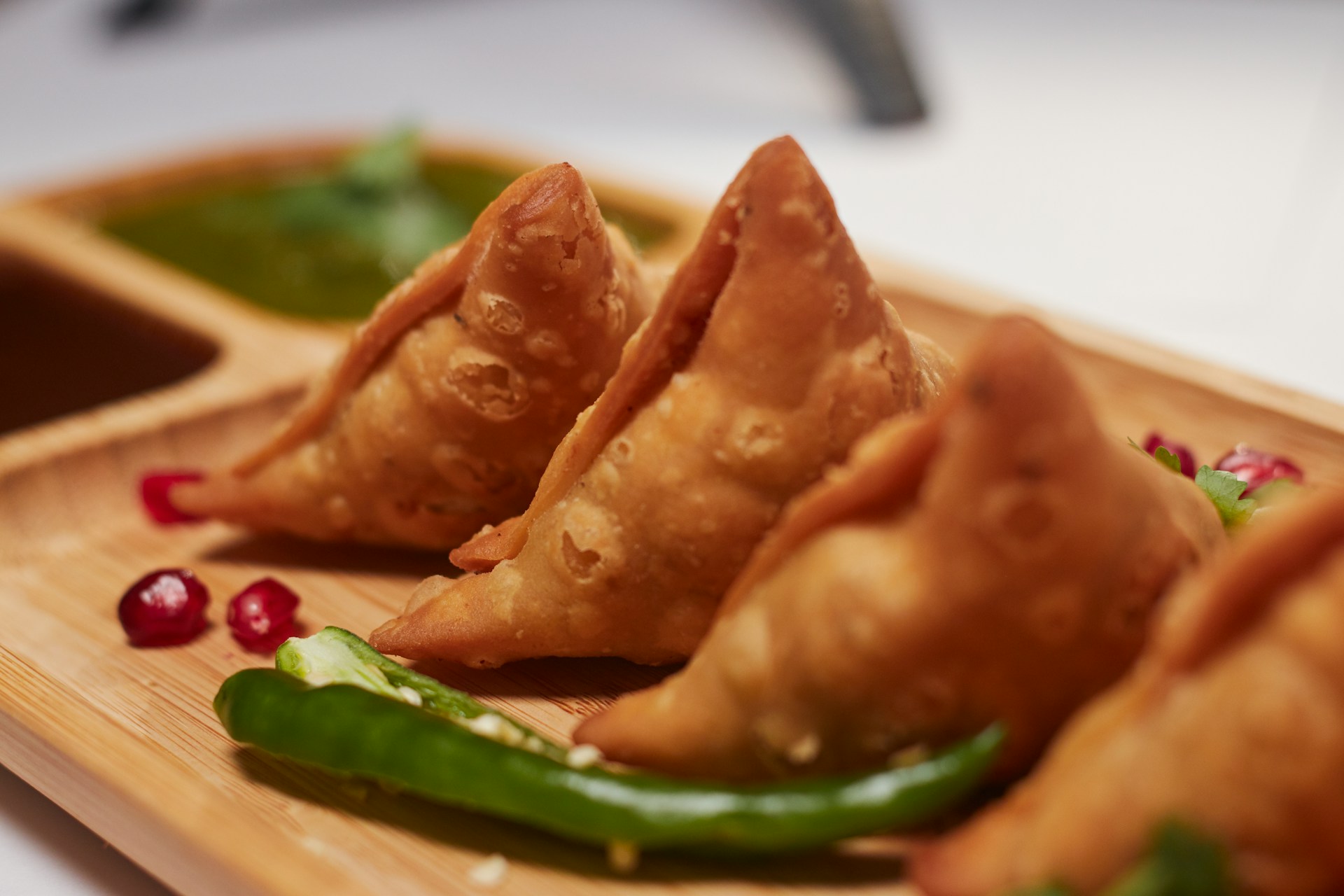
The debate over Samosa's origins can be never-ending, but the truth is that it started in the Middle East over 1,000 years ago. However, it eventually became part of India's food culture. When trade was happening from the Middle East to the Indian subcontinent, foods were also being exchanged. When Middle Easterners arrived, the non-vegetarian fillings were replaced by potatoes, peas, and lentils due to religious and cultural norms, and the modern-day Samosa came into existence.
Dal (India)
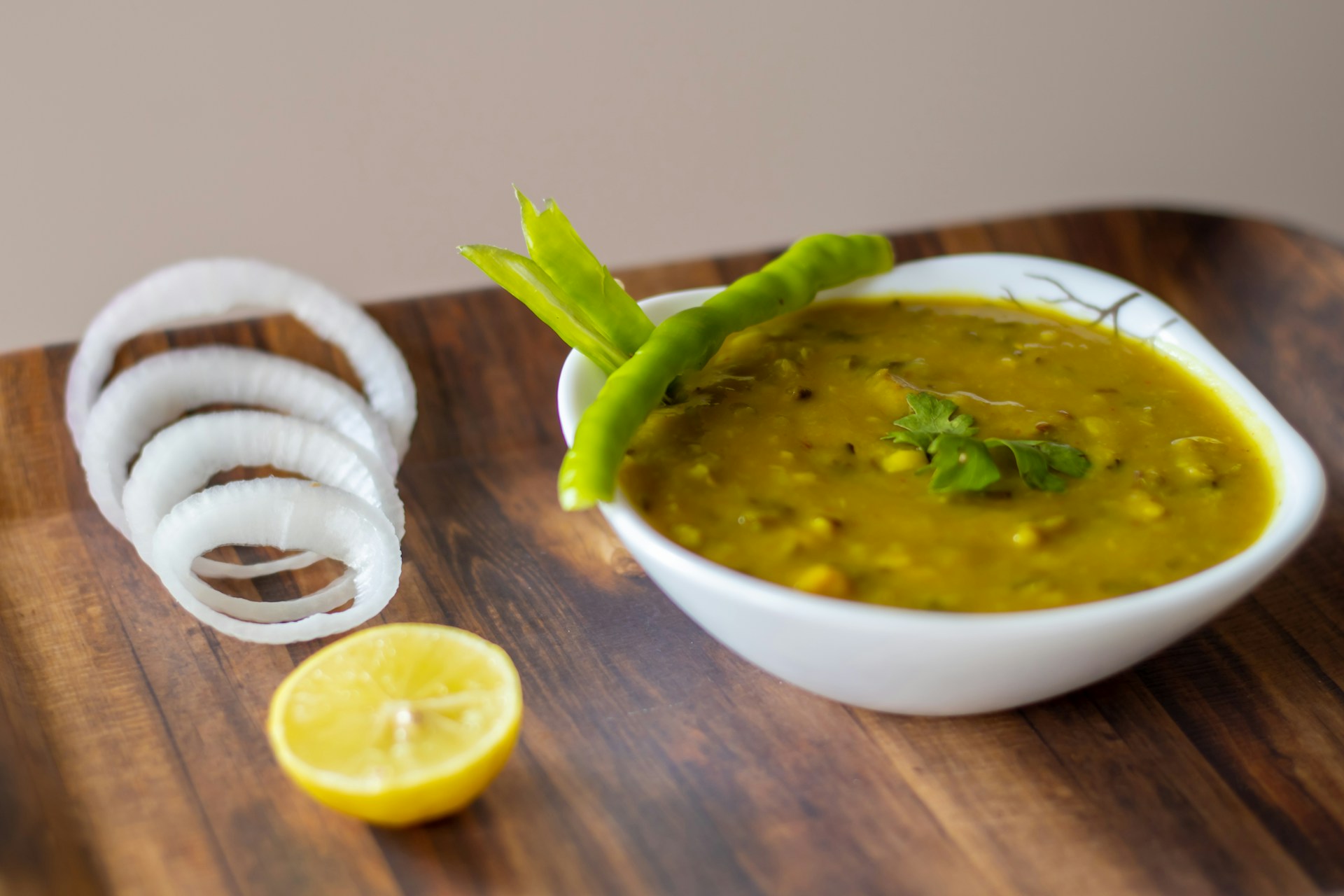
Dal is older than we all realize, and it's over 5,000 years old, dating back to the Indus Valley Civilization. Hundreds of millions of people eat dal every day; it's simply lentils cooked down with turmeric, cumin, and coriander, but it's everyday simplicity that makes it special. You can pair it with rice or with chapatis or whatever you like. Dal is a staple food across South Asia, whether it is India, Pakistan, or Bangladesh.
Dolma (Greece/Turkey)
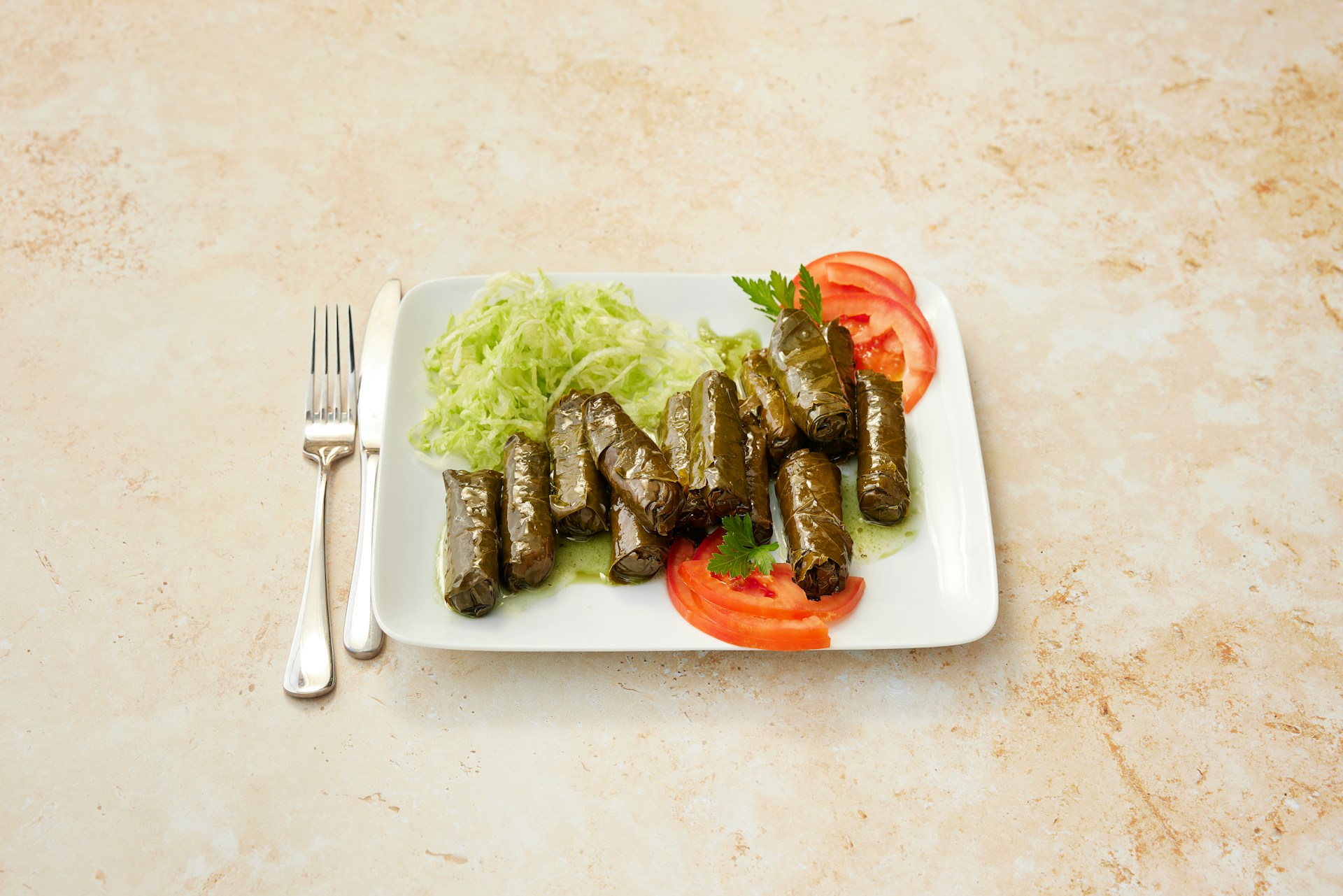
Dolma started in Ancient Greece and the Ottoman Empire, and is over 2,000 years old. They are grape leaves stuffed with herbs, rice, and sometimes nuts, and go back to the time when Greece was under the rule of the Ottoman Empire. The concept of stuffing veggies with grain spread across the Mediterranean and Middle East, which led to some more interesting dishes like Golubtsi and Sarma. Most of them are served simply with olive oil and yogurt on the side.
Buddha's Delight (China)
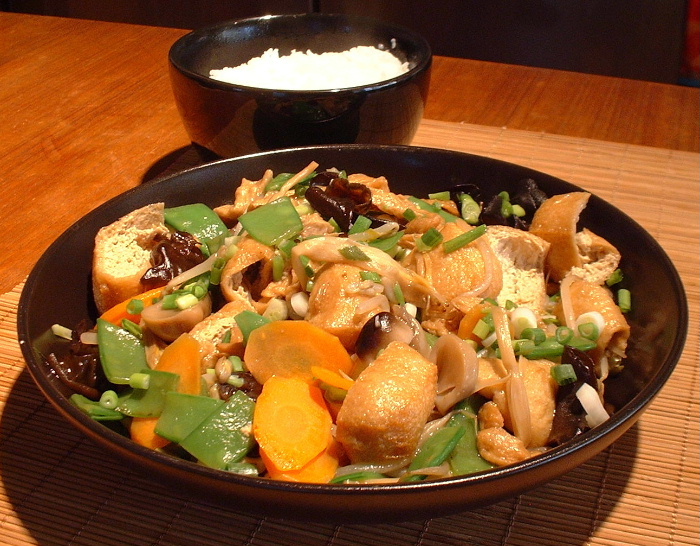
Buddha's Delight started in Chinese Buddhist temples over a millennium ago. Since Buddhism encourages non-violence towards living beings, disciplined monks came up with a dish that combines Tofu, mushrooms, bamboo shoots, and mixed vegetables. You have to stir-fry and keep the flavors minimal. The Buddha's Delight is eaten during the Chinese New Year, when people skip meat entirely as a part of the celebrations.
Also read || 5 Smart Electric Tools to Upgrade Your Home
What These Dishes Reveal
When you observe closely, you see how these dishes not only shaped the culture but also the agriculture itself. Rice, wheat, barley, and teff became critical crops precisely because vegetarian diets relied on grains and legumes for survival. International trade also played a vital role in the exchange of cultures, leading to more interesting dishes.
In the end, we can not ignore religion and culture and how they shaped the food habits of the masses. Whether it is vegetarianism or non-vegetarianism, religious principles played a crucial role in the food culture. For instance, despite being a diverse country, vegetarian food consumption is relatively high in India.