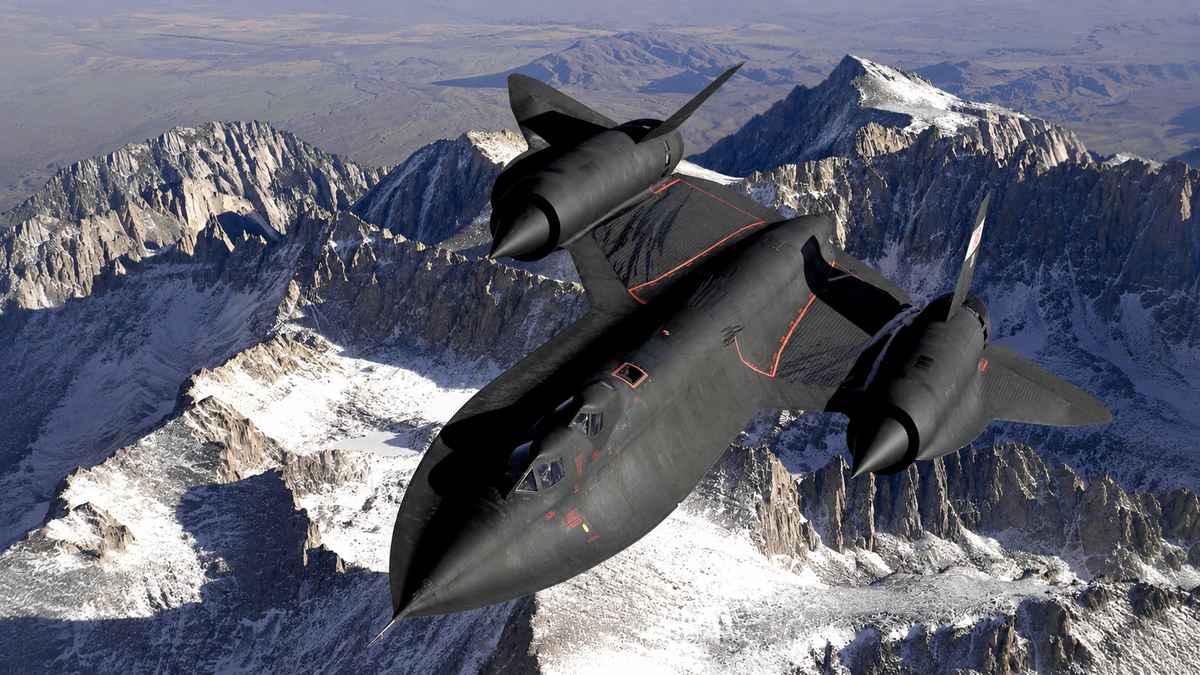
The Lockheed SR-71 Blackbird remains one of the most legendary aircraft ever built. Known for its sleek black design, unmatched speed, and secret missions, the aircraft became a symbol of American aviation technology during the Cold War. Developed in the 1960s by Lockheed’s secretive Skunk Works division, the SR-71 was designed as a high-speed reconnaissance aircraft capable of flying at speeds above Mach 3, which is more than 2,300 miles per hour. Even decades after its retirement, some of its speed records remain unbroken, showing just how advanced the aircraft was for its time. While the SR-71 is widely recognized today, few people know the unusual story of how NASA once ended up with an SR-71 aircraft it was never officially supposed to have.
Also Read: 10 of the Scariest Airport Landings in the World
The Birth of the Blackbird
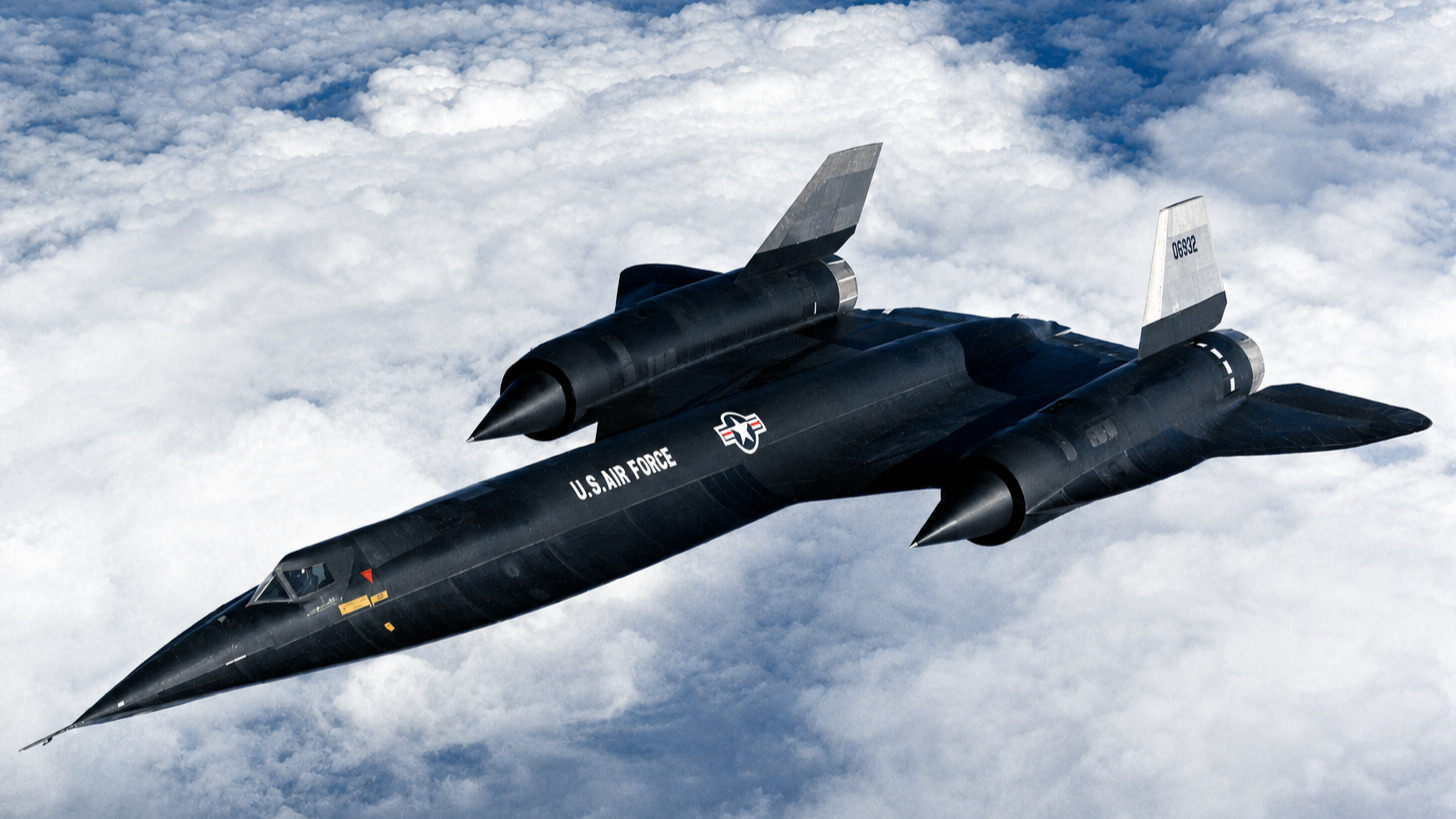
The SR-71 Blackbird was developed during the Cold War, a time when the United States and the Soviet Union were competing intensely in military technology and intelligence gathering. During this period, the ability to collect information about enemy activities was considered extremely important, leading to the development of aircraft that could fly faster and higher than enemy defenses could reach. Lockheed first created the A-12, a highly secret reconnaissance aircraft for the CIA. This design later led to the development of the SR-71 Blackbird for the U.S. Air Force. Another related aircraft, the YF-12, was designed as an interceptor meant to stop enemy bombers. Although these aircraft looked very similar, each one had a different purpose and unique design features. The SR-71 quickly became famous for its incredible speed, altitude, and ability to escape danger simply by flying faster than threats.
NASA’s Unexpected Aircraft
In the 1970s, NASA became involved in a research effort called the Coldwall Project, which focused on studying the extreme heat and stress experienced by aircraft traveling at very high speeds. When aircraft fly above Mach 3, air friction creates enormous heat on the body of the plane, making it important for engineers to understand how materials and systems perform under such conditions. NASA was expected to receive two YF-12 aircraft for this testing because they were suitable for research and shared many characteristics with the SR-71. However, an unexpected mistake occurred. Instead of receiving two YF-12 aircraft, NASA received one YF-12A and one SR-71 Blackbird. At that time, NASA was not authorized to operate SR-71 aircraft because of their classified military status, making the transfer highly unusual.
Hiding the Mistake
Rather than reporting the mistake and returning the aircraft, NASA appears to have kept it. Although it remains unclear who made this decision, the agency reportedly chose to disguise the aircraft to avoid attracting attention. Since the SR-71 and YF-12 looked very similar from the outside, it was possible to hide the aircraft in plain sight with a few modifications. NASA gave the SR-71 a fake tail number, 60-6937, to make it appear to be an official YF-12 aircraft. This number was carefully chosen because it originally belonged to a Lockheed A-12, an earlier aircraft related to the Blackbird family. It also matched the numbering pattern of the other YF-12 aircraft, making the disguise more believable. NASA is also believed to have changed visible components, including using YF-12-style engines and air inlets, to make the aircraft look even more convincing.
Also Read: Why Planes Fly Over the Arctic but Rarely Over Antarctica
The Differences That Could Reveal the Truth
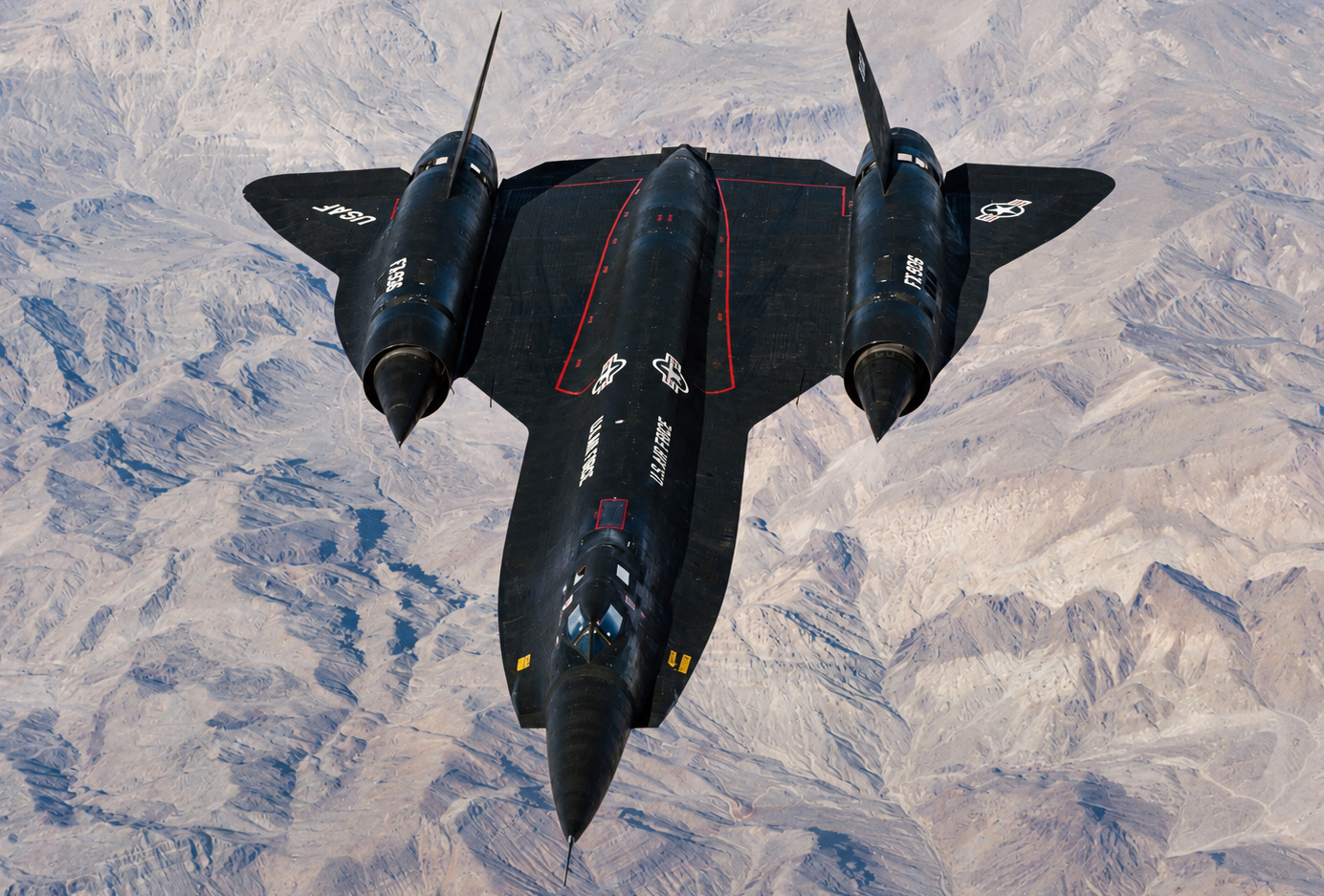
Even with the disguise, experts familiar with the aircraft could have noticed important differences. The YF-12 and SR-71 were not identical, despite their similar appearance. One major difference was the nose design. The YF-12 had a rounded nose, while the SR-71 featured a sharp extension called a chine, which improved aerodynamic performance at high speeds. There were also internal differences in systems and configurations, though these would not have been easily visible to casual observers. The secretly hidden aircraft was later identified as SR-71A serial number 64-17951, one of the early production Blackbirds.
The Secret Eventually Ends
For years, NASA successfully kept the aircraft hidden among its research fleet. Over time, however, the status of the SR-71 program changed. The U.S. Air Force officially retired the SR-71 in 1990, although it briefly returned to service in 1995 before being retired again in 1997. By then, NASA was officially permitted to operate SR-71 aircraft for research purposes, removing the secrecy that had once surrounded the aircraft’s presence. NASA continued using SR-71 aircraft until 1999, conducting research that helped improve the understanding of high-speed flight and aerospace engineering.
Also Read: This Airline Is Offering a Free Iceland Trip If You’re Bad at Taking Photos
A Remarkable Aviation Story
The story of NASA’s hidden SR-71 remains one of the most fascinating examples of Cold War secrecy and aviation history. What appears to have started as an administrative mistake turned into a long-running secret involving one of the world’s most advanced aircraft. By changing identification numbers and making visual modifications, NASA managed to keep a classified aircraft hidden in plain sight for years. For an aircraft built to avoid detection and perform secret missions, hiding in plain sight may have been one of its most fitting roles.