Flying is one of the fastest and safest ways to travel, but many people still feel afraid of it. This fear is called aerophobia or aviophobia, and it is one of the most common fears, similar to the fear of spiders or small spaces. Even people who are not afraid of flying can feel nervous during turbulence or rough landings. Some airports around the world are known for being very difficult to land at. These airports are not always dangerous, but they require highly skilled pilots. The difficulty comes from factors such as short runways, high altitude, nearby mountains or buildings, and strong or changing weather conditions. The following airports are famous for their scary landings and challenging conditions.
Tenzing-Hillary Airport, Nepal
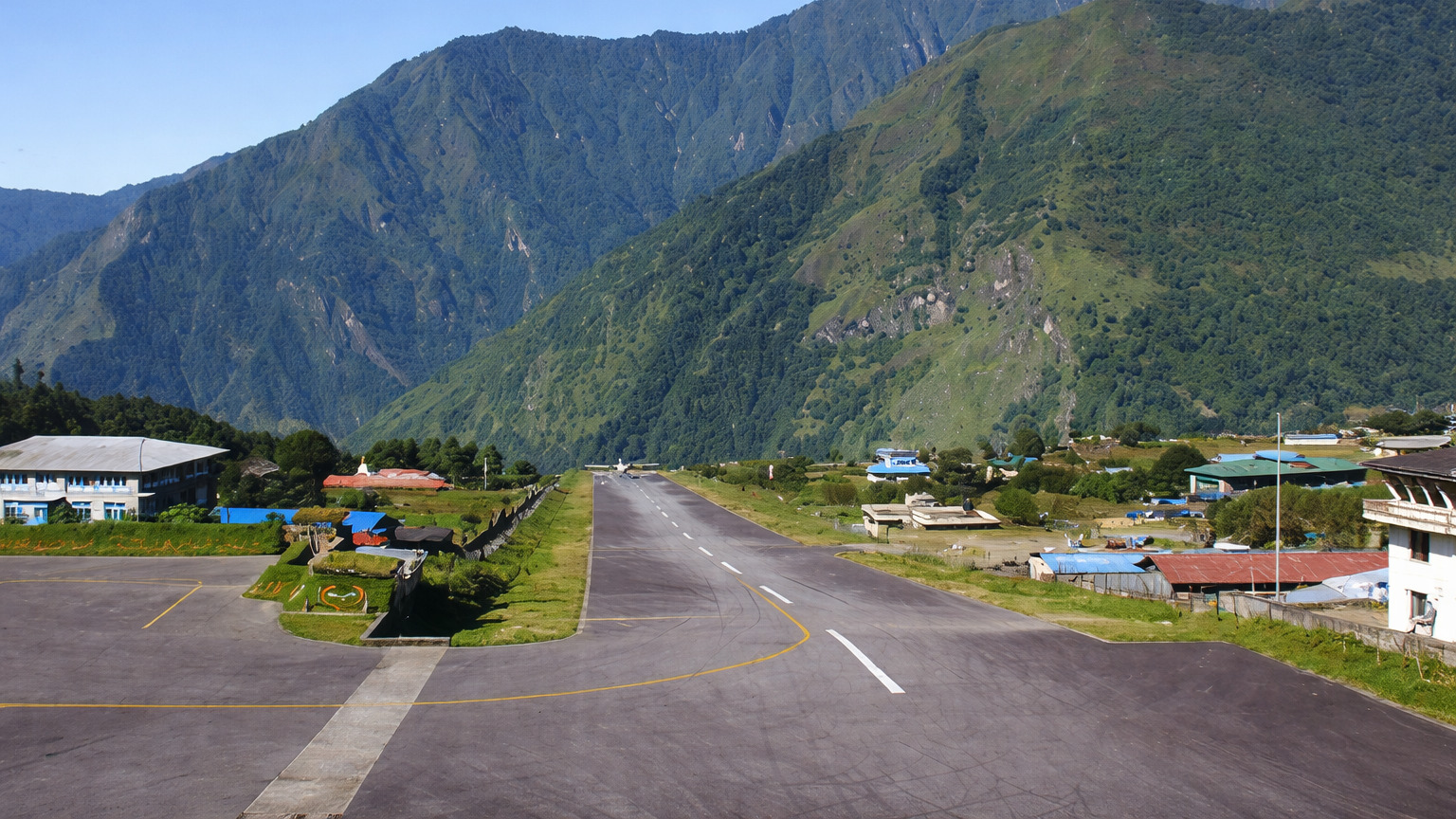
Tenzing-Hillary Airport is located in Lukla, Nepal, and it is the main entry point for people traveling to Mount Everest. The airport is named after Tenzing Norgay and Sir Edmund Hillary, who became the first climbers to reach the summit of Mount Everest in 1953. The airport was built in 1964 with the help of Sir Edmund Hillary to make travel easier, as people previously had to walk for several days from Kathmandu. The runway is very short, measuring only 1729 feet, while most runways are between 8000 and 13,000 feet. The airport is also located at a high altitude of 9186 feet, where the air is thin, requiring planes to fly faster. The runway has a slope of 12 percent and is surrounded by mountains, which means there is no possibility for a go-around if landing fails. This airport has been called the most dangerous airport in the world. A major accident occurred in 2008 when a Twin Otter aircraft crashed while landing, killing 18 people, with only the pilot surviving.
Also Read: Why Floppy Disks Are Still Used in Some Airplanes
Courchevel Altiport, France
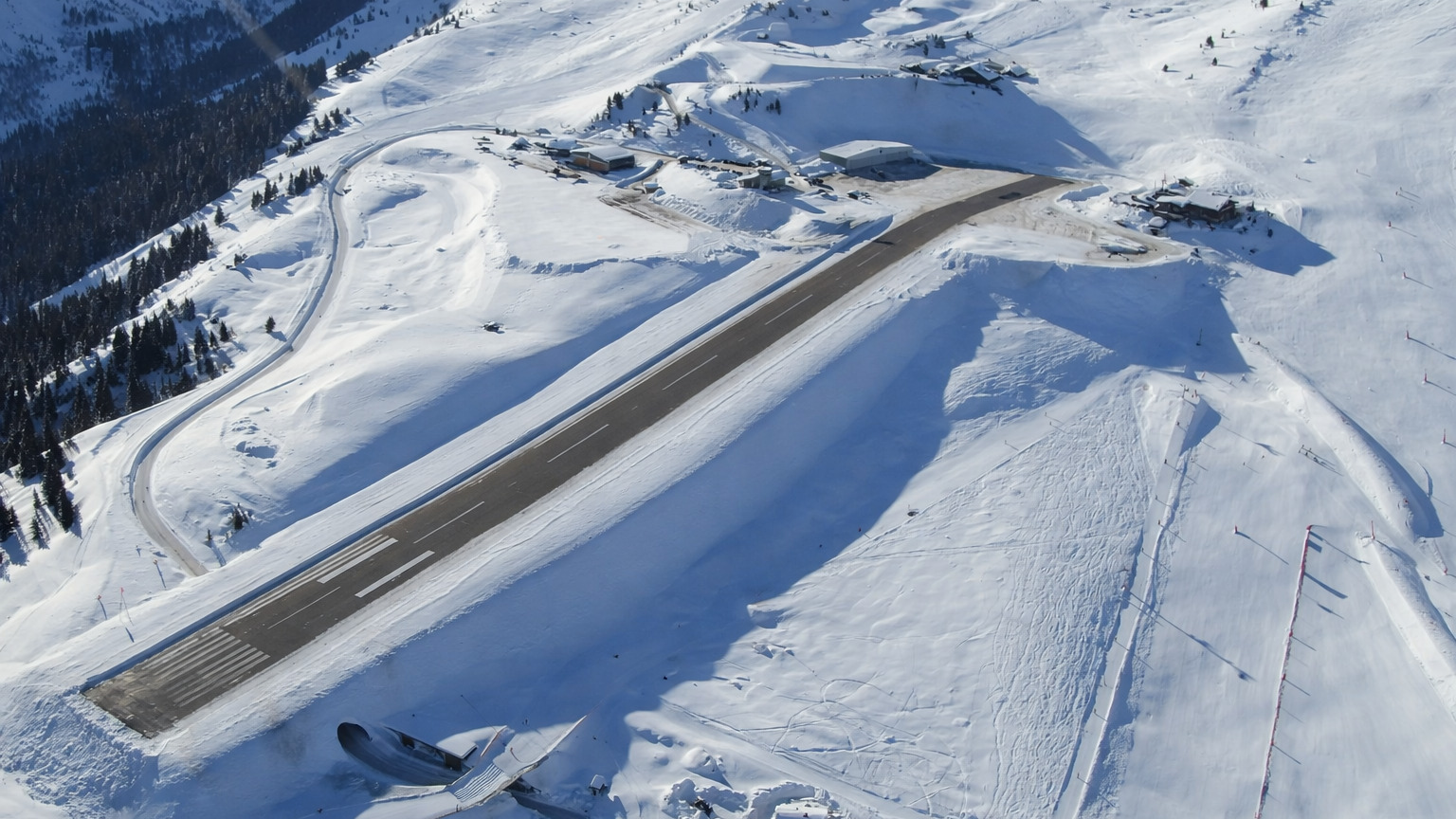
Courchevel Altiport is located in the French Alps and mainly serves small aircraft. It was opened in 1961 and is built on the side of a mountain at an altitude of 6588 feet. The runway is extremely short, at 1762 feet, and has a steep gradient of 18.66 percent. Pilots must land correctly on the first attempt because there is no opportunity to go around due to the steep terrain. Weather conditions add to the difficulty, as if there is fog or cloud, pilots cannot rely on landing instruments or lights, and flights are delayed until conditions improve.
Gustaf III Airport, Saint Barthelemy
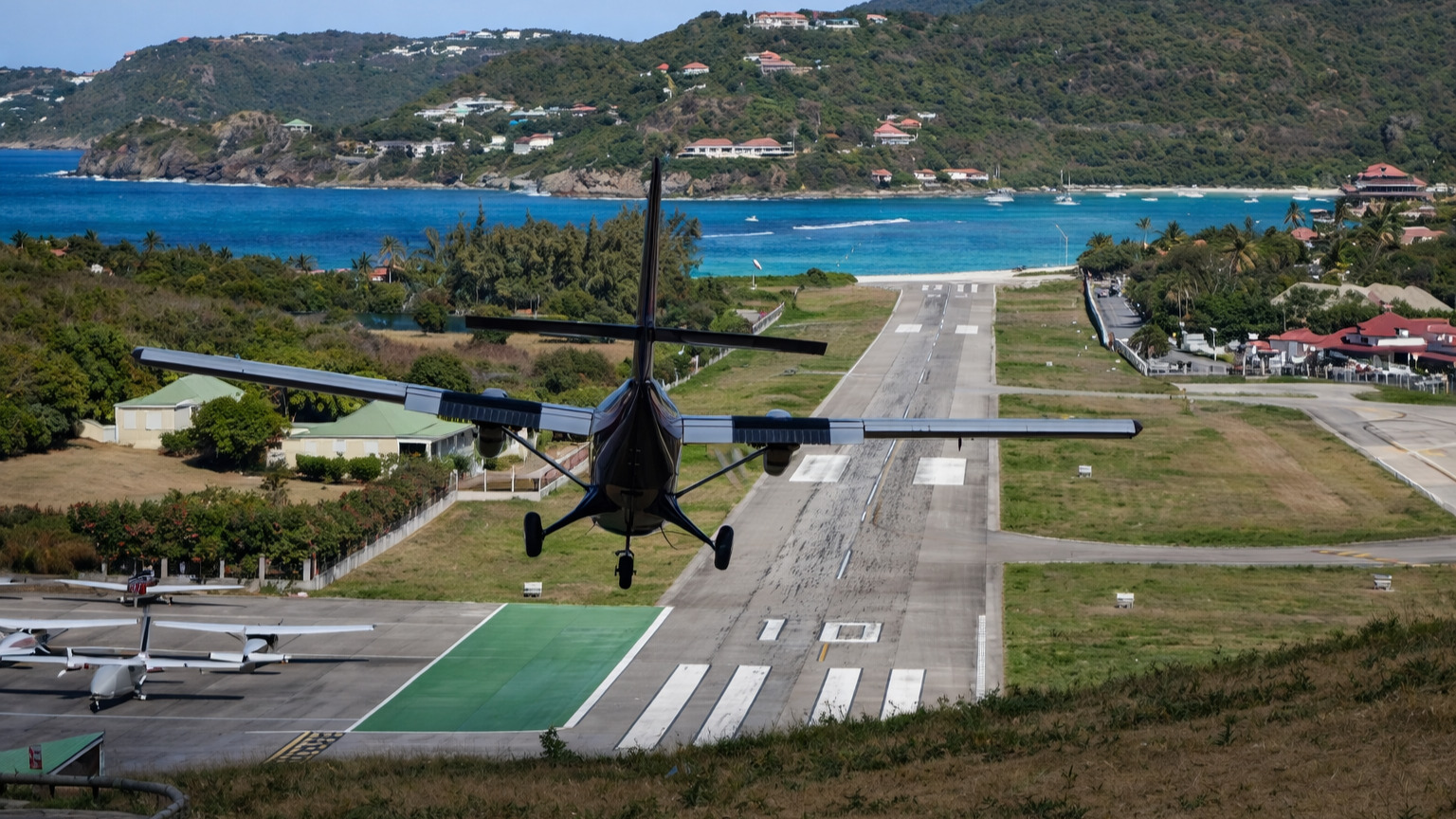
Gustaf III Airport is located on the Caribbean island of Saint Barthelemy and was opened in 1984. The runway is 2119 feet long and ends near the sea. Planes must fly over a hilltop area called Col de la Tourmente, where houses are located, and there is only about 30 feet of clearance, making the landing very steep and challenging. Passengers often feel that the plane is very close to the ground before landing. Pilots are specially trained to handle this approach. Despite the difficulty, there has been only one major accident, which occurred in 2001 when a plane crashed into a house, killing 20 people.
Gibraltar International Airport, Gibraltar
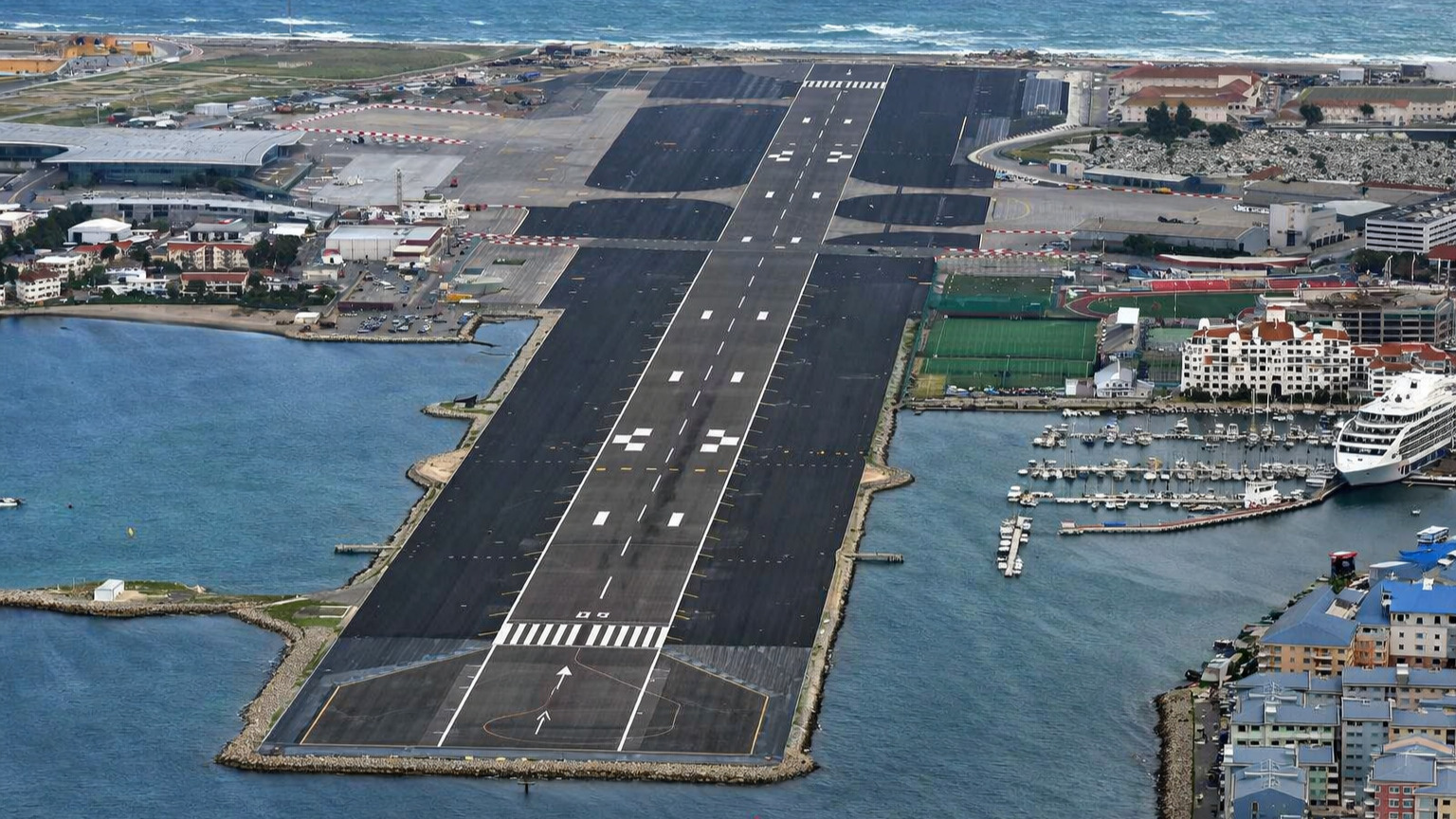
Gibraltar International Airport was opened in 1939 and is located next to the Rock of Gibraltar, which is 1398 feet high. Strong winds around the rock can create unstable landing conditions, and flights are sometimes diverted to other places. A unique feature of this airport is that a major road, Winston Churchill Avenue, crosses the runway, and traffic is stopped whenever a plane is landing or taking off. Despite this unusual setup, no accidents have occurred. In 2023, the Kingsway Tunnel was opened to reduce traffic delays and provide an alternative route.
Princess Juliana International Airport, Sint Maarten
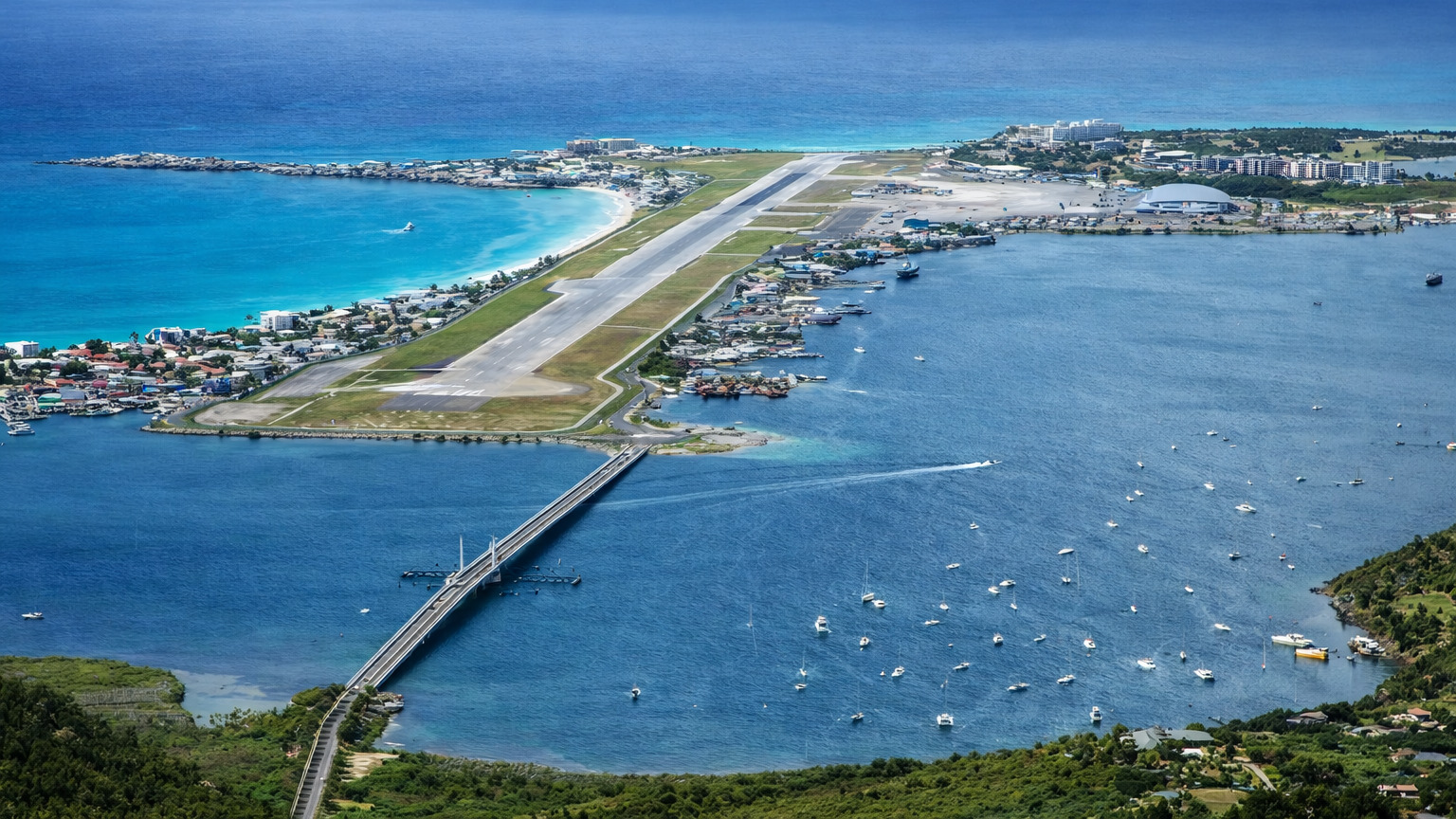
Princess Juliana International Airport was opened in 1943 and is located next to Maho Beach. The runway is 7546 feet long and is very close to the beach. Planes fly extremely low over people, sometimes only 30 feet above their heads, which attracts tourists but also creates danger. Some people try to hold onto a fence during takeoff, an activity known as fence surfing, which is very risky. The engines produce strong winds of up to 250 miles per hour, and many people have been injured, with one person even dying due to this activity.
Juancho E. Yrausquin Airport, Saba
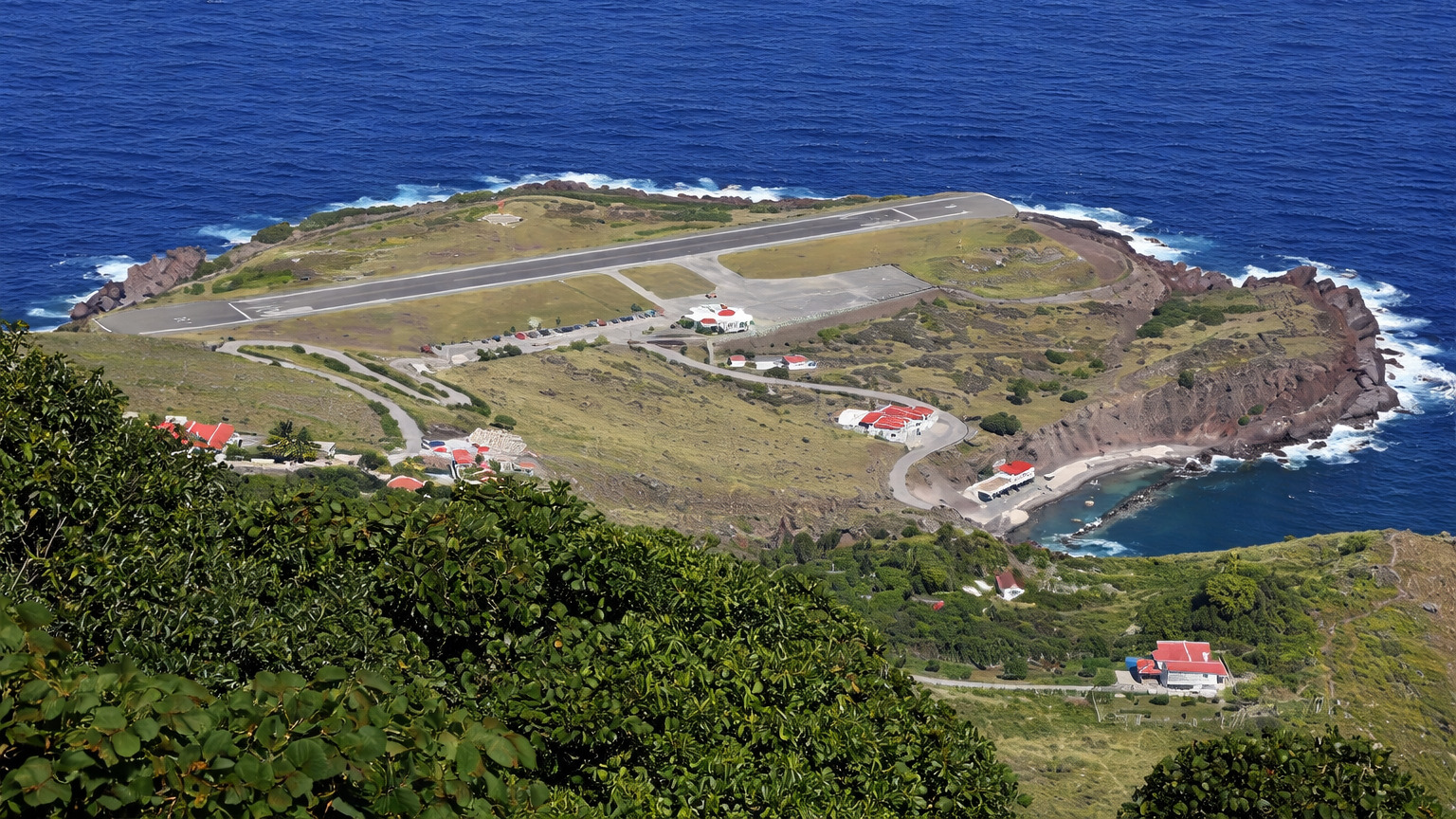
Juancho E. Yrausquin Airport is located on the island of Saba and was opened in 1963. It has the shortest commercial runway in the world, measuring only 1300 feet, with only 900 feet usable. The runway is built on a small piece of land, and both ends drop directly into the sea, which makes landing very challenging. Because of these conditions, only specially trained pilots are allowed to land at this airport.
Ice Runway, Antarctica
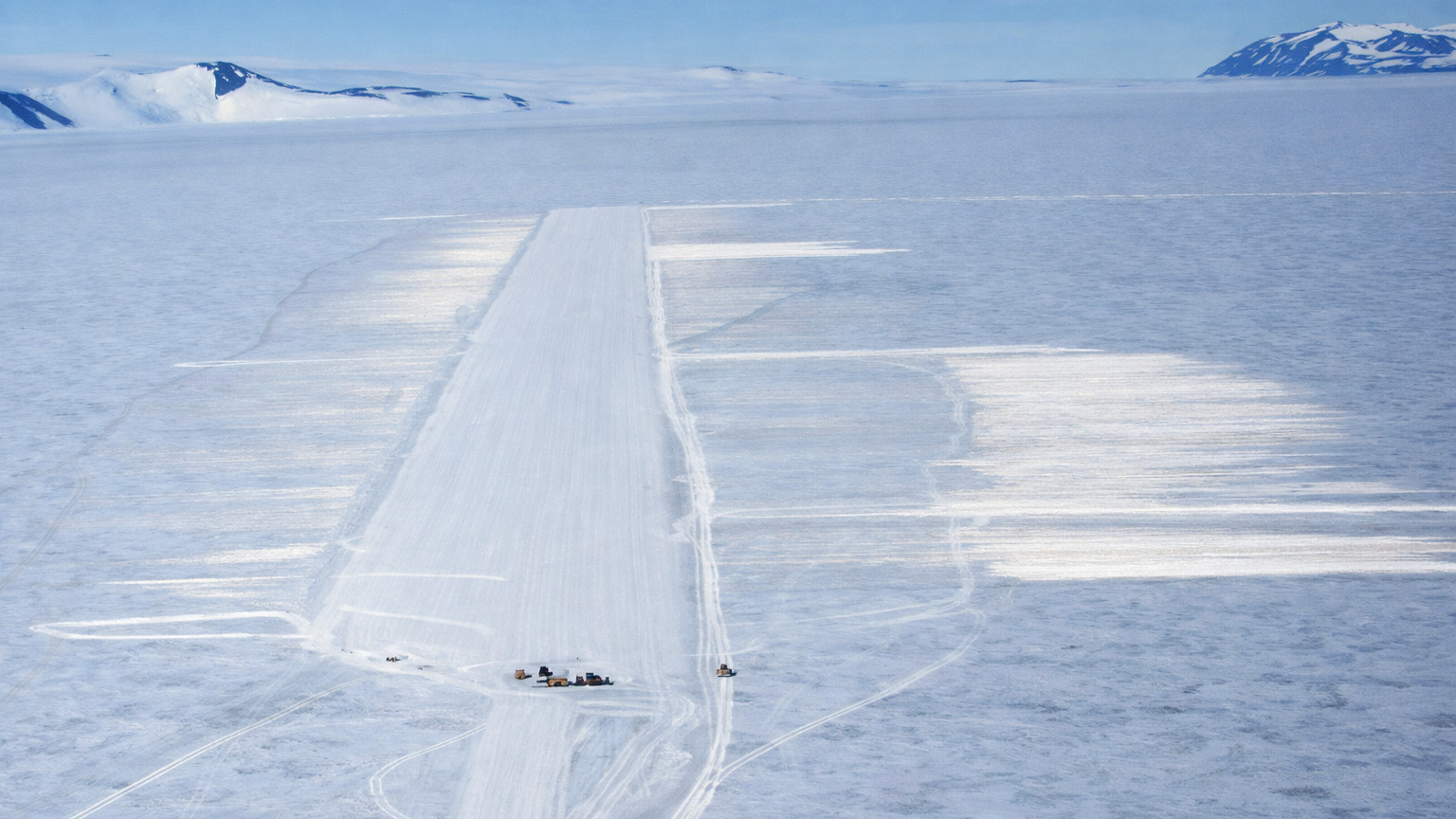
In Antarctica, normal paved runways are rare because of the extreme environment, so planes land on ice runways instead, which have been in use since the mid-20th century. There are two types of ice runways, including blue ice, which is solid glacier ice, and white runways made from compacted snow. Landing on ice is different because there is very little friction, so pilots cannot use normal brakes and must rely on reverse thrust. Runways must be carefully maintained, and temperature changes can make them unsafe, so snow is often added to keep the surface cold and stable.
Agatti Airport, India
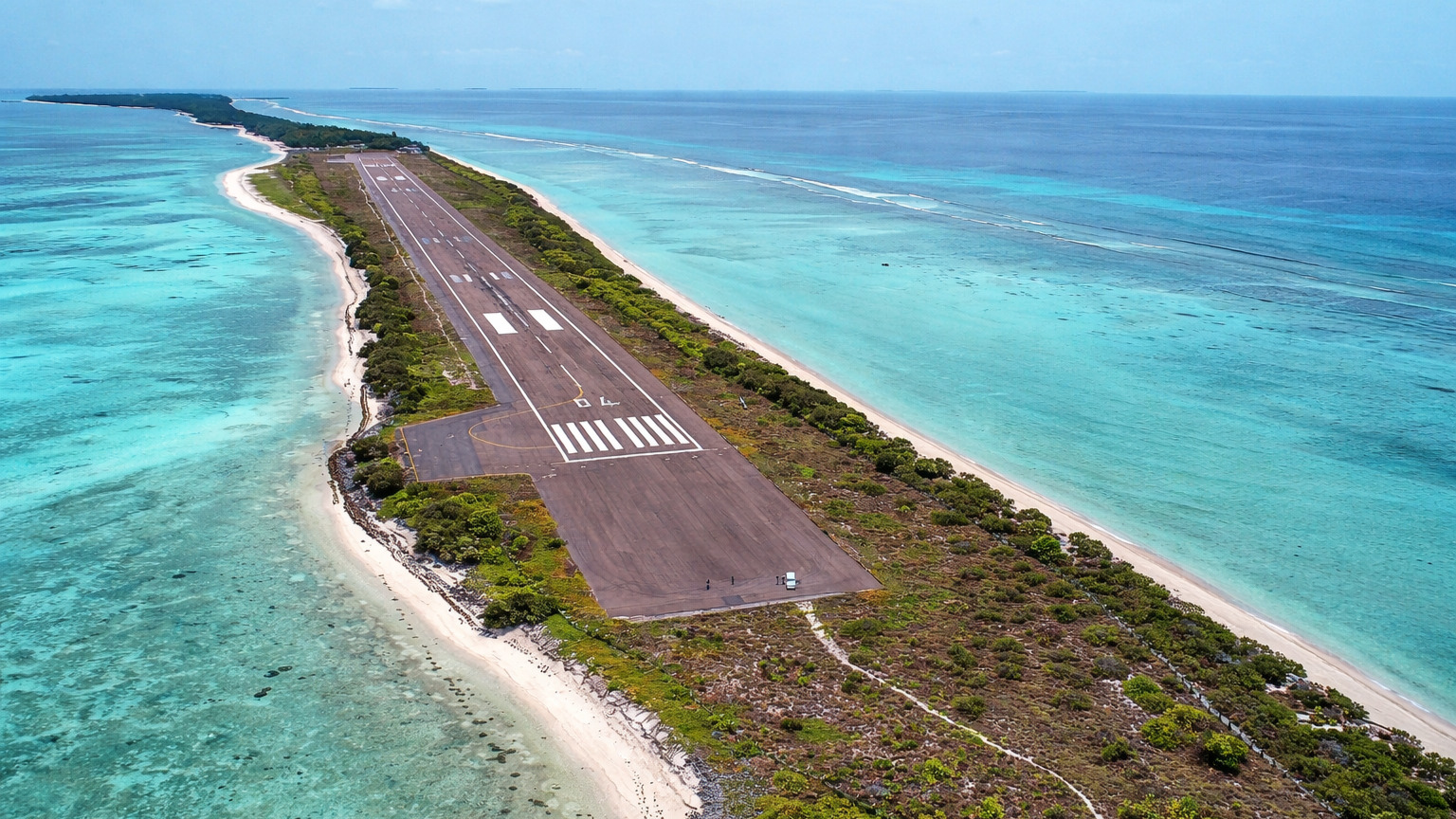
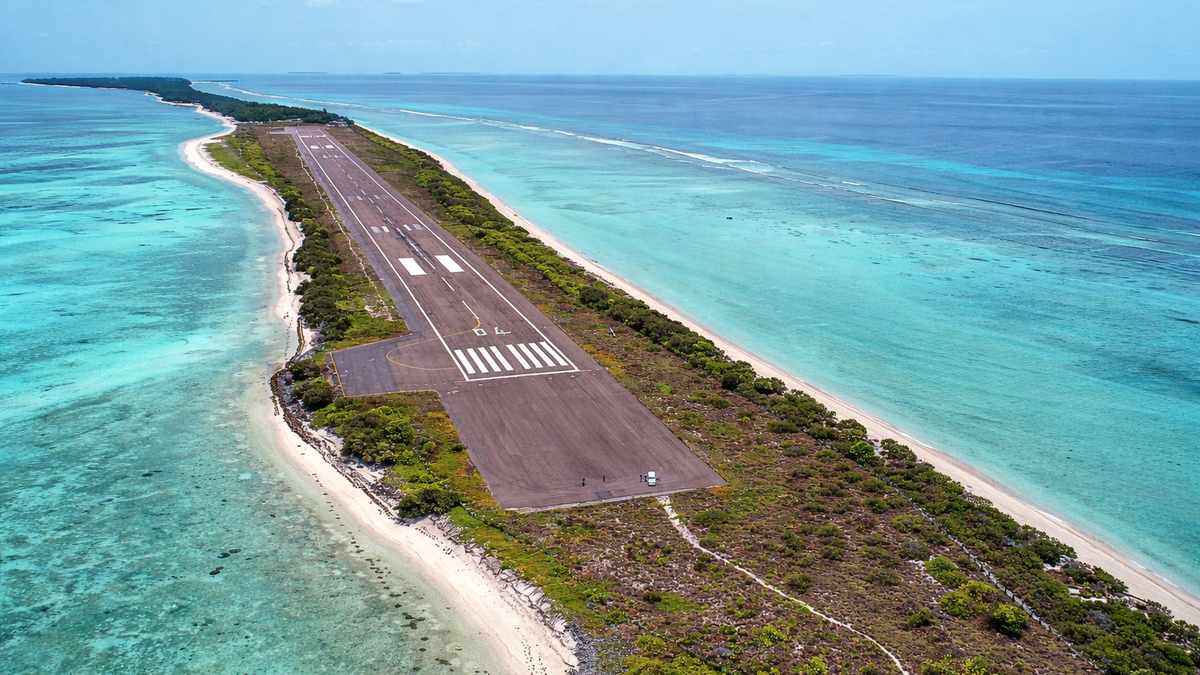
Agatti Airport is located on a small island about 285 miles off the west coast of India and was opened in 1988. The runway is 4235 feet long and is built on a narrow strip of land surrounded by water on three sides. Although it may look scary, there are no obstacles like mountains or buildings, which makes landing easier compared to many other airports.
Also Read: 12 Most Luxurious Airlines to Fly
Paro International Airport, Bhutan
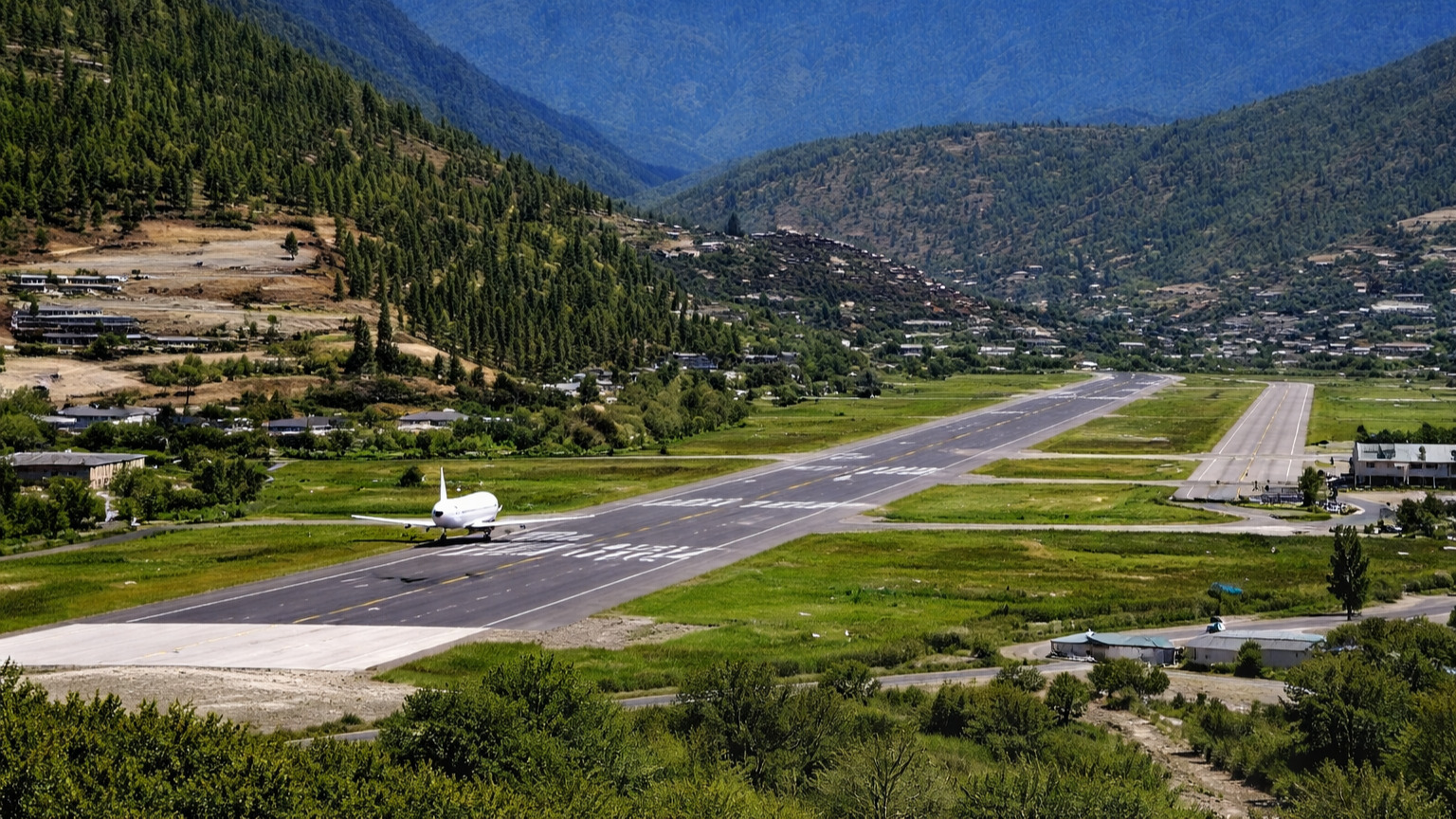
Paro International Airport was opened in 1968 and is located in a valley surrounded by mountains that reach up to 18,000 feet. Pilots must carefully navigate through the narrow valley and make sharp turns before landing, which requires great skill. The airport is also at a high altitude of 7364 feet, which reduces aircraft performance and requires higher speeds. Strong crosswinds add to the difficulty, so flights are usually scheduled in the morning when weather conditions are calmer.
Toncontín International Airport, Honduras
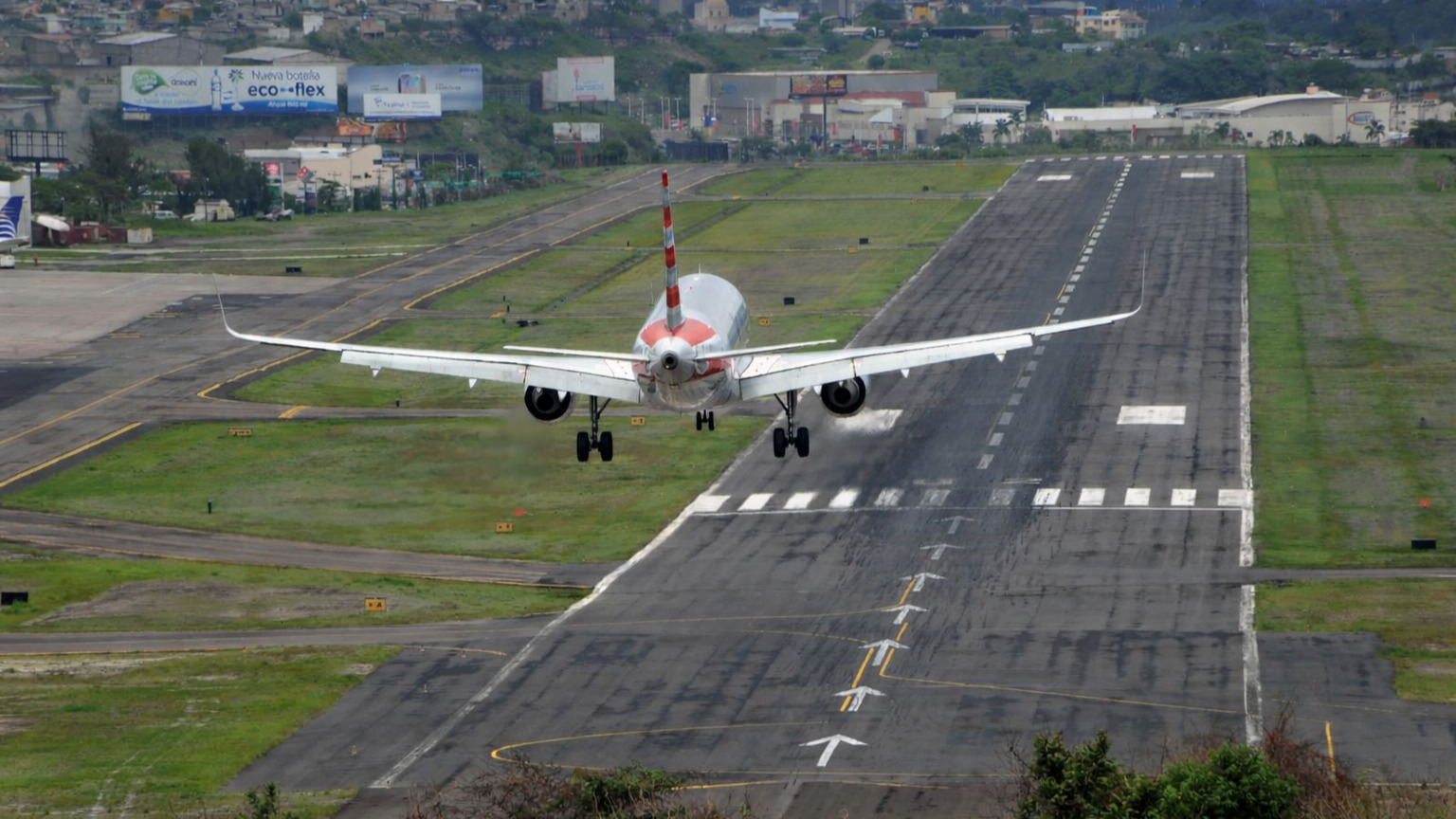
Toncontín International Airport is located in Tegucigalpa, Honduras, and was opened in 1921. It is surrounded by mountains, which makes landing very difficult. Pilots must perform a sharp 45-degree turn just before landing, which requires precision and experience. A major accident occurred in 1989 when a plane crashed into a mountain after not following the correct landing procedure, killing 131 people. Due to safety concerns, a new airport called Palmerola International Airport was opened in 2021, about an hour away, to provide a safer option for travelers.