It sounds strange when we hear that an airplane has "disappeared from radar." After all, modern airplanes are equipped with advanced technology, and air traffic controllers can usually track flights throughout their journeys.
So, how can a large passenger airplane suddenly disappear from radar? The answer has a lot to do with how radar works, the Earth's shape, the distance between an airplane and radar stations, and the technology used inside the aircraft.
What Is Radar?

The word radar stands for radio detection and ranging. Radar technology has existed for almost as long as controlled flight. In 1935, Robert Watson-Watt and Arnold Wilkins conducted experiments that eventually led to the development of a working radar system.
Today, radar is used in many areas of everyday life. It helps meteorologists monitor storms, allows police to measure vehicle speeds, helps scientists study the environment, and plays a major role in aviation.
For airplanes, radar is particularly important. Air traffic control uses radar to monitor aircraft and understand where they are in the sky. Radar can help controllers maintain safe distances between airplanes and manage busy airspace. Airplanes also use radar and related systems for navigation, weather detection, and collision avoidance.
Also Read: Ghost Flights: Why Airlines Fly Empty Planes
Why Can't Radar See Everywhere?
To understand why an airplane can disappear from radar, we first need to understand one basic limitation of radar. Radar works by sending radio waves through the air. A radar station sends out a signal toward an object, such as an airplane. The signal travels through the air, reaches the aircraft, and some of the energy is reflected back toward the radar station.
The radar system then analyzes the returning signal to determine information about the aircraft. However, radar generally requires a relatively clear line of sight. This means there needs to be a reasonably unobstructed path between the radar station and the aircraft.
The Earth's curvature creates a major limitation. The Earth is round, so the surface gradually curves away beneath an airplane as it travels farther from a radar station. A radar station on land cannot simply send a signal indefinitely across the surface of the Earth. Eventually, the airplane can move beyond the radar's direct line of sight. This becomes especially important over oceans.
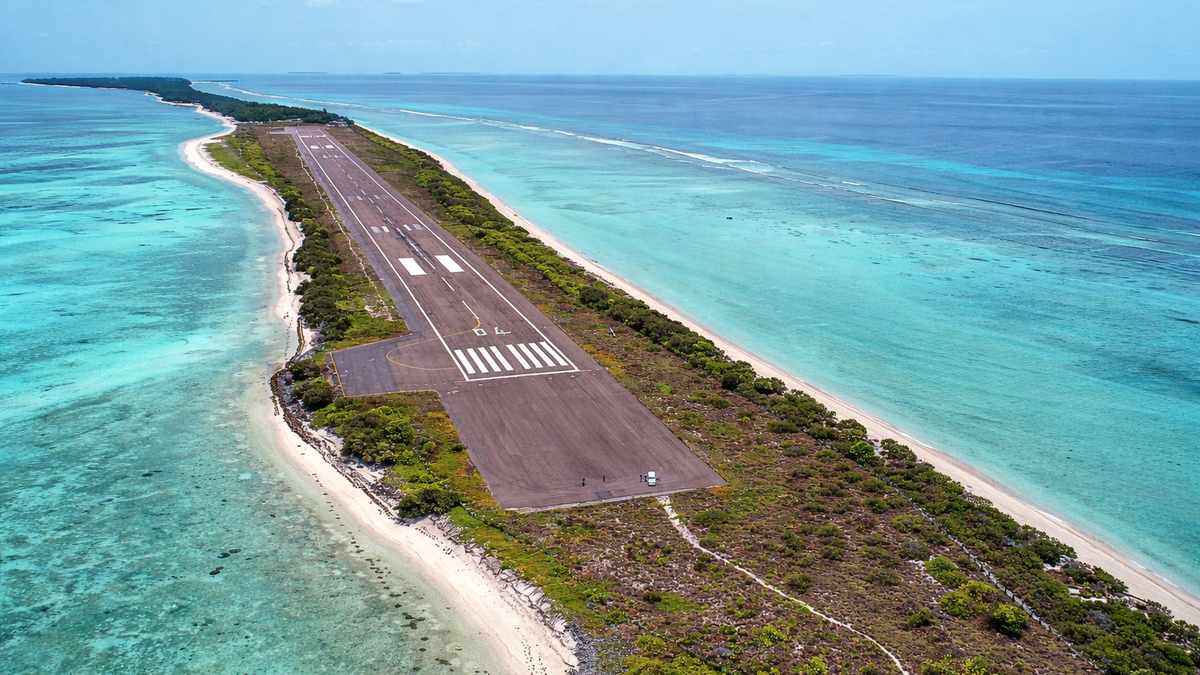
There may be hundreds of miles of open water between an aircraft and the nearest land-based radar station. Once an airplane gets far enough from shore, traditional ground-based radar may no longer be able to detect it directly. The same problem can occur in remote areas and mountainous regions, where terrain can block radar signals.
The Importance of the Airplane's Transponder
An airplane disappearing from primary radar does not necessarily mean that nobody knows where it is. Modern aircraft have a device called a transponder. A transponder communicates with air traffic control systems and provides important information about the aircraft. Depending on the system being used, this can include the aircraft's identification, altitude, speed, and other information.
This is why an airplane can sometimes still be tracked even when it is outside the range of conventional ground-based radar. However, if the transponder stops transmitting, the situation becomes more difficult. If an aircraft is already beyond the range of ground radar and its transponder is no longer providing information, it can effectively disappear from the tracking system.
This is one of the reasons why the phrase "disappeared from radar" can sometimes be misleading. The airplane has not literally vanished. Instead, a particular tracking system has lost the ability to see or receive information from it.
How Radar Works in Aviation
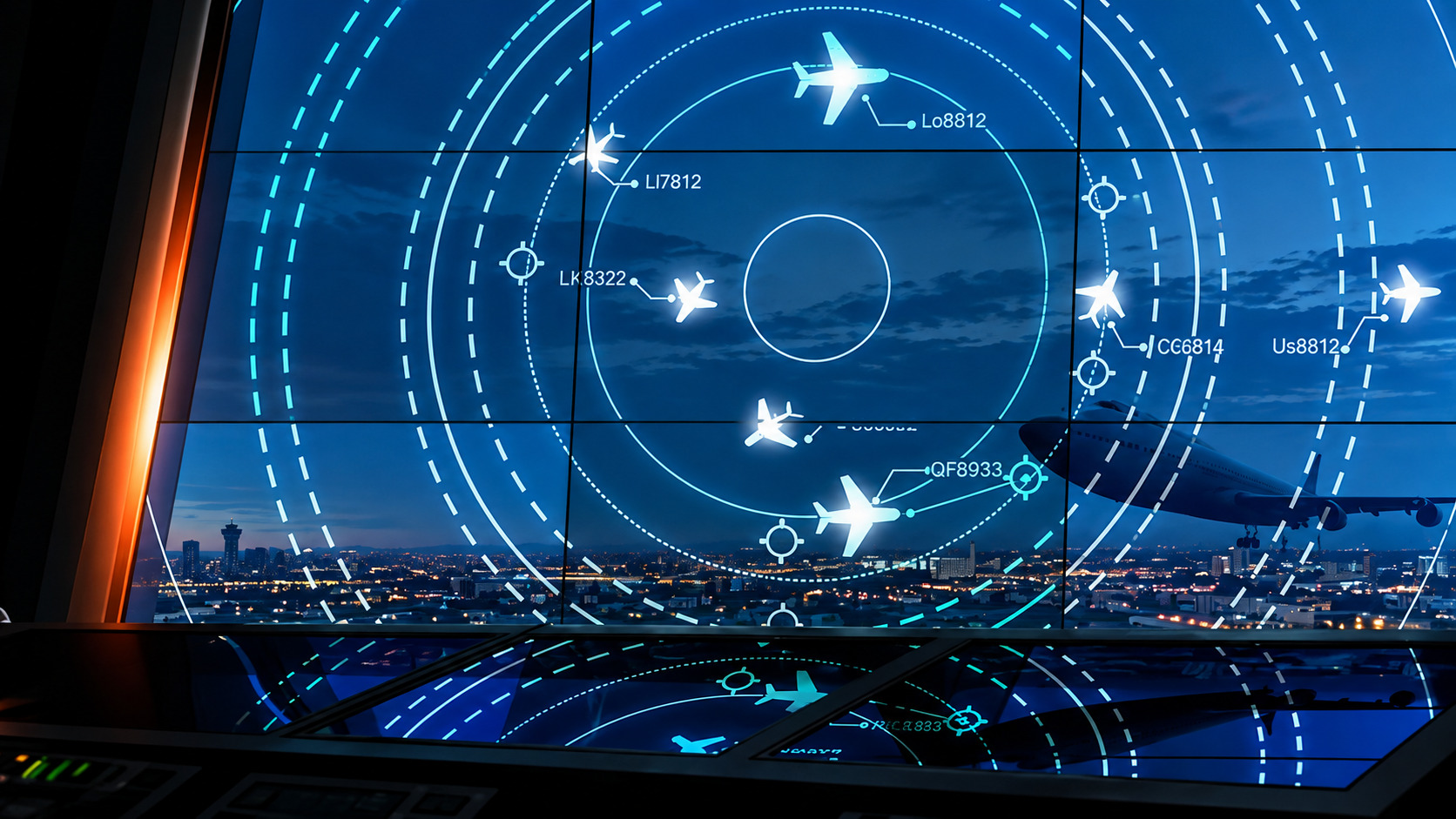
Commercial aviation uses different radar and surveillance technologies. Two traditional types of radar are Primary Surveillance Radar (PSR) and Secondary Surveillance Radar (SSR).
Primary Surveillance Radar
Primary surveillance radar works by sending radio waves toward an area of airspace. When those waves hit an object, some of the energy is reflected back toward the radar station. The radar system can use the returning signal to determine the object's location.
One advantage of primary radar is that the aircraft does not need to cooperate with the radar system for the radar to detect it. However, primary radar has limitations. It can generally show where an object is, but it does not automatically provide information such as the aircraft's identity, flight number, or altitude.
Secondary Surveillance Radar
Secondary surveillance radar works differently. Instead of simply detecting the reflection from an aircraft, the radar system communicates with the aircraft's transponder. The transponder responds with information about the airplane. This can include details such as its identification and altitude.
Secondary surveillance radar is therefore extremely useful for air traffic controllers because it provides more information than simply showing a radar return. Modern aviation also uses satellite-based tracking and other technologies to monitor aircraft, particularly when they are flying far from land-based radar stations.
Also Read: What Are Those Glowing Diamonds Behind Fighter Jets?
How Does a Radar Detect an Airplane?
The basic principle behind radar is surprisingly simple. A radar transmitter sends out a short but powerful burst of high-frequency radio waves. The waves travel through the atmosphere until they encounter an object. If the waves hit an airplane, some of the energy is reflected back. The transmitter then stops transmitting, and the radar system listens for the returning signal.
Because radio waves travel at a known speed, the radar system can calculate the distance to the airplane by measuring how long it took the signal to travel to the aircraft and return. Radar can also provide information about the movement of the aircraft.
One method involves measuring the Doppler effect. The Doppler effect occurs when the frequency of a wave appears to change because the source and the observer are moving relative to each other. By analyzing these changes in the returning radio waves, radar can determine how quickly an aircraft is moving toward or away from the radar station.
Weather Can Also Affect Radar
Radar is not affected only by distance and geography. Weather can also create problems. Pilots use weather radar to detect storms and areas of heavy precipitation. This helps them avoid dangerous weather conditions. Heavy rain can scatter or weaken radar signals.
Bad weather can also create difficult flying conditions. Heavy storms may produce strong turbulence, lightning, high winds, and other hazards. This means radar plays two important roles in aviation. It helps air traffic controllers monitor aircraft, while weather radar helps pilots identify potentially dangerous weather.
Technical Problems Can Affect Radar Coverage
Even when an aircraft is flying within an area that normally has radar coverage, technical problems can sometimes interfere with tracking. Ground-based aviation systems depend on telecommunications, electricity, computer systems, radar equipment, and other infrastructure.
If one of these systems experiences a major problem, radar coverage can be affected. For example, a telecommunications outage at Newark Liberty International Airport affected its radar system. Such incidents are unusual, but they demonstrate that aviation tracking systems are not completely immune to technical failures.
Have Modern Airplanes Really Disappeared From Radar?
Modern aircraft are extremely difficult to lose track of. Radar networks, aircraft transponders, satellite systems, communication systems, and other technologies provide multiple ways to monitor aircraft. However, there have been rare cases in which aircraft disappeared from tracking systems. The most famous modern example is Malaysia Airlines Flight MH370.
The Mystery of Malaysia Airlines Flight MH370
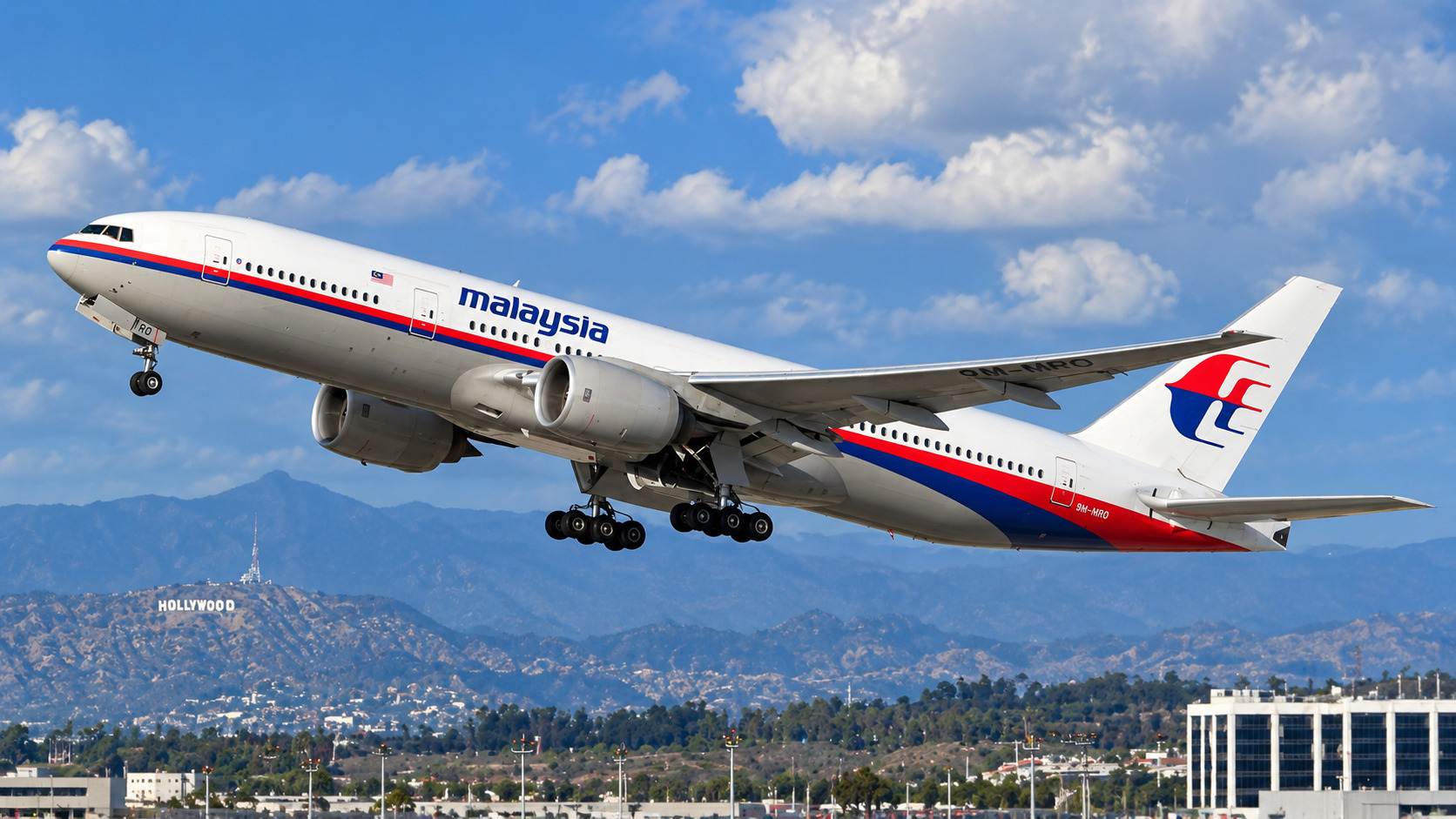
On March 8, 2014, Malaysia Airlines Flight MH370 was flying from Kuala Lumpur, Malaysia, to Beijing, China. The aircraft was a Boeing 777-200ER carrying 239 people. During the flight, the aircraft disappeared from civilian radar. Military radar later indicated that the aircraft had turned away from its planned route.
At the same time, the aircraft's transponder signal was lost. This made the situation extremely difficult for investigators and search teams. A massive international search operation followed. Despite an enormous effort involving aircraft, ships, satellites, and search teams, the main wreckage of MH370 has never been located.
Pieces of debris believed to have come from the aircraft were later discovered on several islands and coastlines. The disappearance of MH370 became one of the greatest mysteries in modern aviation. A Malaysian government report ruled out mechanical or computer failure as the explanation and indicated that the transponder had been deliberately turned off. The exact circumstances surrounding the disappearance remain a subject of investigation and debate.
Also Read: Why Do Airplanes Use Nautical Miles?
What About Other Missing Airplanes?
MH370 is unusual because modern aviation technology makes it very difficult for a large passenger airplane to completely disappear without leaving a clear trail. There have been other cases where aircraft have temporarily disappeared from radar.
For example, in July 2025, an Antonov An-24 passenger aircraft disappeared from radar in Russia. However, unlike MH370, the wreckage was found relatively soon afterward. Many other passenger aircraft that disappeared and were never located date back to the 1950s, 1960s, or earlier.
At that time, aviation technology was far less advanced. There were fewer radar stations, fewer communication systems, and no modern satellite tracking networks. Today, aircraft are monitored using a combination of technologies, making a complete disappearance much less likely.
So, Can an Airplane Really Disappear From Radar?
Yes, but "disappear from radar" does not necessarily mean that an airplane has vanished. It usually means that a particular radar or tracking system can no longer receive information from the aircraft. An airplane can move beyond the range of ground-based radar because of the Earth's curvature and the large distances involved, especially over oceans.
Normally, other systems can continue to provide information about the aircraft. The transponder can communicate with surveillance systems, while satellite-based technologies can help track aircraft in areas where traditional radar coverage is limited. The real problem occurs when several tracking methods stop providing information at the same time.
If an aircraft is beyond the range of conventional radar, loses communication, and stops transmitting its transponder signal, it can become extremely difficult to locate. That is what makes cases such as MH370 so unusual and mysterious. Modern aviation has come a long way since radar was first developed in the 1930s.
Today, airplanes are equipped with sophisticated communication, navigation, and tracking systems. So, while an airplane can sometimes disappear from a radar screen, it is very rare for a modern passenger aircraft to disappear completely.
In most cases, "disappearing from radar" simply means that one method of tracking the aircraft has stopped working. Over the open ocean, where there may be enormous distances between radar stations, this limitation becomes more obvious. But with modern satellite tracking and aircraft communication systems, the chances of completely losing a modern airplane are far lower than they were decades ago.