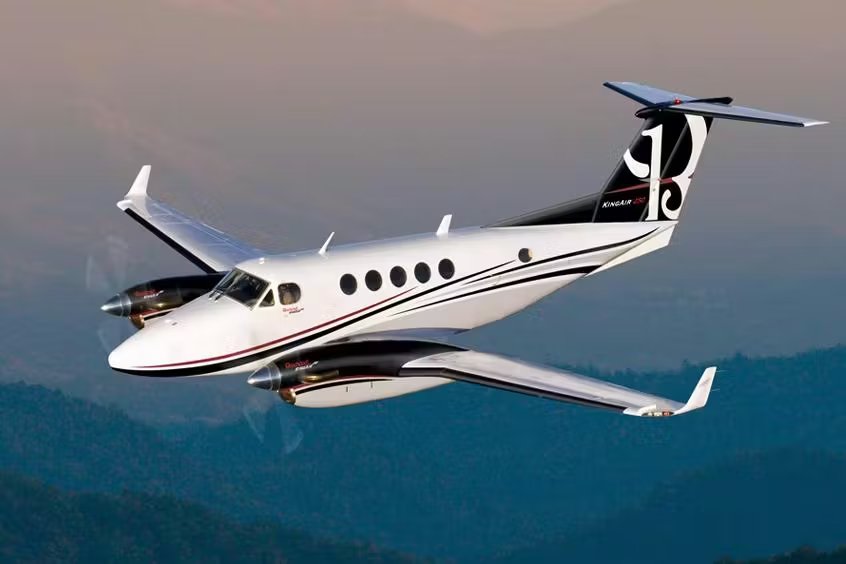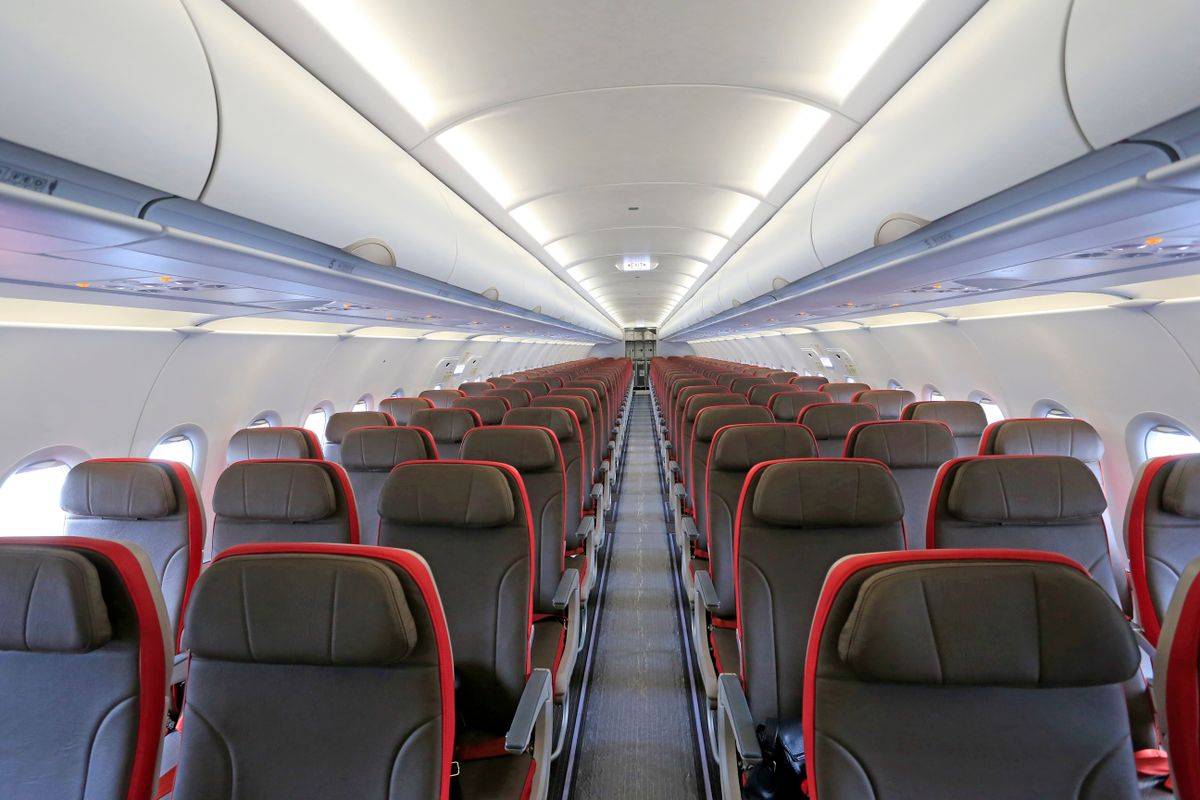
Ever been on a plane that takes off with hardly a dozen passengers on board? We're not talking about critical situations like diversions, storms, or mechanical issues. What you think is a rare phenomenon happens more often than you think. Airplanes do fly with a full crew and empty seats. It may appear to be a mistake, but it's an aviation business decision.
These empty or near-empty planes are also called 'ghost flights', and they're not some gimmick or a PR stunt. It is how an airline responds to a system where having a takeoff and landing slot at a busy airport is worth more than a single fully occupied flight. You need to see the logic, and those empty cabins will stop looking like wasted space to you.
Ghost flights are a useful lesson in how airlines think. It's not always the passengers or the aircraft that matter most on a given day; sometimes a narrow window on a runway schedule is the real prize. With under 10 percent occupancy, a ghost flight helps the airline protect that window.
Also read || What Ultra-Long-Haul Flights Do to Your Brain
What are Ghost Flights?
A scheduled commercial flight that operates at a very low passenger load and is generally under 10 percent of the aircraft's total seating capacity. That's what a Ghost flight is. Some may carry a handful of passengers, while others fly with almost no paying passengers at all. Regardless, they still show up on the Flight Information Display System (FIDS) like any regular flight, fully booked or not.
Nothing is unusual about the operations of these flights. They carry a flight number, a full crew, standard fuel loads, and normal air traffic control clearance. They take off and land on schedule. What gives them a ghostly vibe are their cabins, which look strikingly empty to ground staff and anyone watching from the gate.
When the pandemic happened, ghost flights became the talk of the town. The reason was the sudden fall in the number of passengers, while the airports' slots stayed exactly as they were. There were harsh criticisms from environmental groups and some travelers, but airlines kept flying on their routes to protect their space at congested airports.
What happens to revenue?
The worst thing about a typical ghost flight is that the seats sold bring in nearly no revenue to cover the fuel, crew wages, maintenance, and airport charges for that single trip. Based on the numbers, it is a straightforward loss, and sometimes a very significant one.
When you look at these flights in isolation, it makes no financial sense. An airline can spend tens of thousands of dollars operating a flight that returns only a fraction of that in fares, a result that might look reckless on any standard profit and loss sheet for a single route.
However, airlines don't rely on a single flight, and they rarely judge a flight in isolation. They weigh that short-term loss against the long-term value of the slot itself. Here, a slot acts like an asset that can be worth millions of bucks over the years. When you see it that way, an unprofitable flight today becomes a wise investment in guaranteed access to the airport tomorrow.
Also read || 7 Emerging Trends Shaping Global Aviation
The real reason behind empty flying
"Use-it-or-Lose-it" is the rule and a core reason behind flying ghost flights. This regulation is active at some of the world's busiest airports. Airlines are required to actually operate at least 4/5th of their allocated slots within a given season, or they lose their operational rights. So, if a flight is not using its slots smartly, it'll lose slots along with revenue in the long run.
As an airline, when you miss that 80% threshold, you risk losing your slots to a competing carrier the following season. For instance, a single prime-time slot at major hubs like London Heathrow is reportedly valued at more than $75 million. In short, a slot at a busy airport is a closely guarded asset that most airlines want.
There's a trade-off: carriers can either save their asset by flying a near-empty plane, or they can avoid flying to save costs. But saving costs might lead to loss of the asset, so a ghost flight is an economical option. A ghost flight might cost somewhere around $15,000 - $ 20,000, but losing the slot at the busiest airport would affect future revenue much worse.
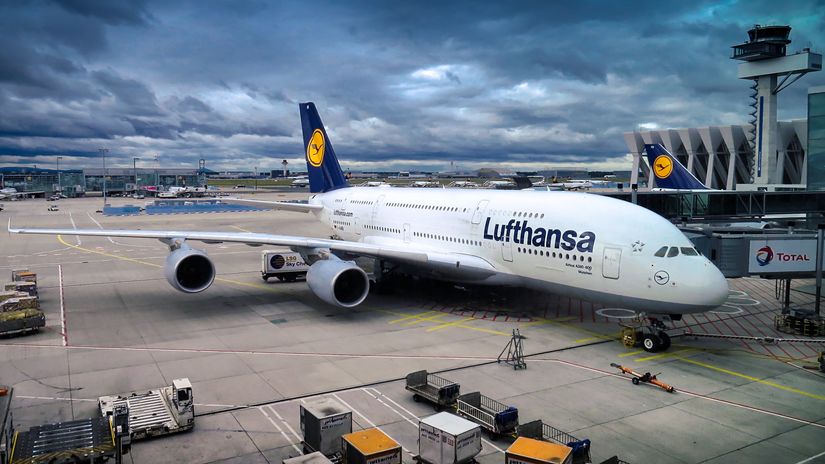
The decision might look odd, but it works in favor of flights. It makes more financial sense to burn fuel on almost-empty aircraft than to walk away from the right to fly. The German carrier Lufthansa publicly acknowledged operating thousands of additional flights in a single winter, mainly to protect its slots under EU regulations.
Not every ghost flight is crazy about slots; some airlines also run ferry flights to move aircraft to wherever they're needed next, ot to carry cargo and mail even when there are fewer passengers. Though these flights might look empty from the outside, they are solving a different operational problem entirely.
Ghost flights: The real impact
The biggest concern with ghost flights is environmental damage. When an empty aircraft still burns the same volume of jet fuel as a fully occupied aircraft, it emits carbon dioxide and other emissions into the atmosphere. It becomes a bigger environmental problem and contributes to a high carbon footprint.
During the pandemic years, this happened at scale. Non-governmental organizations estimated that the EU alone witnessed over 100,000 ghost flights. These flights were causing climate damage by roughly producing 2.1 million tonnes of carbon dioxide, which is around 1.4 million average passenger cars on the road.
Apart from emissions, the flights also strain limited airport infrastructure, which includes runway slots, air traffic controller attention, and ground handling staff. It's hard to justify the costs when there is only a small fraction of flying passengers. Thus, ghost flights put pressure on an already under-pressure industry, making operations unsustainable.
Also read || The World's Most Carbon-Efficient Airlines Right Now
Why it really matters
Ghost flights sit right at the junction of operational efficiency, environmental responsibility, and competition policy, and that's exactly why they matter to all of us. To stop airlines from hoarding valuable takeoff and landing times, we have slot rules, which allow us to have affordable fares that can be pushed up if some airlines hoard the slots.
The same rules created for the protection of competition can end up encouraging waste, effectively pushing airlines to fly near-empty aircraft to hold on to their place at the airport, so environmentally it can be disastrous. Thanks to the slot rules, regulators can choose either to protect competition or reduce wastage and emissions, which became a huge dilemma during and after the pandemic.
Ghost flights are a reminder that not everything in the industry is as irrational as it appears. What looks like environmental damage and an airline wasting fuel is a smart business decision that keeps airline businesses alive in the long run.