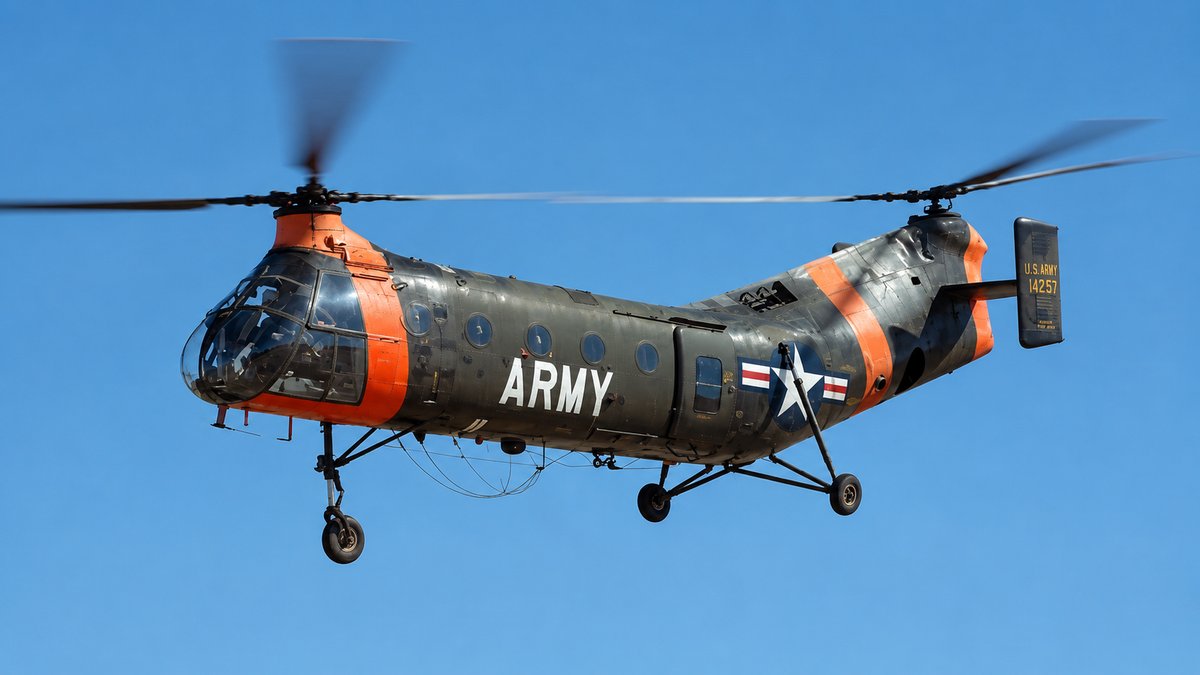
The history of military aviation is filled with aircraft that have earned unusual nicknames, but few are as famous as the "Flying Banana." Officially known as the Piasecki H-21, this military transport helicopter became well known not only because of its distinctive curved appearance but also because of its major contribution to the development of modern military helicopters.
At first glance, the H-21 looked very much like a giant banana flying through the sky. However, its unusual shape was not created for style or appearance. Instead, the curved fuselage was a smart engineering solution that improved the helicopter's safety and performance. More importantly, the Flying Banana introduced a design that later inspired one of the world's most successful military helicopters, the Boeing CH-47 Chinook.
The Man Behind the Flying Banana
The Flying Banana was designed by Frank Piasecki, one of the pioneers of helicopter aviation in the United States. In 1940, Piasecki and his college friend Harold Venzie established the P-V Engineering Forum, a company dedicated to designing and building helicopters. During those years, helicopters were still experimental aircraft.
Although airplanes had already become reliable for military and civilian use, helicopters were viewed as risky, expensive, and too complicated for widespread use. Many experts believed they would never become practical aircraft. Frank Piasecki disagreed with this opinion. He believed helicopters had enormous potential because they could take off and land vertically, hover in one place, and reach locations where conventional airplanes could not operate.
His biggest innovation was the use of tandem rotors, with one large rotor at the front and another at the rear instead of the traditional single main rotor and tail rotor. Piasecki believed this design would produce a helicopter that was stronger, more stable, and capable of carrying much heavier loads than existing helicopters.
Piasecki's First Helicopter
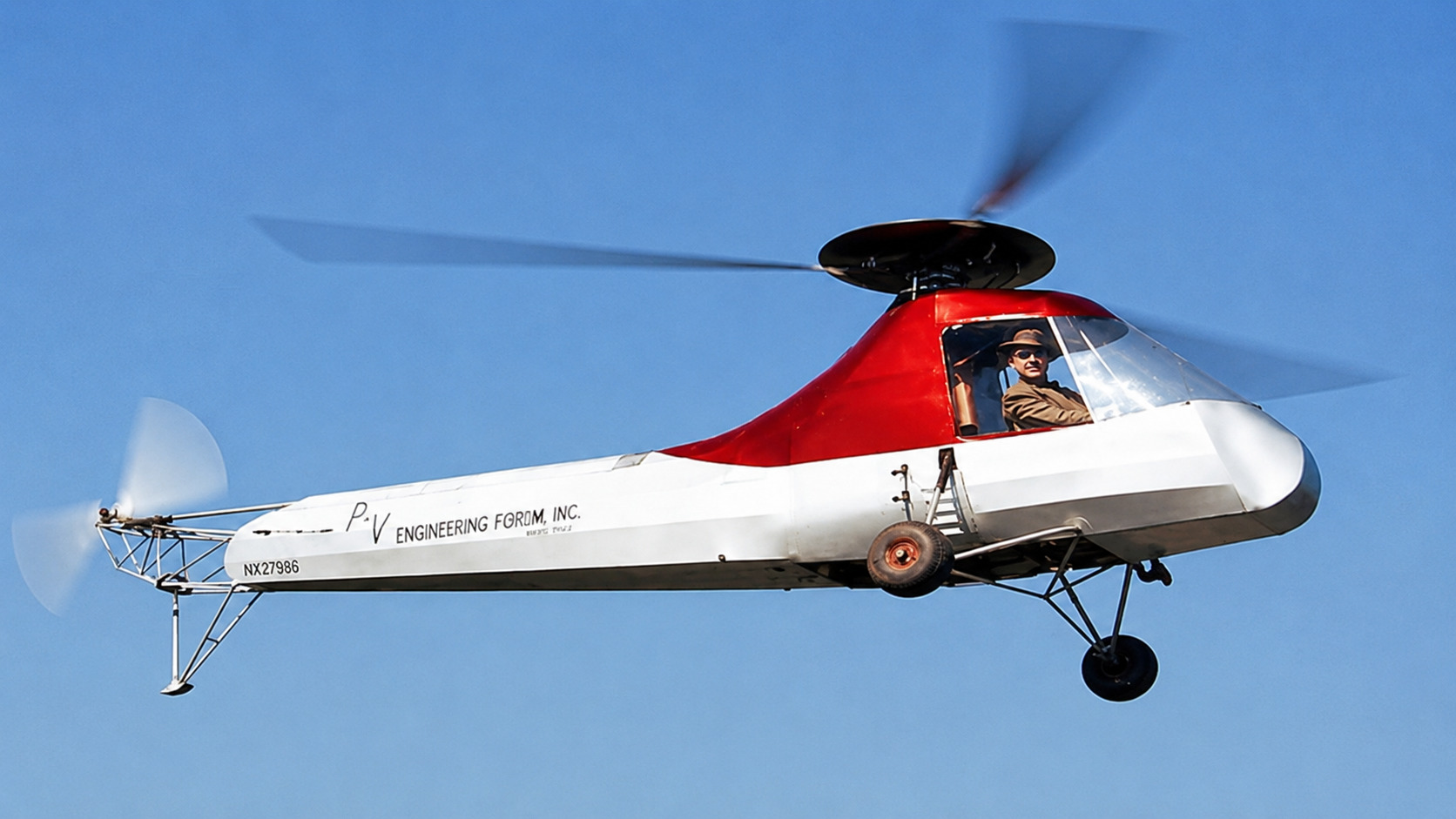
Before developing the Flying Banana, Piasecki built a small experimental helicopter called the PV-2 in 1943. The aircraft had only one seat and a single rotor, and its purpose was not to transport people or cargo but simply to demonstrate that Piasecki's engineering ideas worked in practice.
The PV-2 became only the second helicopter ever flown in the United States, following Igor Sikorsky's VS-300, which made its first successful flight in 1939. Piasecki also achieved another historic milestone by becoming the first person in the United States to receive a helicopter pilot's license, proving that he was not only an innovative aircraft designer but also a skilled helicopter pilot.
Also Read: How NASA Secretly Hid an SR-71 in Plain Sight
The Birth of the Flying Banana
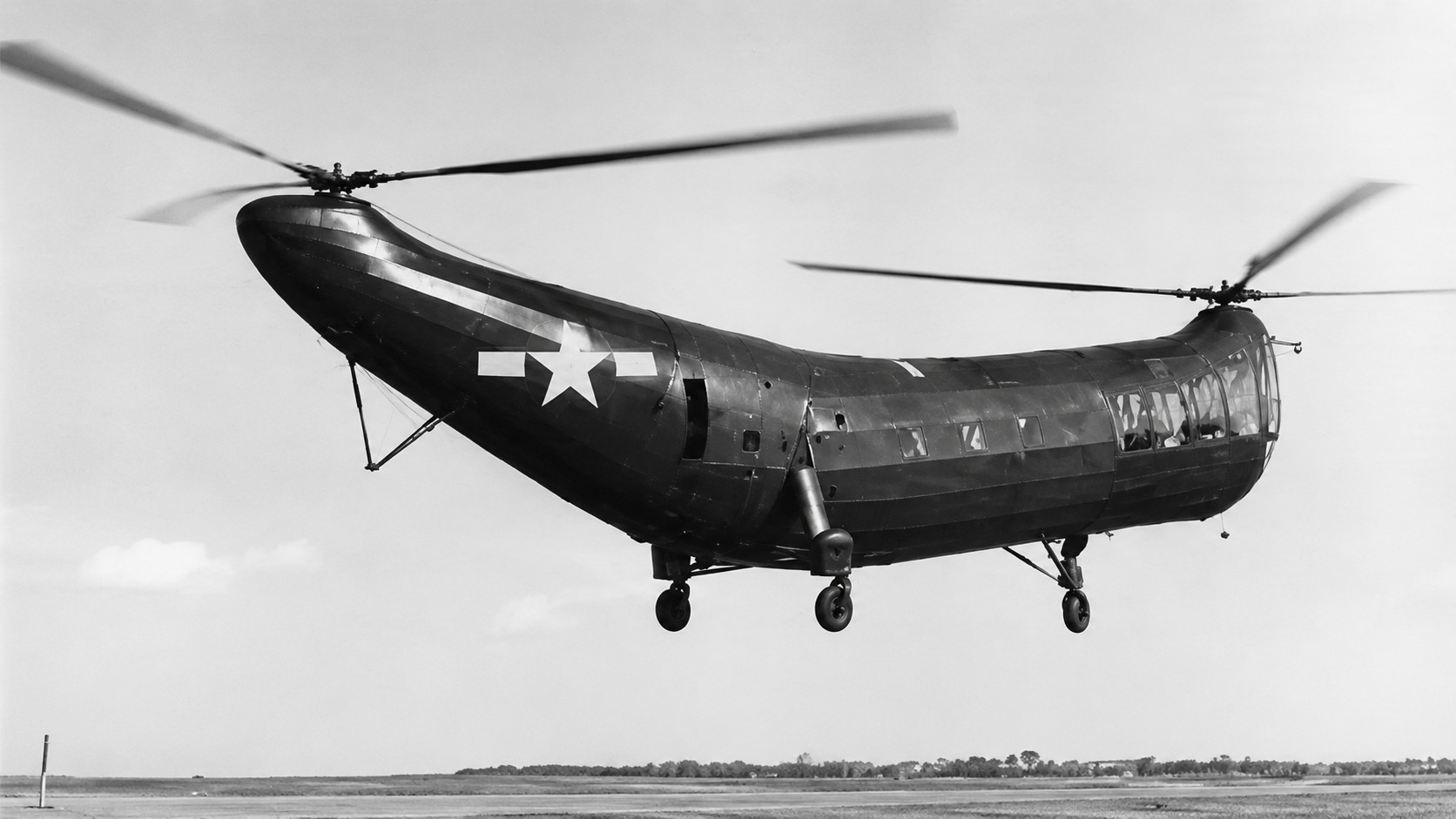
After the success of the PV-2, Piasecki continued improving his designs and began developing much larger transport helicopters. His first experimental models were known as the XHRP-1 and XHRP-2. Unlike most helicopters of the time, these aircraft used two large rotors, with one mounted at the front and another at the rear. This tandem rotor arrangement eliminated the need for a tail rotor while providing much greater lifting power.
However, the design created a serious engineering challenge. Because the front and rear rotor blades slightly overlapped, there was a possibility that they could strike the helicopter's body if it flexed during flight. To solve this problem, Piasecki designed the rear section of the fuselage with a noticeable upward curve, allowing the rear rotor to safely clear the front rotor. The solution worked extremely well, but it also gave the helicopter its distinctive curved appearance.
As a result, the aircraft looked remarkably like a giant banana. Pilots, engineers, and military personnel quickly began calling it the "Flying Banana," and the nickname remained with the helicopter throughout its service life. The curved fuselage soon became the signature design feature of Piasecki's tandem-rotor helicopters.
Winning Over the Military
When World War II increased the demand for transport helicopters, Piasecki finally had the opportunity to demonstrate his tandem rotor concept. Surprisingly, the first branch of the U.S. military to show interest was not the Army or Navy but the United States Coast Guard. The Coast Guard needed a powerful helicopter capable of carrying heavy rescue equipment and transporting survivors from ships that had been torpedoed along the East Coast of the United States.
Existing helicopters simply did not have enough lifting power or cargo capacity for these demanding rescue missions. The U.S. Navy, however, remained skeptical. Military officials believed helicopters were still experimental aircraft and doubted whether Piasecki's design could carry the required 1,800-pound payload.
Despite these concerns, the Coast Guard placed an order for one helicopter on New Year's Day in 1944. The Coast Guard's confidence soon changed the Navy's opinion, and shortly afterward the Navy ordered two helicopters of its own. These became the first helicopters ever developed under a U.S. military contract, marking an important milestone in American military aviation.
Building the Giant Helicopter
Development continued after the war, and in June 1947, Piasecki completed the first XHRP-1 test aircraft. Because the prototype lacked its fabric covering and much of its internal framework was exposed, workers gave it the nickname "Dogship." A second XHRP-1 was built solely for ground and structural testing.
These helicopters attracted attention wherever they appeared because of their enormous size. They were three times larger than any other helicopter flying at the time, making them the largest and only tandem-rotor helicopters in the world. Combined with their unusual curved bodies, they looked unlike any helicopter people had ever seen before.
From Prototype to Production
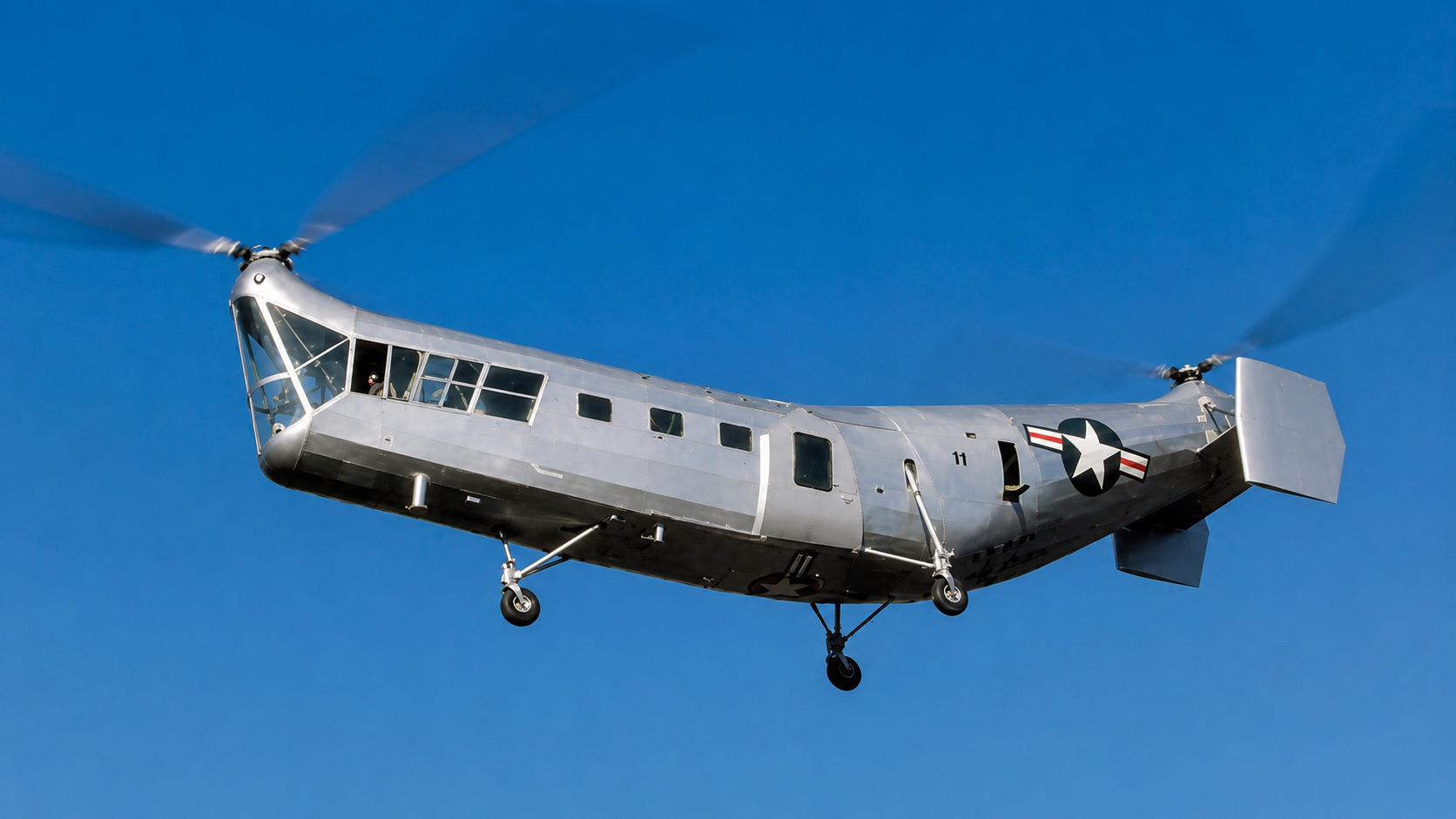
The experimental helicopters proved so successful that Piasecki quickly moved into full-scale production. The company built 20 production HRP-1 helicopters, removing the "experimental" designation from the aircraft. The first production model flew in August 1947, and manufacturing continued until 1950. As more Flying Bananas entered service, the U.S. Coast Guard, Navy, and Marine Corps tested them in a variety of military roles.
Military leaders soon realized the helicopter could perform missions that had previously been impossible. It could transport troops into difficult terrain, carry heavy cargo, evacuate wounded soldiers, and rescue people from locations that conventional airplanes could not reach.
The production HRP-1 could carry 10 fully equipped passengers or six stretchers for medical evacuation while lifting as much as 2,000 pounds of cargo. Its versatility increased even further because its landing gear could be fitted with floats for water operations or skis for snow-covered environments.
Helping Create Modern Helicopter Warfare
%201.jpg)
The Flying Banana also played an important role in changing military tactics. Between 1948 and 1950, the United States Marine Corps operated 12 HRP-1 helicopters with Marine Helicopter Squadron (HMX) 1.
These helicopters helped develop the world's first vertical assault tactics, allowing troops to be transported directly into combat by helicopter instead of approaching enemy positions by road or sea. This revolutionary concept completely changed military strategy and later became one of the most important methods of modern warfare.
Also Read: How the Beechcraft Bonanza Got the Nickname “Doctor Killer”
The H-21 Shawnee
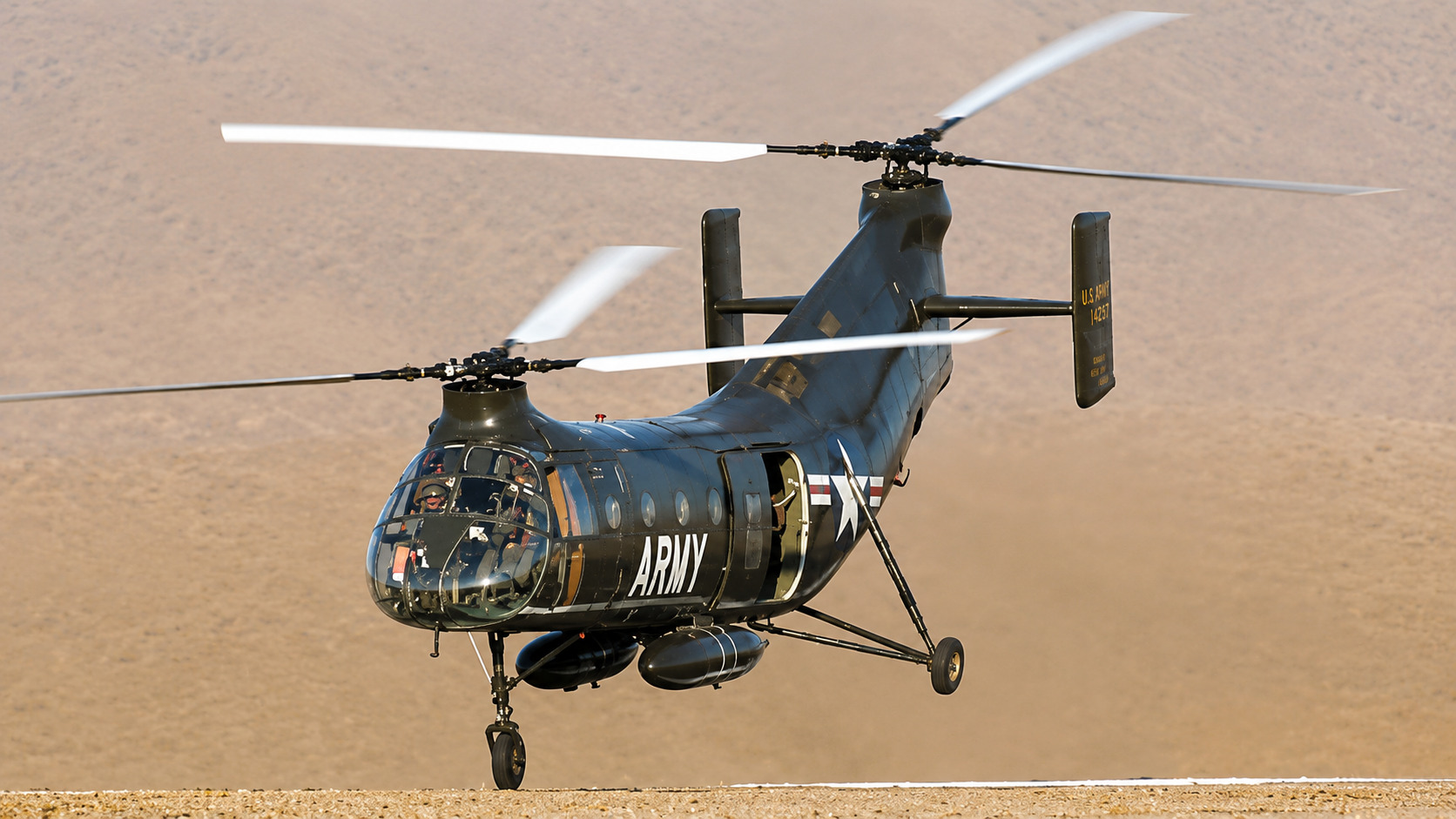
The H-21 was developed as an improved version of the HRP-1. It featured a more powerful engine, greater lifting capacity, and better overall performance. The helicopter impressed the U.S. Air Force by setting several altitude and speed records, convincing the U.S. Army to purchase the improved H-21C Shawnee.
During the early years of the Vietnam War, the H-21 became one of America's first true assault helicopters because it could carry an entire infantry squad along with its equipment into combat zones.
Unfortunately, the aircraft also became part of military history under tragic circumstances. On February 4, 1961, an H-21 Shawnee became the first U.S. helicopter shot down during the Vietnam War, marking a significant and unfortunate milestone in military aviation.
The Legacy of the Flying Banana
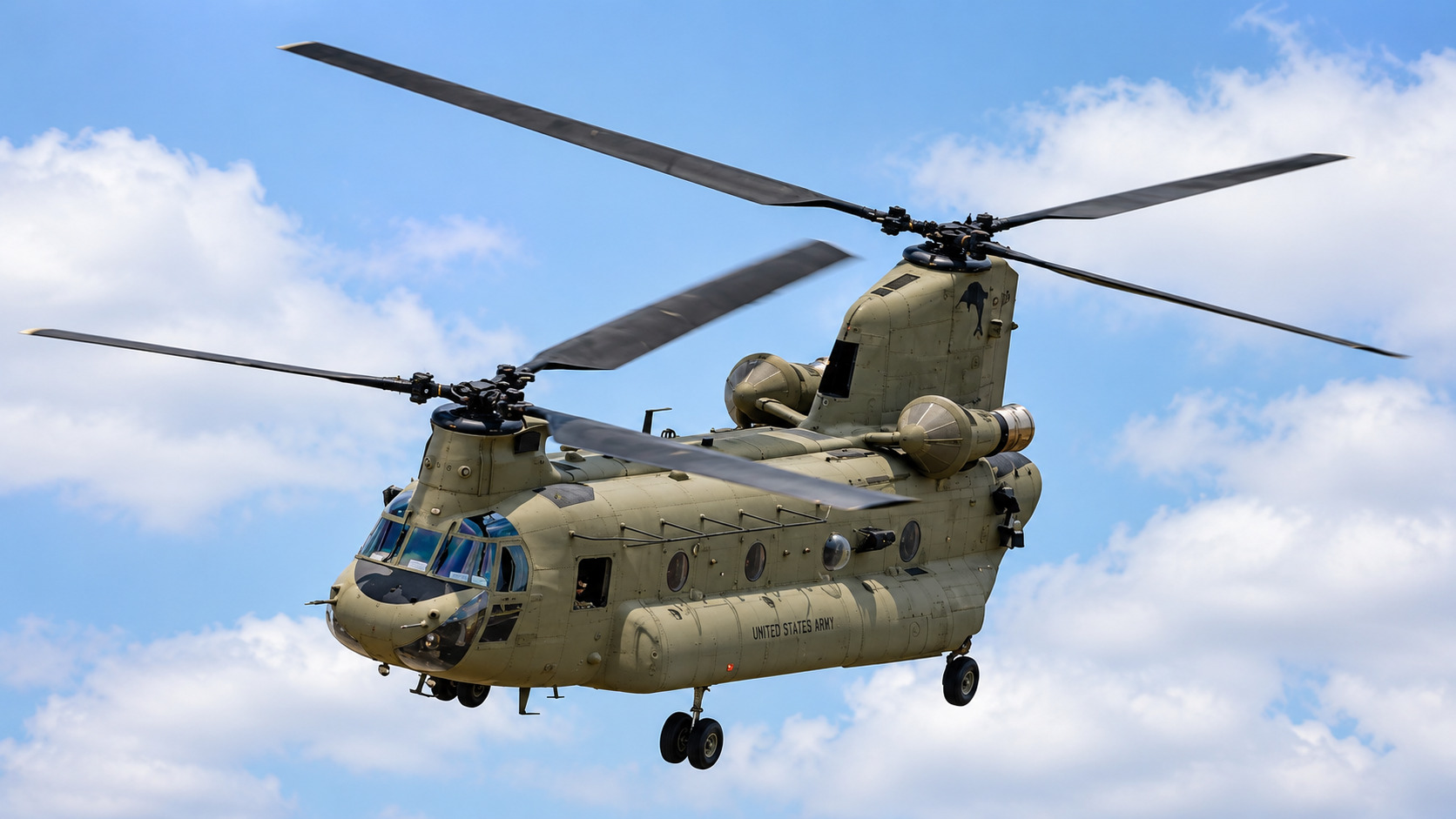
By the late 1950s, helicopter technology had advanced rapidly, and in 1960, Boeing acquired the Piasecki Helicopter Corporation, making it part of the company's helicopter division. Boeing engineers continued developing Piasecki's tandem rotor concept and eventually created the CH-47 Chinook, which remains one of the world's most successful heavy-lift military helicopters.
Although the Chinook has a more modern appearance, its basic design still follows the same principles introduced decades earlier by Frank Piasecki. In total, 707 H-21 Flying Bananas were built, leaving behind an impressive legacy in military aviation.