The commercial aviation industry drives global connectivity and a selected group of mega-carriers dominates the skies through massive fleet sizes, expansive route networks and billions of dollars in annual revenue. Measuring the scale of the world’s largest airlines involves looking at key metrics such as scheduled passenger capacity, fleet size, operational revenue and “available seat miles” (ASM). While regional markets fluctuate, the top tiers of aviation remain consistently anchored by the corporate giants in North America, Europe and Asia.
Understanding how these aviation leaders maintain their dominant market share requires examining their core hubs and strategic alliances. Many of these top carriers leverage international networks like Star Alliance, SkyTeam or OneWorld to expand their market reach without operating every flight themselves. From low-cost domestic pioneers to premium long-haul operators, these entities dictate the global travel trends, corporate pricing and supply chain logistics.
American Airlines
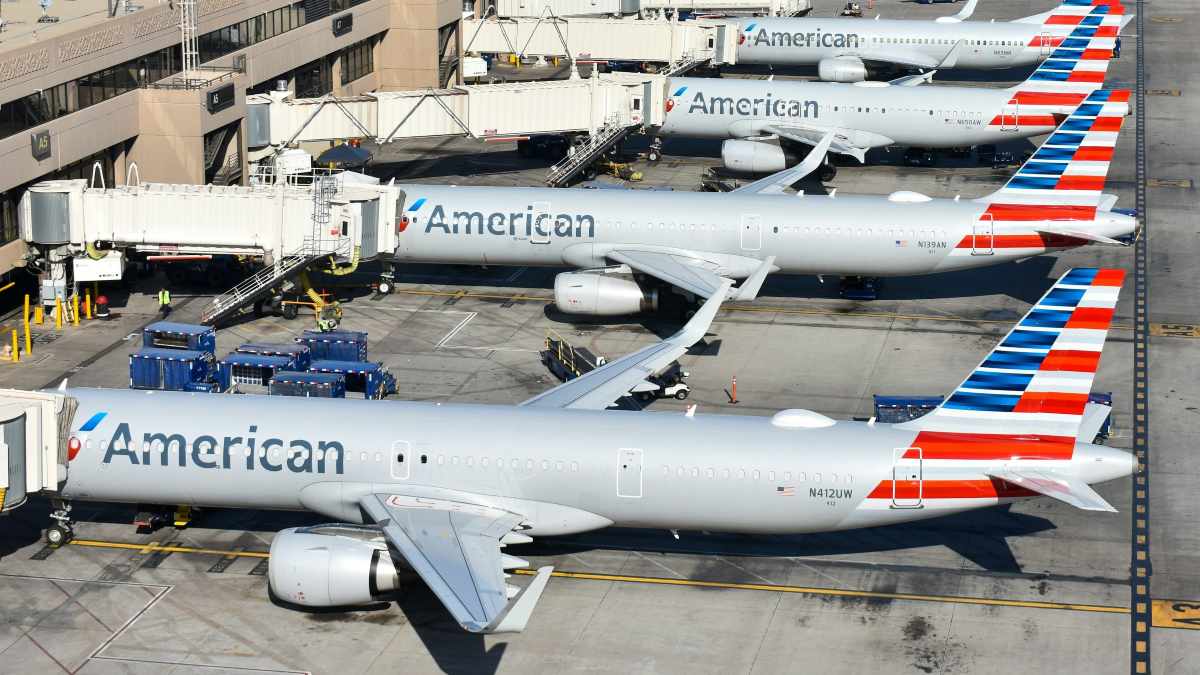
American airlines stands as the largest airline in the world based on its massive fleet size and total passenger intake. Operating out of its primary hub in Dallas-Fort Worth, the carrier managed thousands of flights every single day. This airline serves an extensive network of both domestic cities and far-reaching international destinations. Passengers often choose this carrier to travel because its membership in the Oneworld alliance offers seamless connections worldwide. Its historical mergers have allowed the company to maintain a dominant position in global aviation.
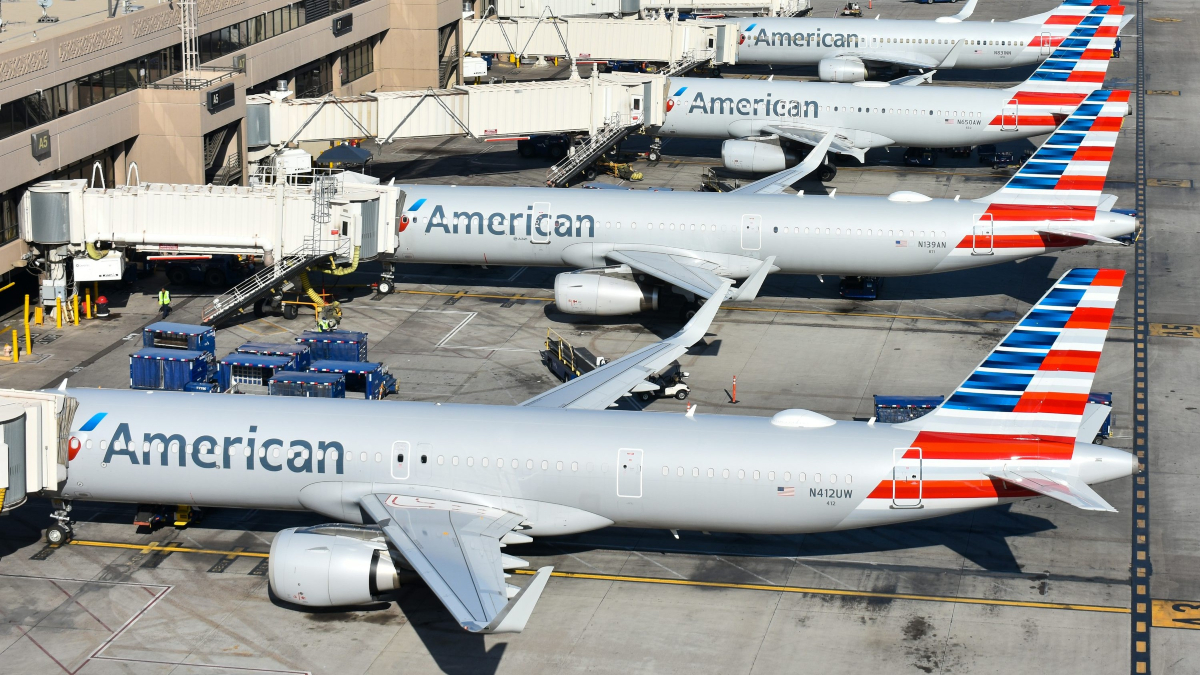
The current scale of American Airlines is the result of decades of corporate consolidation, most notably its landmark merger with US Airways. By integrating its regional network via American Eagle, the company built a highly efficient hub-and-spoke system. Currently, it operates a mainline fleet of over 900 aircraft, heavily relying on Boeing 737 and Airbus A320 families for domestic routes, while it's losing Boeing 777 and 787 Dreamliners for high-demand transatlantic and transpacific corridors.
Delta Air Lines
Delta Air Lines is widely recognized as the world’s largest airline by total revenue and operational wealth. Headquartered in Atlanta, Georgia, it utilizes the world’s busiest airport to connect travellers across six continents. The company is heavily focused on operational reliability, consistently winning awards for on-time performance and customer satisfaction. As a founding member of the SkyTeam alliance, Delta provides travellers access to a vast global network. Investing heavily in cabin upgrades makes this carrier a top choice for both opting for business and leisure class.
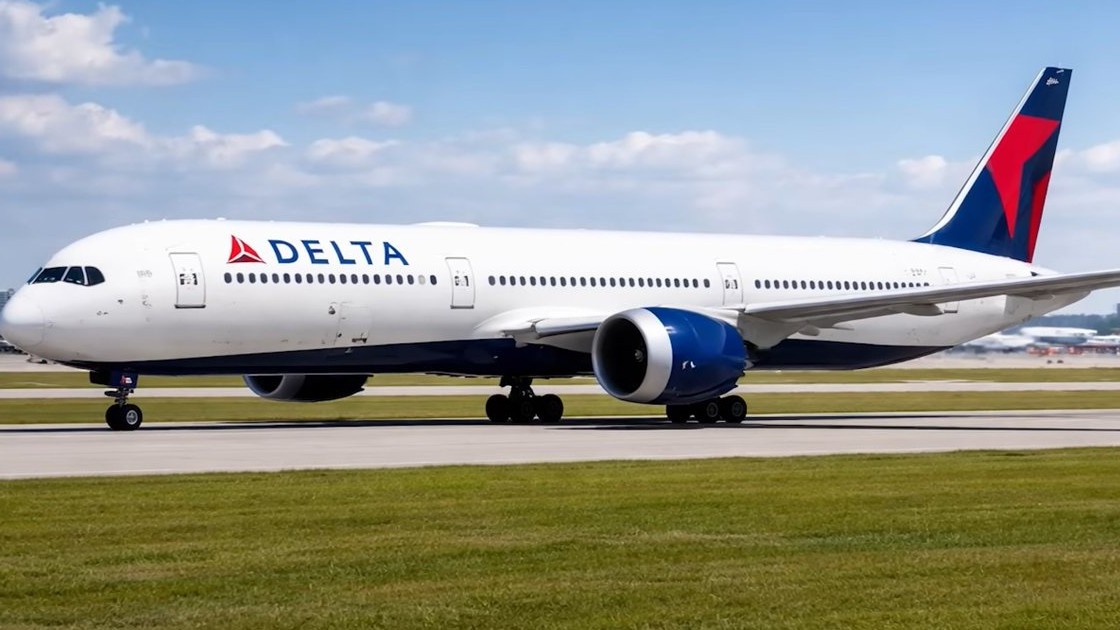
Delta manages a diverse fleet of nearly 1,000 mainline aircraft, making it one of the largest operators of Airbus passenger jets globally. Having its main hub in Atlanta, recognized as one of the busiest airports on Earth, processing tens of millions of passengers annually. Furthermore, Delta’s lucrative co-branded credit card partnership with American Express provides a steady, multi-billion dollar revenue stream that remains resilient even during periods of economic viability.
Also Read: 10 Strange Looking French Aircraft
United Airlines
United Airlines commands a massive global presence with an extensive network of domestic and trans-atlantic routes. The carrier leverages key American hubs like Chicago, Denver and San Francisco to move millions of passengers annually. It stands out for offering a vast selection of international destinations across Asia, Europe and Latin America. As a prominent member of the Star Alliance, this carrier connects customers to hundreds of partner destinations globally. Recent investments in sustainable aviation fuel shows the company's commitment to modernizing its large fleet.
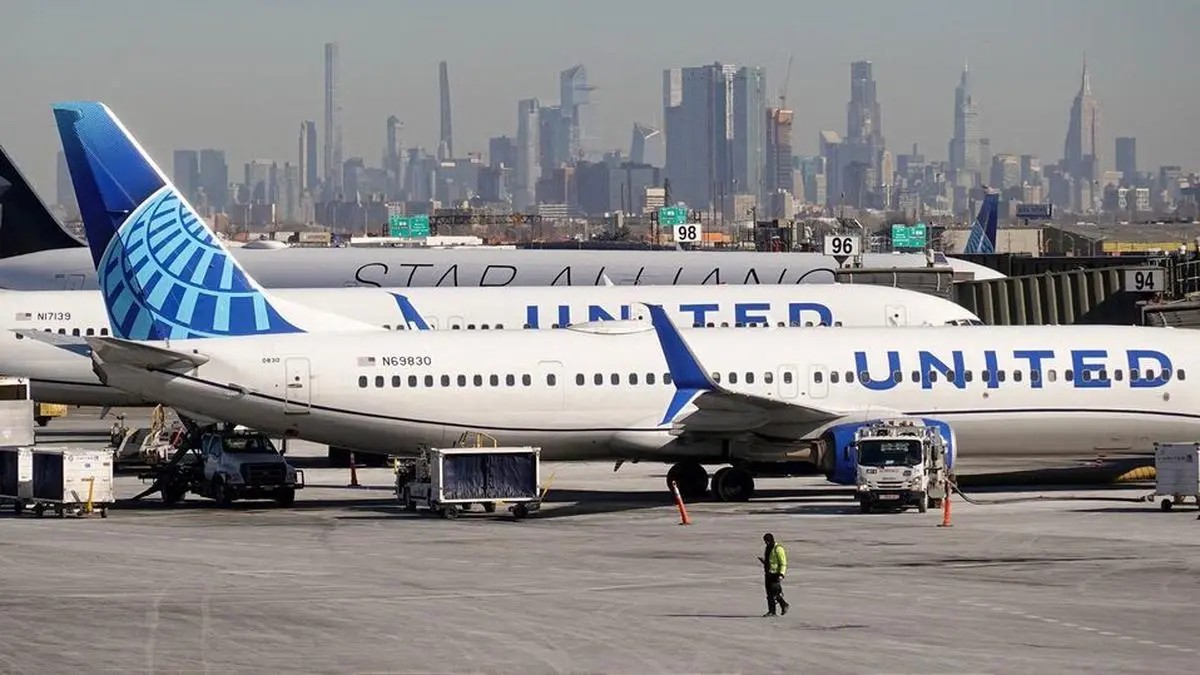
United maintains a massive fleet of more than 1,400 aircraft, including mainline jets and contracted regional partners. It holds the distinction of being the world’s largest operator of Boeing wide-body aircraft, utilising them to service major global financial centers. Through strategic hubs in San Francisco, Newark, Houston and Washington D.C., United effortlessly pipes domestic traffic into its high-revenue global network.
Southwest Airlines
Southwest Airlines is a unique carrier because it is the largest low-cast carrier in the entire world. Unlike its main competitors, this airline operates a point-to-point route model instead of using centralized hubs. The company famously flies an all-Boeing 737 fleet to reduce its maintenance processes and reduce operating costs. The carrier is famous among travellers for their customer-friendly policies, which include free checked bags and no hidden charges. This business strategy has made domestic air travel highly accessible and affordable to the passengers for decades together.
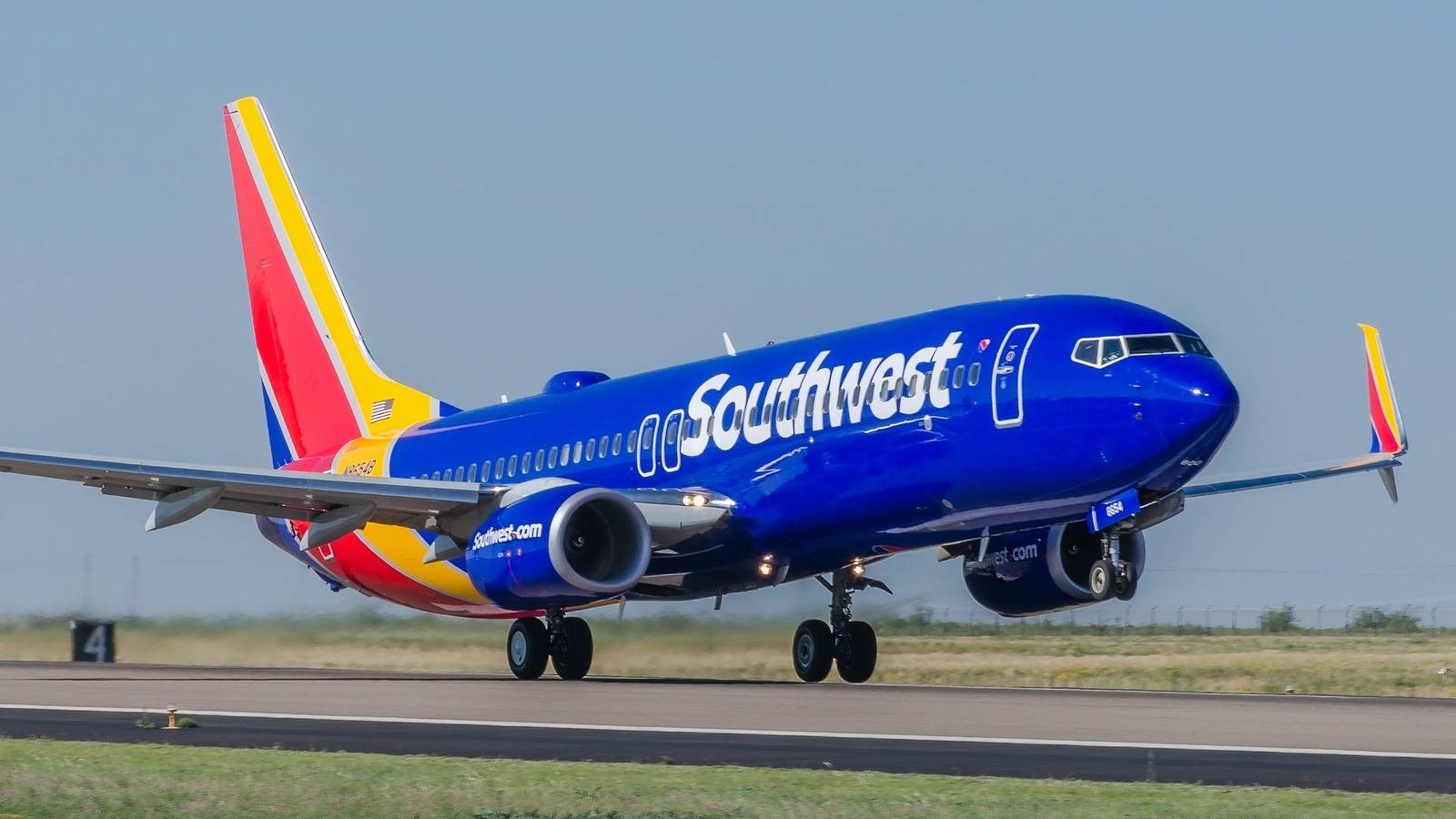
Southwest operates a highly standardized fleet consisting exclusively of over 800 Boeing 737 aircraft. By utilising a single aircraft type, Southwest dramatically reduces its maintenance expenses, simplifies pilot training and streamlined ground operations. It was primarily focused on domestic United States travel, the airline has successfully expanded its near-international footprint into Mexico, Central America and the Caribbean.
Also Read: How To Survive A Red-Eye Flight Effortlessly
Ryanair
Ryanair is Europe’s largest airline and a massive pioneer in ultra-low-cost air travel. Located in Ireland, this carrier is budget-conscious for travellers across dozens of European countries at incredibly low prices. The airline keeps its ticket costs at an affordable rate by flying into secondary airports and charging for extra services. By maintaining a highly efficient fleet of aircraft, they maximize daily flights and reduce turnaround times. Their aggressive growth strategy has successfully transformed how people travel across the European continent.
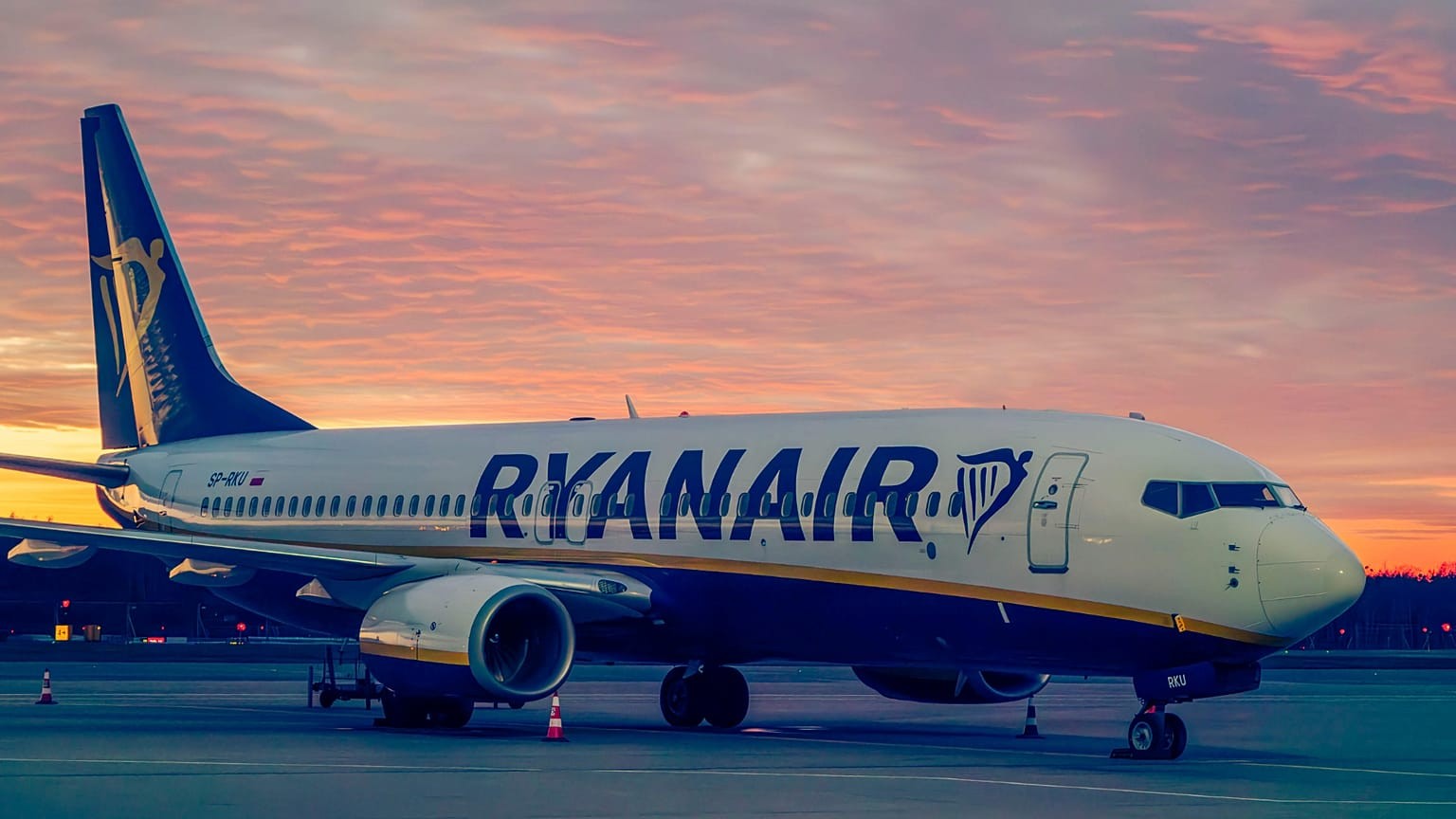
Ryanair ranks as the third largest airline globally by financial market capitalization, valued at over $31 billion USD. The carrier maximizes its operational efficiency by utilising secondary airports to minimize landing fees and executing incredibly fast aircraft turnarounds. By driving base ticket prices down and building profit through optional add-ons like cabin baggage, seat selection, the carrier has secured an unmatched volume-based market share in the European theatre.
Also Read: 10 Of The Strangest Boeing Aircrafts Ever Made
The Strategic Importance Of Mega-Alliances & Networks
The global reach of these massive airlines is significantly amplified by their participation in international airlines networks. For instance, United Airlines leverages its founding membership in Star Alliance to offer smooth baggage transfers and shared frequent flyer perks across dozens of partner airlines. Similarly, Delta Air Lines utilizes the SkyTeam Alliance to cooperate flights with major European and Asian partners, while American Airlines uses OneWorld to secure its massive transatlantic footprint.
Conversely, independent low-cost powerhouses like Ryanair and Southwest completely skip any kind of alliance memberships. Instead, they focus on hyper-efficient point-to-point operations and make the ticket pricing affordable for the passengers. These contrasting corporate networks shape modern air transport, allowing different business models to thrive concurrently. As global tourism and international business travel continue to expand, these massive airlines remain well-positioned to maintain their overall market dominance. Through the continuous fleet modernization, multi-billion dollar aircraft orders and strategic hub placement, they dictate the economic parameters of modern global transit.