France has produced some of the world's most innovative aircraft. While many French designs are admired for their beauty and elegance, others are remembered for their unusual and sometimes bizarre appearance. Over the years, French engineers have often prioritized practicality, experimentation, and performance over aesthetics.
As a result, several aircraft emerged with shapes and proportions that looked strange even by aviation standards. Despite their unconventional appearance, many of these aircraft performed their duties effectively and contributed significantly to aviation history. Here are ten of the strangest-looking French aircraft ever built.
Bréguet 1050 Alizé
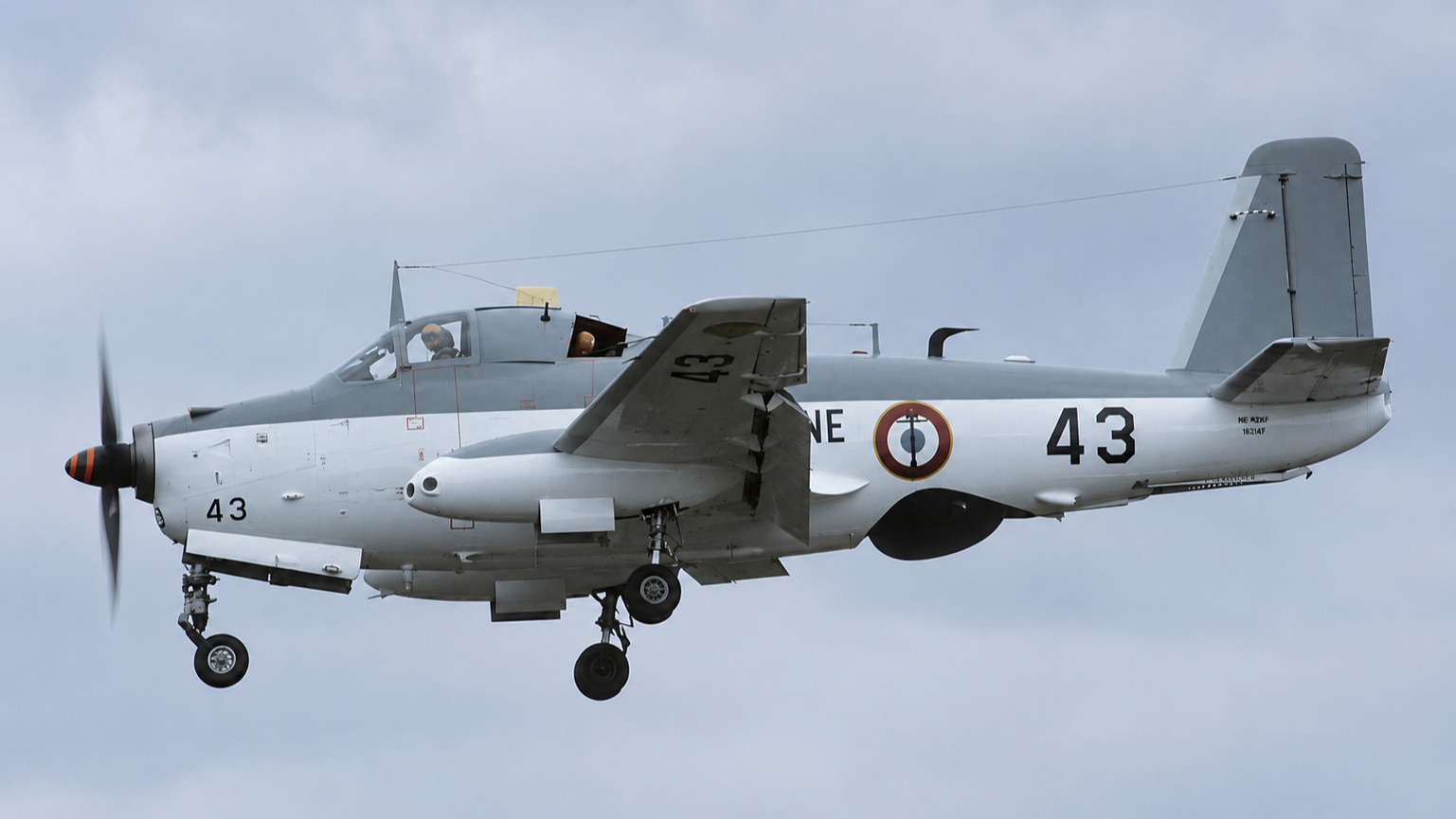
The Bréguet 1050 Alizé was developed as a carrier-based anti-submarine warfare aircraft for the French Navy. It made its first flight in 1956 and entered service in 1959. Powered by a Rolls-Royce Dart turboprop engine, it could reach speeds of more than 320 mph. The aircraft could carry torpedoes, depth charges, bombs, rockets, and missiles, making it a capable maritime patrol platform.
However, Alizé's appearance was far less impressive than its performance. Its fuselage was covered with antennas, aerials, sensors, exhaust pipes, and numerous external fittings, giving it a cluttered and awkward look. Despite its ungainly appearance, the aircraft proved highly effective and remained in service for more than four decades. It also served with the Indian Navy, where it participated in the liberation of Goa in 1961 and the Indo-Pakistani War of 1971.
Also Read: 10 Strange and Surprising Things Transported by Air Cargo
Bréguet 763 "Deux-Ponts"
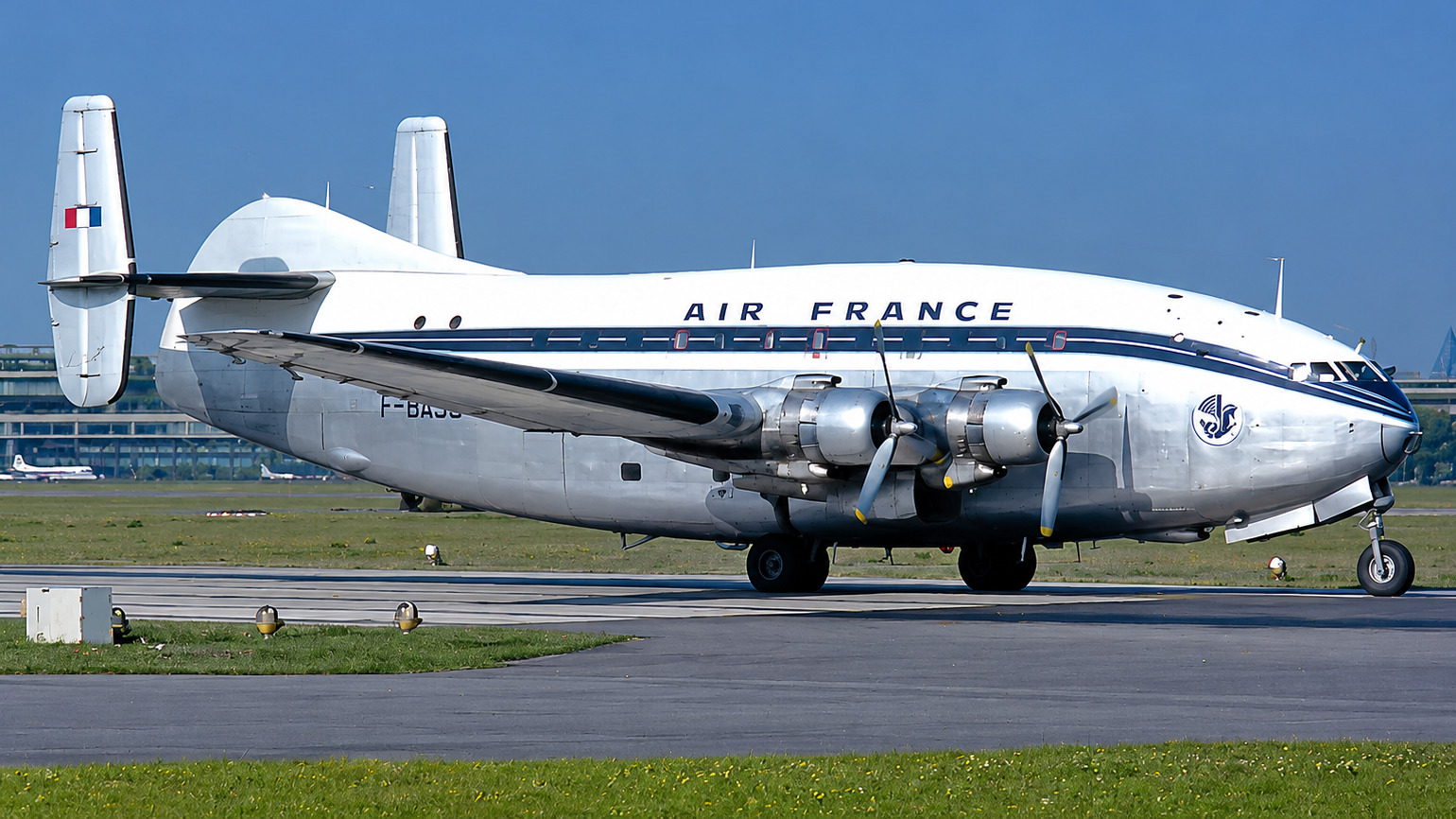
The Bréguet 763, commonly known as the "Deux-Ponts" ("Double-Decker"), was one of the most unusual-looking airliners of its era. Developed in the late 1940s, the aircraft featured a large double-deck fuselage designed to carry more than 100 passengers. While this innovative arrangement was ahead of its time, the resulting aircraft looked bulky and oddly proportioned.
Powered by four Pratt & Whitney radial engines, the Deux-Ponts offered respectable performance for its era, but it faced stiff competition from surplus wartime transports and the emerging generation of jet airliners. Only twenty examples were built before production ended. Nevertheless, its double-deck layout anticipated later large-capacity airliners, most notably the Airbus A380.
Amiot 143
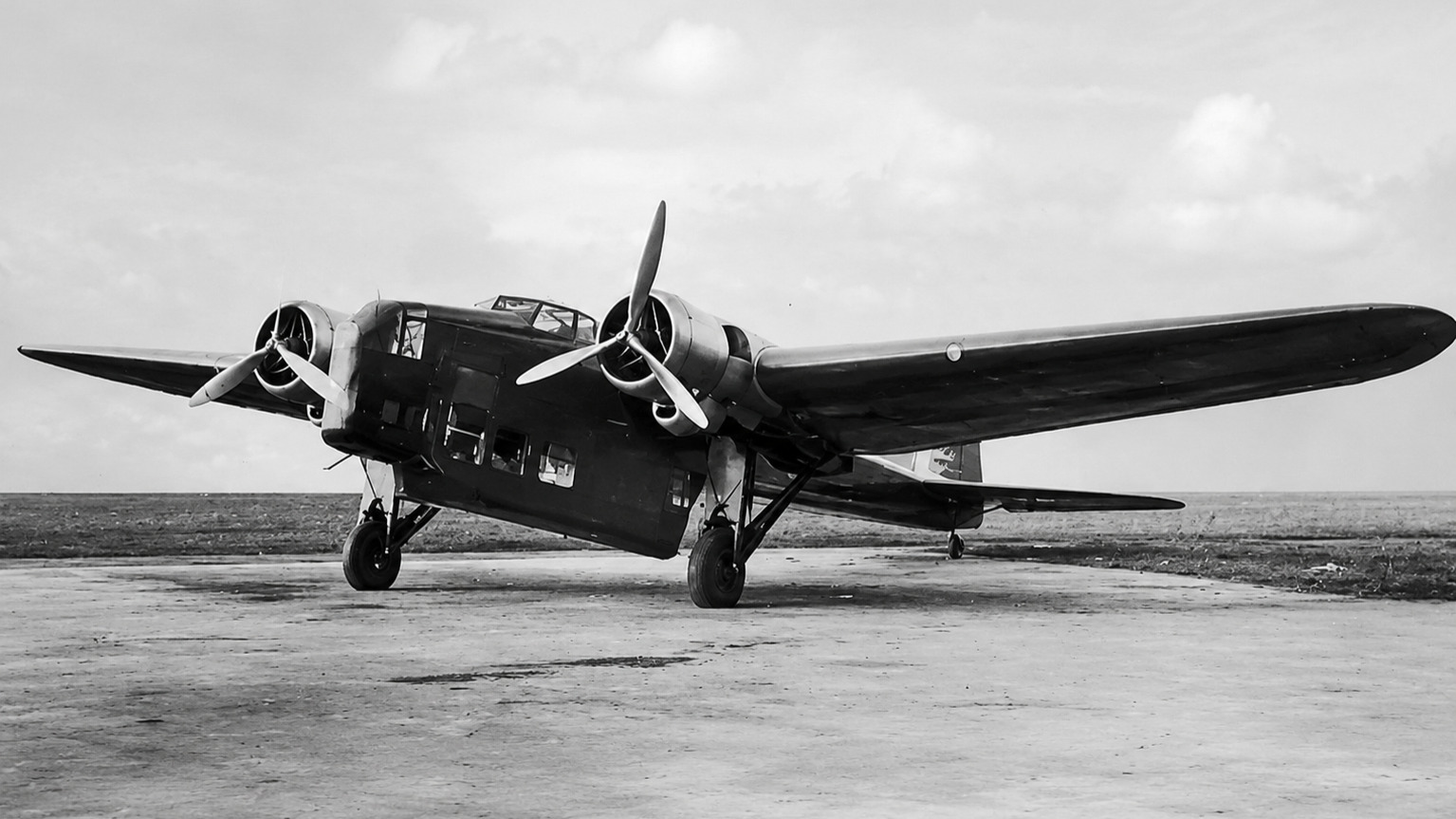
The Amiot 143 is often regarded as one of the strangest bombers ever built. Developed during the 1930s, it looked outdated almost from the moment it entered service. The aircraft featured a large box-shaped fuselage, multiple protruding gun positions, and an enormous wing with an unusually broad chord. Its appearance was so unconventional that it seemed more like a flying structure than an aeroplane.
However, the unusual design provided practical advantages, including additional internal space for fuel and equipment. Armed with machine guns and capable of carrying substantial bomb loads, the Amiot 143 served as a bomber and reconnaissance aircraft during the early stages of the Second World War. Although it proved vulnerable to modern fighters during daylight operations, it remained useful for night missions and reconnaissance tasks.
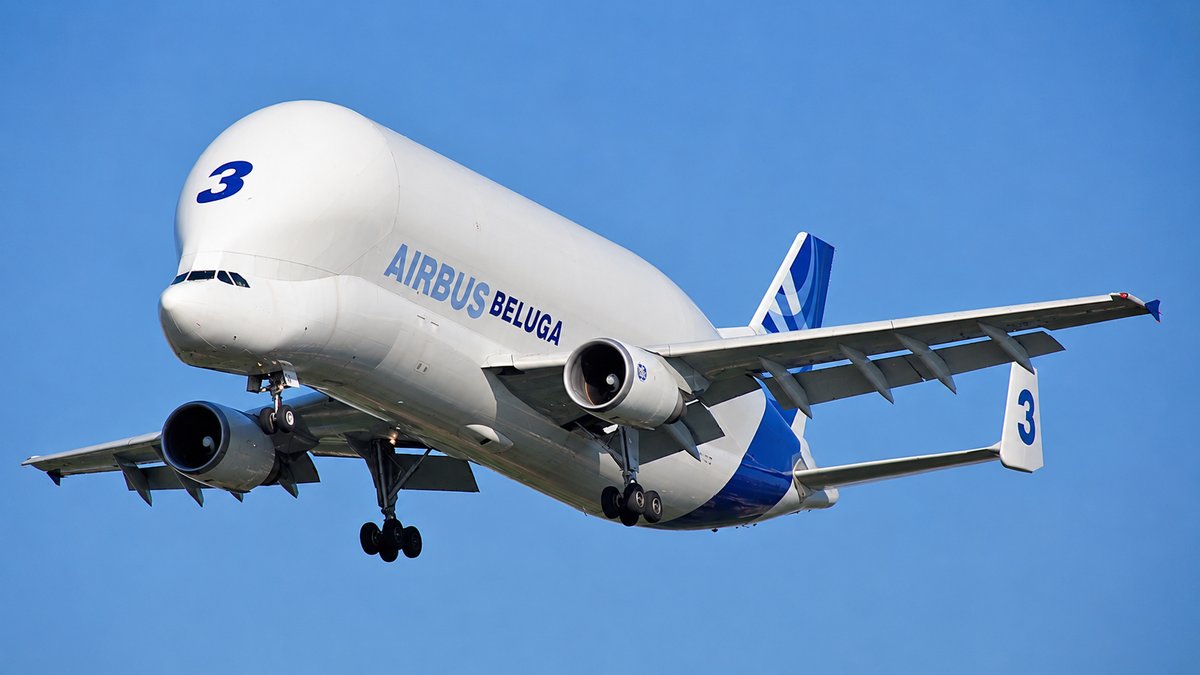
Airbus BelugaST
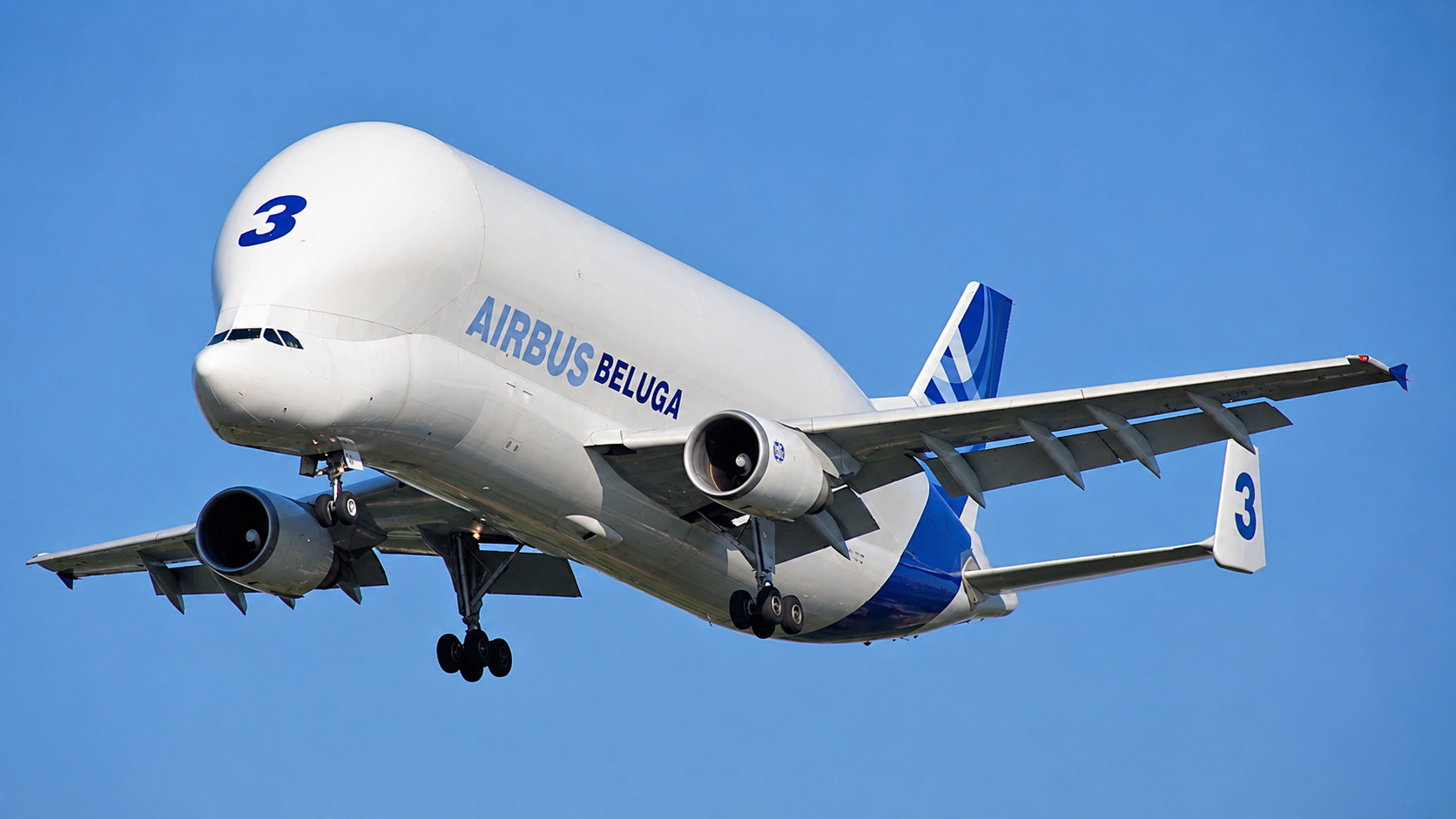
The Airbus BelugaST is perhaps one of the most recognizable transport aircraft ever built. Designed specifically to carry oversized aircraft components between Airbus factories, it features a massive upper fuselage that resembles the shape of a whale. This distinctive appearance earned it the nickname "Beluga." Based on the Airbus A300 airliner, the Beluga first flew in 1994 and could carry up to 40 tonnes of cargo.
Its enlarged fuselage allowed it to transport wings, fuselage sections, and other large aircraft components that would not fit inside conventional cargo aircraft. While few would call it elegant, the Beluga's unusual shape perfectly serves its intended purpose and has made it an indispensable part of Airbus operations.
Also Read: 10 Of The Strangest Boeing Aircraft Ever Made
Nord 500 Cadet
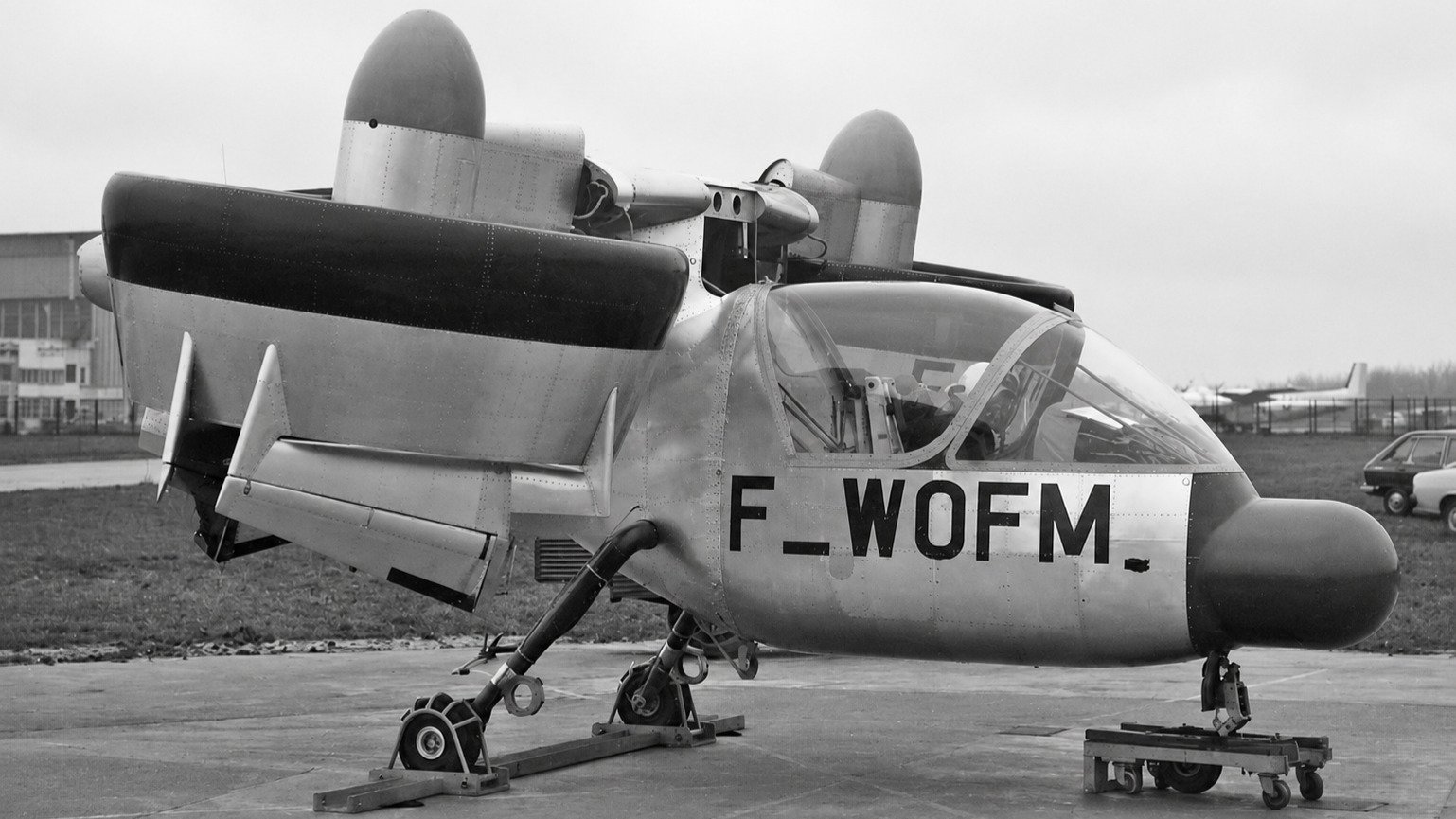
The Nord 500 Cadet was an experimental vertical take-off and landing (VTOL) aircraft developed during the 1960s. At a time when military planners were searching for alternatives to helicopters and conventional transport aircraft, the Cadet was designed to test advanced ducted-fan technology. Its unusual configuration gave it a futuristic yet awkward appearance, with large ducted propellers mounted on short wings.
The aircraft completed a number of test flights, including captive flights secured by cables for safety. However, it never successfully transitioned from vertical flight to normal horizontal flight. Despite the project's cancellation in 1971, many of the concepts explored during its development contributed to later VTOL research.
Bréguet 410
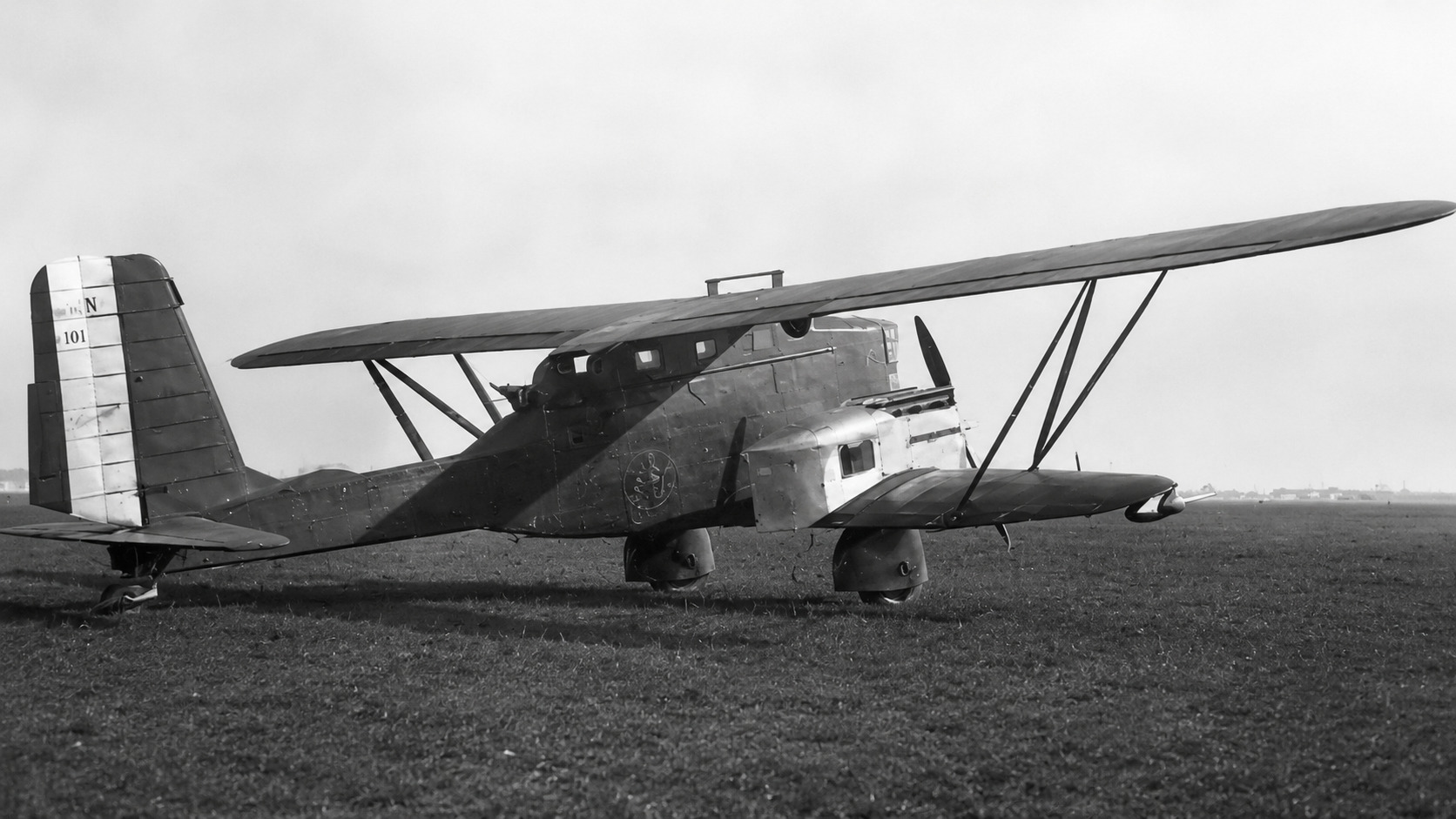
The Bréguet 410 was a bomber and reconnaissance aircraft developed during the late 1920s. Designed as a sesquiplane, with one wing significantly smaller than the other, it featured unusual proportions that made it particularly awkward in appearance. Its oversized landing gear, large tail section, and tall forward fuselage gave the aircraft a top-heavy look.
The aircraft was intended to provide strong defensive firepower and excellent visibility, but these priorities came at the expense of aerodynamic elegance. Only one prototype was built before the French military selected the competing Amiot 143. Nevertheless, related developments of the design later entered limited service.
Riout 102T Alérion
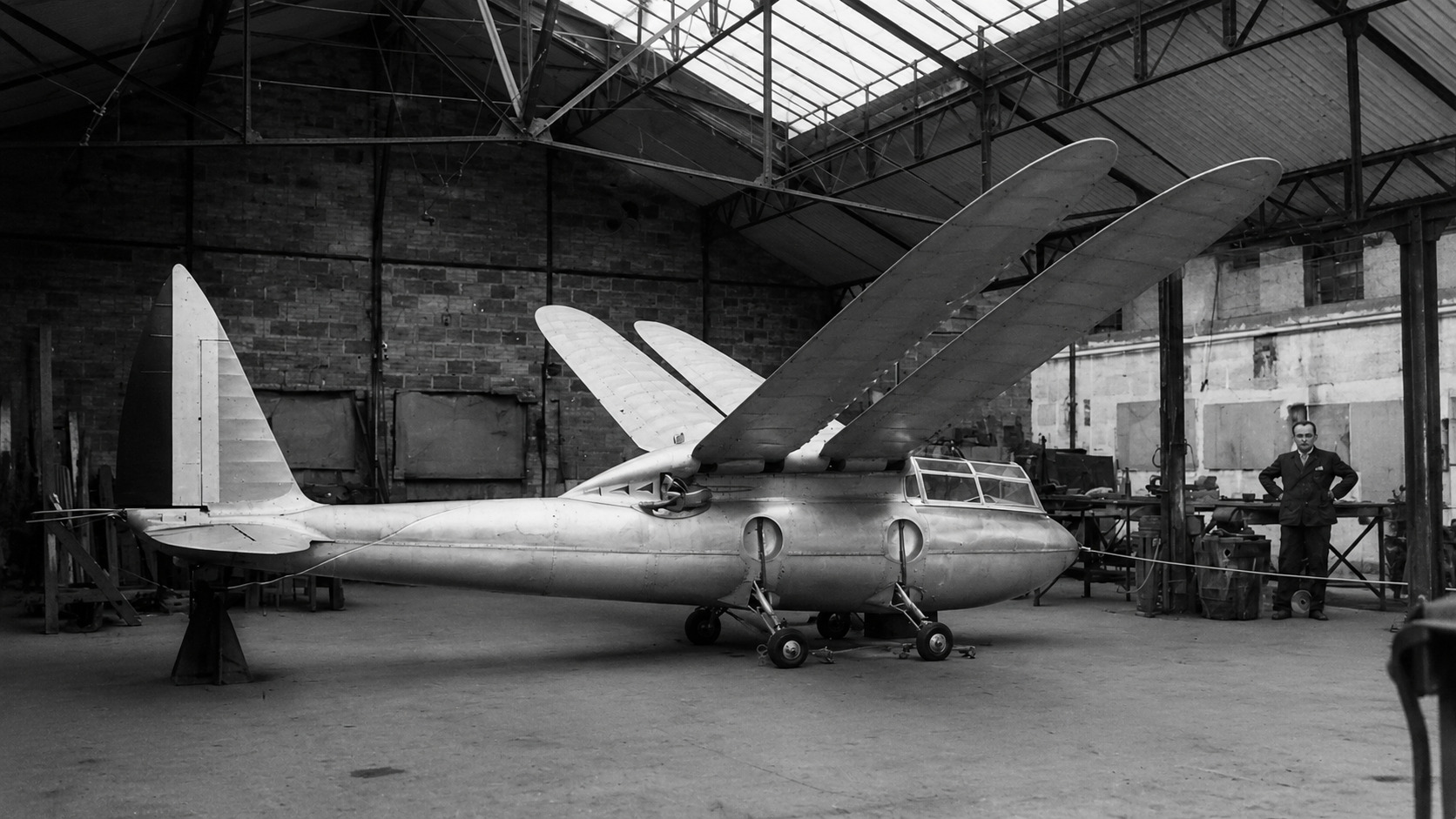
The Riout 102T Alérion was one of the most ambitious attempts to create a practical ornithopter, an aircraft designed to fly by flapping its wings like a bird. Developed by French engineer René Louis Riout, the machine featured four mechanical wings powered by an engine mounted behind the pilot. Its appearance was unlike anything else in aviation, resembling a giant mechanical bird more than a conventional aircraft.
Construction was completed in 1938, and testing began in a wind tunnel to evaluate the wing mechanism. Unfortunately, the wings could not withstand the stresses generated during testing and eventually failed. As a result, the aircraft never flew. Even so, it remains one of France's most fascinating experimental aircraft projects.
Blériot 125
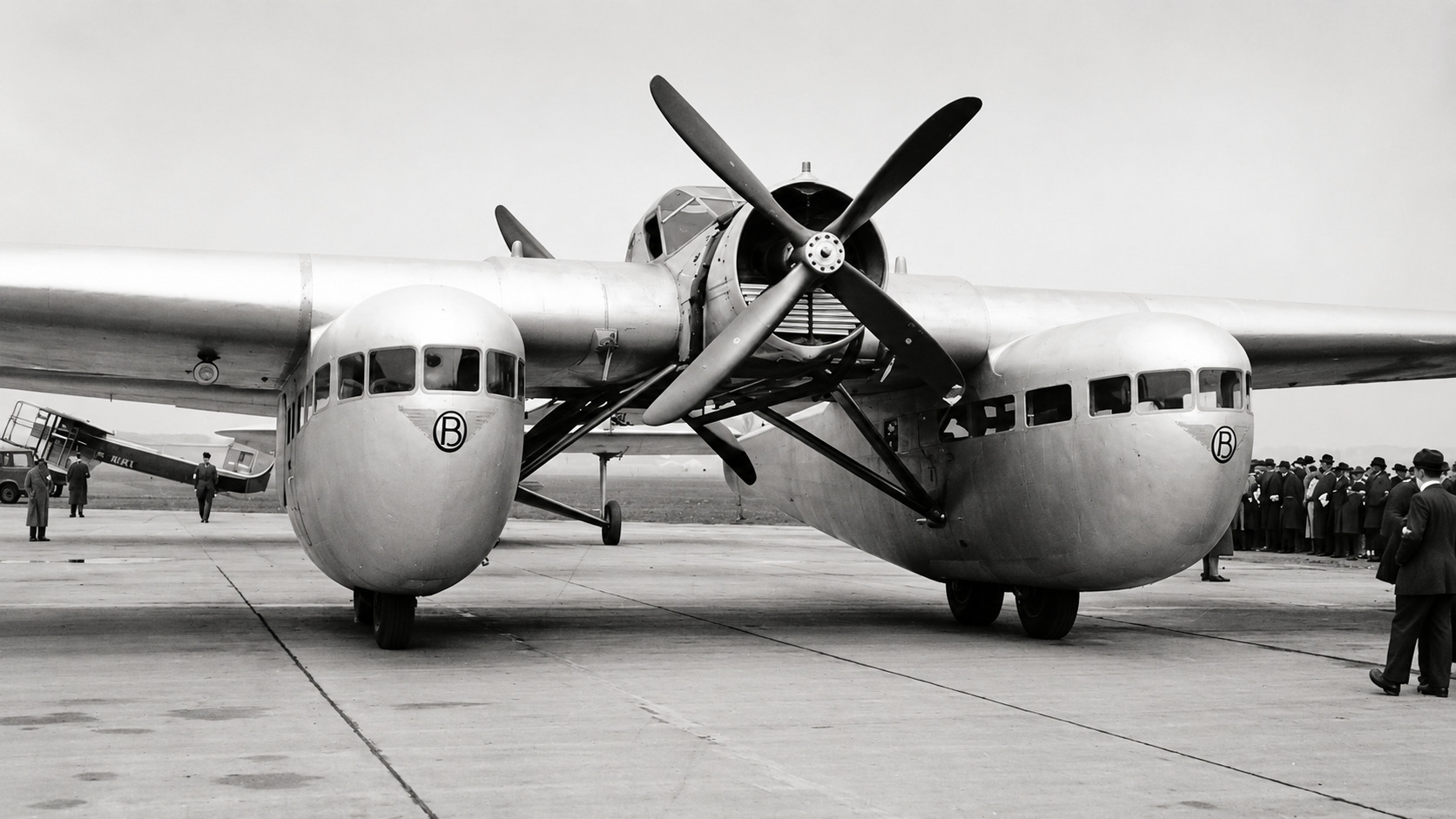
The Blériot 125 was a highly unusual passenger aircraft developed in 1928. Designed to carry up to twelve passengers, it featured two large passenger cabins connected by a central cockpit. This unique arrangement created a twin-fuselage-like configuration unlike any other airliner of its time. The large side pods gave the aircraft a distinctive and somewhat awkward appearance.
When it was unveiled at the Paris Air Show in 1930, it attracted considerable attention because of its unconventional design. Despite criticism of its appearance, the aircraft demonstrated stable flight characteristics and surprisingly good handling qualities when it finally flew in 1931.
Also Read: 10 of the Scariest Airport Landings in the World
Papin & Rouilly's Gyroptère
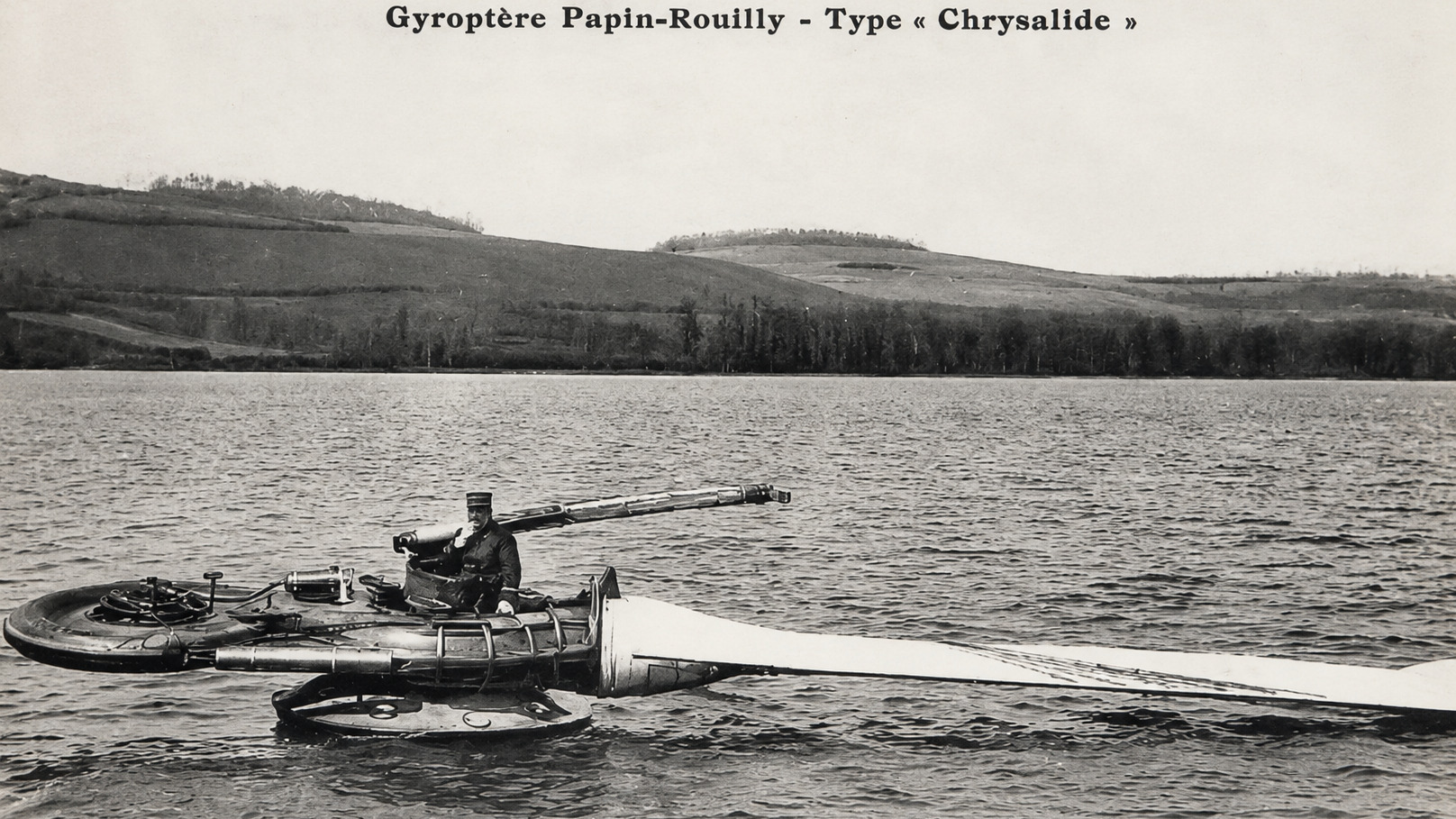
The Gyroptère designed by Papin and Rouilly was one of the strangest flying machines ever conceived. Inspired by the spinning seeds of sycamore trees, the aircraft relied on a single enormous rotor blade powered by compressed air. The pilot sat inside a small gondola suspended beneath the rotor system, while the engine served as a counterweight. The overall appearance resembled a giant flying axe rather than a practical aircraft.
Development began before the First World War, but delays prevented flight testing until 1915. During its first attempt, the machine briefly lifted off before becoming unstable and crashing into the water. Although the concept ultimately failed, the Gyroptère remains a remarkable example of the experimental thinking that characterized early aviation.
Farman F.120 and F.170 Jabiru
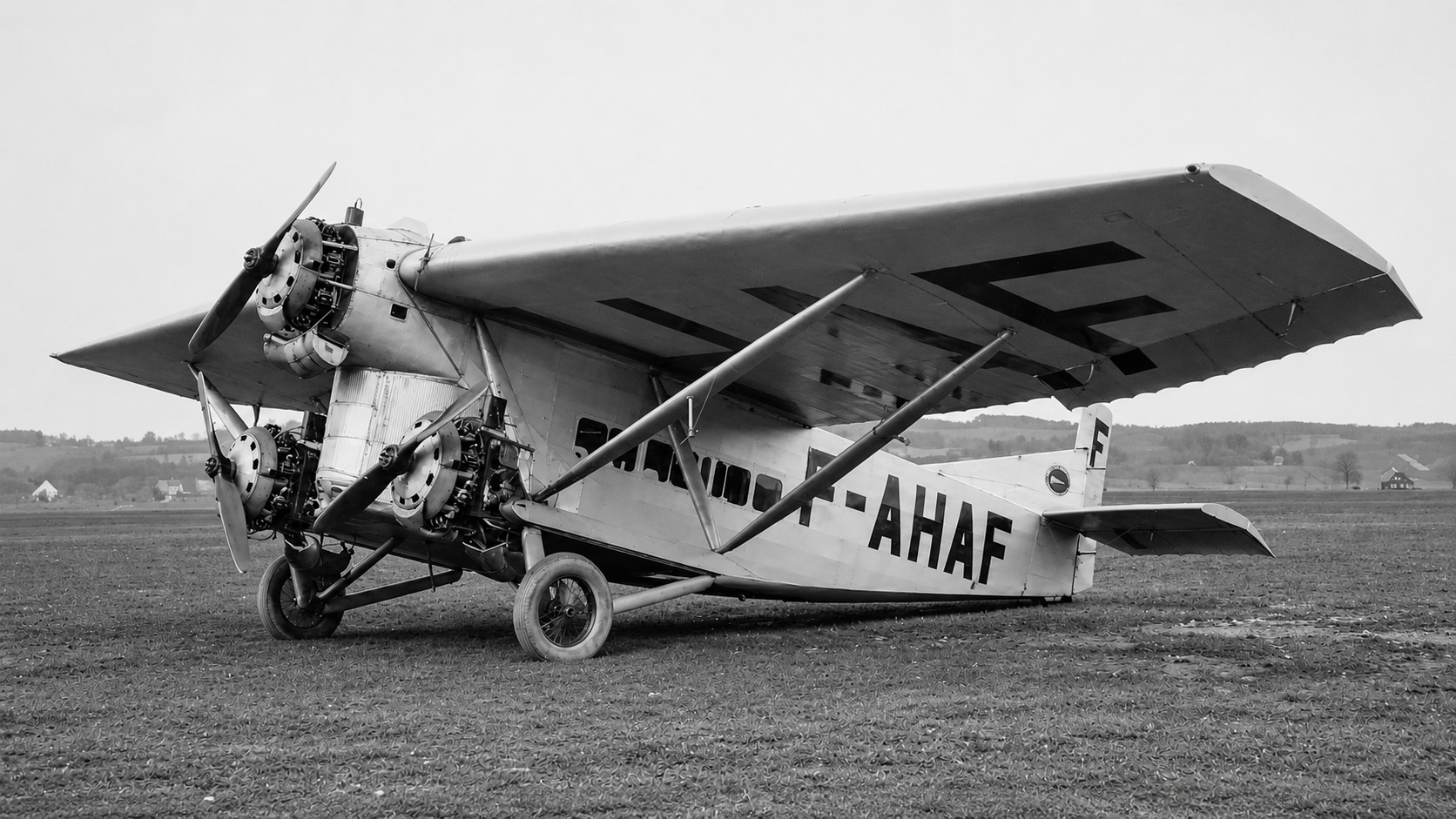
The Farman Jabiru family is widely regarded as one of the most unusual-looking aircraft series ever produced in France. The series began with the Farman F.120 in 1923 and later evolved into improved versions such as the F.170. Named after the large Jabiru stork of the Americas, the aircraft featured broad wings, bulky fuselages, awkward proportions, and large propellers that gave them a distinctive appearance.
The F.170 sat especially low to the ground and earned the nickname "ventre-à-terre," meaning "belly to the ground." Despite their unconventional looks, the Jabiru aircraft were reliable and practical machines that performed their intended roles effectively. Their appearance has nevertheless ensured a lasting place among aviation's most unusual designs.