Boeing is one of the world's largest and oldest aircraft manufacturers, best known for passenger jets such as the 737, 767, and the iconic 747. However, throughout its long history, the company has also developed a number of unusual aircraft for military operations, scientific research, cargo transport, and experimental testing. Some of these planes featured oversized fuselages, giant radar domes, extra engines, and even laser weapons. While they may not be as famous as Boeing's commercial airliners, they remain some of the most fascinating aircraft ever built.
Also Read: How NASA Secretly Hid an SR-71 in Plain Sight
Boeing 377 Stratocruiser
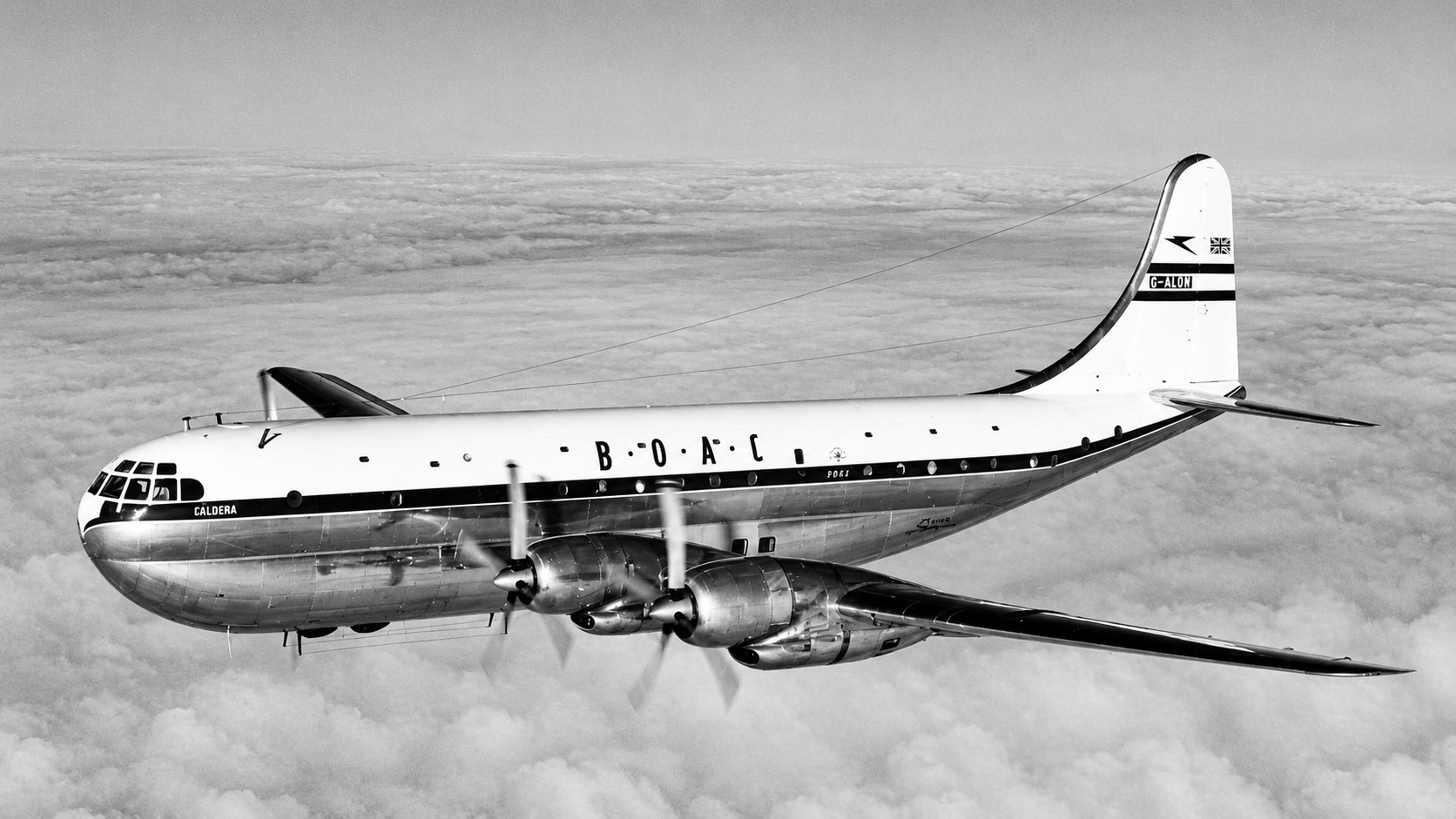
The Boeing 377 Stratocruiser was one of the most unusual passenger airliners of its era, thanks to its distinctive double-deck fuselage, which gave it a bulky appearance unlike other commercial aircraft of the time. The aircraft featured a luxurious lower-deck lounge that passengers could access by stairs, providing a premium travel experience on long-distance routes. Despite its innovative design and comfort, the Stratocruiser suffered from reliability problems, particularly with its hollow-core propellers, which occasionally failed during flight. Only 56 aircraft were produced, and nine were lost in accidents, giving it one of the poorer safety records among major passenger airliners of its time.
Boeing YC-14
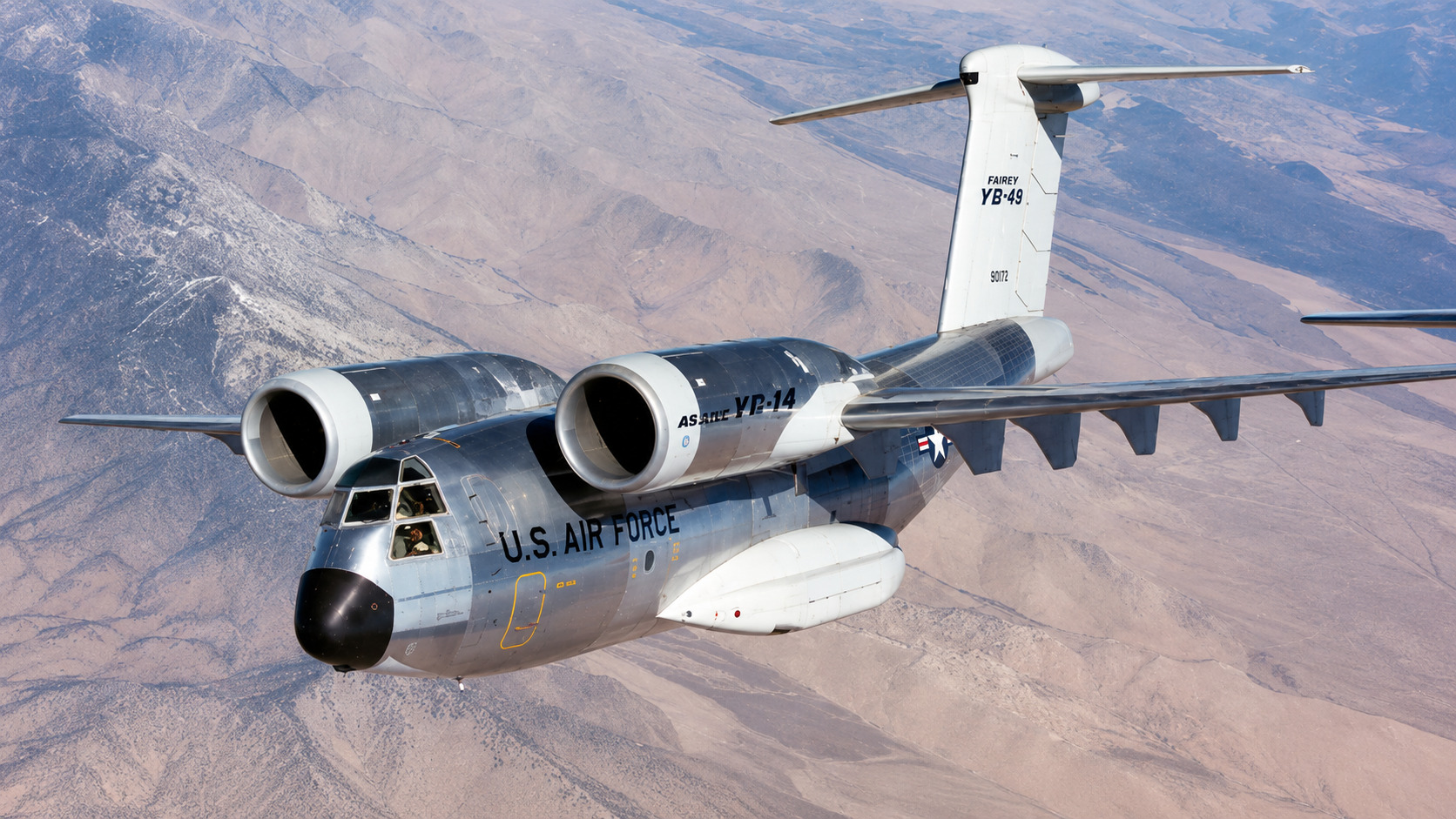
The Boeing YC-14 was an experimental military transport aircraft that immediately stood out because of its unusual engine placement above the wings. This design was not simply for appearance but was intended to improve short takeoff and landing performance by using the Coandă effect, which directed engine exhaust over the wings to generate additional lift. The aircraft could carry up to 25 tons of cargo while operating from relatively short runways and demonstrated excellent performance during testing. It also incorporated advanced technologies such as fly-by-light flight controls, but changing military priorities led to the cancellation of the project after only two prototypes had been built.
Boeing Dreamlifter
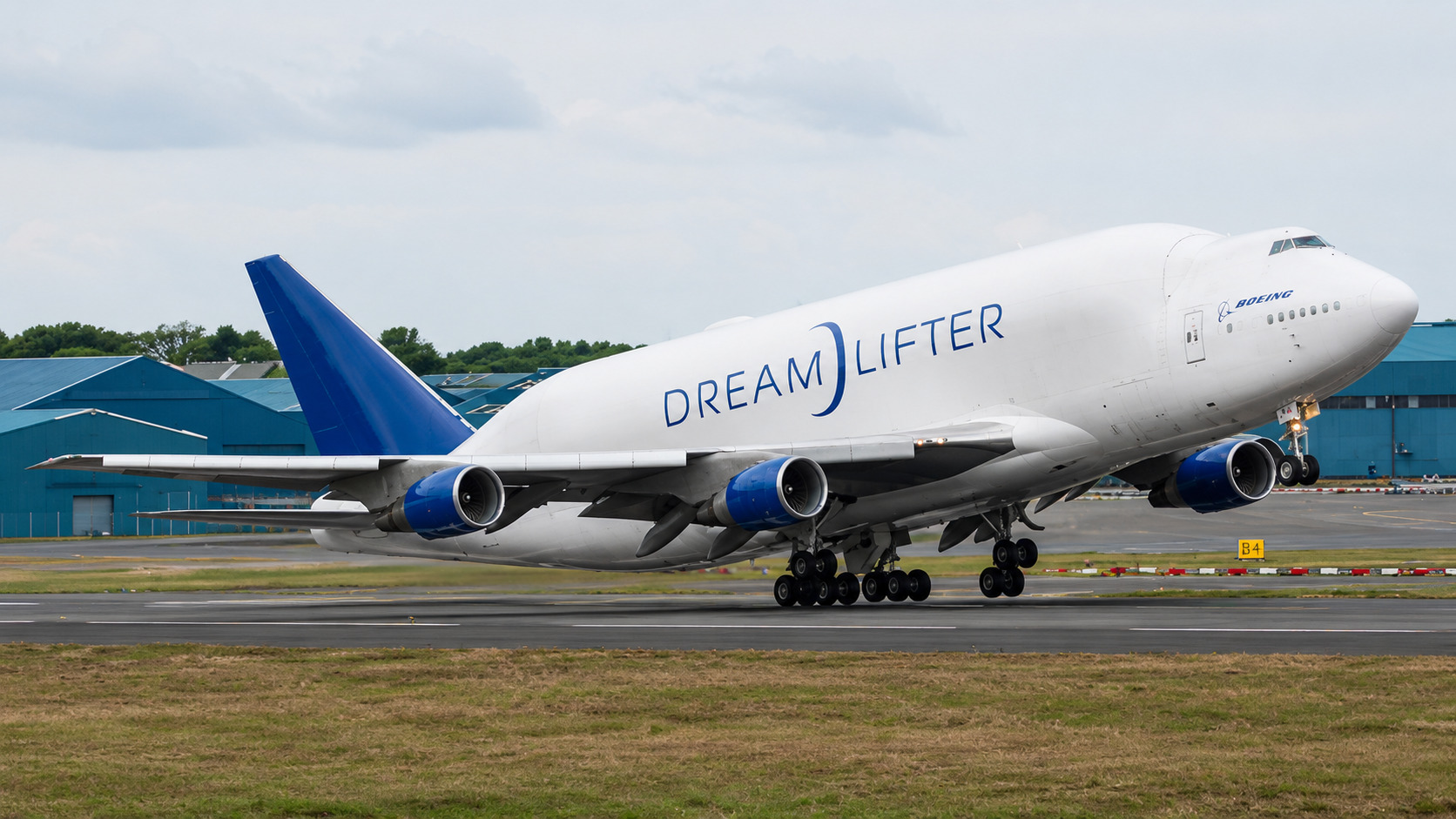
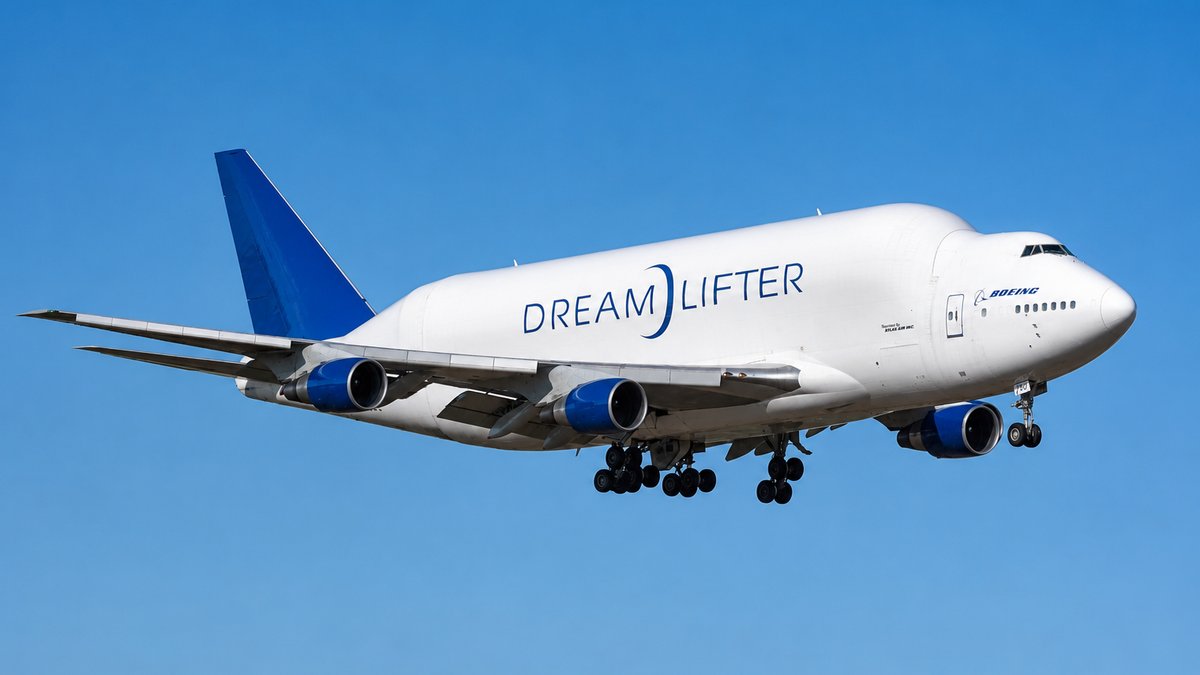
The Boeing Dreamlifter is one of the largest and strangest-looking cargo aircraft ever created. Based on the Boeing 747-400, it features a massively enlarged fuselage that appears swollen compared to a standard 747. Boeing developed the aircraft to transport oversized airplane components, including wings and fuselage sections, between manufacturing facilities around the world. Its cargo hold is approximately three times larger than that of a conventional 747 freighter and can carry payloads weighing up to 47 tons. Only four Dreamlifters were built, but they have played a critical role in speeding up production of the Boeing 787 Dreamliner.
Boeing E-3 Sentry
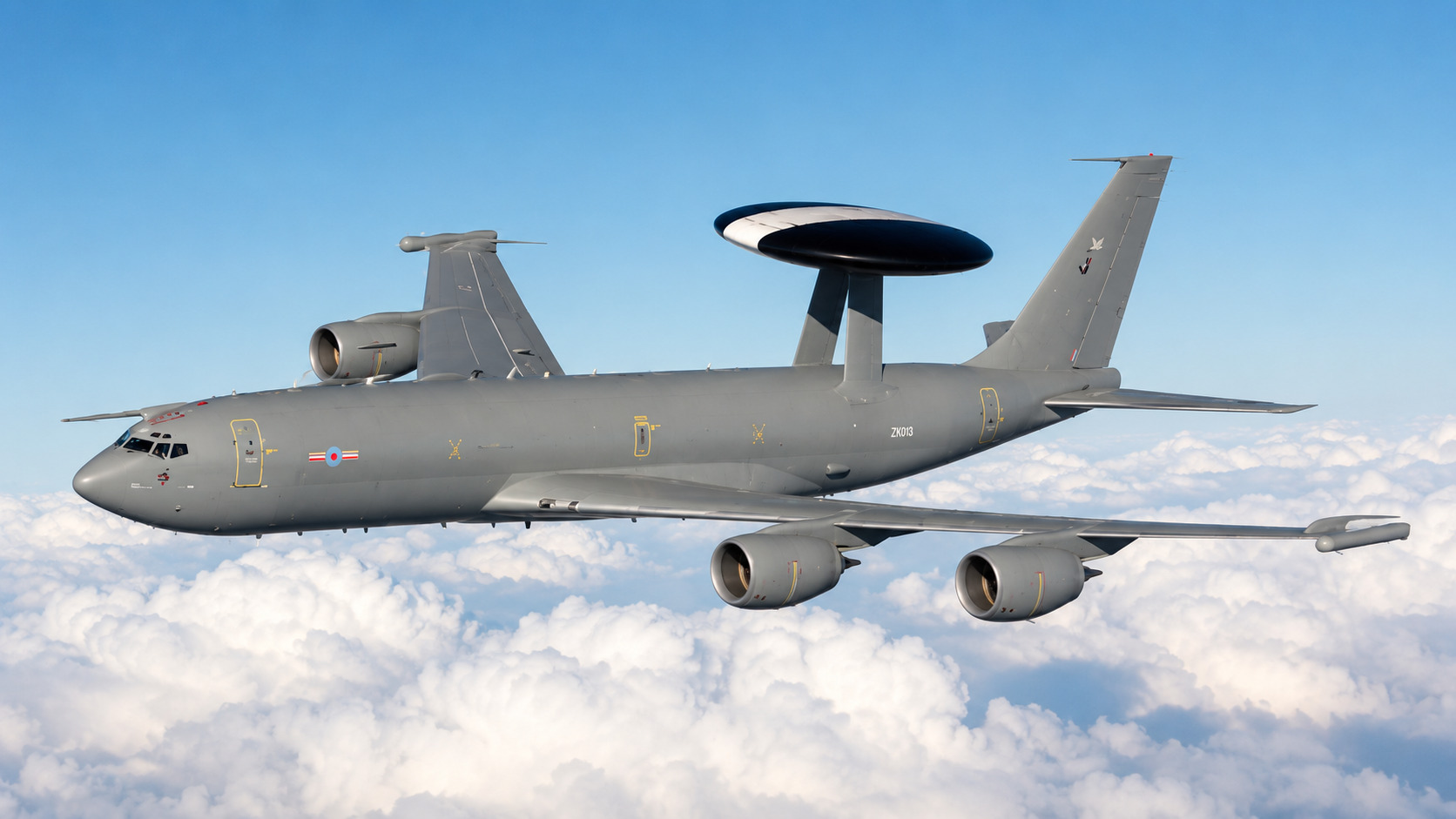
The Boeing E-3 Sentry is instantly recognizable because of the enormous radar dome mounted above its fuselage. Based on the Boeing 707 airliner, the aircraft serves as an airborne warning and control system capable of monitoring vast areas of airspace. Its radar can detect aircraft and missiles at long distances while tracking hundreds of targets simultaneously. Acting as a flying command center, the E-3 helps coordinate military operations by sharing information with fighter aircraft, naval vessels, and ground forces. Although it remains an important asset, the aging fleet is gradually being replaced by newer aircraft such as the E-7.
Boeing 747 Shuttle Carrier
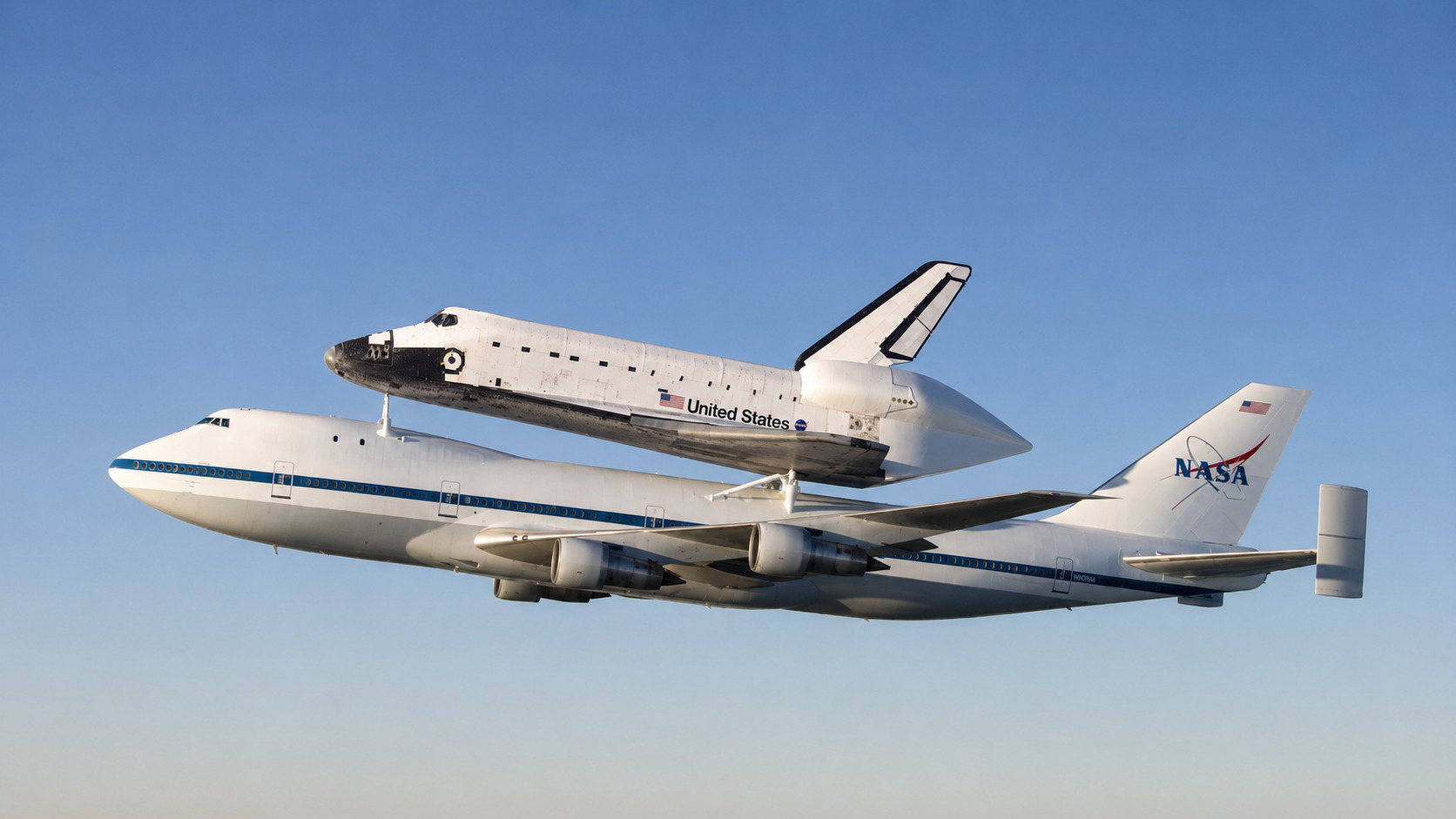
The Boeing 747 Shuttle Carrier Aircraft was created to transport NASA's Space Shuttle across the United States. Engineers modified standard 747 airliners by adding large external support structures to the top of the fuselage, allowing a Space Shuttle orbiter to be mounted securely on the aircraft's back. The resulting combination was one of the most unusual sights in aviation history, with a giant passenger jet carrying a spacecraft. Although the added weight reduced speed and efficiency, the aircraft successfully completed numerous transport missions and became an important part of the Space Shuttle program.
Also Read: Why NASA Carried Space Shuttles on Top of Boeing 747s
YAL-1 Airborne Laser Test Bed
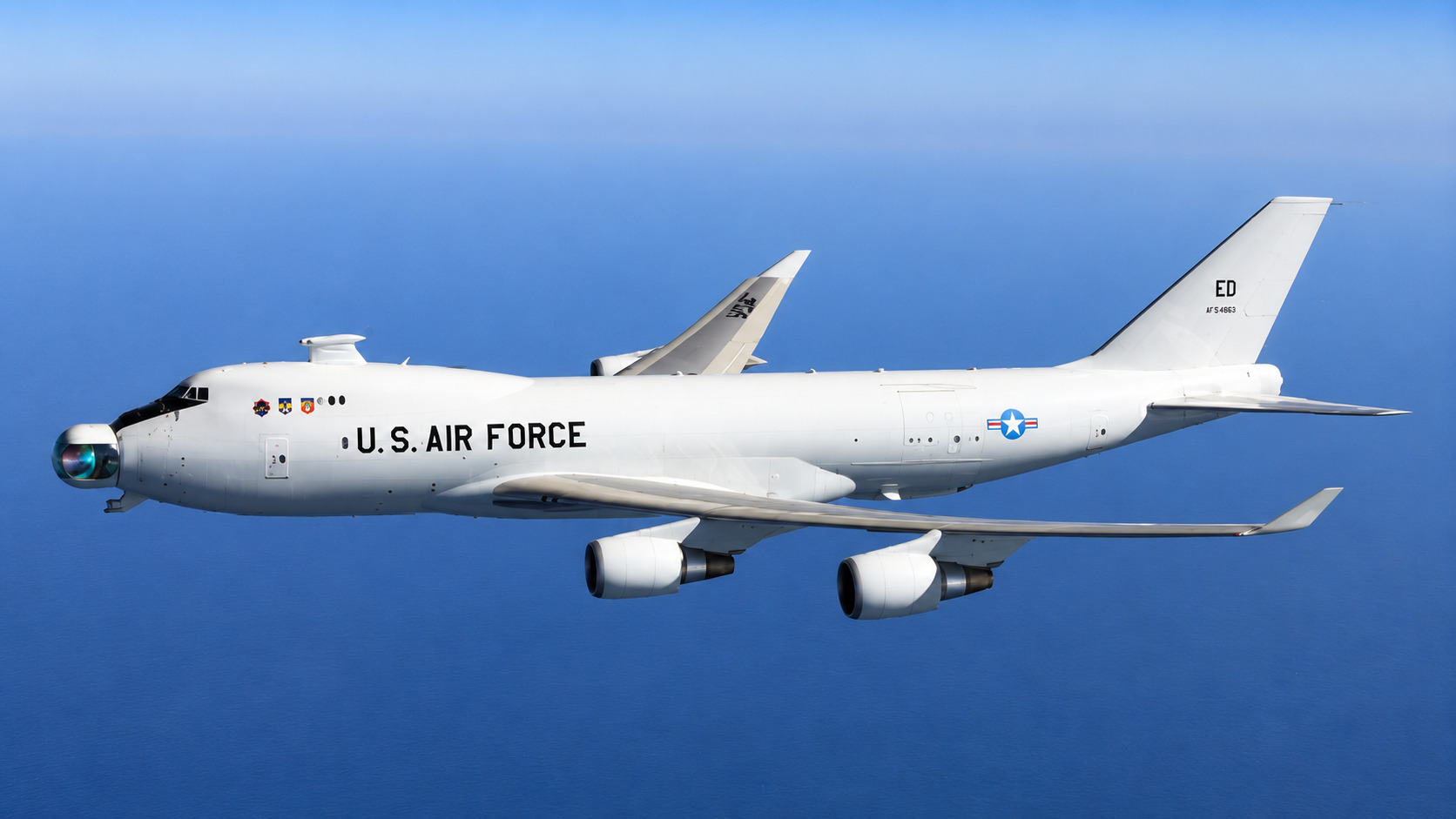
The YAL-1 Airborne Laser Test Bed was a modified Boeing 747 equipped with a powerful laser weapon designed to destroy ballistic missiles shortly after launch. Its most distinctive feature was a large turret mounted on the nose, which housed the targeting and laser systems. Inside the aircraft were several chemical oxygen iodine laser units capable of generating an extremely powerful beam. The aircraft successfully demonstrated the ability to destroy test missile targets during trials in 2010, proving that the concept worked. However, the complexity, cost, and maintenance requirements of the system ultimately led to the program's cancellation.
E-4B Nightwatch
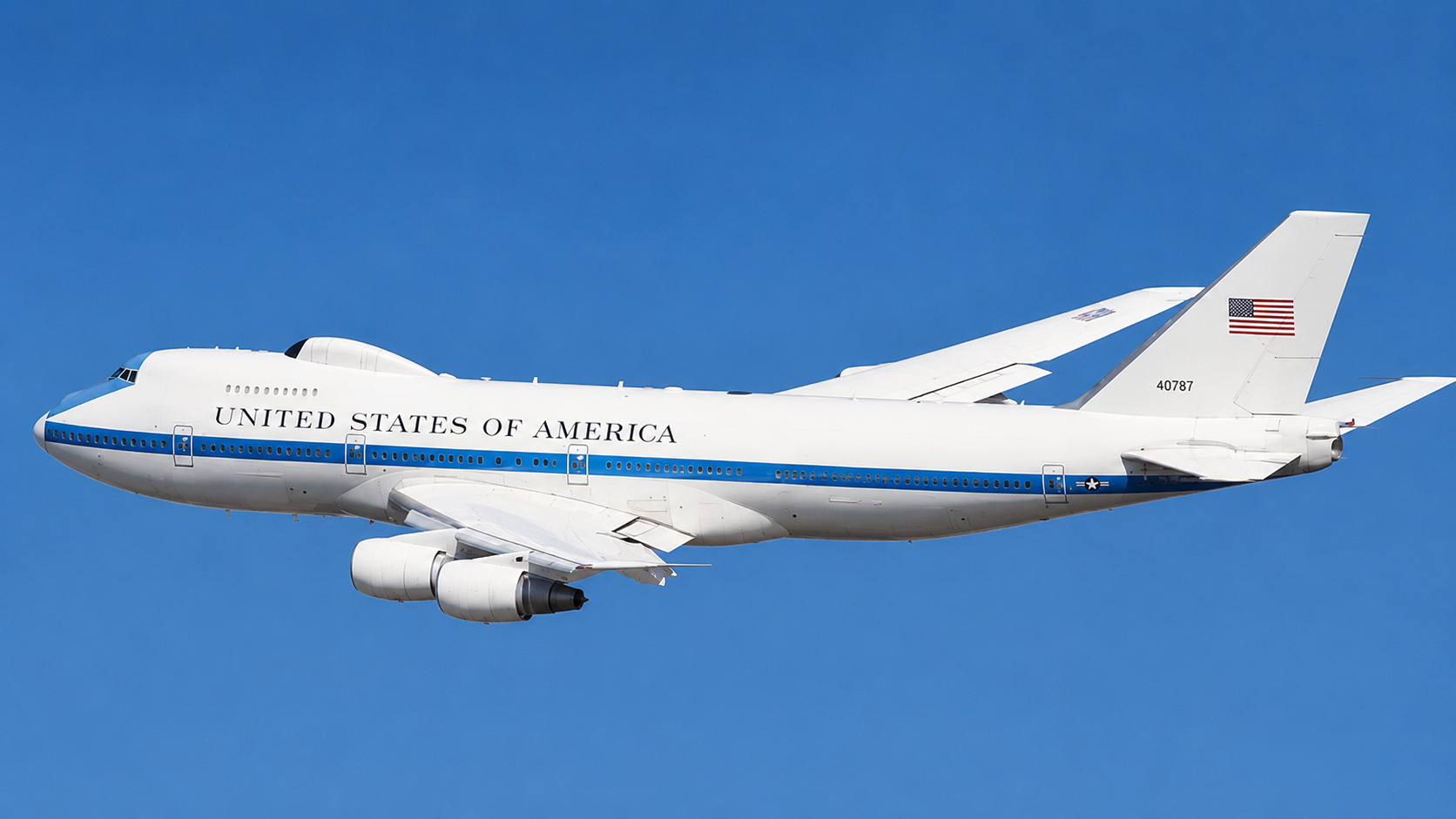
The E-4B Nightwatch, often called the "Doomsday Plane," serves as an airborne command center designed to keep government operations functioning during a major national emergency. Based on the Boeing 747-200, the aircraft contains advanced communications equipment, conference rooms, operational workspaces, and living quarters for senior government and military officials. Externally, it can be identified by its various antennas and communication systems, including a prominent satellite communications hump. The aircraft is also hardened against electromagnetic pulses and other effects associated with nuclear warfare, allowing it to continue operating under extreme conditions.
Boeing 747SP Pratt & Whitney Test Bed
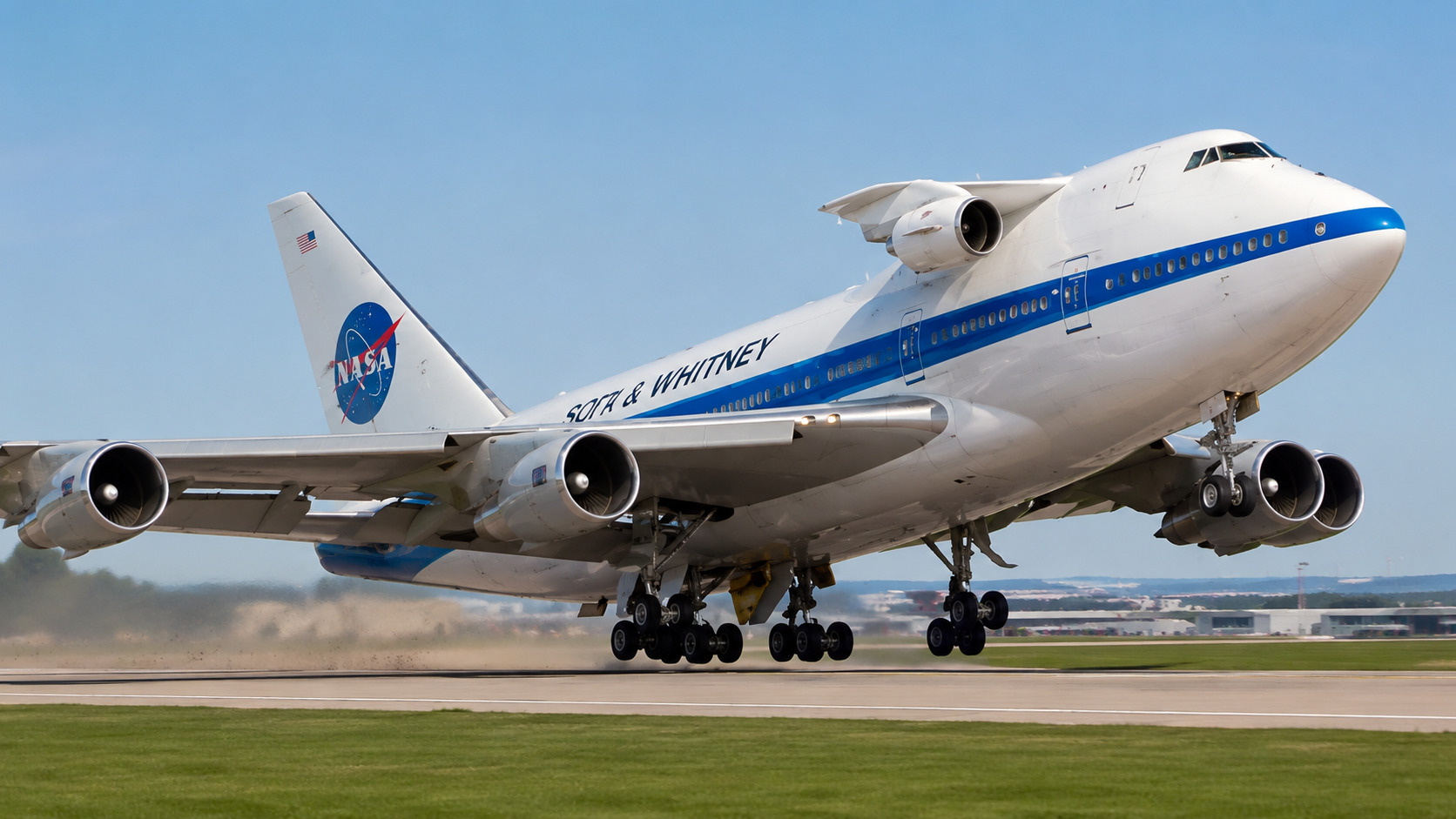
The Boeing 747SP Pratt & Whitney Test Bed is one of the most unusual versions of the 747 ever built because it carries an extra engine mounted on one side of the fuselage rather than beneath a wing. This unique configuration allows Pratt & Whitney engineers to test new jet engine designs under real flight conditions before they enter service. The aircraft has played a major role in the development of engines for commercial, military, and business aircraft, helping manufacturers evaluate performance, efficiency, and reliability. While the asymmetrical appearance may seem strange, the aircraft remains an invaluable flying laboratory.
Boeing 747SP SOFIA
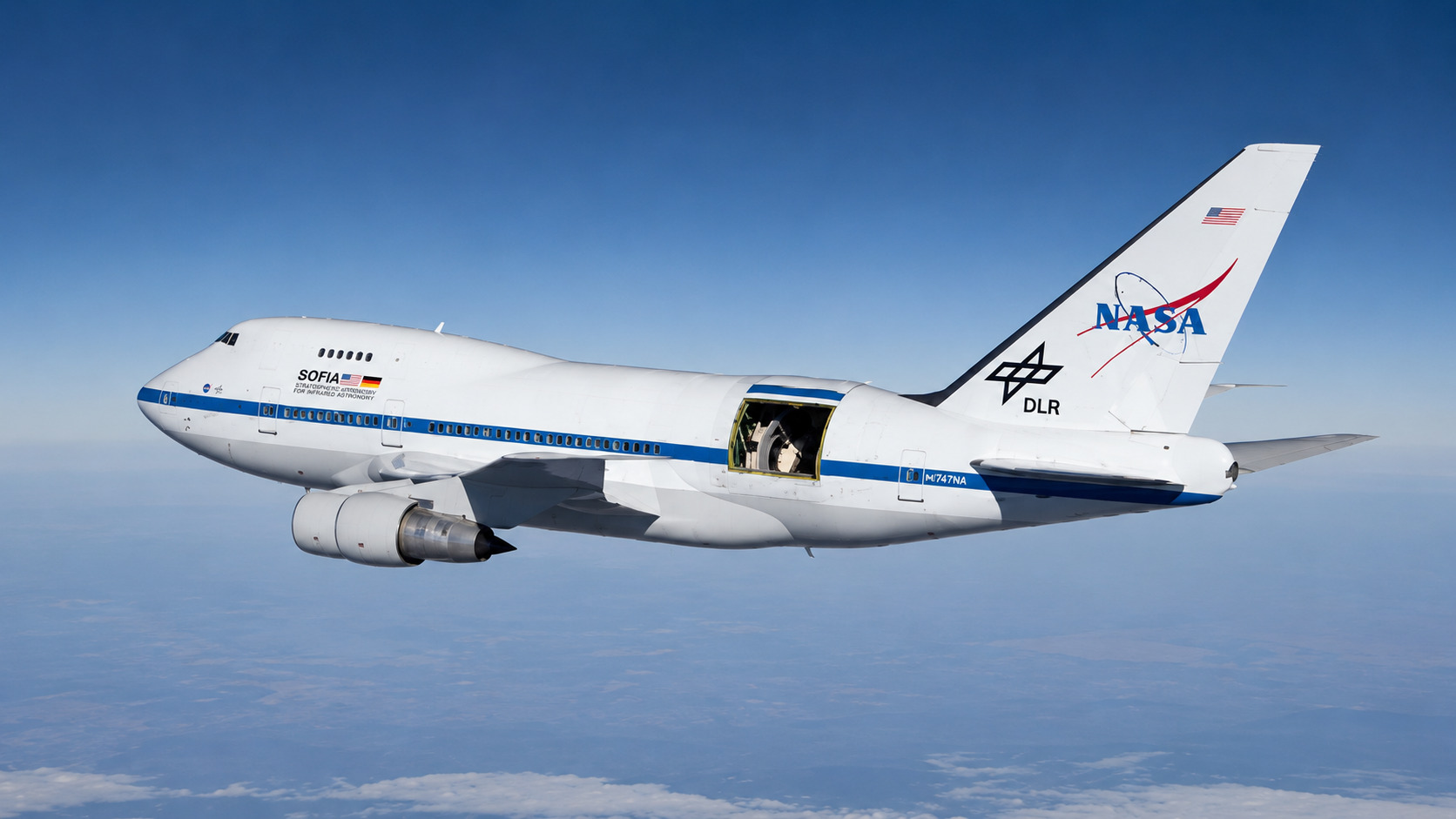
The Stratospheric Observatory for Infrared Astronomy, better known as SOFIA, transformed a Boeing 747SP into a flying observatory capable of conducting scientific research above most of Earth's atmosphere. The aircraft carried a large telescope inside its fuselage and featured a special door that opened during flight, allowing the telescope to observe the universe. By operating at altitudes of up to 45,000 feet, SOFIA could study infrared wavelengths that are difficult or impossible to observe from the ground. The aircraft contributed to numerous astronomical discoveries and helped scientists better understand planets, stars, galaxies, and other celestial objects before being retired in 2020.
Also Read: What Are Those Little Fins On Jet Engines For?
Boeing 757 Flying Test Bed Catfish
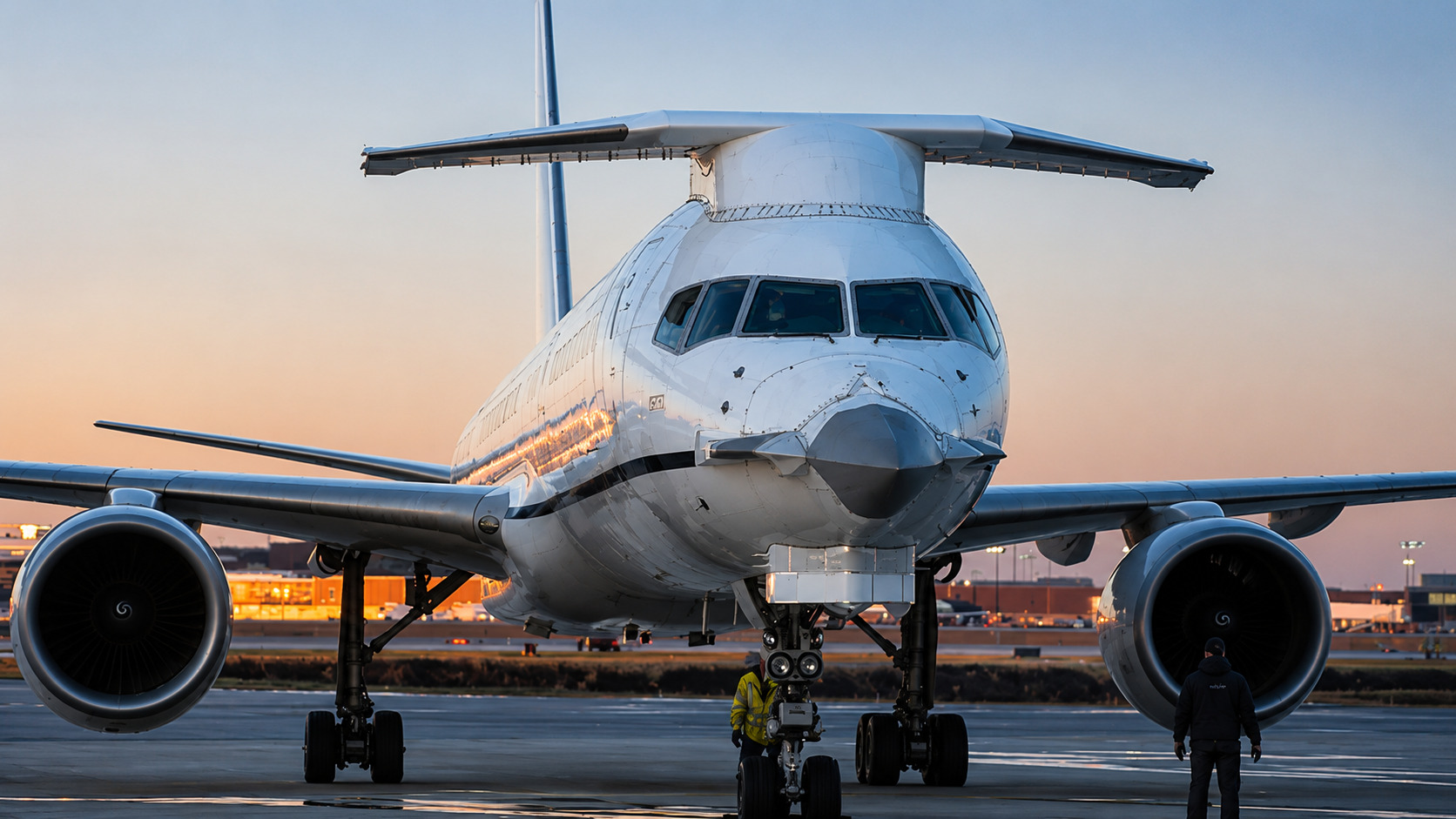
The Boeing 757 Flying Test Bed, commonly known as the "Catfish," is one of the strangest-looking aircraft in operation due to its flattened nose and unusual wing-like structure mounted above the cockpit. The modified nose comes from the F-22 Raptor fighter jet and houses advanced radar systems, while the aircraft also carries communications equipment, electronic warfare systems, and a replica F-22 cockpit. Lockheed Martin uses the aircraft as a flying laboratory to test software and hardware upgrades for the F-22, allowing engineers to evaluate new technologies in real-world conditions. With room for dozens of specialists onboard, the Catfish continues to play an important role in supporting one of the world's most advanced fighter aircraft.