When most people think about air cargo, they imagine everyday items such as electronics, clothing, food, or packages being flown around the world. However, aircraft have carried much stranger cargo over the years. From giant spacecraft and locomotives to elephants and life-saving human organs, some of the world's most unusual objects have taken to the skies. Modern cargo aircraft are capable of carrying enormous weights and awkwardly shaped loads, while helicopters can transport items to places that trucks and ships simply cannot reach. These incredible missions show just how versatile aviation can be. Here are ten of the strangest and most surprising examples of air cargo ever transported.
Spacecraft
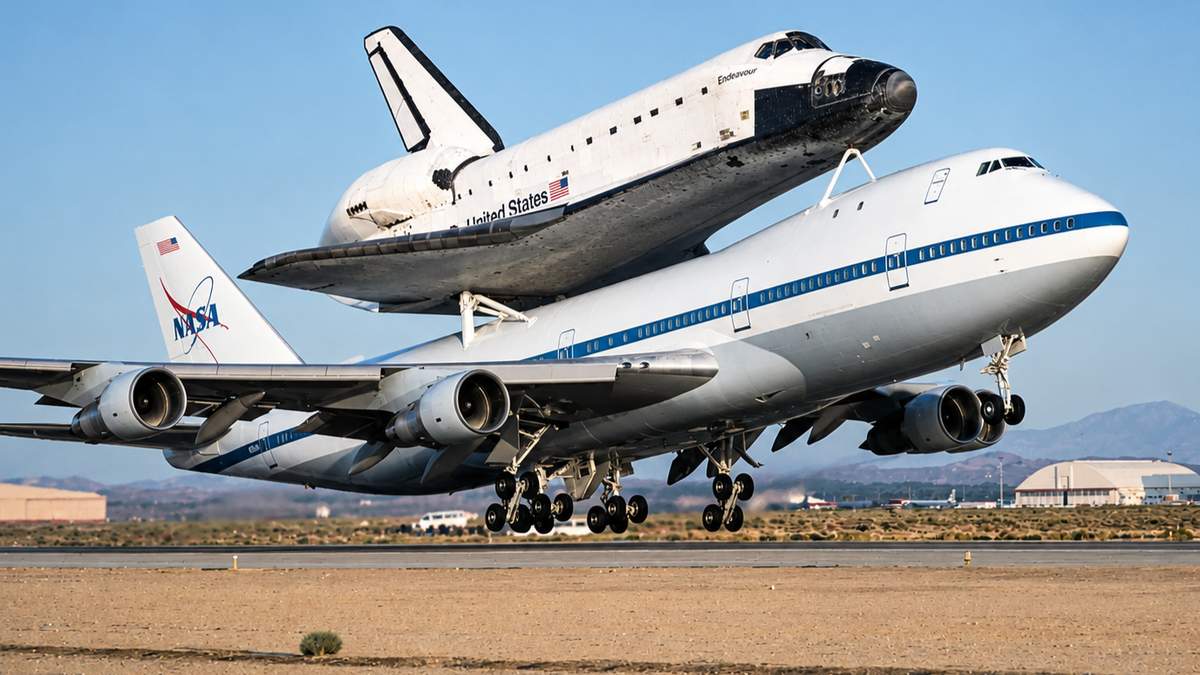
One of the most unusual types of cargo ever carried by aircraft is an entire spacecraft. During NASA's Space Shuttle program, a reliable method was needed to transport shuttles after they landed far from their launch site. To solve this problem, NASA modified two Boeing 747 Jumbo Jets and transformed them into Shuttle Carrier Aircraft capable of carrying Space Shuttle orbiters mounted on top of their fuselages. The modifications were extensive, with engineers strengthening the aircraft's structure, redesigning sections of the tail, and installing large mounting points to secure the shuttle.
Carrying such a massive object on top dramatically altered the aircraft's aerodynamics, making flight planning much more complicated. Whenever a shuttle landed in places such as California, the modified 747 would transport it back to Florida's Kennedy Space Center. The sight of a space shuttle riding atop a passenger aircraft became one of the most iconic images in aviation history. The Soviet Union developed a similar solution with the enormous Antonov An-225, which was specifically built to transport the Buran space shuttle and rocket components on its back. At the time, it was the largest aircraft ever constructed.
Also Read: Why NASA Carried Space Shuttles on Top of Boeing 747s
The Bomber That Delivered a Heart
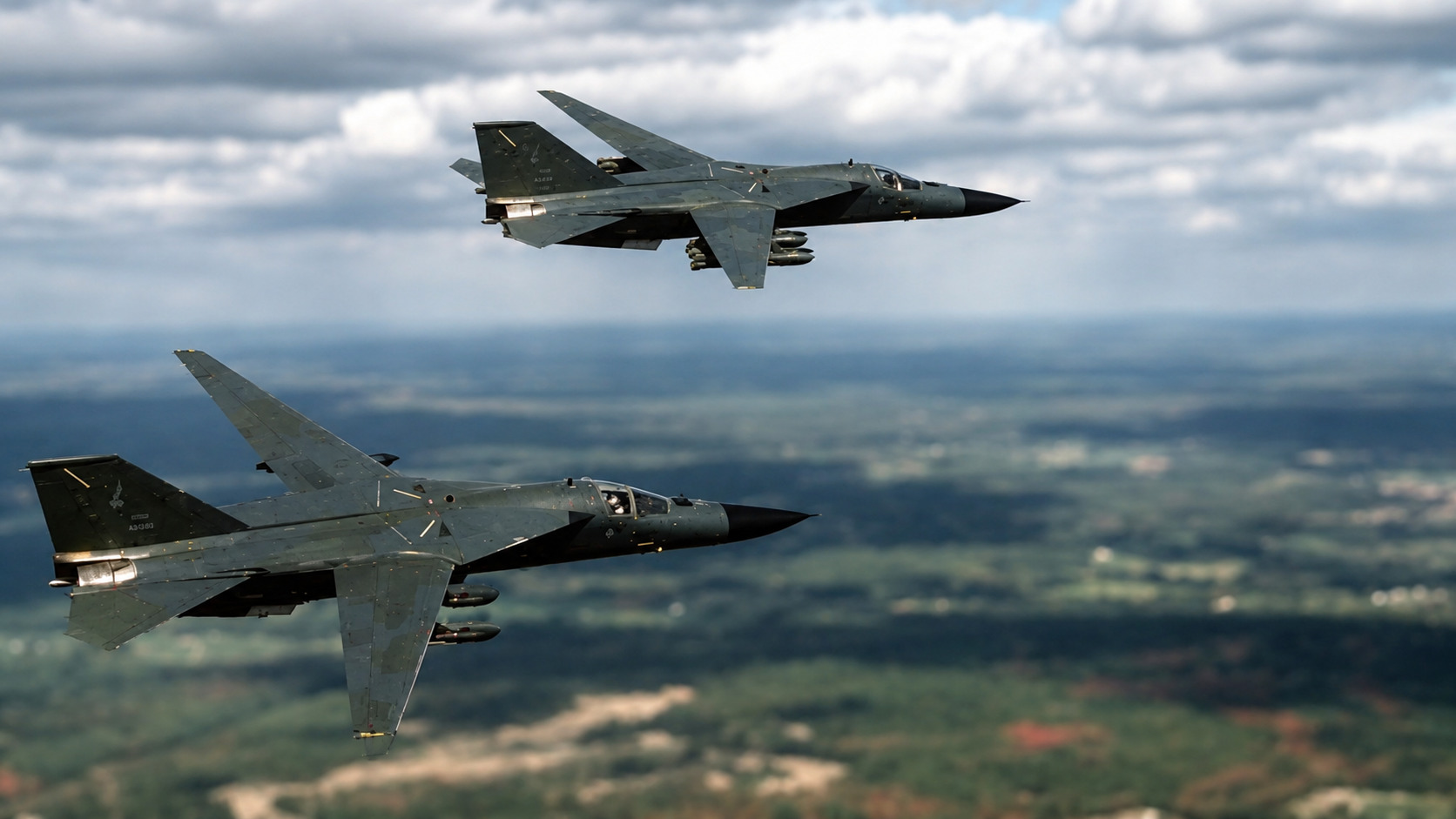
In February 1986, Richard Reinhardt of Connecticut urgently needed a heart transplant after a suitable donor heart became available in Oklahoma. The challenge was that doctors had only a few hours to complete the procedure. Since a private aircraft could not transport the organ quickly enough, the US Air Force stepped in with an extraordinary solution. Two FB-111A supersonic bombers, originally designed for nuclear strike missions, were assigned to the operation. These aircraft could fly at speeds exceeding Mach 2.5, and although they did not use their maximum speed during the mission, they were still significantly faster than conventional transport aircraft.
The donor heart was flown across several states, and during the journey, a KC-135 tanker refuelled the aircraft in mid-air to prevent any delays. The mission was successful, and the heart arrived at Hartford Hospital in time for surgery. Reinhardt survived the operation and lived for another 23 years, making this one of the most remarkable examples of military aircraft being used to save a civilian's life.
Buildings
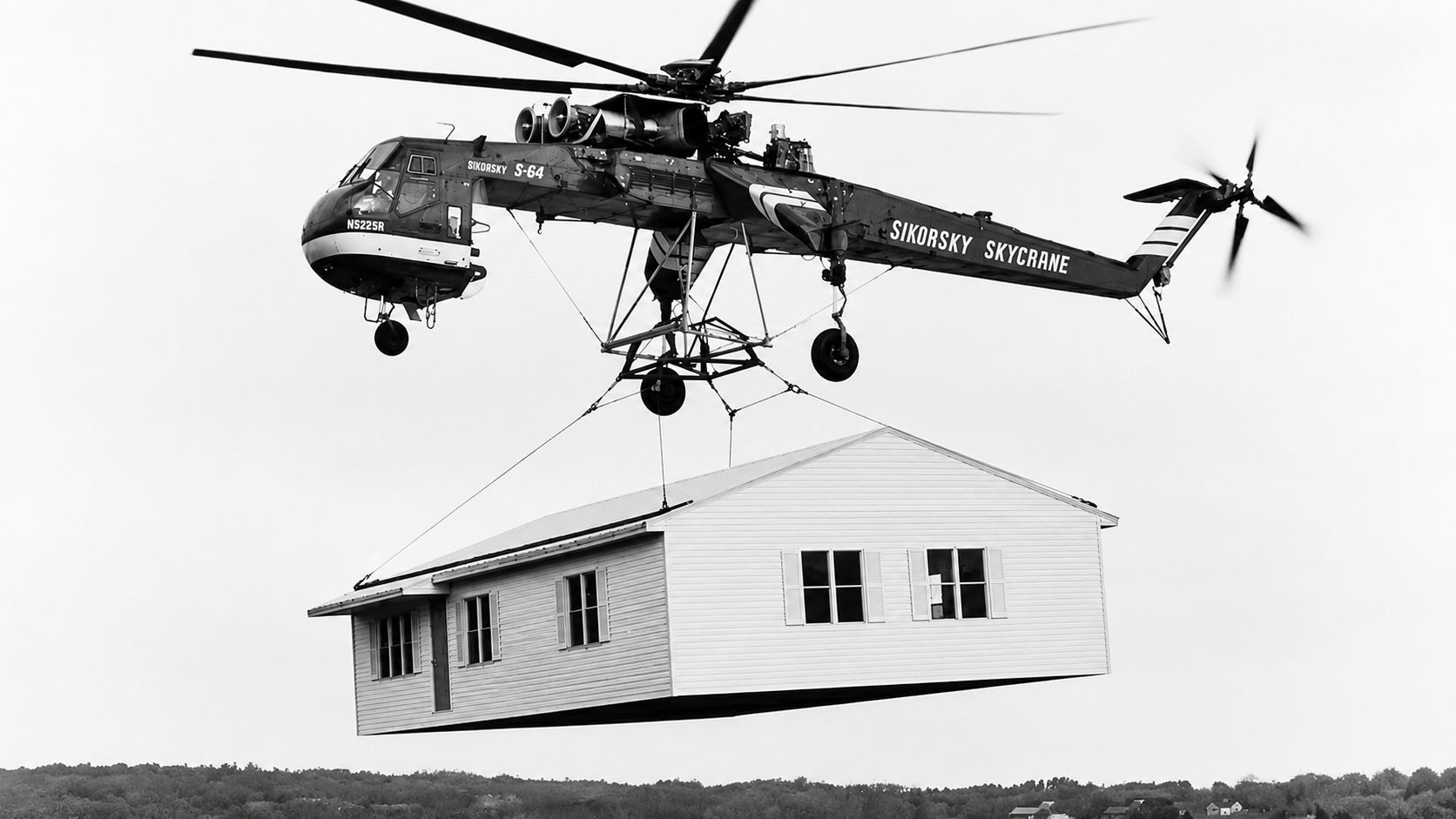
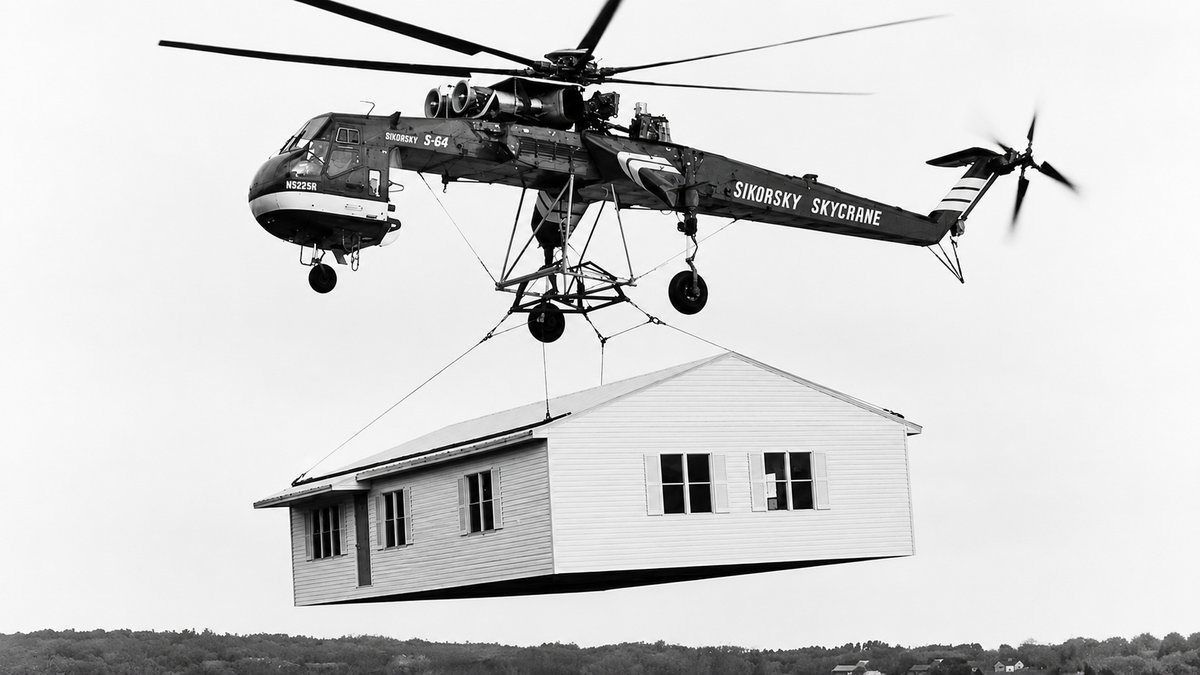
Can an entire house be flown through the air? Technically, yes. The Sikorsky S-64 Skycrane helicopter was once considered for transporting fully assembled homes. The concept was straightforward: build houses in factories and then fly them directly to their final locations. This approach appeared particularly useful for remote communities, disaster areas, and regions where traditional construction methods would be difficult. Instead of spending weeks or months building a house on-site, a ready-made home could theoretically be delivered in a single flight. However, the concept faced several major challenges.
Houses are not designed to hang beneath helicopters, and the stress of flight could potentially damage them. There were also concerns involving safety regulations, airspace restrictions, and high operating costs. Although the idea never became common practice, the Skycrane continues to perform impressive lifting operations today, transporting construction materials, antenna towers, utility poles, cabins, and even large air-conditioning units for government buildings.
Boats
Most people expect boats to travel on water rather than inside aircraft, yet military cargo planes regularly transport large boats around the world. One notable example is the Navy's Mark V Special Operations Craft, an 82-foot-long vessel weighing approximately 50 tons and designed to carry special operations forces. To allow rapid deployment anywhere in the world, engineers designed both the boat and its trailer to fit inside a C-5 Galaxy cargo aircraft. Loading such a large vessel requires exceptional precision because there is very little room to spare.
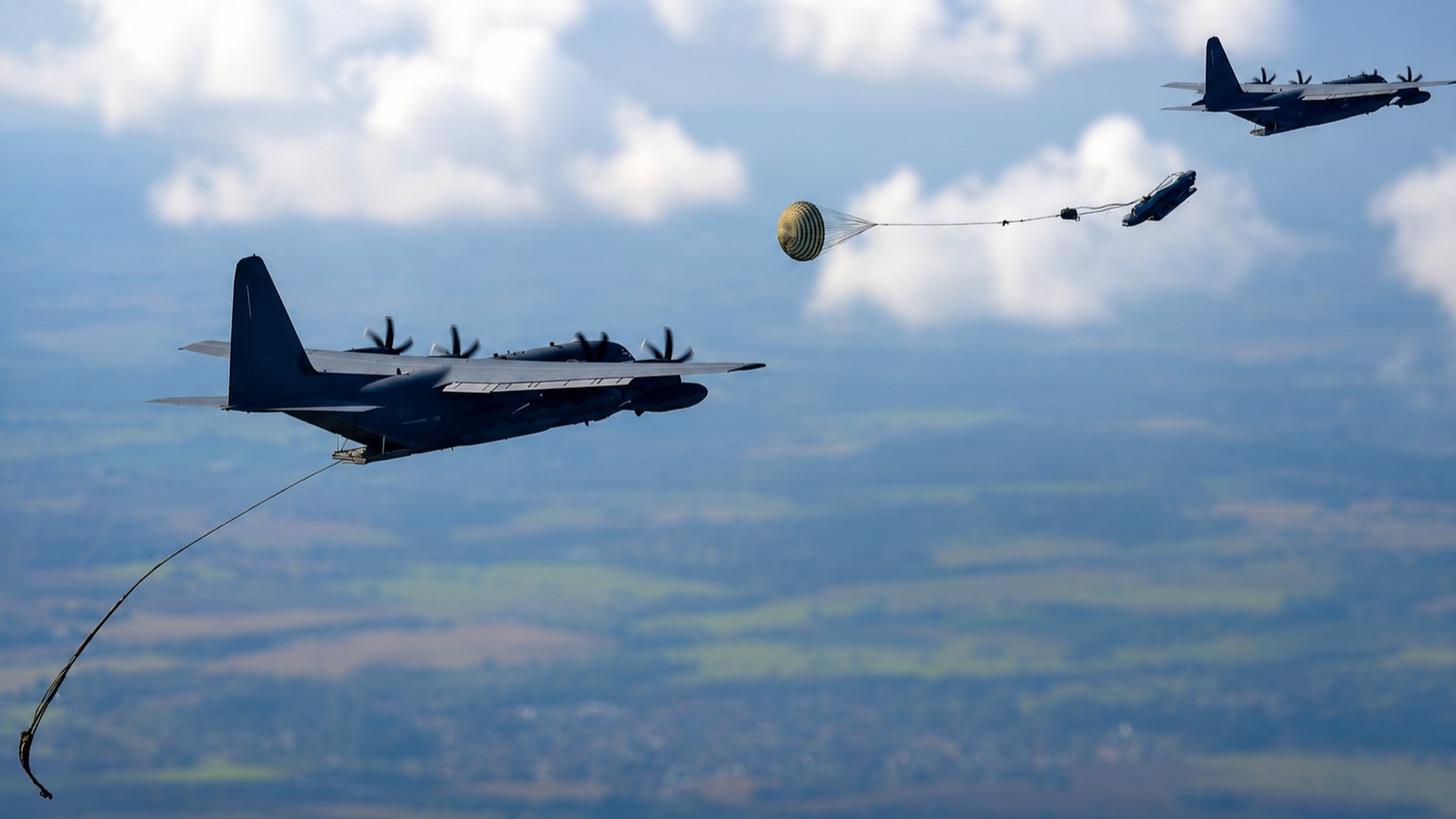
Aircraft can also deliver boats directly into the ocean. In 2016, US Air Force MC-130J Commando II aircraft successfully demonstrated the Maritime Craft Aerial Delivery System, which enables boats to be dropped from the air and recovered in the water. The ability to transport or deploy boats by aircraft provides military forces with greater flexibility during operations.
Also Read: 7 Most Expensive Private Jets to Charter Worldwide
Statues and Giant Mechanical Dragons
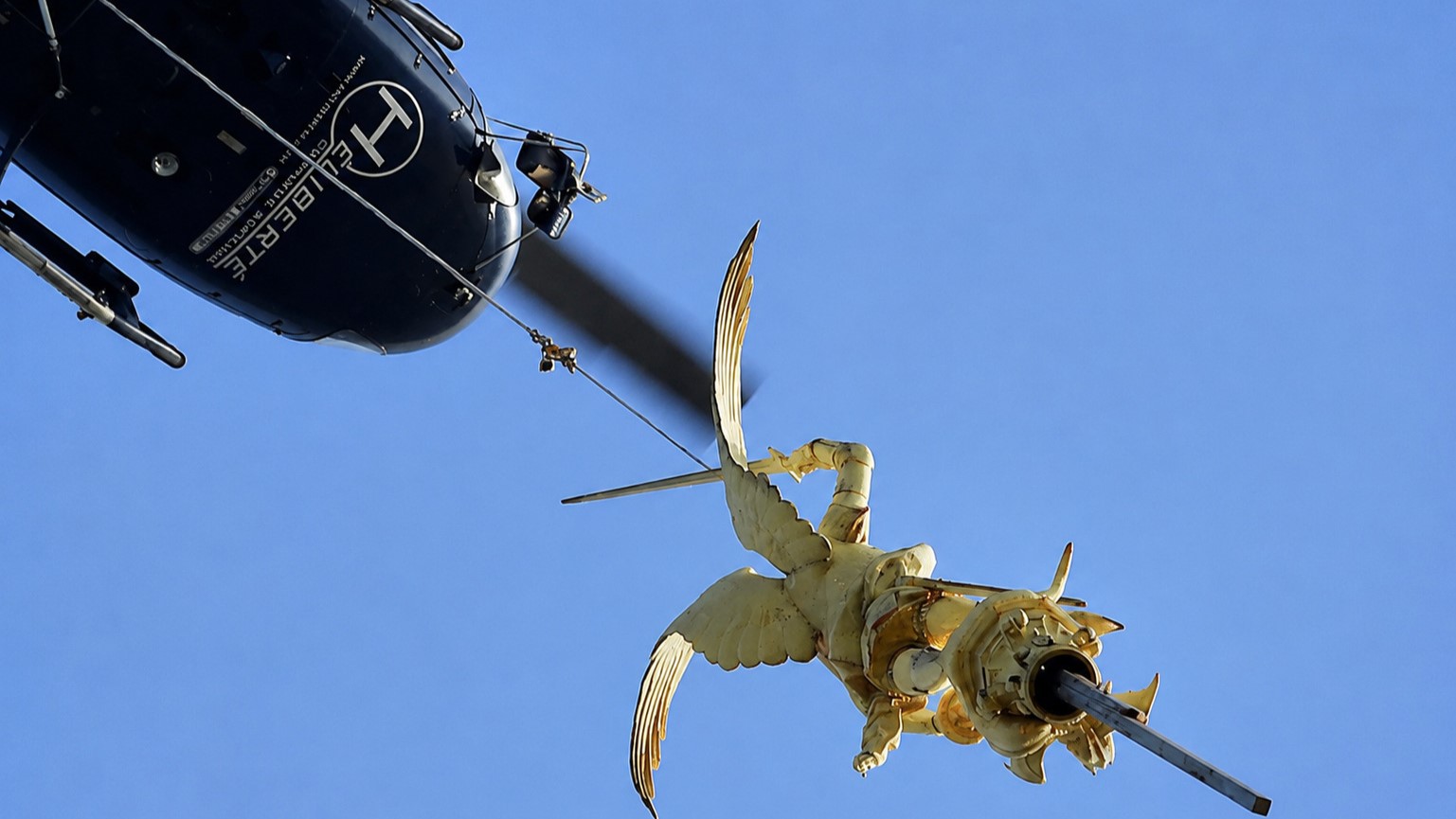
Moving large statues and cultural treasures is never simple. Their unusual shapes, considerable weight, and fragile materials make transportation extremely difficult. In 2016, visitors to Mont-Saint-Michel in France watched as a helicopter carefully lifted a statue of the Archangel Michael from the top of the famous abbey church. The operation required meticulous planning and highly skilled pilots. Museums and cultural institutions also depend on aircraft to transport priceless artefacts.
In 2005, valuable Egyptian treasures associated with Tutankhamun were flown from Cairo to Los Angeles for a major exhibition. Every item travelled in specially designed containers that protected it from vibration, temperature fluctuations, and physical damage. Aircraft have even transported giant mechanical creatures. An Antonov An-124 once carried a 12-metre-high mechanical dragon named Long Ma Jing Shen from France to China. Weighing approximately 45,000 kilograms, the dragon remains one of the most unusual cargo loads ever flown.
Helicopters
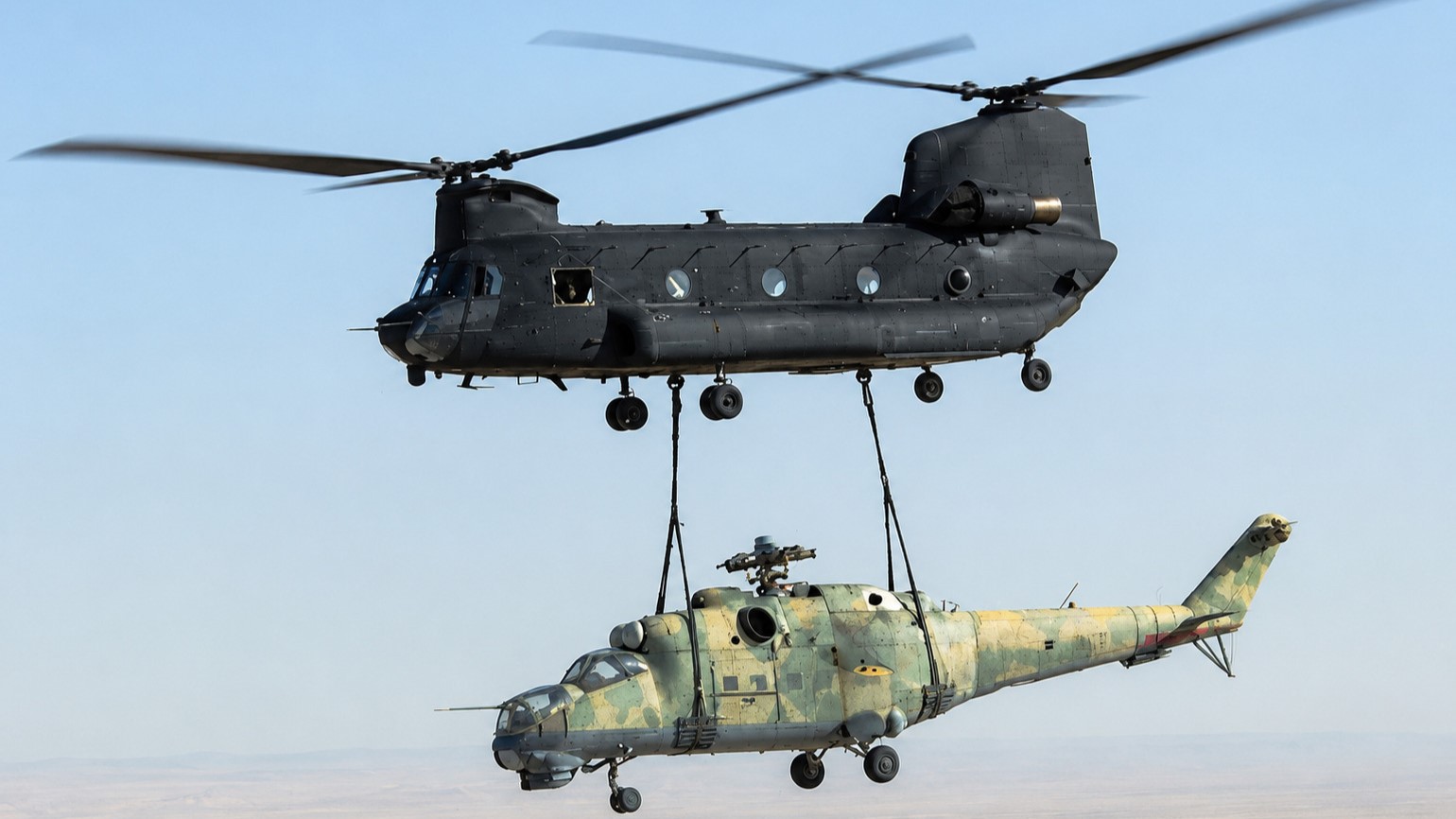
Helicopters are frequently used to transport heavy equipment, but sometimes they are used to transport other helicopters. One of the best-known examples occurred during Operation Mount Hope III in 1988. After a conflict in Chad, a Soviet-built Mi-24 Hind attack helicopter was abandoned in the desert, and the United States wanted to study its technology. Following an unsuccessful recovery attempt, two MH-47D Chinook helicopters were dispatched to retrieve it.
The mission involved flying thousands of miles, coping with extreme heat, and operating during a severe sandstorm. Despite these challenges, the Chinooks successfully lifted and transported the Soviet helicopter to safety. Another helicopter capable of extraordinary feats is the Mil Mi-26. As the largest operational helicopter ever built, it can carry up to 20,000 kilograms of cargo and is powerful enough to transport other helicopters, including damaged Mi-26s.
Trains on Planes
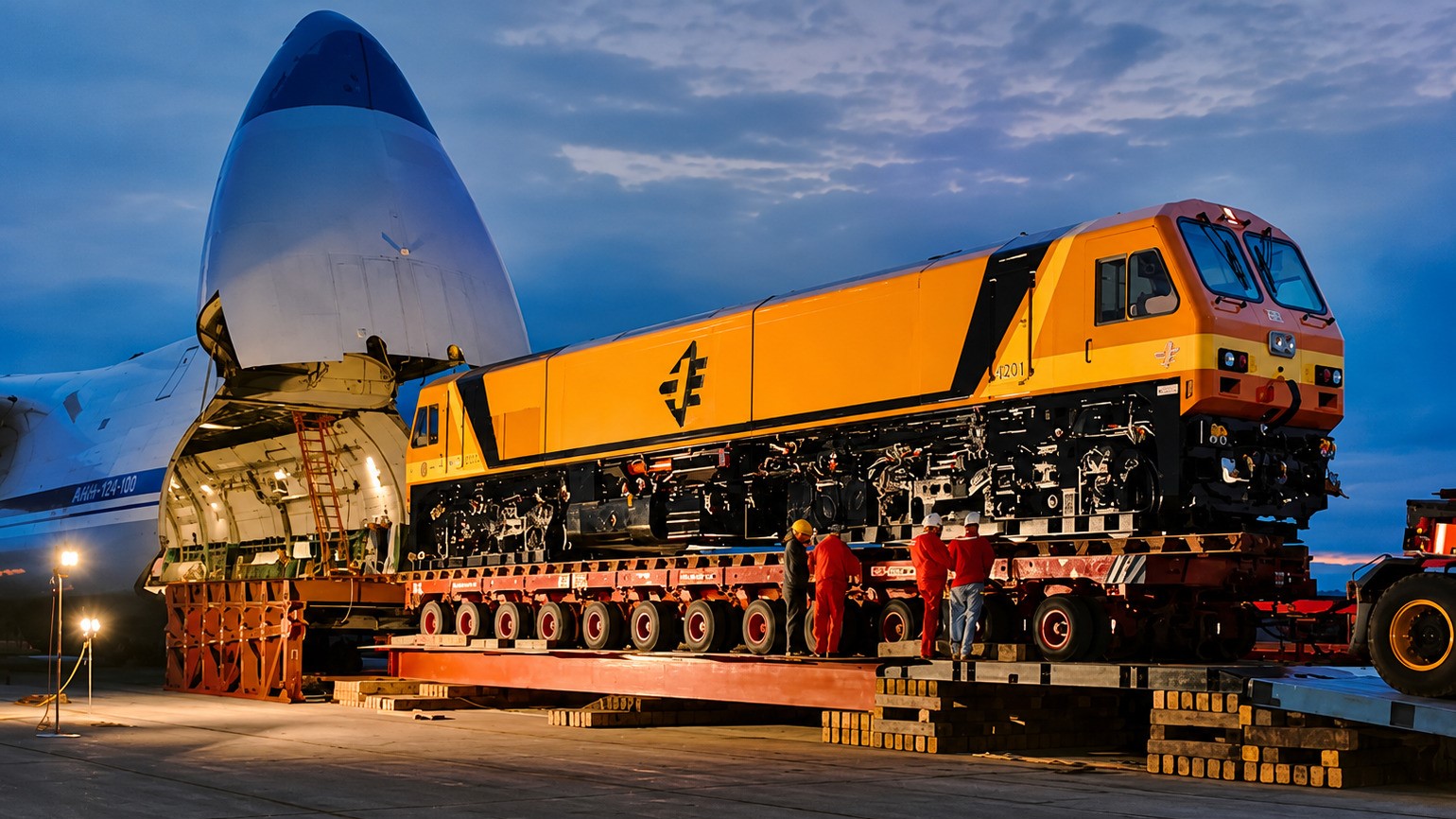
Trains are among the heaviest vehicles normally found on land, making the idea of transporting one by air seem almost impossible. Nevertheless, in 1994, a newly built locomotive needed to reach Ireland quickly for an official naming ceremony. Shipping it by sea would have taken too long, so an Antonov An-124 cargo aircraft was hired for the task. The locomotive, known as No. 201, was built in Canada and weighed more than 100 tonnes.
Engineers created a special trailer system to move it from the factory to the airport before loading it onto the aircraft. The flight became one of the most impressive cargo operations ever completed and demonstrated the extraordinary capabilities of the Antonov An-124. Years later, the even larger Antonov An-225 would transport the heaviest single cargo item ever flown, a massive power generator weighing nearly 190 tonnes.
Antonov An-225 Mriya
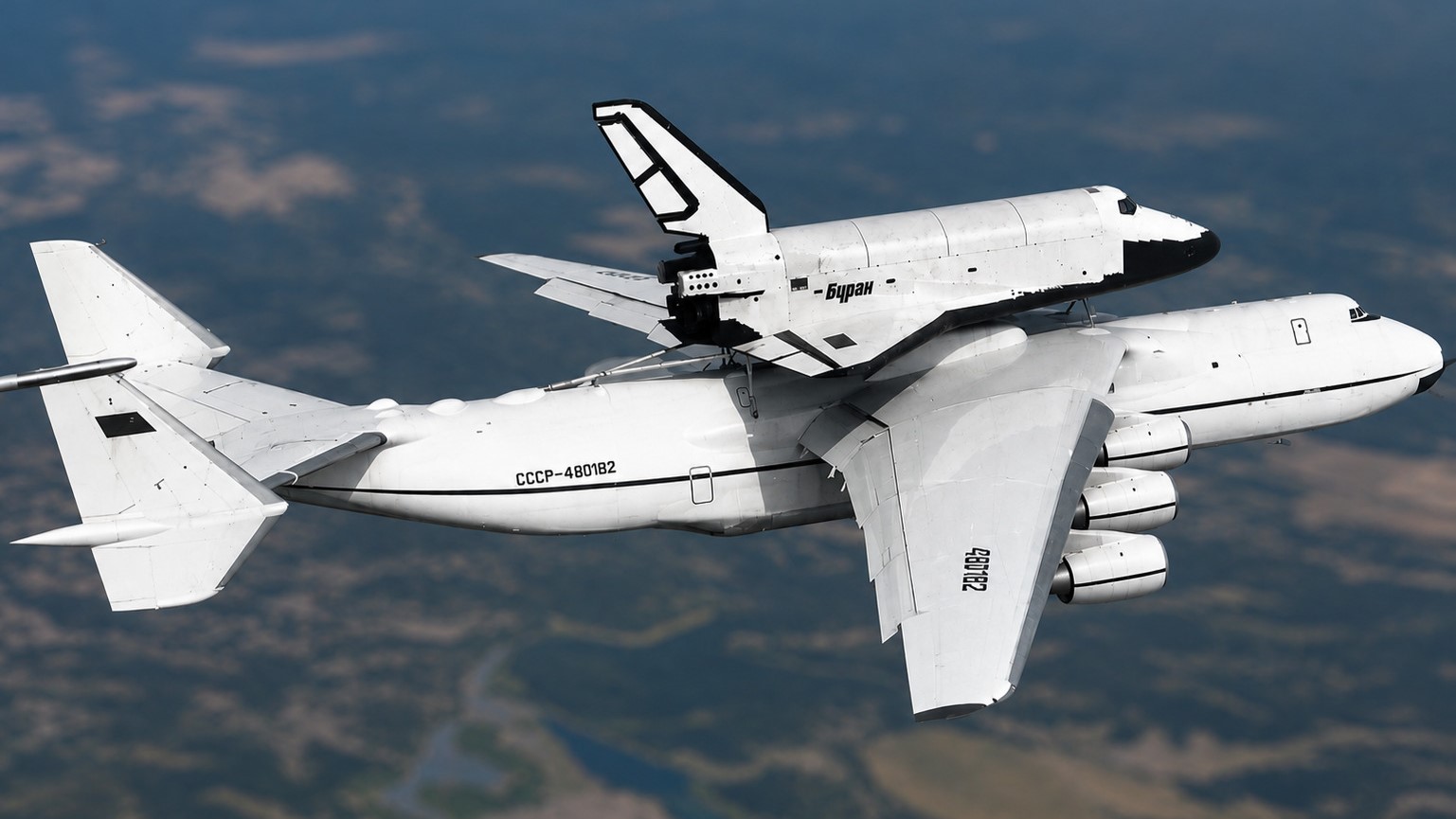
No aircraft symbolizes heavy air cargo better than the Antonov An-225 Mriya. Developed during the Soviet space program, the aircraft was specifically designed to transport rockets, spacecraft, and oversized equipment. Engineers based their design on the Antonov An-124 but expanded it considerably. The An-225 featured six massive engines, a longer fuselage, and a distinctive twin-tail design. It was capable of carrying cargo both inside the aircraft and mounted externally on top.
Soon after entering service in 1988, the aircraft began breaking records and eventually accumulated hundreds of them. Among its greatest achievements was carrying the heaviest payload ever lifted by an aircraft, weighing 253,820 kilograms. Sadly, the world's only completed An-225 was destroyed during fighting near Kyiv in 2022. Despite its loss, it remains one of the most legendary cargo aircraft ever built.
Also Read: 10 Of The Strangest Boeing Aircraft Ever Made
Animals
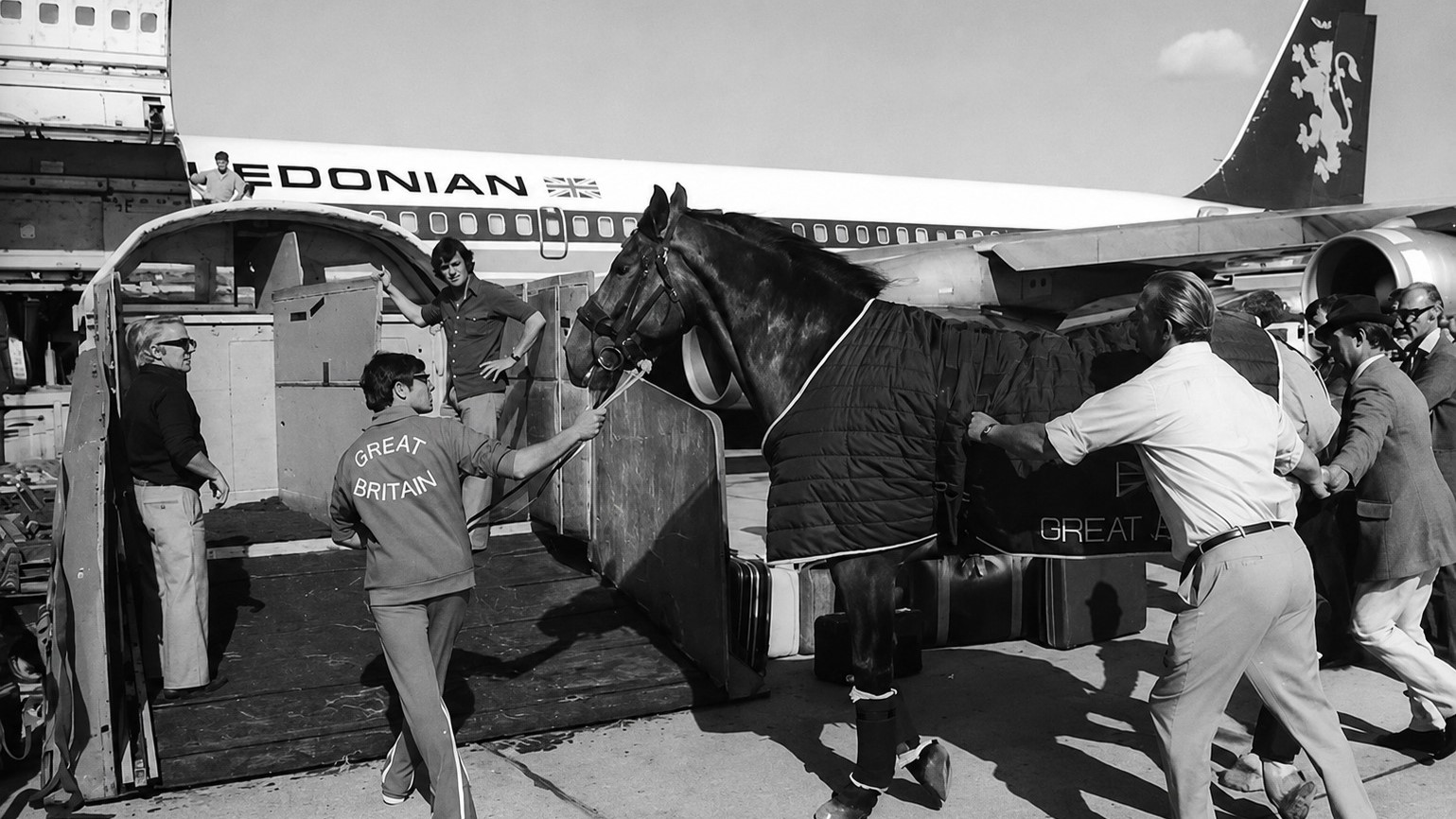
Animals have been taking to the skies long before humans ever boarded an aircraft. In 1783, the Montgolfier brothers launched a sheep, a duck, and a chicken in a hot-air balloon. Their successful flight helped demonstrate that living creatures could survive aerial travel. Today, transporting animals by air is a major industry. Airlines operate specialized services for livestock, racehorses, zoo animals, and endangered species.
Racehorses are among the most common animal passengers and travel in specially designed stalls accompanied by trained handlers who monitor their health and comfort throughout the journey. Zoos also rely on aircraft to move rare animals between conservation programs, with giraffes, rhinos, pandas, and many other species travelling by air. One particularly famous passenger was Maggie, an African elephant transported aboard a US Air Force C-17 Globemaster III in 2007. She is believed to be one of the largest animal passengers ever flown.
Helicopter Carries an F-35 While Refuelling Mid-Air
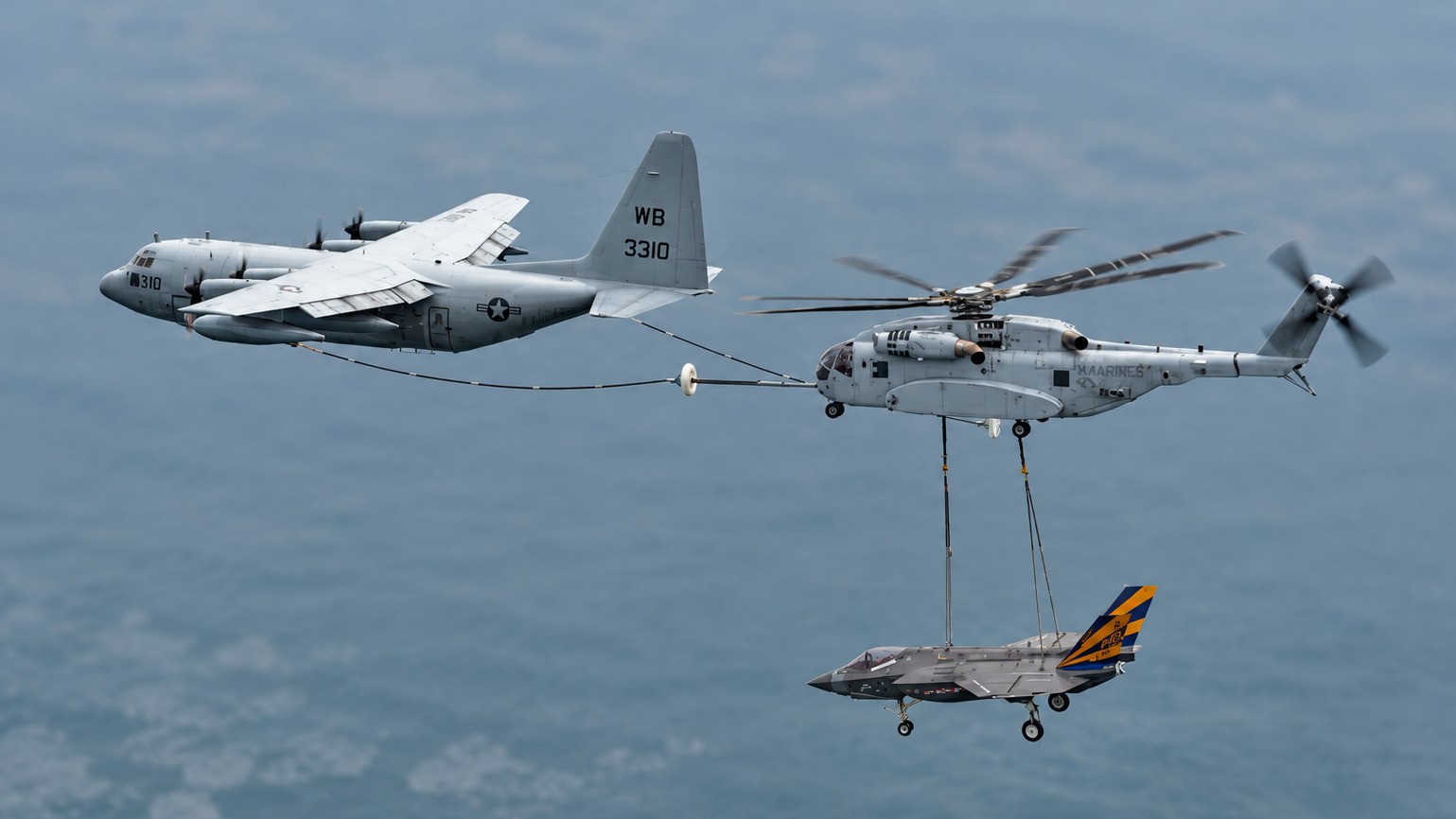
Perhaps the most astonishing example of unusual air cargo occurred in 2024. A remarkable photograph showed a CH-53K King Stallion helicopter carrying an F-35C Lightning II fighter jet beneath it while simultaneously receiving fuel from a KC-130T tanker aircraft. Either operation would be difficult on its own, but performing both at the same time required extraordinary skill and coordination. Helicopters carrying sling loads must fly at relatively slow speeds, while tanker aircraft have minimum safe operating speeds that must also be maintained.
The flight crews had to achieve a perfect balance between the two aircraft while ensuring the suspended fighter remained stable beneath them. The CH-53K is the most powerful helicopter currently operated by the US Marine Corps and is capable of lifting more than 36,000 pounds. The aircraft hanging below it was a retired F-35C test aircraft. The image quickly became one of the most remarkable aviation photographs ever taken, highlighting the incredible capabilities of modern aircraft and the expertise of the crews who operate them.