When we drive a car, distances are measured in kilometers or statute miles. So, many people wonder why airplanes use nautical miles (NM) instead. The answer lies in the way pilots navigate the Earth. Since the Earth is round, using nautical miles makes navigation more accurate and easier, especially over long distances. This is why both pilots and sailors use the same system.
What Is a Nautical Mile?
A nautical mile is a unit of distance used in aviation and maritime navigation. One nautical mile is exactly 1,852 meters, which is equal to 1.852 kilometers, 1.151 statute miles, or about 6,076 feet. Unlike a statute mile, which is used for roads and land travel, a nautical mile is based on the Earth's shape. It was originally defined as one minute of latitude along any line of longitude.
Because latitude and longitude are used to locate positions anywhere on Earth, the nautical mile fits naturally into the global navigation system. For comparison, one nautical mile is equal to 1,852 meters, while one statute mile is equal to 5,280 feet (1,609 meters). Although a nautical mile is slightly longer than a statute mile, it provides a much more practical way to measure distance across the Earth's curved surface.
Why Do Airplanes Use Nautical Miles?

Aircraft travel over very long distances, often crossing countries, oceans, and continents. Since the Earth is not flat, measuring these distances using statute miles would make navigation more complicated. Nautical miles are directly connected to the Earth's latitude and longitude system. This allows pilots to calculate routes, positions, and distances more accurately.
Flight computers, navigation charts, and air traffic control systems all use nautical miles because they match the Earth's geographical coordinates. This system helps pilots plan the shortest route between two airports, calculate flying time, estimate fuel consumption, maintain safe distances from other aircraft, and communicate clearly with air traffic controllers around the world. Because every country follows the same standard, pilots can fly internationally without changing units of measurement.
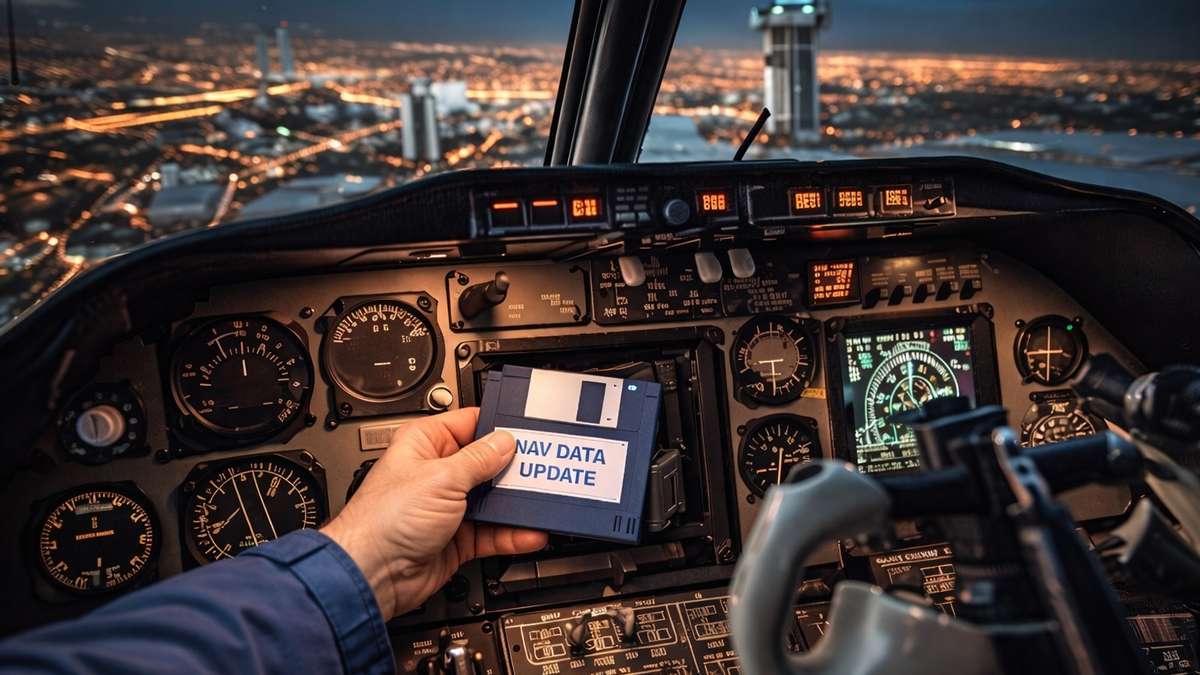
Also Read: Why Floppy Disks Are Still Used in Some Airplanes
Why Do Airplanes Measure Speed in Knots?
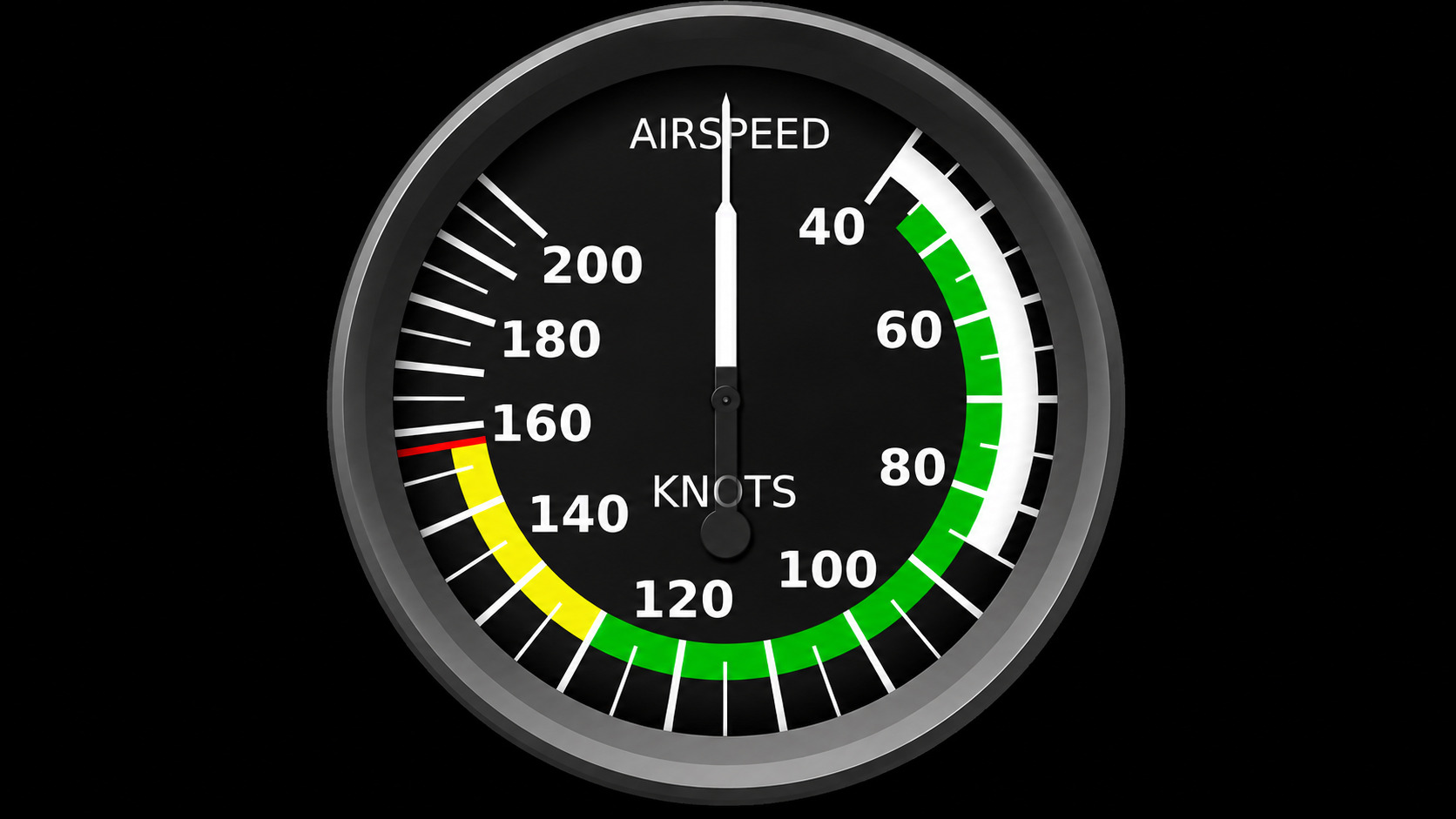
Along with nautical miles, airplanes measure speed in knots. A knot is equal to one nautical mile per hour. For example, 100 knots means an aircraft travels 100 nautical miles per hour, 250 knots means it travels 250 nautical miles per hour, and 500 knots means it travels 500 nautical miles per hour.
Using knots keeps speed and distance in the same navigation system. This makes flight planning much easier because pilots can quickly calculate travel time, fuel use, and arrival times.
The History of the Nautical Mile

Long before airplanes existed, sailors explored the world's oceans. As they traveled farther, they discovered that measuring distance on a round Earth was difficult. To solve this problem, navigators developed the system of latitude and longitude. Since one minute of latitude represented a fixed distance, sailors began using it as a standard measurement.
This became known as the nautical mile. In 1929, representatives from many countries met at the First International Extraordinary Hydrographic Conference in Monaco. During this meeting, they officially agreed that one nautical mile would equal 1,852 meters. This international standard is still used today.
How Aviation Adopted Nautical Miles

When airplanes began flying long distances, pilots realized that the navigation system used by sailors worked perfectly in the sky. One of the biggest milestones came in 1927, when Charles Lindbergh successfully flew solo across the Atlantic Ocean using navigation methods based on nautical miles and geographic coordinates.
His famous flight showed that the system was reliable for aviation. As commercial aviation expanded, countries around the world adopted nautical miles as the standard unit for measuring distance in flight.
How Nautical Miles Help Modern Aviation
Today's aircraft use advanced GPS systems, onboard computers, satellites, and digital navigation maps. Even with this modern technology, nautical miles remain the standard unit of measurement.
Using nautical miles helps pilots follow GPS routes accurately, calculate fuel requirements, estimate flight duration, plan alternate routes during bad weather, coordinate with air traffic controllers, and maintain safe separation from other aircraft. Because all international aviation systems use nautical miles, pilots from different countries can communicate using the same measurements without confusion.
Also Read: AI Voice Cloning: How Airlines Are Using It
International Standard
Two major international organizations require the use of nautical miles. The International Civil Aviation Organization (ICAO) sets global standards for aviation, while the International Maritime Organization (IMO) sets standards for shipping and maritime navigation.
Although the international nautical mile was officially defined in 1929, countries adopted it at different times. The United States adopted it in 1954, while the United Kingdom adopted it in 1970.
What About the Metric System?
In 1947, the ICAO supported the creation of the International System of Units (SI), which is based on the metric system. The long-term goal was to gradually replace nautical miles and knots with metric units. The SI system was officially adopted in 1960 by the 11th General Conference on Weights and Measures (CGPM).
However, the aviation and maritime industries continued using nautical miles because changing the entire global navigation system would have been expensive, complicated, and potentially unsafe. As a result, nautical miles and knots remain the worldwide standard today. Interestingly, even though a nautical mile is officially defined in meters, there is no unit called a nautical kilometer.
Different Abbreviations
Over the years, several abbreviations have been used for the nautical mile, including NM, Nm, nmi, and M. Today, NM and nmi are the most commonly recognized abbreviations, although no single abbreviation has been universally adopted in every publication.
Why Nautical Miles Still Matter
Airplanes measure distance in nautical miles because they provide a more accurate way to navigate the Earth's curved surface. Since nautical miles are directly linked to latitude and longitude, they make flight planning, navigation, and communication much simpler. Combined with knots for measuring speed, they allow pilots to calculate distance, travel time, and fuel requirements accurately.
Although the metric system is widely used around the world, nautical miles remain the international standard for both aviation and maritime navigation. Their long history, worldwide acceptance, and close connection to the Earth's geography ensure that they continue to play an essential role in modern air travel.