An airline can make a sustainability claim, but is it easy to verify? As the world is moving more towards green development, most airlines talk about green flying. However, the most credible way to compare them today is through a standardized carbon-efficiency metric rather than relying on marketing gimmicks.
Cirium EmeraldSky Annual Review is one such publication, which ranks the world's 100 largest scheduled passenger airlines by carbon dioxide (CO2) emissions per available seat kilometre, or ASK. With independent assurance and accreditation, ASK is one of the industry benchmarks airlines cannot easily spin in their own favor.
Cirium's idea was to cover the world's most-efficient airlines, and the publication also tracks year-on-year progress, route-level performance, and real-world flight data, favoring low-cost carriers with young fleets and high-density seating. In the following list, there are two categories: the first category belongs to carbon emissions per ASK, and the second category ranks the world's largest airlines by total ASK against each other.
Also read || 10 Strange Aviation Rules That Quietly Keep You Alive
Scoot
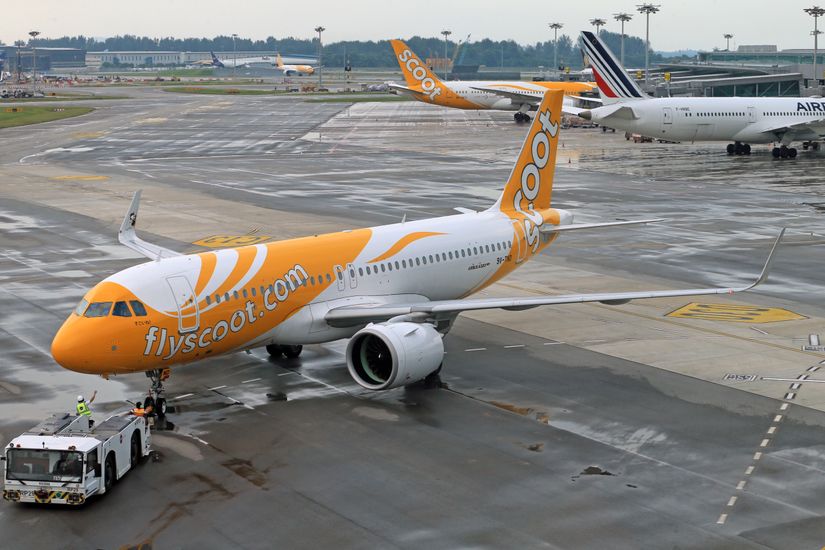
If you care about sustainability, Scoot produces the lowest carbon emissions at 51.0 grams CO2 per ASK. Before Scoot, Wizz Air was the most carbon-efficient airline in the world. It features one of the youngest fleets in the industry, averaging 6.7 years, 242 seats per aircraft, and longer average routes that dilute the fuel-heavy takeoffs and climb phase of each flight. After increasing their flight volume by 9 percent, Scoot's per-seat emissions also reduced, implying a rare combination of efficiency and growth.
Wizz Air
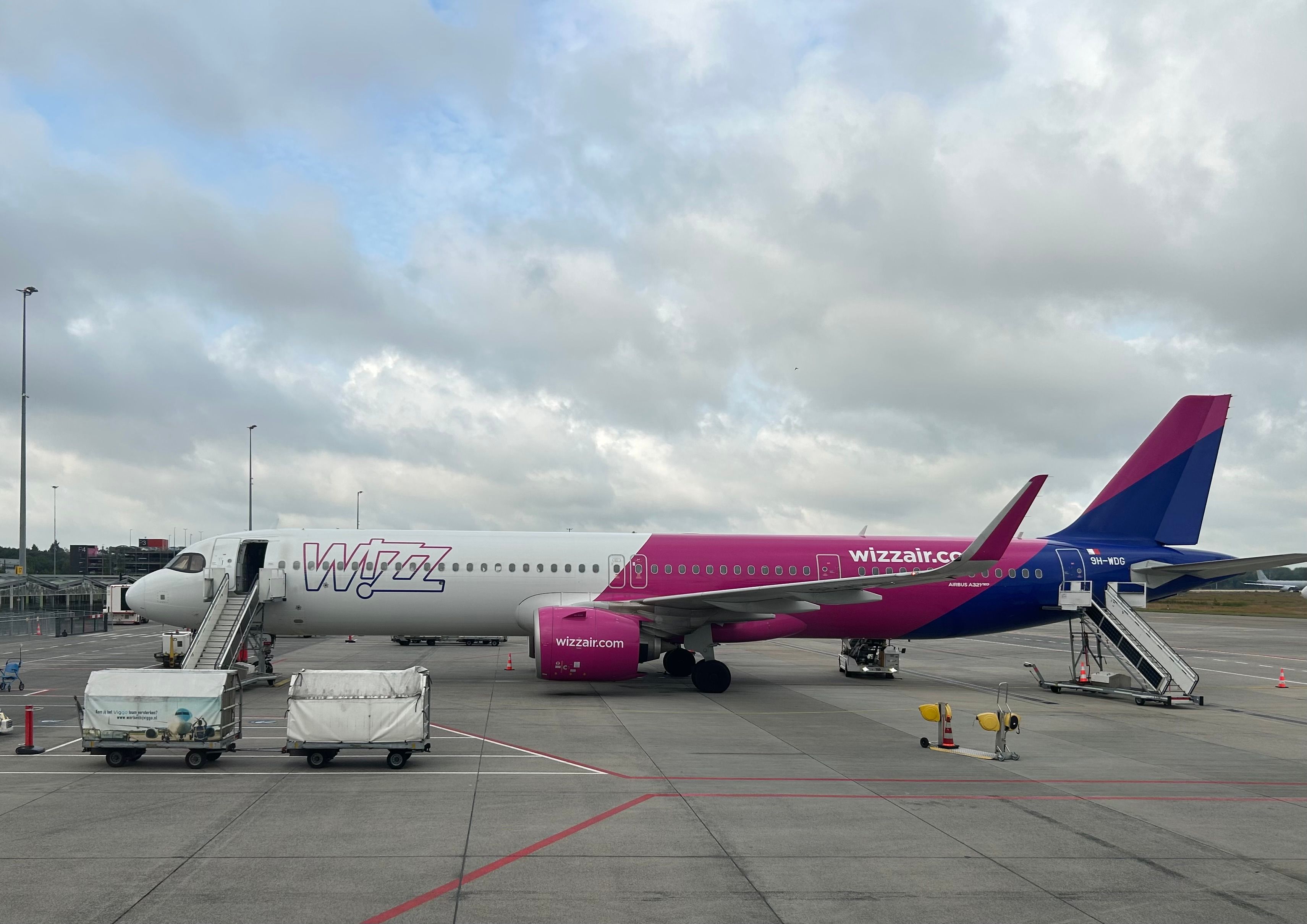
With 52.9 grams of CO2 per ASK, Wizz Air is rated as the second most carbon-efficient airline. The Hungary-based ultra-low-cost airline continues to lean on a young Airbus fleet and a high-density seating model. The benefit of this model is that it keeps its per-seat emissions among the lowest of any airline flying today. Before Scoot, it was the most carbon-efficient airline in the world, and has a consistent year-over-year performance.
Also read || The Flying Banana: The Helicopter That Changed Military Aviation
TUI Airways
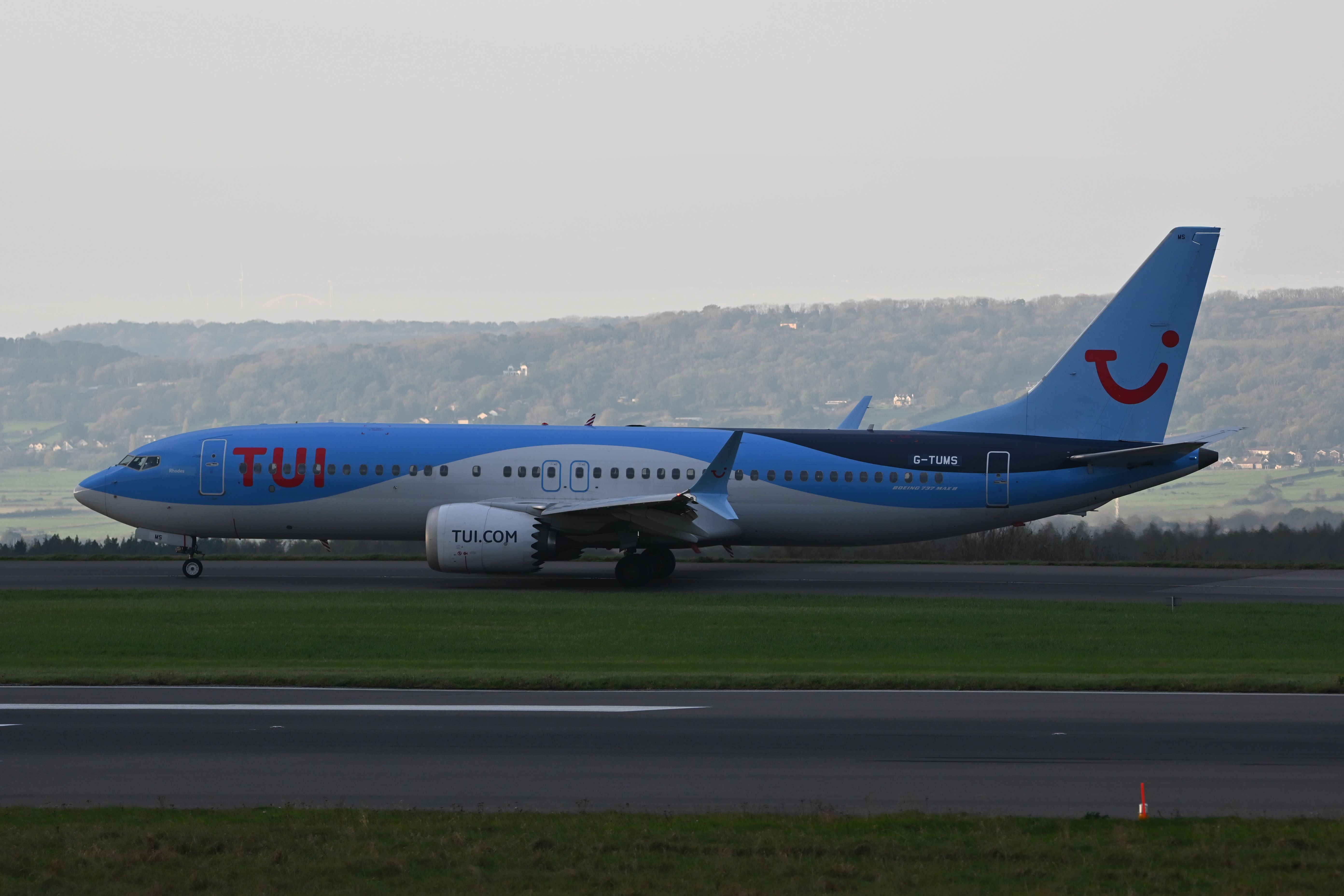
TUI is a leisure-focused carrier which has a CO2 per ASK of 53.6 grams. It is among the world's five most efficient airlines in Cirium's EmeraldSky review. Interestingly, TUI benefits from longer average sector lengths on holiday routes, which spreads out the emissions-heavy climb phase over more distance and improves its overall efficiency score compared with short-hop competitors. Its efficiency puts it ahead of nearly every legacy long-haul carrier on the list.
Frontier Airlines

Frontier Airlines is the leading carrier in the Americas and the standout North American name in the global top five most efficient airlines. With 54.4 grams of CO2 per ASK, Frontier Airlines is the fourth best airline on the EmeraldSky list. What makes it impressive is its ultra-low-cost model, built around high-density cabins and a young fleet, which mirrors the same efficiency drivers seen at Scoot and Wizz Air. So, if you care about sustainability and live in North America, Frontier is your option.
Pegasus Airlines
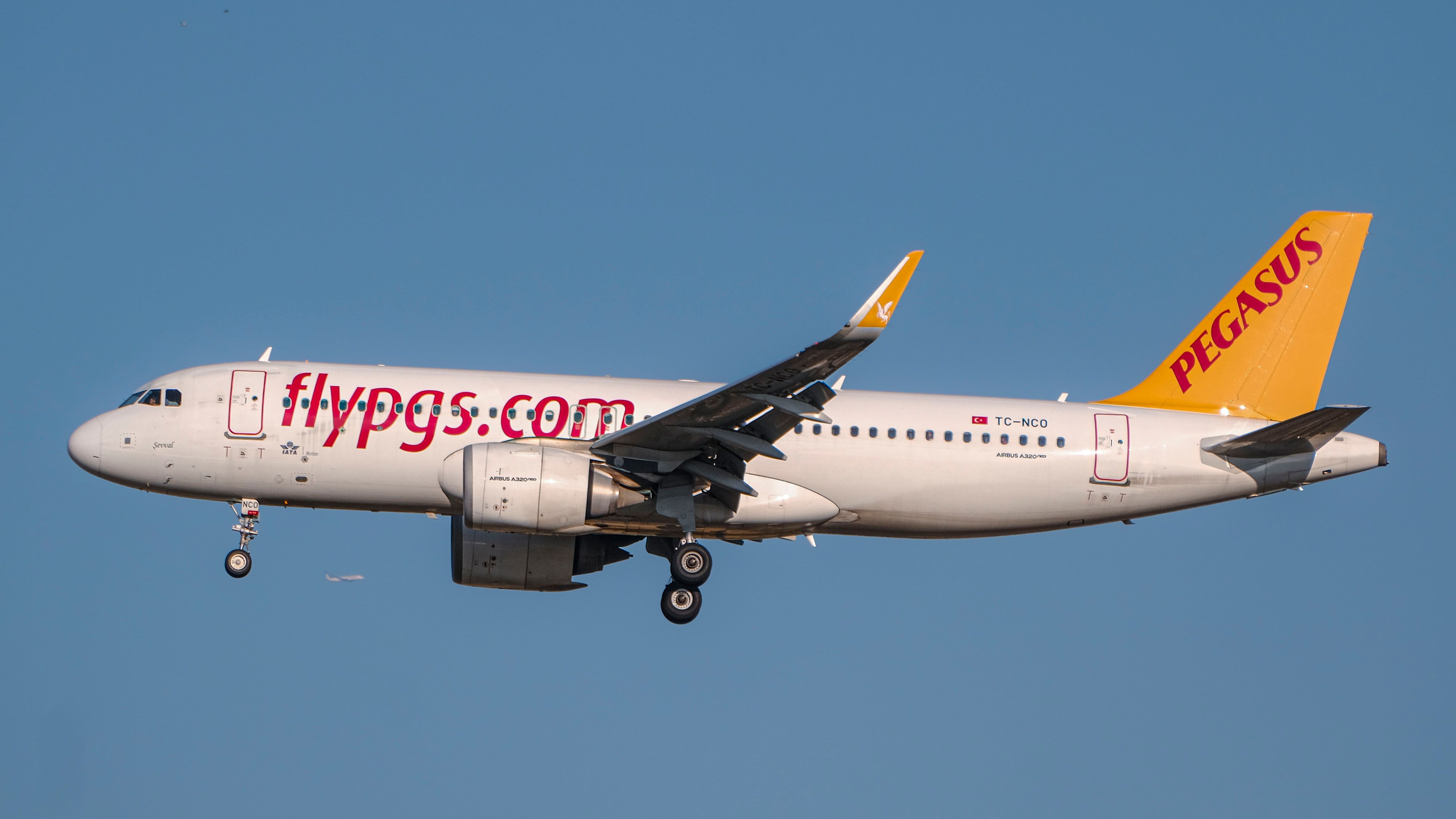
Pegasus Airlines is one of the oldest private airlines from Turkey. With 57.1 grams of CO2 per ASK, this low-cost carrier has newer aircraft and efficient short-haul scheduling across its network. It remains in an upper tier even as larger, older fleets elsewhere in the region lag. Pegasus's result reinforces Cirium's broader finding that fleet age and seat density are the strongest predictors of efficiency, and not airline size.
Qatar Airways
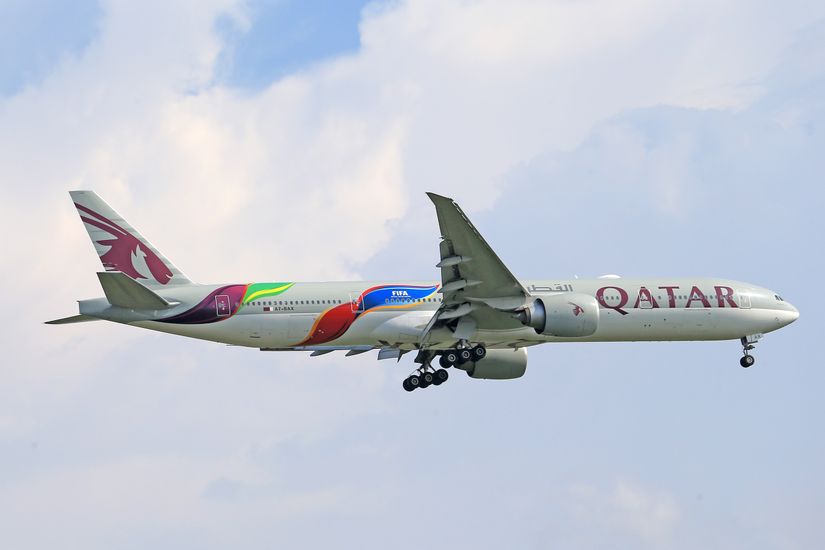
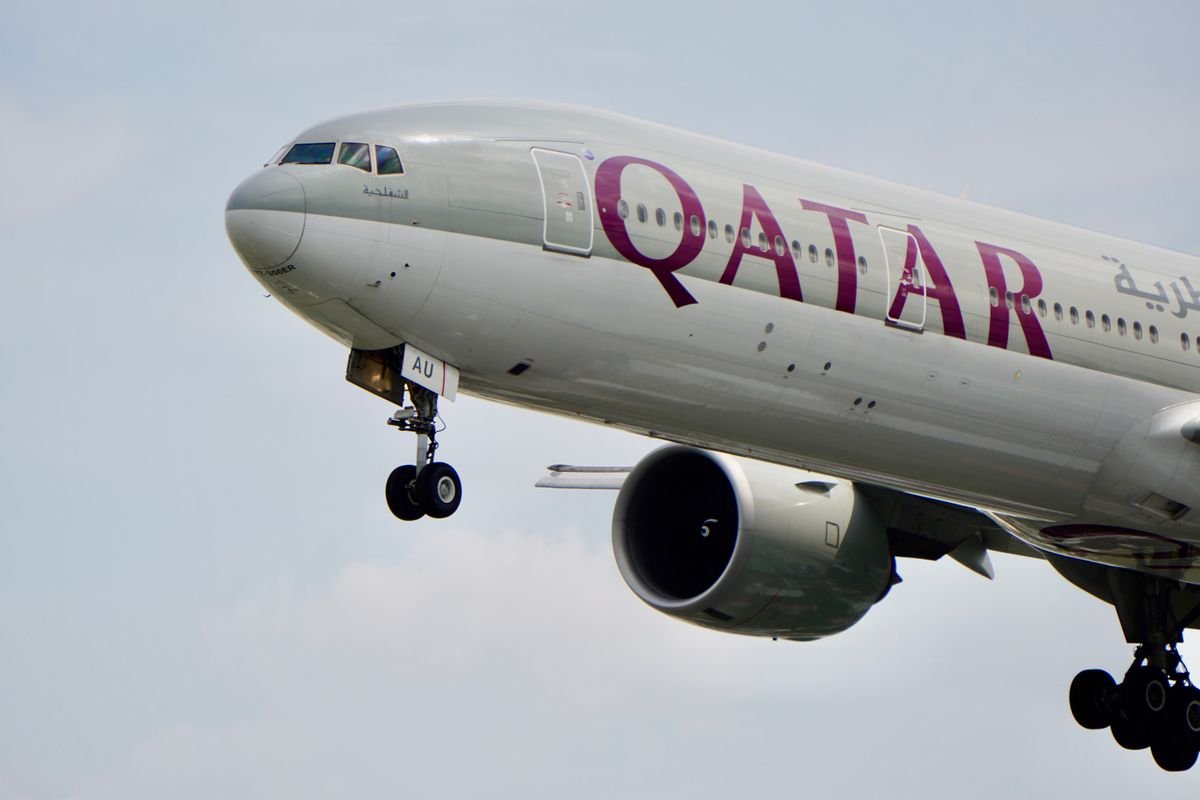
Qatar Airways features 60 grams of CO2 per ASK, making it one of the most efficient large, long-haul carriers globally. It is among the world's largest airlines ranked by total ASK. Qatar Airways' performance proves that scale and efficiency are not mutually exclusive when fleet investment is prioritized. This airline outperforms every other airline of comparable size and route.
Ryanair
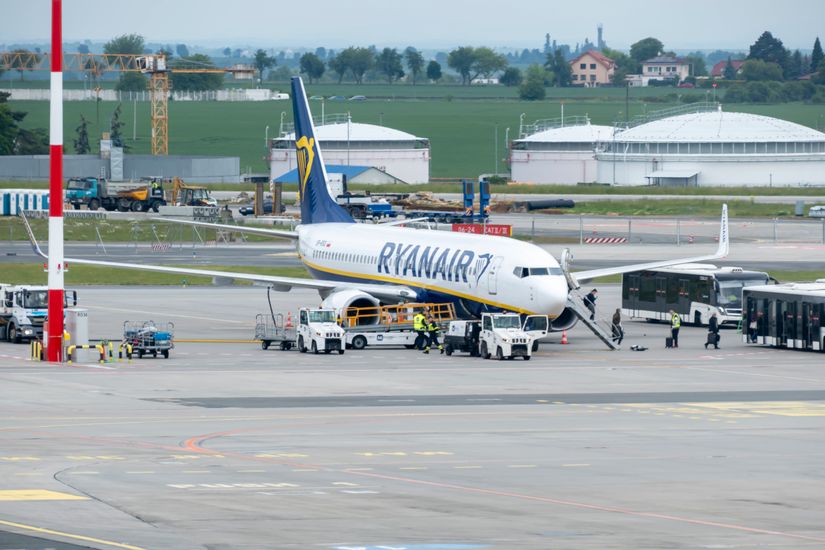
After Qatar Airways, Ryanair is one of the largest carriers, at 62.7 grams of CO2 per ASK. Despite having one of the highest flight volumes in the world, Ryanair features single-class cabins and short average sector lengths, which keeps it ahead of most other high-capacity airlines on emissions intensity. Though it might not be as big as others, it is still a large carrier which prioritizes sustainability in its policies.
Turkish Airlines
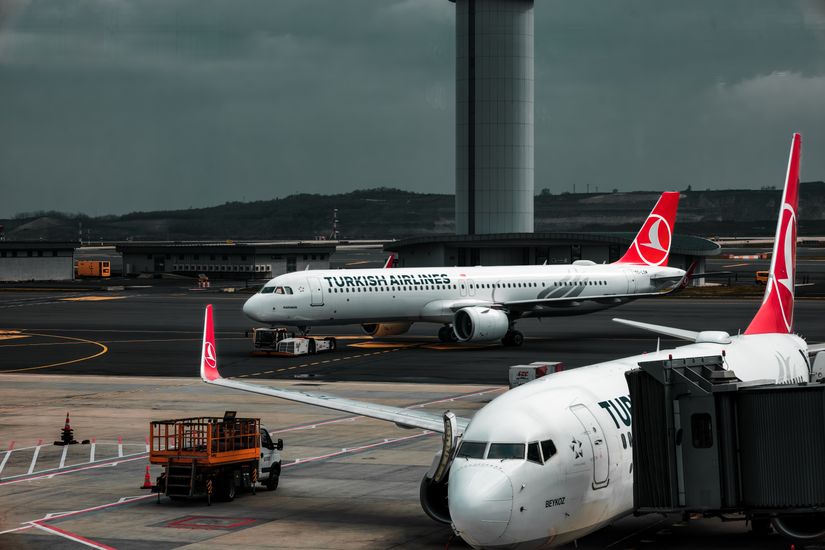
Turkish Airlines is placed third among the world's largest airlines at 64.2 grams of CO2 per ASK. From Istanbul to the world, this airline operates a mixed short- and long-haul network, reflecting its steady fleet renewal, despite flying one of the most complex route networks of any airline on this list. So, if you are in Istanbul or want to travel there, it could be a great sustainable choice.
Also read || Why Do Airplanes Use Nautical Miles?
What's the path forward for carbon-efficient aviation?
The review by Cirium emphasizes key regional leaders outside the main global ranking, such as Wizz Air in Europe, Frontier in North America, Virgin Atlantic across the Atlantic, Air Canada across the Pacific, and JetSmart in Latin America. But why? They are highlighted separately because fleet types, route lengths, and flying conditions vary across regions. So, when you evaluate airlines within their operational contexts, you ensure that an efficient and high-performing carrier with unique geography challenges is recognized.
It is crucial to understand and recognize what Cirium's data represents. With the EmeraldSky tool, the focus is on efficiency per seat rather than a total environmental audit. They focus on aircraft age, seat density, and flight routing, giving a more comprehensive picture. However, they exclude factors like sustainable aviation fuel (SAF) usage, non-CO2 contrail impacts, and waste management. Airlines on this list are ranked based on smart fleet management and high-density seating rather than an all-encompassing green score.