Whether you are a frequent traveler or fly occasionally, there’s something strange about airplane rules that pisses a lot of us off. While these rules may sound absurd, there should have been a reason for their existence. Like every mode of transport, aviation comes with a lot of benefits and risks, and these rules or guidelines act as a shield for many travelers.
Although these rules may look like pointless red tape from another era, they exist because of critical incidents in the past, such as crashes, near misses, and malfunctioning. So, instead of learning it the hard way, sticking to these rules makes more sense. Here are the 10 aviation rules that may seem strange but come with real safety reasons behind them.
Also read || 7 Best Budget Airlines to Travel With in 2026
Why aircraft lavatories still have ashtrays
You will usually find a small metal ashtray in the lavatory of whichever modern airline you travel on. It looks strange because smoking has been banned on most flights for decades, so why do they keep ashtrays near the door? Regulations require every lavatory to have a self-contained ashtray regardless of whether someone smokes or not.
It’s simple thinking because not every passenger adheres to the rules, and giving them a safe place to put out a cigarette beats the alternative of one being tossed into a paper-filled trash bin. Based on history, a lavatory fire sparked by a discarded cigarette contributed to the 1973 Varig Flight crash near Paris, killing over 100 people.
Why are cabin lights dimmed before takeoff and landing
You may have noticed that when your flight departs or lands after dark, cabin crew dim the lights just before takeoff and again during landing. The reason is to let your eyes adjust so you can see outside sooner, spot illuminated exit signs, and evacuate without any trouble if the airplane loses power or fills with smoke. It’s a standard procedure applied almost everywhere for evacuation safety.
Besides, lowering the light also minimizes glare on the windows, so crew and passengers can see outside and notice hazards like fire or debris during takeoff or landing. Since most unfortunate incidents happen either during the landing or during the takeoff. While evacuation readiness is the key reason, dimming lights also benefits by reducing electrical load on some aircrafts.
Why must window shades be open for takeoff and landing
Although it is not a legal requirement everywhere, it is a widely practised standard procedure in most airplanes. When you are flying, a crew member will always come towards you to request that you open the window shades during takeoff and landing. Their motive is not to annoy you with regulations but to keep you safe.
When shades are open, everyone can clearly view outside, so hazards such as fuel leaks, engine fires, runway debris, or water can be spotted before an exit is opened. It also allows emergency responders outside the plane to look into the cabin and judge conditions like blocked aisles or smoke without wasting time. The rule may not be universal or legal, but it saves hundreds of lives every day.
Why can't pilots often eat the same meal
When flights are anywhere between 6 and 12 or more hours, the captain and the first officer are often discouraged or sometimes barred by the airline policy from ordering the same meal. The key concern is foodborne illness, which not only affects the pilots but can be riskier for all the travelers. In simple words, if both ate contaminated food, there would be no one to fly the plane.
Many airlines reduce that risk by requiring different menu choices, sometimes at different times. It is not a universal law, but a logical cockpit procedure to not only save people, but also to have a backup if things go downhill. Besides, it also depends on the airline company's policy whether they implement it or not.
Also read || 7 Most Expensive Private Jets to Charter Worldwide
What do the tiny black triangles above some windows mean
When you fly next time, observe the cabin wall closely, and you may spot a small black triangle above a specific window around mid-cabin. This triangle denotes the optimal viewing spot, a point where a pilot or flight attendant gets the clearest line of sight to the wings, flaps, and fuel tanks. Also, anyone sitting near that point can report if they notice an anomaly.
If a crew suspects a problem like icing, a fuel leak or abnormal flap movement, it is the point at which they’ll have to come and visually check if things are all right or not. Some aviation fans call these seats “The William Shatner” seat, referring to a 1963 infamous Twilight Zone Episode, where Bob witnesses a Gremlin sitting on a wing. What looked like an ambiguous sign is a lifesaver during incidents.
Why can't you fly with a pressurized scuba tank
If you are a scuba diver, you’ll have a difficult time flying with your gear. Airlines don’t have any personal animosity against scuba divers, but traveling with pressurized tanks is strictly restricted. Your cylinder must be empty or nearly empty, with removed or opened valves.
Most airlines require tanks to be depressurized to a minimum level before they go anywhere near the plane, because pressurized gas cylinders are considered hazardous. Since Cabin pressure reduces during flight, trapped gas in the cylinder can expand, and if its valve snaps, the sudden release of energy can cause a fire or an explosion.
Why airplane doors cannot be opened mid-flight
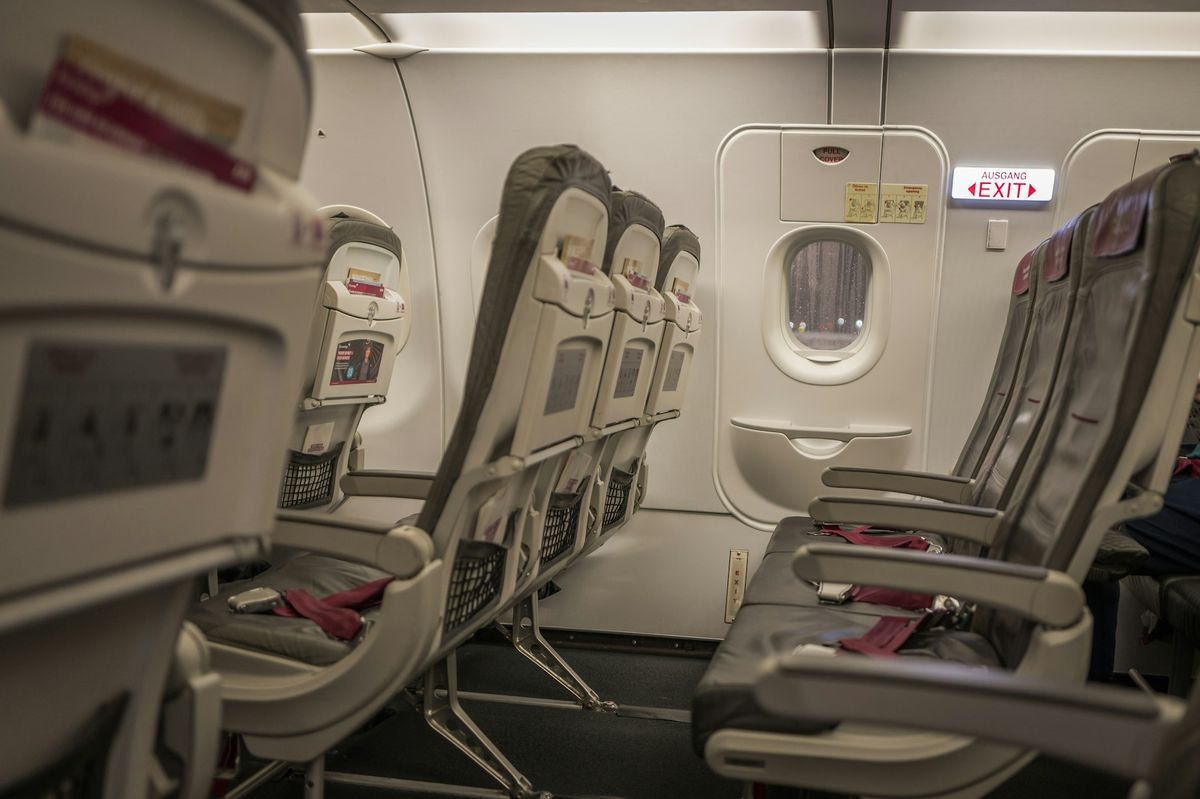
Have you ever had an intrusive thought of opening the airplane door mid-flight? While no sensible person would do this, there’s always someone who tries to open an aircraft door in flight, believing that they can open it. However, it is physically impossible since the cabin is pressurized, and the doors are plug-type doors.
Most aircraft plug-type doors are built slightly larger than their frames, so they fit like a plug, rather than a hinge panel. Cabin pressure pushes outward, so opening it would require overcoming a pressure equivalent to hundreds of kilograms. So, unless you’re a superhuman, don’t even try, or you’ll risk the lives of yourselves and others.
Also read || AI Voice Cloning: How Airlines Are Using It
Why phones must be in airplane mode
While switching your phone off or putting it on airplane mode might be annoying for many people, it is a rule that most airlines adhere to. Though most avionics are heavily shielded, a stray signal from your phone won’t affect a plane. There are chances that your active phone can cause audible interference with radio systems, which affects critical communication.
When at heights, a phone moving at hundreds of miles per hour can briefly ping multiple cell towers at once, which stresses ground network handling. To counter this problem, many airlines now allow Wi-Fi and some Bluetooth features inside an airplane. Still, airplane mode remains the simplest way to disable cellular transmission and keep everyone safe.
Why can't you bring liquids over 100 ml
You may feel it is some capitalistic agenda to disallow and dump water bottles at security and limit liquids to one hundred milliliters. However, the rule has a history and a fairly recent origin. In 2006, the United Kingdom authorities disrupted a terrorist plot in which attackers planned to smuggle liquid explosive components, disguised as soft drinks.
With strict volume limits by regulators, it is far easier for existing scanners to tell benign liquids apart from potentially explosive components. While the newer scanning technology may eventually relax the rule, the limit is still 100ml at most international hubs today. So, what looks like a meaningless rule is a shield of protection.
Why do some airliners carry a crash axe
Now, this is the strangest rule which is mandatory for most large commercial aircrafts. They have to carry a crash axe stored in or near the cockpit. With this axe, the crew can cut through interior panels and insulation to reach hidden fires behind walls or in ceiling spaces, which are otherwise unreachable. So, keeping the planes safe from fire hazards.
Besides, it also serves as an ultimate weapon for clearing jammed doors or creating an alternate escape path if structural damage or a crash blocks the normal exits. It’s more of a practical firefight and escaping device rather than a dramatic fuselage-breaching tool. The idea behind all these rules is to make your travel safer.
Also read || How the Beechcraft Bonanza Got the Nickname “Doctor Killer”
The Real Reason Aviation Rules Feel Strange
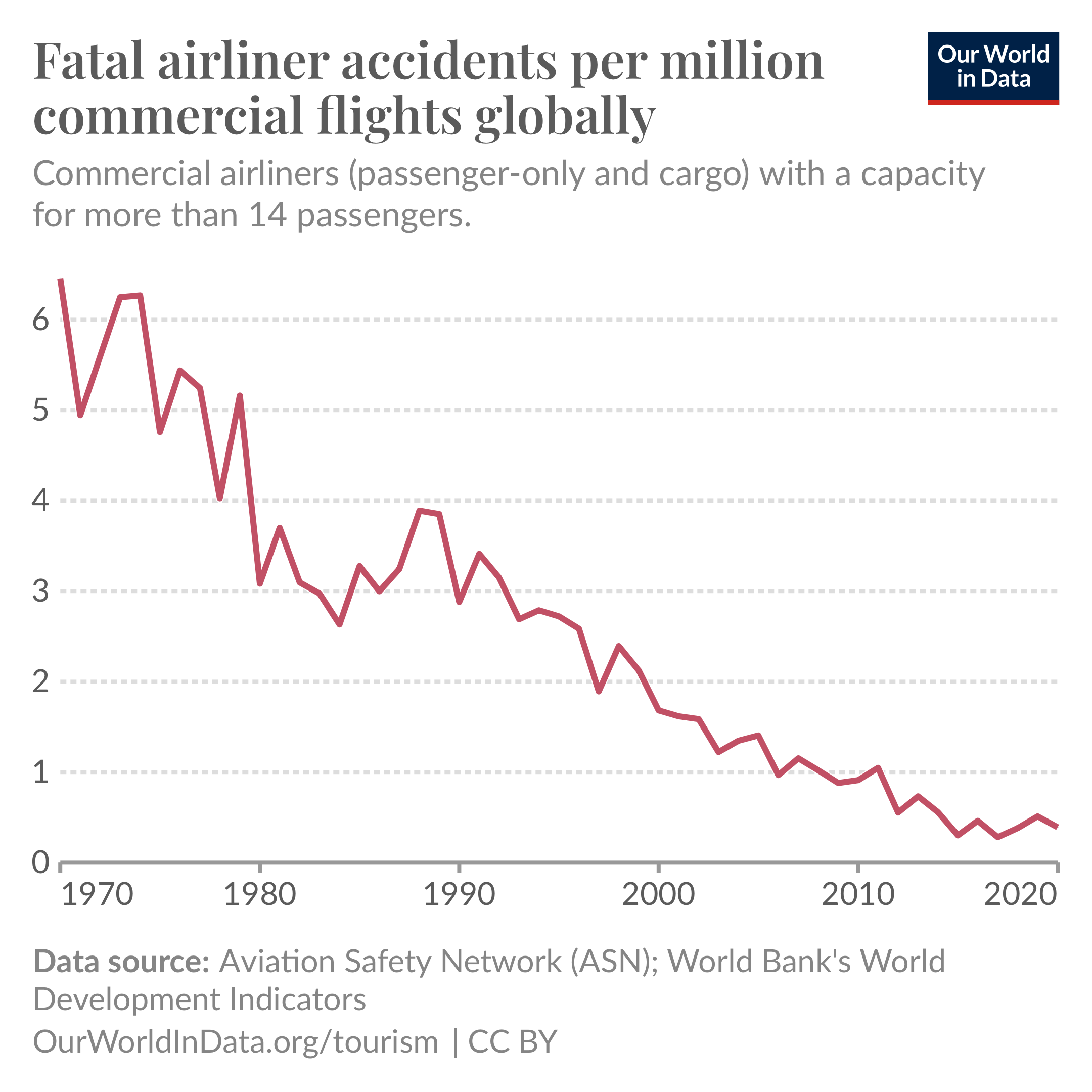
While not every aviation rule traces back to a mishap or a fatal accident, some come from simulations, engineering studies, or incidents that were harmless. The purpose of these rules were ensuring safety, so as the industry evolved, different airlines adopted habits, which became standard procedures and are still followed. However, a large share of today’s cockpit and cabin practicies are shaped by real investigations.
They feel strange because they are created to avoid emergencies, and fortunately, the flight accidents have decreased in the 21st century as compared to the 20th century. Most of these cockpit and cabin practices are shaped by real investigations into fires, decompressions, runway overruns, and near collisions that killed people before anyone understood why.