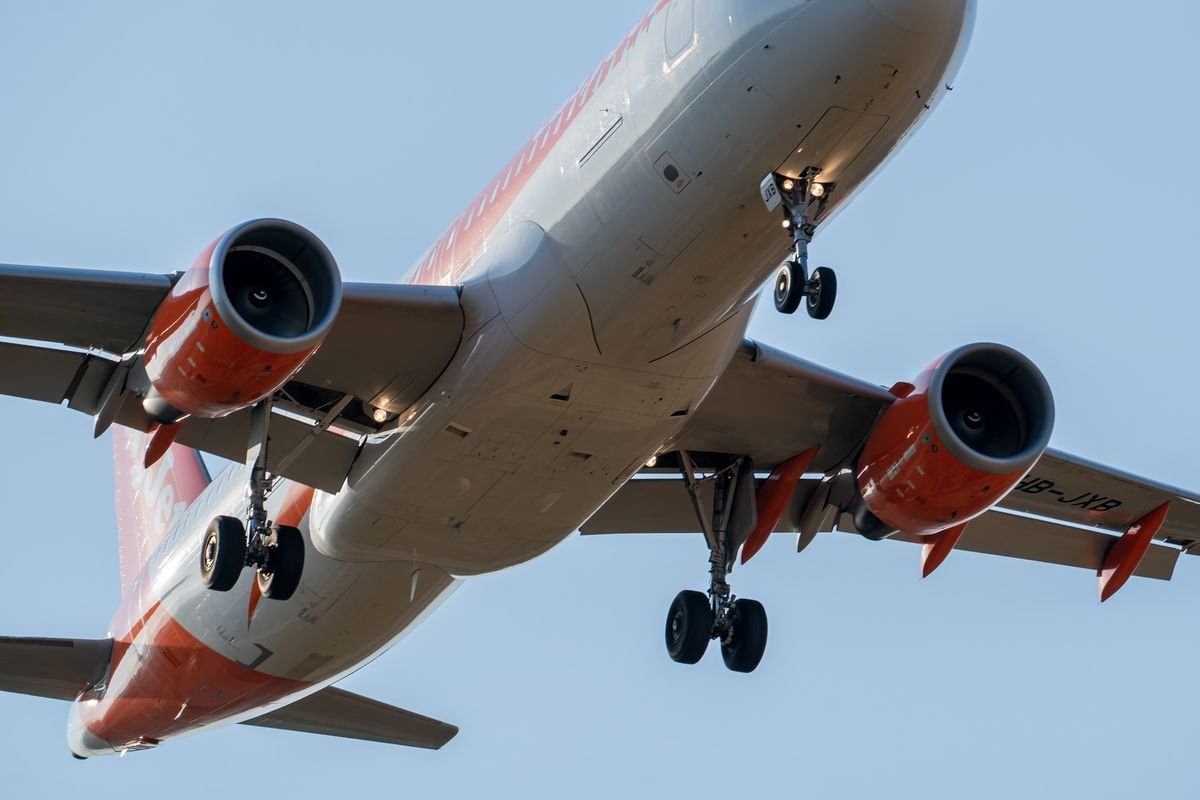
The world of flying is changing quicker than we expected. Artificial Intelligence is in the picture, and planes that break the sound barrier could soon return to the skies, and whatnot. With AI, airports can guess your delays before you even see them on board. Moreover, your next short flight to a nearby city might not use a runway at all.
If you have been observing, the aviation industry is going through one of the biggest shifts in decades. Whether it is airlines, airports, or aircraft makers, everyone is in a race to minimize emissions, adopt the latest tech, and make flying sustainable. Check out these seven emerging trends that are rewriting the rules of flying.
Also read || The World's Most Carbon-Efficient Airlines Right Now
Cleaner Fuel Is Finally Taking Off
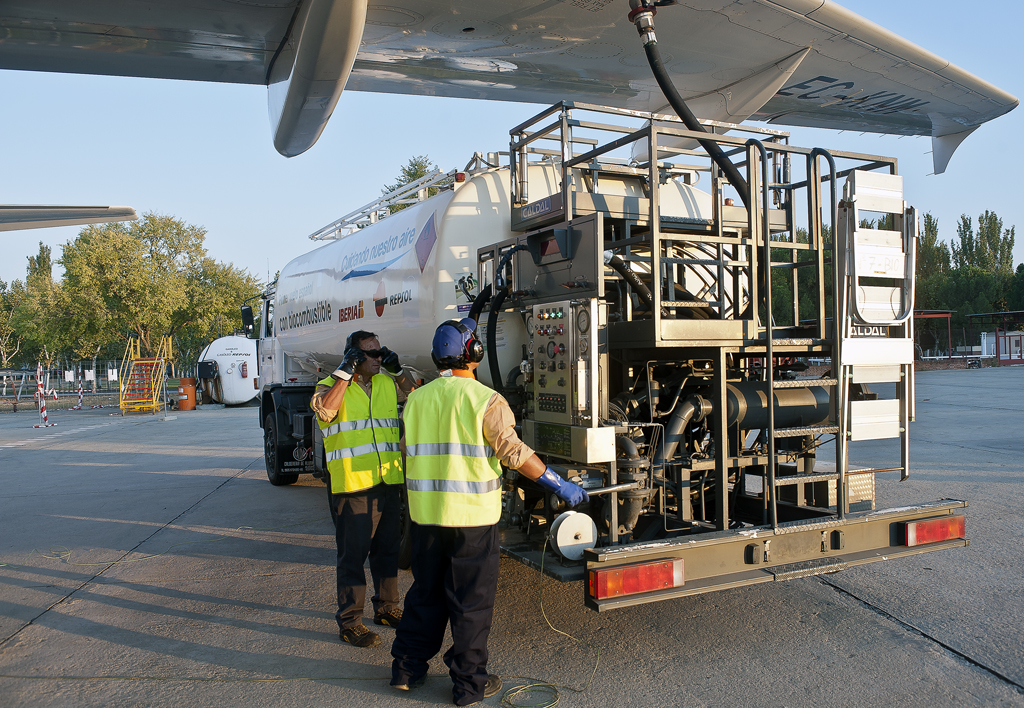
Every time someone talks about "green flying", people get suspicious, as it sounds too good to be true. However, things are going to change with Sustainable Aviation Fuel, or SAF. It's a cleaner alternative made from materials such as used cooking oil, plant waste, and other renewable sources, rather than from crude oil.
The production of SAF nearly doubled between 2023 and 2024, reaching 1 million tonnes in 2024, up from 0.5 million tonnes in the preceding year. The aviation giants are locking in long-term supply deals, and even tech companies like Microsoft are helping cover the extra cost of buying it.
In Europe, several airports are required to blend a certain amount of SAF into regular jet fuel, signaling the adoption of green fuels. Pragmatically, it's hard to replace fossil fuel with SAF because of the price difference. As of mid 2026, SAF in Northwest Europe is trading at around $2,750-$2,830 per tonne, while jet fuel is at $1,400 per tonne.
Supersonic Flights May Return to the Skies

Imagine being so loud that you get banned in the United States; we are not talking about a person but supersonic flights. For over five decades, planes flying faster than the speed of sound were banned over land in the United States because of their loud sonic boom.
2026 is different, though, as the US Department of Transportation proposed a new rule, allowing supersonic planes to fly over land again, provided they meet strict noise limits. How would the noise limits be decided? To be eligible for flying, aircrafts would need to pass a noise test, which is part of the standard certification process.
Several companies, such as Boom Supersonic, are already building for this future. They completed construction of their aircraft factory in 2024, hoping to restore high-speed passenger travel. To make it even, global aviation regulators are agreeing on a shared noise standard for supersonic jets, which means we might see long-haul supersonic flights in the next few years.
Flying Taxis Are Becoming Real
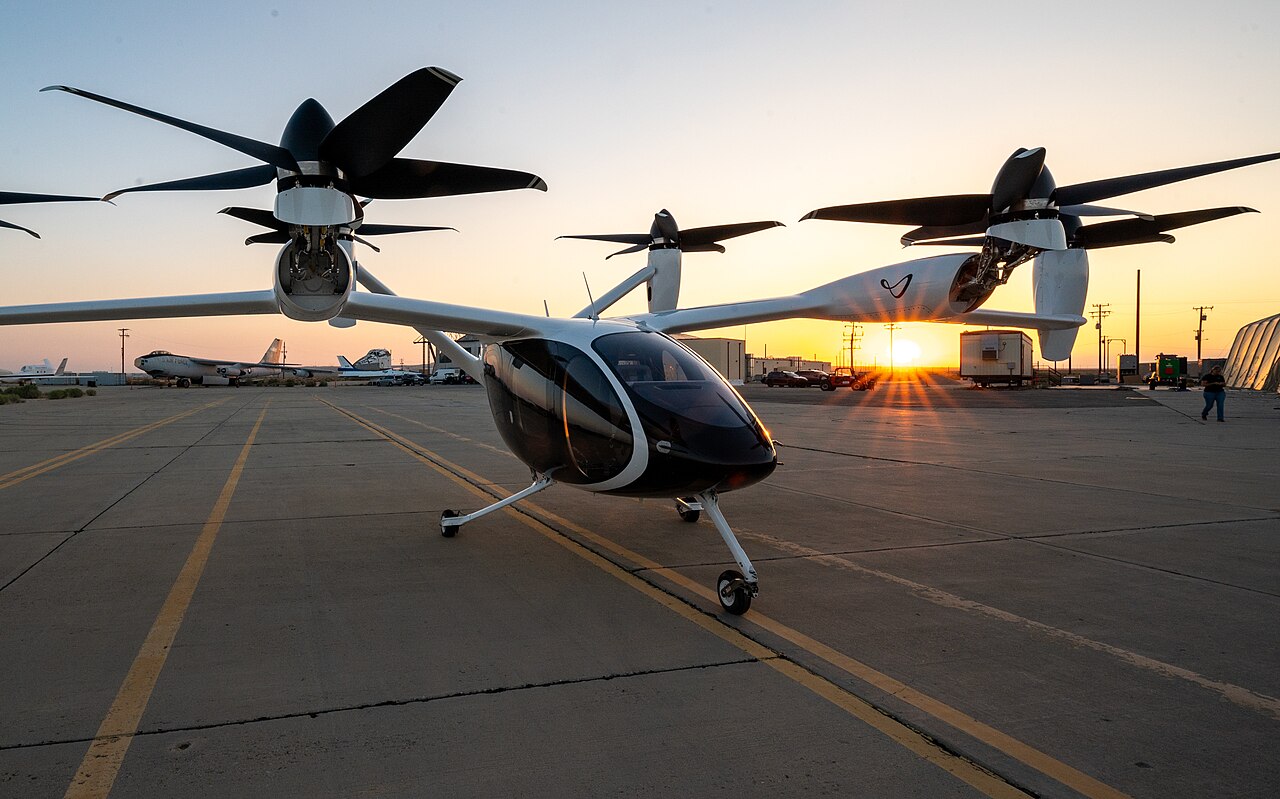
Can you think of skipping the traffic entirely and flying to your place instead of driving? Well, the idea may seem like a fantasy, but it's becoming a reality. eVTOLs (electric Vertical Take-Off and Landing) run on electric power but can take off and land vertically like a helicopter.
The eVTOL market is growing rapidly and is projected to reach $28.6 billion by 2030, up from only $1.35 billion in 2023. It has a compound annual growth rate (CAGR) of around 55%, and the market has immense growth potential. Some forecasts even predict the market size to reach around $30 billion.
Joby Aviation and Archer Aviation are among the leading companies working in this realm. While they have not yet launched commercial flights, the debut could happen at any time of the year. What's making these taxis cooler is the new battery technology, which improves flight duration, making it suitable for cargo delivery, military operations, and even emergency medical response.
Also read || 10 Strange Aviation Rules That Quietly Keep You Alive
Airlines Are Letting AI Make the Calls
AI is no longer a trending keyword but is well integrated into the aviation industry. Whether in airline or airport operations, artificial intelligence is making things easier for people. It can predict security line congestion a full 20 minutes before it happens. So, when a flight gets delayed, gates are reassigned automatically.
It also schedules ground support equipment without any human stepping in. The amount of data airlines generate is massive, so AI helps them cut operating costs by 10 to 15 percent while improving on-time performance. Moreover, the best use of AI is predictive maintenance, which ensures a smoother experience for travelers.
AI models use data from thousands of aircraft parts and can spot anomalies and early warning signs weeks before they are manually detected. Thus, reducing maintenance issues by up upto 35 percent. To understand a viewpoint, remember that a single Boeing 787 flight generates around 500 gigabytes of data that are used in aircraft operations.
Your Face Is Becoming Your Boarding Pass
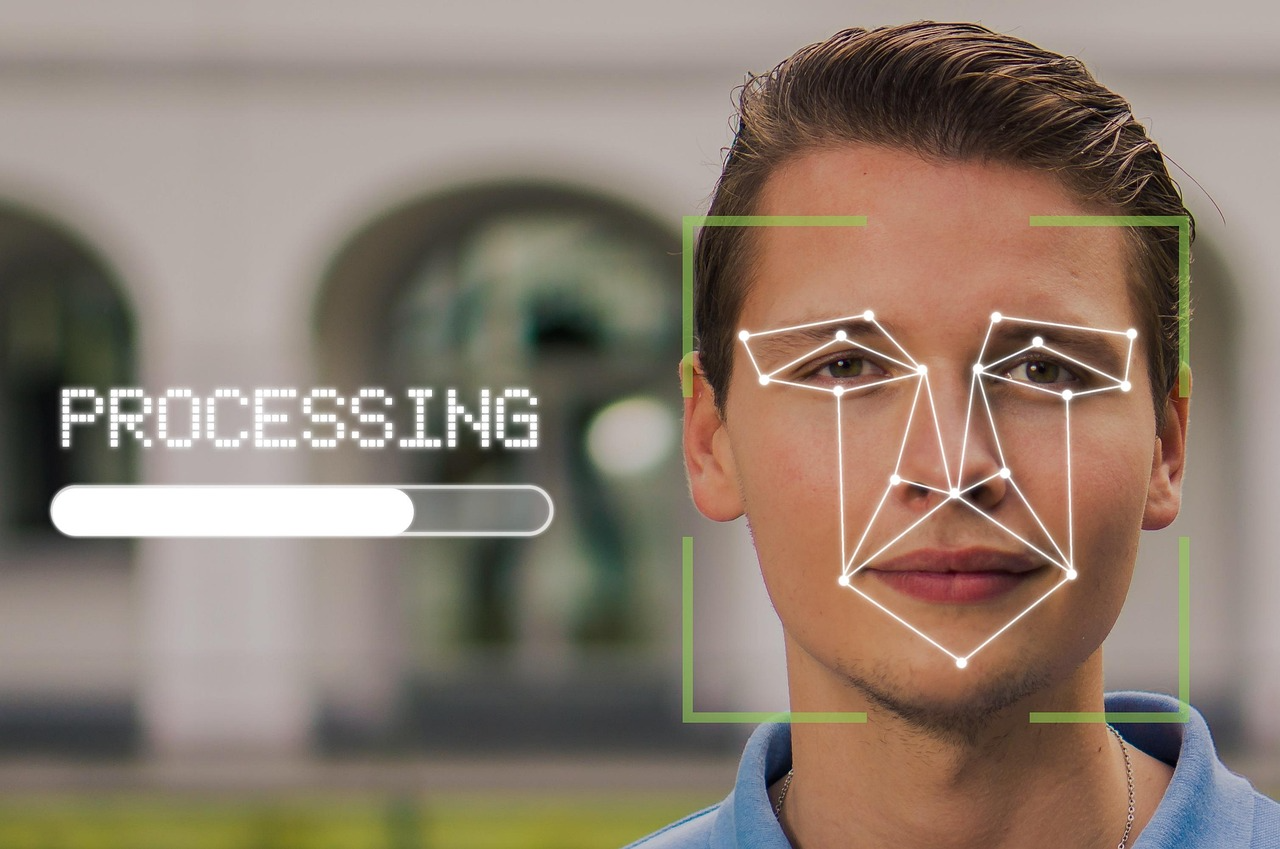
You don't have to carry your physical boarding pass and wait in long queues for check-in and security. It's 2026, and your biometric identity is your travel identity. Most global airports are planning to roll out full biometric identity systems in the next few years. So you can travel using just your face or iris instead of a boarding pass.
The idea behind this initiative is to make your journey effortless. When your face is confirmed at the check-in, bag drop, security, the lounge, and finally at the gate, why would you need a paper to prove you are traveling? International Digital Aviation authorities are developing Digital Travel Credentials so you can prove your identity without carrying a physical passport.
Similarly, the Digital ID Program has already expanded to over 250 airports in the United States. Whether it is Changi, Heathrow, or Atlanta, many have adopted these methods. The primary benefit of these systems is reduced processing and wait times at the airport. So, some tasks that take 8 minutes can now be done in 1 or 2 minutes.
Also read || The Flying Banana: The Helicopter That Changed Military Aviation
Airports Are Building Digital Copies of Themselves
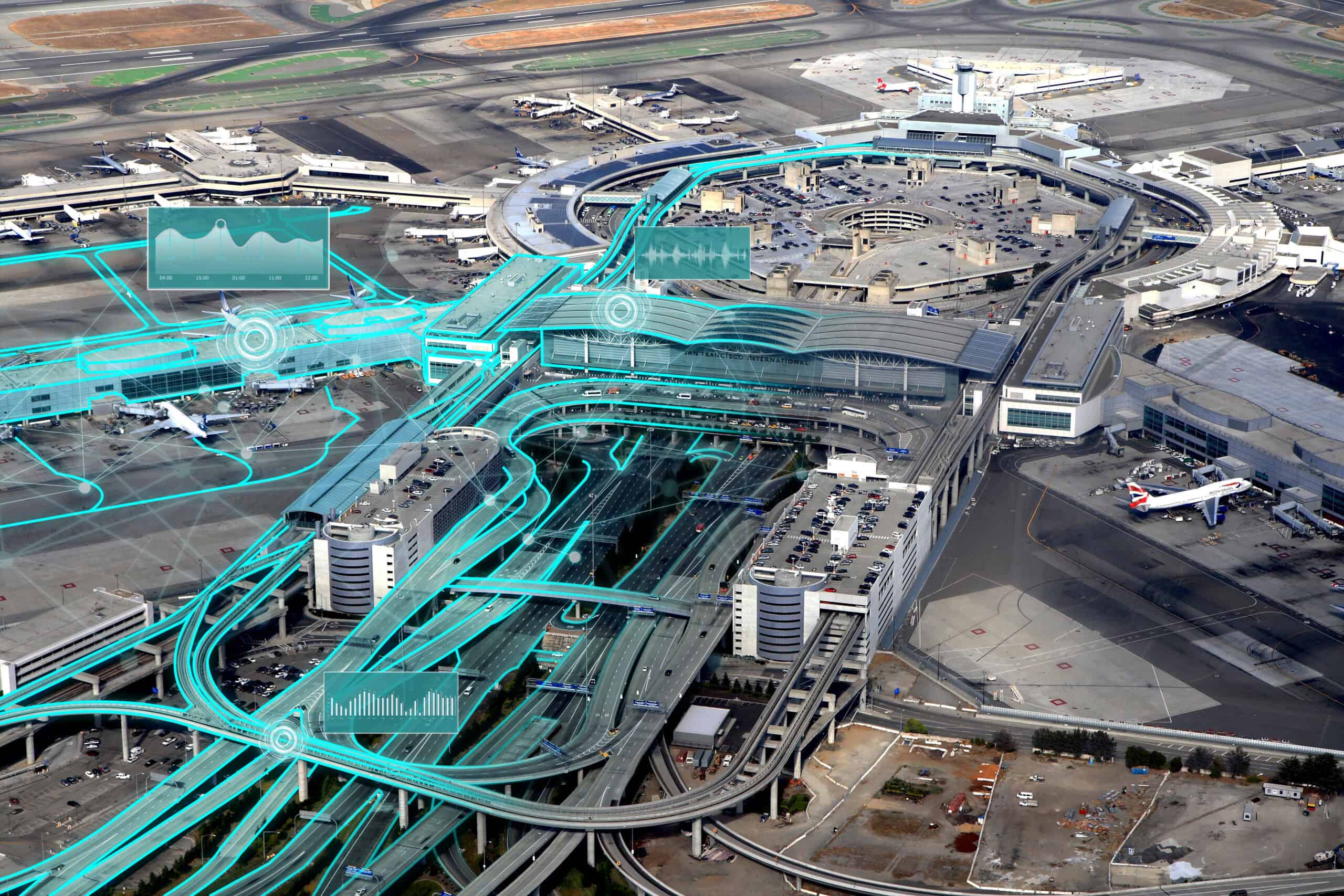
The tech is evolving to a level where you don't have to be at the airport to have an airport experience. There are virtual, living replicas of an airport, one that updates in real-time using data from thousands of sensors. We call it a digital twin, and many airports are increasingly using them to plan, test, and manage operations without disrupting real-world travel.
With these digital replicas, airports can simulate emergencies, predict crowd movement, and even adjust energy use based on the number of passengers in a specific area. Besides, these digital twins help simulate equipment failures and repairs based on real damage, rather than relying on a maintenance schedule.
They are environmentally friendly because, when digital copies are integrated with building automation and energy systems, they optimize energy use. They fine-tune lighting and air conditioning in real time, reducing energy waste and the airport's carbon footprint. For instance, Skywise by Airbus is a similar system that speeds up everything from aircraft design to in-service maintenance.
Hydrogen and Electric Planes Are Gaining Ground

Conventional jet fuel is not sustainable in the long run, and the industry is developing alternative ways to power airliners. With over 1,500 large-scale clean hydrogen projects globally, major investments are happening across North America, China, and Europe. In the 2024 Hydrogen Council report, there are 1,572 clean hydrogen projects underway across 70 countries, up from 228 in 2020.
Apart from Hydrogen, battery-electric and hybrid-electric aircrafts are also in the picture, especially due to the growth of eVTOLs and next-generation technologies. The hydrogen aircraft market is expected to grow from $2.16 billion in 2025 to $2.64 billion in 2026, which is a pretty decent growth. Moreover, it is estimated that by 2033, the market may reach $19 billion. The expected CAGR for the hydrogen aircraft market is 22.22 percent.
When it comes to electric planes, the biggest limitation is insufficient support for longer routes. To improve that, they are working to shift from a concept to real-world testing. Currently, airports are preparing for this new fuel landscape by investing in electric ground vehicles, hydrogen refueling stations, and charging infrastructure.
Also read || Why Do Airplanes Use Nautical Miles?
What This Means for the Future of Flying
If we consider all these trends, none of them are happening in isolation; they are deeply intertwined. For instance, a good hydrogen and electric infrastructure ensures cleaner fuels. The integration of artificial intelligence will support digital replicas and biometrics and enhance predictive AI operations. AI-powered traffic management would ensure the safety of eVTOLs. So, that's how everything connects at some point.
The long-term target of the aviation industry is net-zero carbon emissions by 2050, with an interim target of reducing jet fuel carbon intensity by 5 percent by 2030. To do so, governments, airlines and manufacturers will have to work cross-functionally for the next few years. But the results would be worth it for a faster, smarter and considerably greener future.