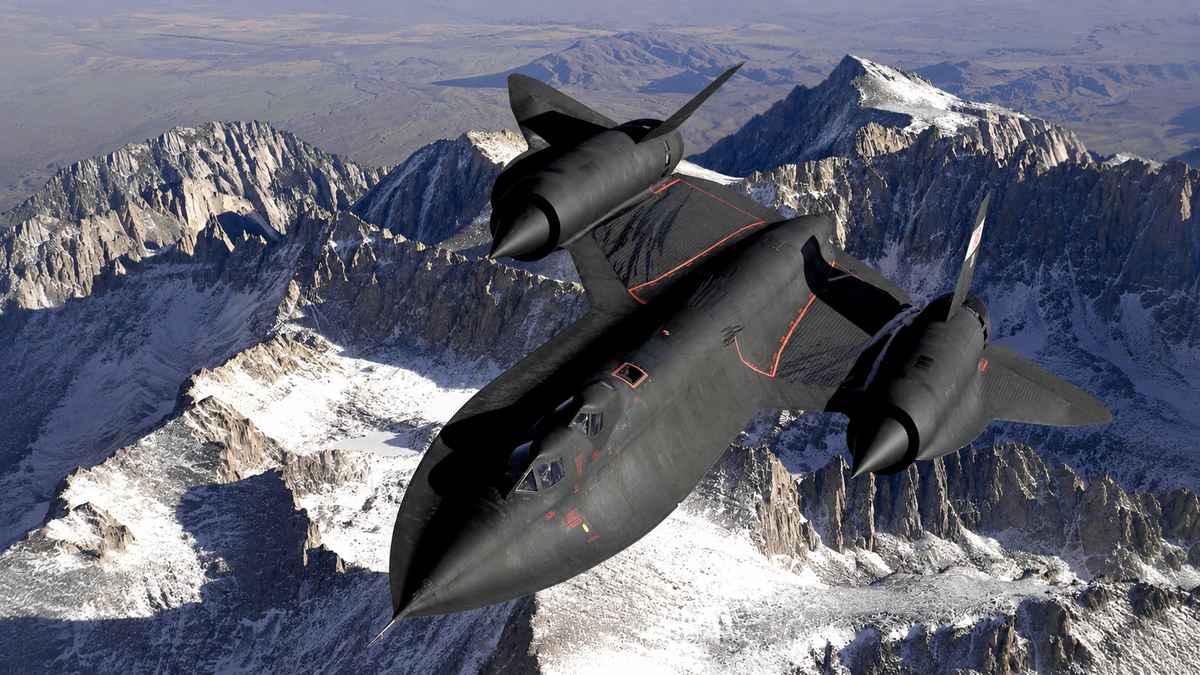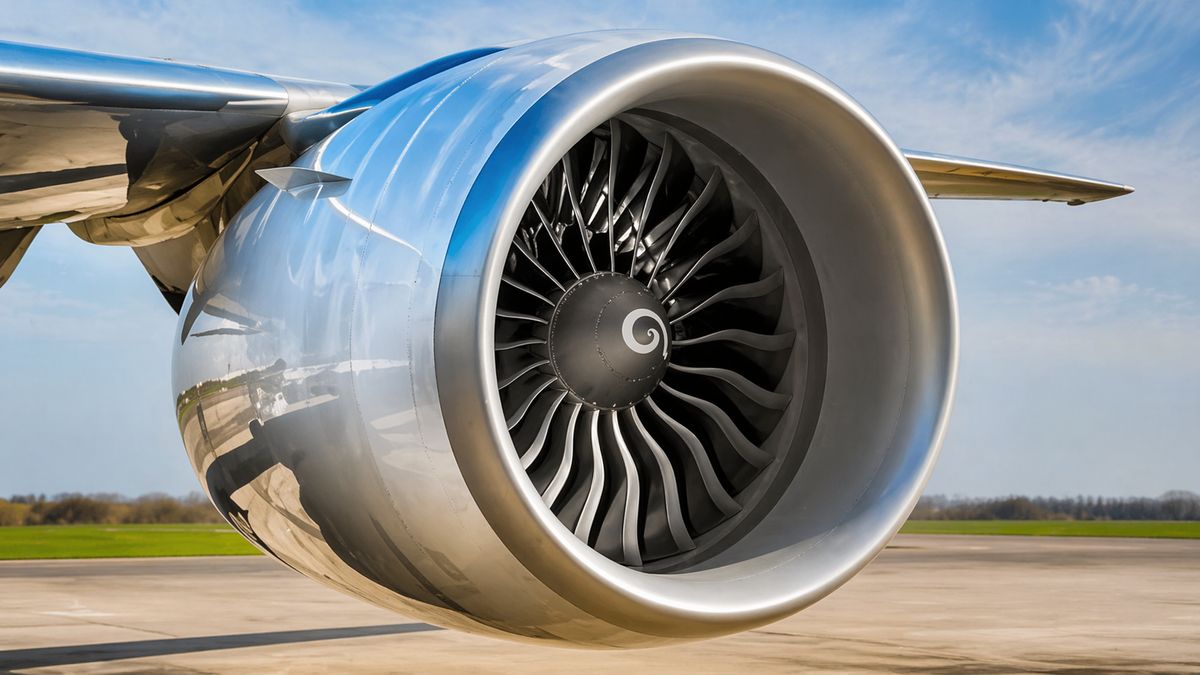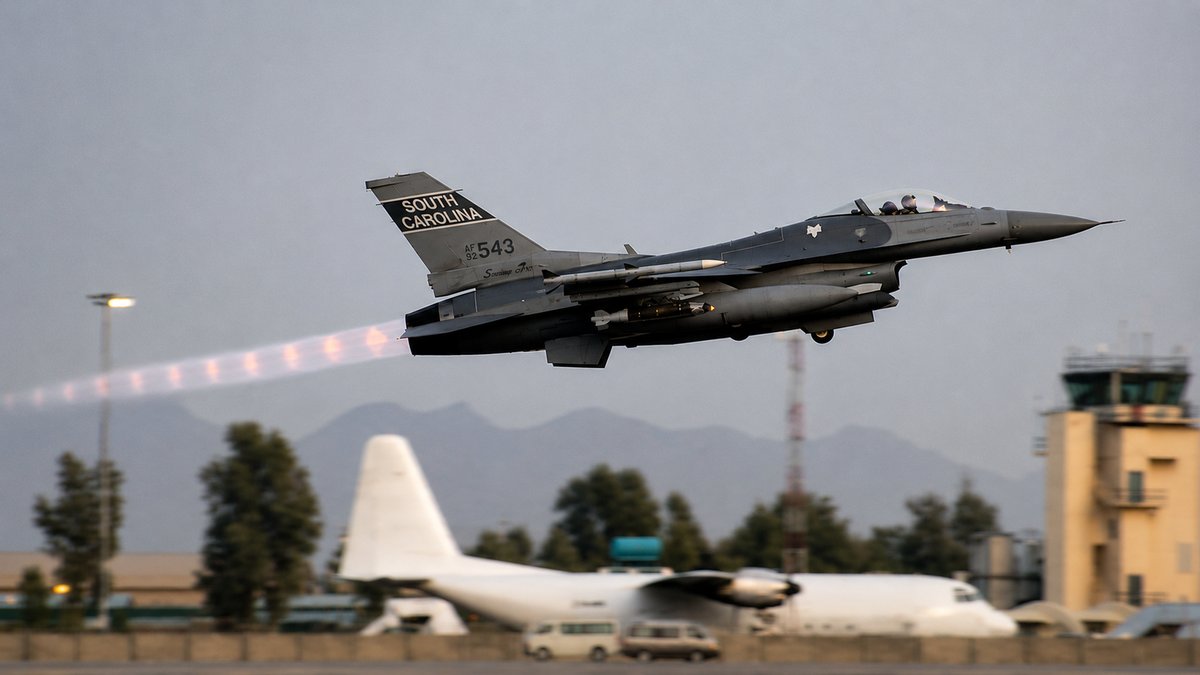
If you've ever watched a fighter jet take off with its afterburner blazing, you may have noticed a strange and beautiful pattern behind the engine. The exhaust sometimes appears to form a series of bright, repeating diamond-shaped sections. These are known as shock diamonds, Mach diamonds, or Mach disks.
They may look like flames or glowing objects floating inside the exhaust, but they are actually the visible result of high-speed airflow, pressure changes, shock waves, and extreme temperatures. Shock diamonds are not unique to fighter jets.
They can also appear behind rockets, missiles, and other engines that produce supersonic exhaust. The important point is that the exhaust gases must be moving faster than the speed of sound. The aircraft itself does not necessarily need to be traveling at supersonic speed. So, what exactly creates these unusual diamonds, and why do they glow?
What Are Shock Diamonds?
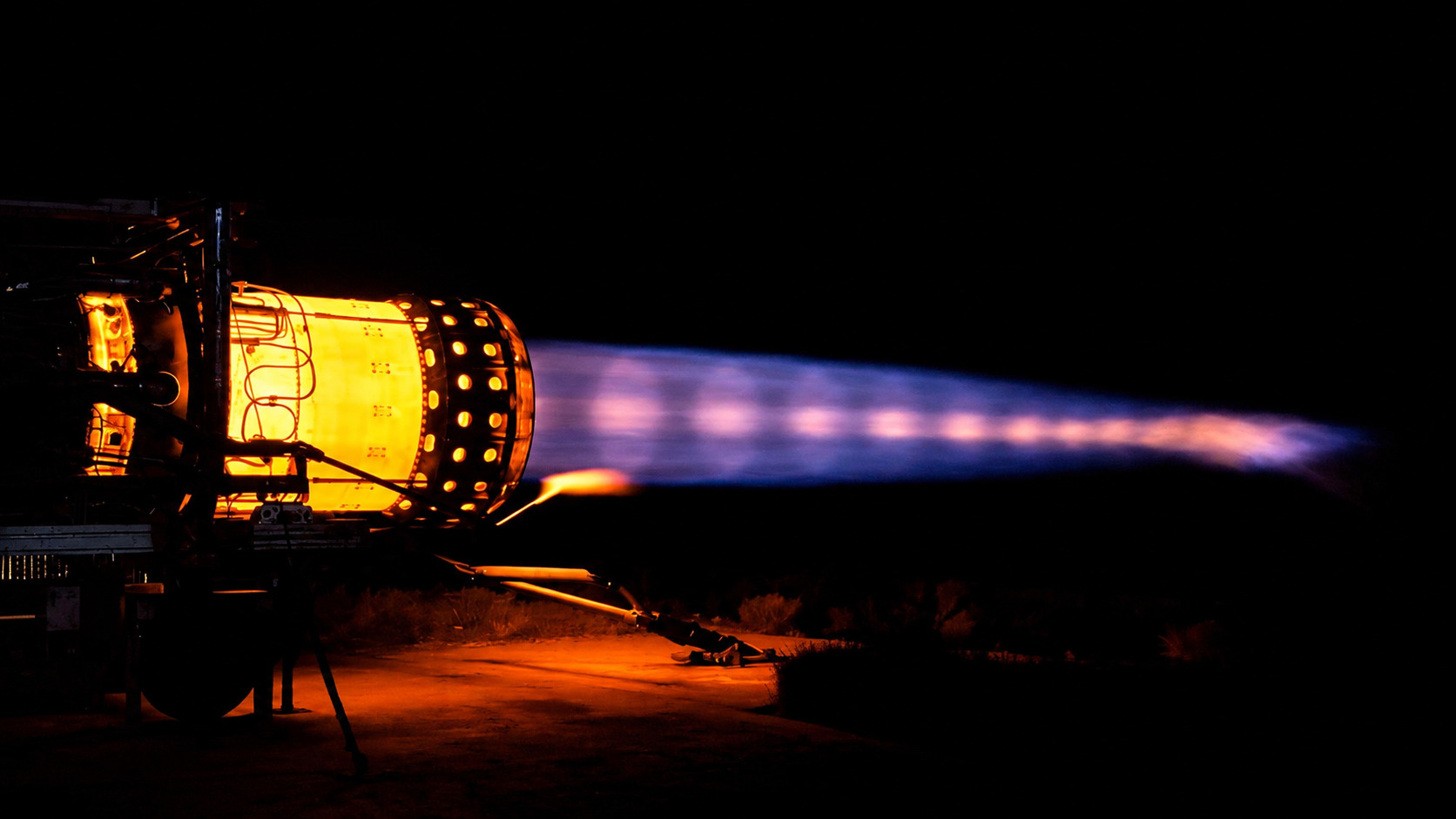
Shock diamonds are repeating patterns of bright and dark areas that can appear in the exhaust of a jet, rocket, or missile engine. They form when supersonic exhaust gases leave the engine at a pressure that is different from the pressure of the surrounding atmosphere. When the hot exhaust leaves the nozzle, it does not always have exactly the same pressure as the air outside.
If the pressure is different, the exhaust begins to expand or contract as it tries to reach the same pressure as the surrounding atmosphere. Because the exhaust is moving faster than sound, these pressure changes happen through a series of powerful shock waves and expansion waves.
The result is a repeating pattern along the exhaust plume. From the outside, these repeating regions can look like a chain of diamonds. The pattern is especially easy to see when an afterburner is operating because the exhaust is extremely hot and contains glowing gases and burning fuel.
Also Read: The First Jet Fighter: How the Me 262 Changed Military Aviation
The Exhaust Does Not Have to Come From a Supersonic Aircraft
One common misunderstanding is that a jet must be flying faster than sound to produce shock diamonds. That's not necessarily true. The important factor is the speed of the exhaust gases, not the speed of the aircraft. A fighter jet can be moving at subsonic speed while its engine produces supersonic exhaust.
If the exhaust leaving the nozzle is moving faster than sound and has the right pressure conditions, shock diamonds can form. This is why similar patterns can also be seen behind rockets and missiles. The engine creates a very high-speed stream of gas. When that stream leaves the nozzle and interacts with the surrounding atmosphere, pressure differences create the shock-wave pattern.
Why Does the Exhaust Become Supersonic?
A jet engine produces hot, high-pressure gases by burning fuel and compressing air. Inside the engine, air is compressed and mixed with fuel. The fuel burns, producing extremely hot gases. These gases expand through the engine and eventually reach the exhaust nozzle. The nozzle is designed to convert some of the pressure and thermal energy of the gases into high-speed motion.
In a properly designed supersonic exhaust nozzle, the gases can accelerate to speeds greater than the speed of sound. Once the gases leave the nozzle, they continue moving rapidly into the atmosphere. However, the pressure of the exhaust may not be the same as the pressure outside the engine. This pressure difference is what starts the process that creates shock diamonds.
The Role of Pressure
The easiest way to understand shock diamonds is to think about pressure. Imagine that the exhaust leaving the engine has a different pressure from the air around it. The exhaust naturally tries to adjust to the surrounding pressure. But because the exhaust is moving at supersonic speed, it cannot make this adjustment smoothly.
Instead, the adjustment happens through compression waves and expansion waves. The exhaust may first expand, then compress, then expand again, and so on. This creates a repeating pattern of pressure changes along the exhaust plume.
The areas where the pressure changes rapidly are associated with shock waves. Between these shock waves are regions where the exhaust expands. Together, they create the repeating structure that we see as shock diamonds.
Overexpanded and Underexpanded Exhaust
The exact appearance of shock diamonds depends heavily on the pressure of the exhaust compared with the pressure of the surrounding atmosphere. There are two important situations: overexpanded and underexpanded exhaust.
Overexpanded Exhaust
Near sea level, the atmosphere has relatively high pressure. If the pressure of the exhaust leaving the nozzle is lower than the surrounding atmospheric pressure, the exhaust is described as overexpanded.
The surrounding air pushes against the exhaust plume and squeezes it inward. The exhaust then expands again. This process repeats, creating a series of compression and expansion regions. These regions produce the familiar diamond pattern.
Underexpanded Exhaust
At high altitudes, the surrounding atmospheric pressure becomes much lower. In this situation, the exhaust may leave the nozzle at a pressure higher than the surrounding atmosphere. The exhaust then continues expanding after it leaves the nozzle. This is called underexpanded exhaust. The gases expand outward until their pressure becomes closer to the surrounding atmospheric pressure.
Again, because the flow is supersonic, the pressure adjustment happens through a series of expansion and compression waves. This can also create shock diamonds. So, whether the exhaust is overexpanded or underexpanded, the basic goal is the same: the exhaust is trying to reach pressure balance with the surrounding air.
Why Do the Diamonds Have a Repeating Pattern?
The diamond pattern comes from the way supersonic gases respond to pressure changes. When subsonic air encounters a pressure difference, information about that pressure change can travel through the flow. The air can gradually adjust to its surroundings. Supersonic air behaves differently.
Because the flow is faster than sound, pressure disturbances cannot travel upstream through the flow in the same way. Instead, the pressure adjustment takes place through distinct waves. The exhaust can suddenly compress at a shock wave and then expand again afterward.
The process repeats several times. If you could look at the pressure and temperature inside the exhaust plume, you would see a series of alternating regions. Some areas would have higher pressure and temperature, while others would have lower pressure and temperature. These repeating regions form the structure of the shock diamonds.
Why Are Shock Diamonds Bright?
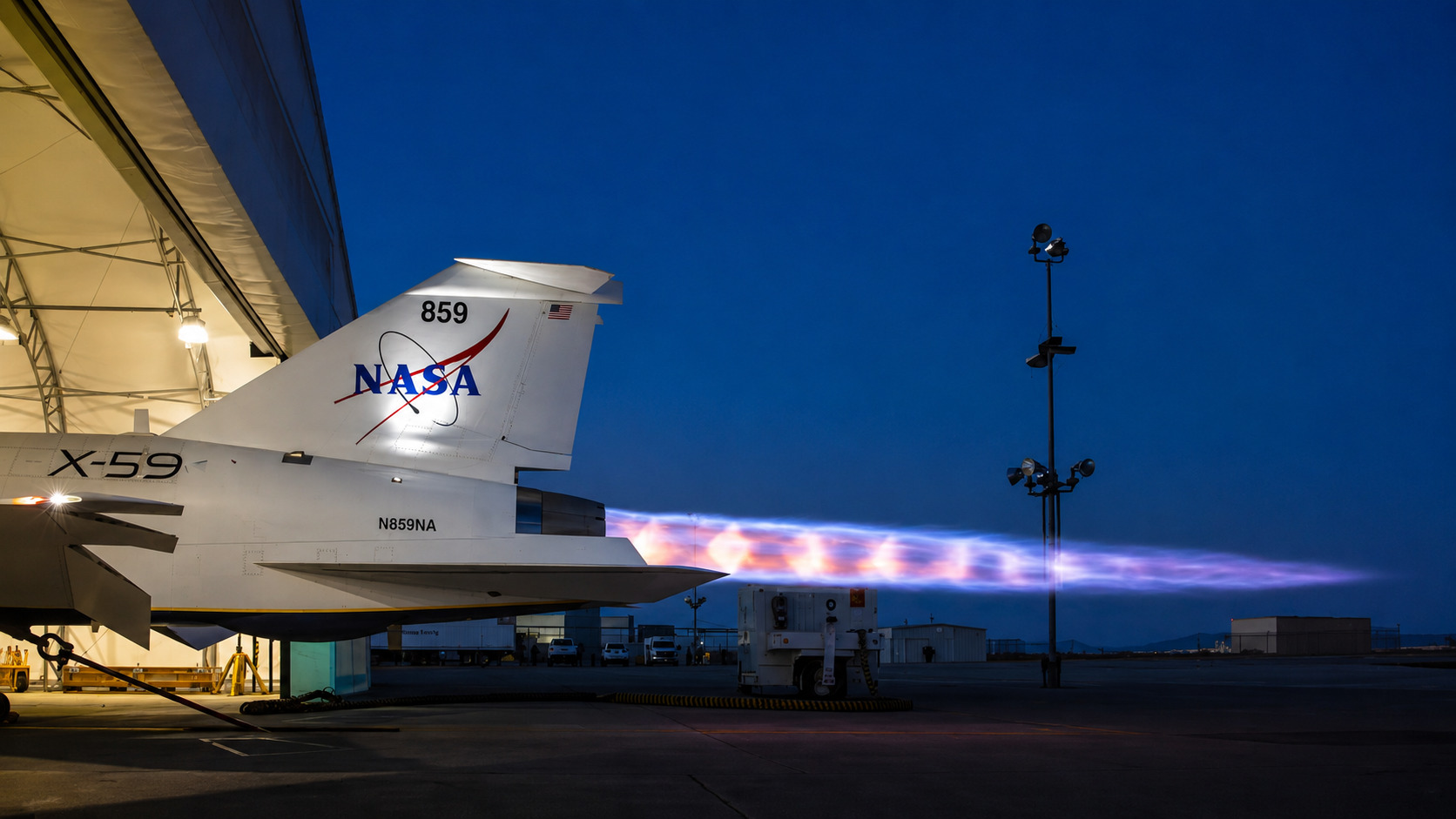
The pressure waves explain why the diamonds form, but they do not completely explain why the diamonds glow. For that, we need to look at temperature and combustion. Jet-engine exhaust is extremely hot, especially when an afterburner is operating. When fuel burns, it releases a large amount of energy and creates very hot gases.
Some of the light we see from an afterburning exhaust comes from the hot combustion gases themselves. However, the shock waves also play an important role. When the supersonic exhaust passes through a shock wave, its properties change rapidly. The gas is compressed, and its temperature increases.
This is particularly important when there is still some unburned fuel or combustible material in the exhaust. The sudden increase in temperature can cause this remaining fuel to burn. That additional combustion can make certain parts of the exhaust much brighter than others. The result is a series of bright regions separated by darker regions. Those bright regions help reveal the diamond-shaped shock structure.
What Is a Normal Shock?
One of the important features involved in this process is called a normal shock. A normal shock is a shock wave that forms roughly perpendicular to the direction of airflow. When supersonic gas passes through a normal shock, several things happen very quickly. The gas slows down, its pressure increases, and its temperature rises.
The sudden temperature increase can be significant. If unburned fuel is still present in the exhaust, this temperature increase can help ignite it. The result is a brighter region within the exhaust. This is one reason the shock structures can appear to glow so strongly when an afterburner is operating.
How Afterburners Make the Effect More Dramatic
A normal jet engine already produces extremely hot exhaust, but an afterburner makes the effect much more obvious. An afterburner is essentially an additional combustion system installed in the exhaust section of a jet engine. Normally, much of the fuel has already burned inside the main engine.
However, the exhaust leaving the turbine still contains a large amount of oxygen and is still very hot. An afterburner takes advantage of this. When the afterburner is activated, additional fuel is sprayed into the hot exhaust stream. Because the exhaust is already at a very high temperature, the additional fuel can burn. This produces a much hotter and faster exhaust plume. The result is a major increase in engine thrust.
Why Fighter Jets Use Afterburners
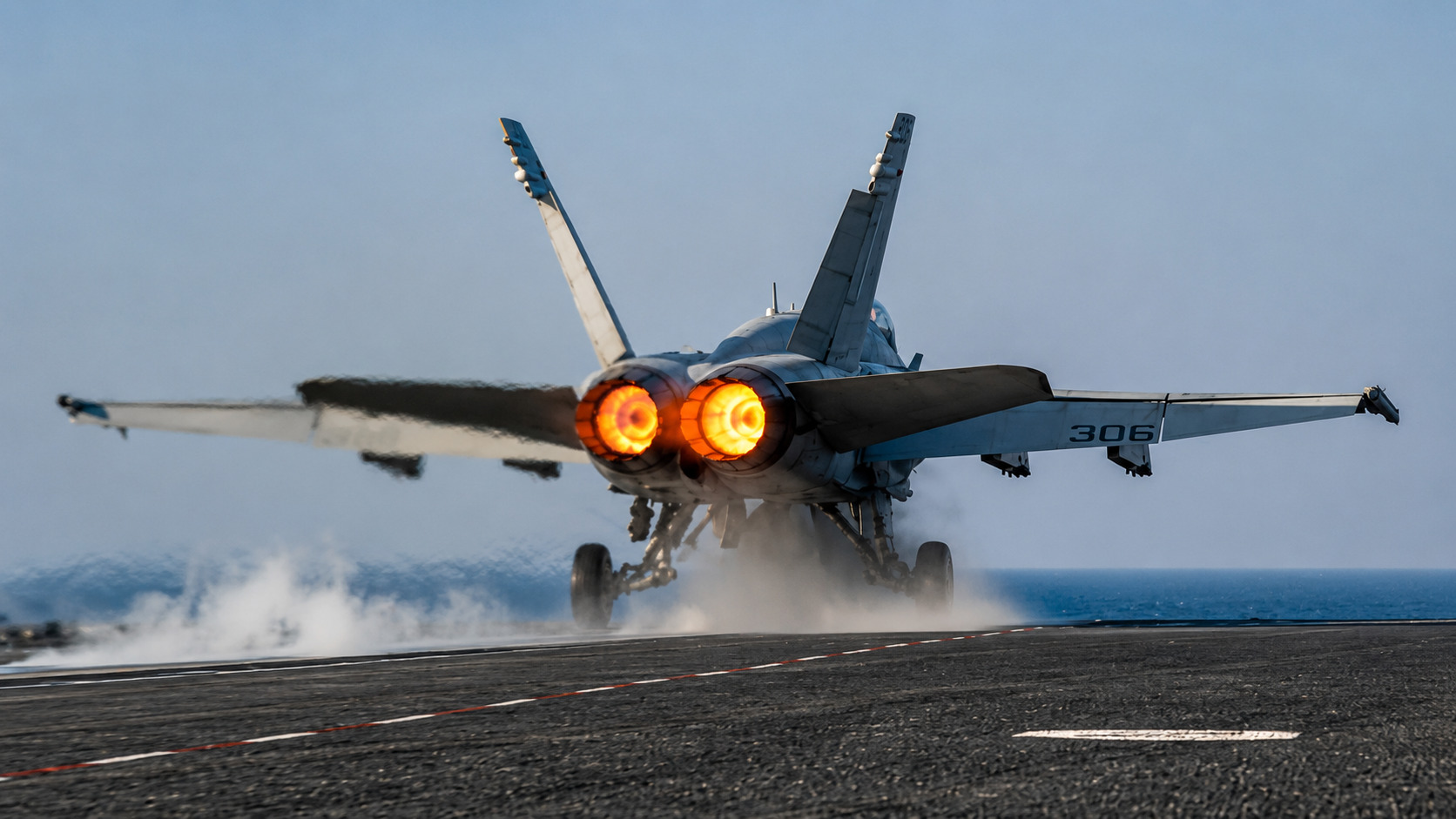
The main purpose of an afterburner is to produce extra thrust. This can be extremely useful during takeoff, rapid acceleration, climbing, and high-speed flight. The trade-off is fuel consumption. Afterburners use a very large amount of fuel because they are essentially adding another stage of combustion to the exhaust. For short periods, however, the extra thrust can be extremely valuable.
For example, the Pratt & Whitney F135 engine used in the F-35 Lightning II produces around 28,000 pounds of dry thrust and around 43,000 pounds of thrust with afterburner. That huge increase in thrust also produces an extremely energetic exhaust plume. The hotter, faster exhaust makes shock diamonds much easier to see.
Why Shock Diamonds Are Easier to See at Low Altitude
If you watch a fighter jet using its afterburner near the ground, the shock diamonds can be very noticeable. One reason is that the atmosphere is relatively dense at low altitude. The exhaust is interacting with air that has relatively high atmospheric pressure. This pressure has a strong influence on the exhaust plume.
As the aircraft climbs, atmospheric pressure decreases. The exhaust then expands differently, and the shock-diamond pattern can change. The diamonds can become larger and more widely spaced, while fewer individual diamonds may be visible. At extremely high altitudes, the surrounding air is much thinner, so the appearance of the exhaust can be very different.
Why the Diamonds Change Shape
Shock diamonds are not fixed structures. Their size and spacing depend on several factors, including exhaust pressure, atmospheric pressure, exhaust temperature, exhaust velocity, nozzle design, engine operating conditions, and aircraft altitude.
When the aircraft changes altitude, the surrounding pressure changes. When the pilot changes engine power, the exhaust conditions also change. As a result, the shock-diamond pattern can change in size, brightness, and spacing. This is why the pattern behind a fighter jet can look different at different speeds and altitudes.
Why Rockets and Missiles Can Also Produce Shock Diamonds
Shock diamonds are not unique to jet engines. Rockets can produce them as well. A rocket engine produces extremely high-pressure, high-temperature gases and accelerates them through a nozzle. When those gases leave the nozzle, they can be moving at supersonic speeds.
If the pressure of the exhaust does not match the surrounding atmosphere, the same compression and expansion process occurs. This can create a repeating shock-wave pattern. Missile engines can produce similar effects for the same reason. The important factor is not whether the vehicle has wings or whether it is a fighter jet. The key is the behavior of the high-speed exhaust.
Also Read: What Ultra-Long-Haul Flights Do to Your Brain
Why Shock Diamonds Sometimes Look Like Rings
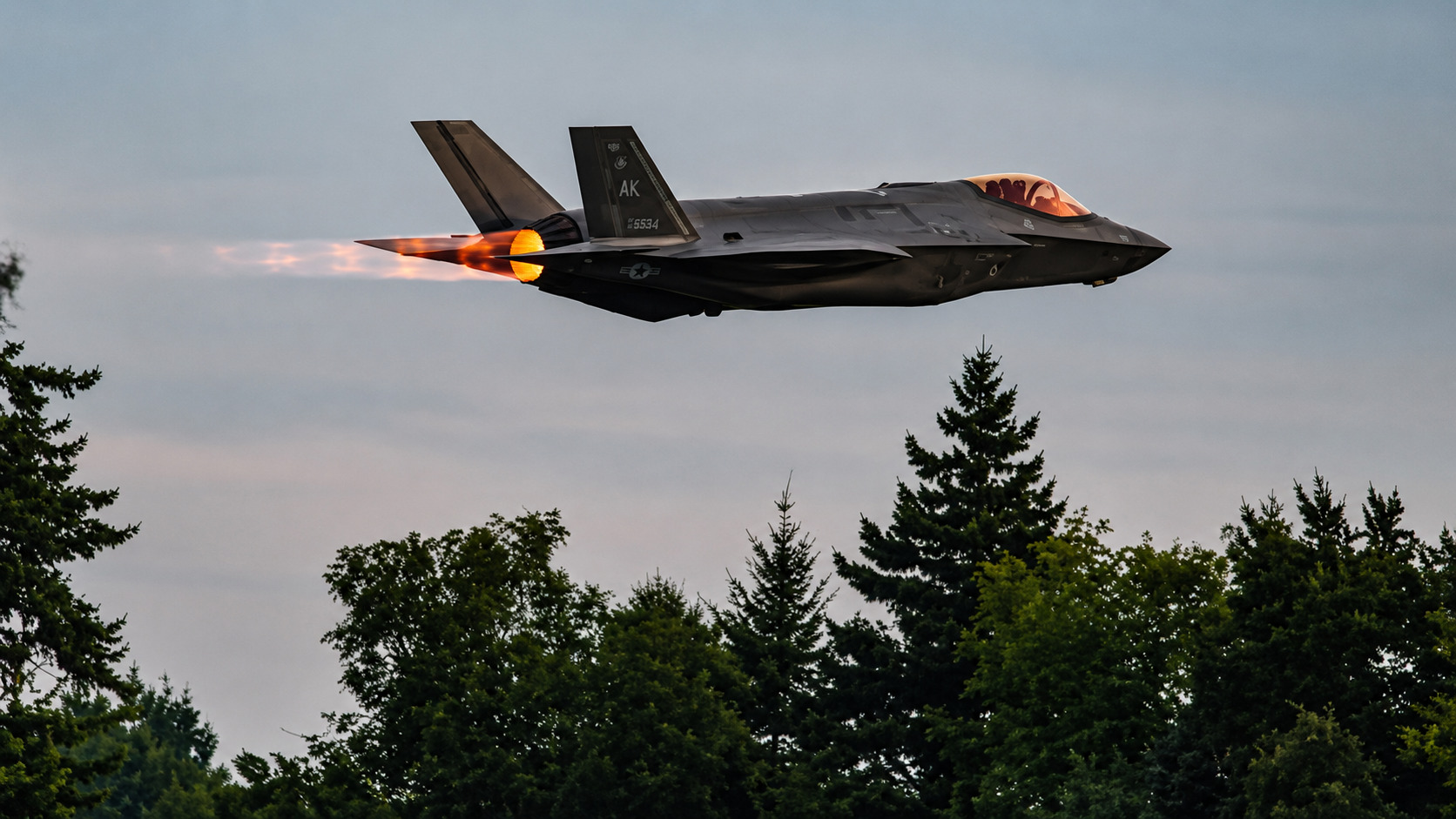
Depending on the viewing angle and the conditions of the exhaust, the shock structures may not always look like perfect diamonds. They can appear as bright rings, bands, or circular structures. This happens because the shock waves exist in three dimensions. From the side, the repeating structures can appear diamond-shaped.
From other angles, they may look more like rings or disks. The term Mach disk is often used for one of the shock structures that forms in a supersonic jet. The shape we see depends on the geometry of the exhaust plume and how we are viewing it.
Are Shock Diamonds Actually Flames?
Not exactly. The bright appearance can make shock diamonds look like a series of individual flames, but the diamonds themselves are not separate flames. They are primarily pressure and flow structures created by shock waves and expansion waves.
The glow comes from the extremely hot exhaust gases and, in an afterburning engine, from combustion that can occur within the exhaust. So the diamond pattern is created by the physics of supersonic flow, while the brightness comes from the hot and sometimes still-burning gases within that flow.
The Simple Explanation
The entire process can be summarized in a few steps. First, the jet engine produces extremely hot, high-pressure exhaust. Second, the exhaust passes through the nozzle and accelerates to supersonic speed. Third, the exhaust leaves the nozzle with a pressure that may not match the surrounding atmosphere.
Fourth, the exhaust begins expanding or contracting to adjust to the outside pressure. Because the flow is supersonic, this adjustment happens through shock waves and expansion waves rather than smoothly.
These waves create alternating high- and low-pressure regions. The repeating regions form the shock-diamond pattern. Finally, the extremely high temperature of the exhaust, combined with additional combustion from the afterburner, makes some of these regions glow brightly.
A Spectacular Display of Supersonic Physics
The glowing diamonds behind a fighter jet may look like something from a science-fiction movie, but they are actually a direct demonstration of basic supersonic aerodynamics. They show what happens when extremely hot gases moving faster than sound interact with the surrounding atmosphere.
The afterburner makes the effect especially dramatic by adding more fuel to an already hot exhaust stream. This creates a hotter, faster plume and increases the amount of energy available in the exhaust. At the same time, differences between exhaust pressure and atmospheric pressure create the repeating shock and expansion waves.
Together, these effects produce one of the most recognizable sights in aviation: the glowing chain of shock diamonds behind a fighter jet. What looks like a simple pattern of bright shapes is actually a complex combination of supersonic flow, pressure changes, shock waves, expansion waves, combustion, and extreme temperatures. In other words, every glowing diamond in a fighter jet's exhaust is a visible snapshot of the physics happening inside and behind the engine.