For decades, the SR-71 Blackbird has been regarded as one of the fastest aircraft ever built. Its incredible speed, extreme operating altitude, and futuristic design have made it one of the most famous aircraft in aviation history. Ask almost any military aviation enthusiast or veteran to name the fastest jet they know, and there is a good chance they will mention the SR-71.
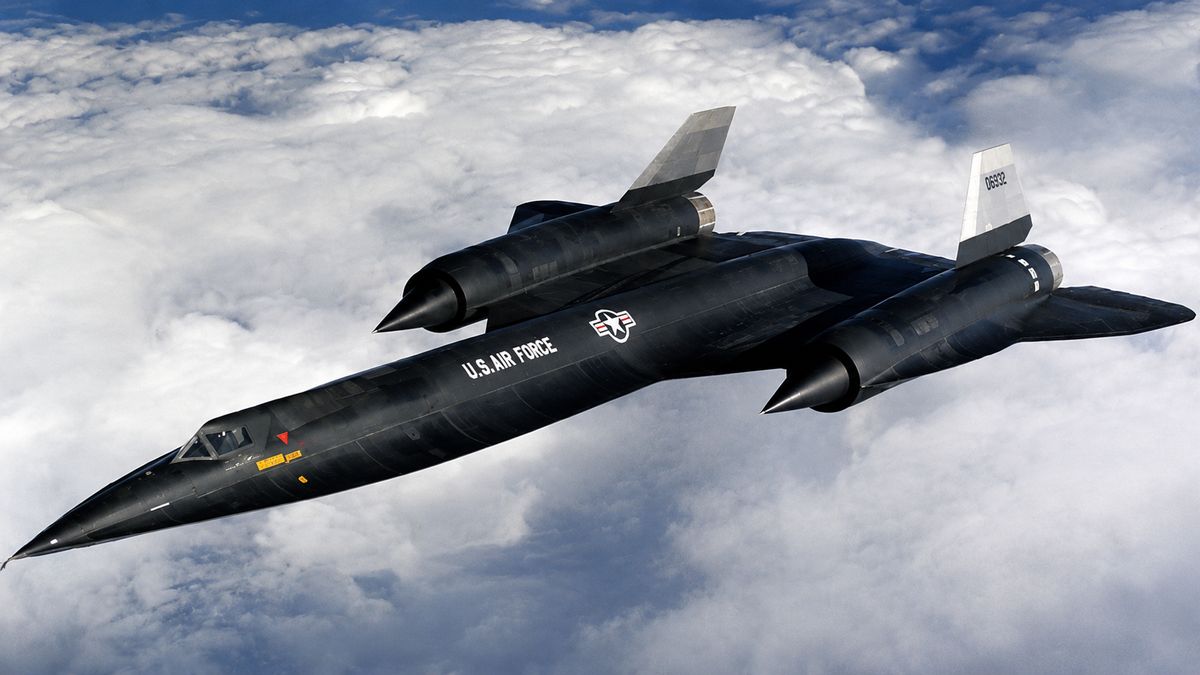
But there is an important detail that is often overlooked. Before the SR-71 entered service, the CIA operated another aircraft that was even faster in terms of its documented maximum speed. That aircraft was the A-12 Oxcart, a highly secretive reconnaissance aircraft that remained classified for years and was eventually revealed to the public in 1989.
The A-12 was not as well known as the SR-71, but it played a major role in the development of America's high-speed reconnaissance aircraft. It introduced many of the ideas and technologies that would later be used on the SR-71, and the two aircraft even look remarkably similar. However, the A-12 had one major advantage: speed.
The A-12 Oxcart Was Built for Speed
The A-12 Oxcart was designed as a high-speed spy aircraft for the Central Intelligence Agency. Its main purpose was to fly deep into dangerous areas at extremely high altitude while gathering intelligence. At the time, this was a revolutionary idea. Instead of trying to fight enemy aircraft or survive using heavy armor and weapons, the A-12 relied on speed and altitude.
The basic idea was simple: fly so high and so fast that enemy defenses would have difficulty detecting, tracking, or intercepting the aircraft. The aircraft had a sleek, futuristic shape that helped reduce drag and allowed it to operate at extremely high speeds. Its design was also closely related to the development of the SR-71 Blackbird.
Because of their similar appearance, the two aircraft are sometimes confused with each other. However, they were not the same aircraft and were built for somewhat different purposes. The A-12 was designed primarily for CIA reconnaissance missions, while the SR-71 was developed for the U.S. Air Force.
The A-12 Was Technically Faster Than the SR-71
The speed of the A-12 is one of the most interesting parts of its story. According to the CIA, the A-12 had a documented maximum speed of Mach 3.29, which was approximately 2,208 mph, while operating at an altitude of around 90,000 feet. The SR-71, meanwhile, had a documented top speed of Mach 3.3, or approximately 2,193 mph, at an altitude of 85,069 feet.
At first, these numbers can seem confusing because the SR-71 has a higher Mach number, but the A-12's listed speed in miles per hour is higher. The reason is that Mach numbers depend on altitude and atmospheric conditions. The speed of sound changes with altitude, so Mach 3 at one altitude does not represent exactly the same speed in miles per hour as Mach 3 at another altitude. Because of this, comparing the aircraft using only their Mach numbers can be misleading.
The important point is that the A-12 was capable of reaching a higher actual speed and a higher operating altitude under its documented performance figures. Despite this, the SR-71 remains famous for its speed records and is recognized for its official world altitude record. The Blackbird became the aircraft that captured the public imagination, while the A-12 remained a much more secretive part of aviation history.
Also Read: The First Jet Fighter: How the Me 262 Changed Military Aviation
A Short Operational Life
The A-12 was originally developed to replace the U-2 Dragon Lady, another high-altitude reconnaissance aircraft operated by the United States. The U-2 had already demonstrated the value of flying at extreme altitudes to collect intelligence. But as radar systems and air-defense technology improved, the United States needed an aircraft that could operate at even greater speeds and altitudes.
The A-12 was the answer. The aircraft entered operational service in 1962, but its career was surprisingly short. The A-12 was retired in 1968, only a few years after it became operational. During its service life, it conducted reconnaissance missions under the codename Black Shield.
The aircraft's short career did not mean that it was unsuccessful. Instead, advances in reconnaissance technology and the development of other aircraft contributed to the decision to retire it. The U-2, which the A-12 was originally intended to replace, continued flying for decades. In fact, the U.S. Air Force still operates U-2 aircraft today.
Only 15 A-12s Were Built
The A-12 was an extremely rare aircraft, with only 15 examples produced. Because of the aircraft's dangerous operating environment and demanding flight characteristics, six of those aircraft were eventually lost in accidents.
The remaining nine survived and were eventually preserved. Today, surviving A-12 aircraft can be found in museums across the United States, and one of them is displayed at the CIA museum in Langley, Virginia.
The survival of these aircraft gives historians and aviation enthusiasts a chance to see a machine that was once among the most secret aircraft in the world. For years, much of the A-12's story remained hidden from the public because of its connection to classified intelligence operations.
Flying the A-12 Was Extremely Dangerous
Operating an aircraft at more than 2,000 mph and around 90,000 feet was not an easy task. The extreme speed created enormous heat through friction with the atmosphere, and the cockpit could become extremely hot, reaching temperatures of around 500 degrees Fahrenheit. This created a serious problem for the pilot.
A normal flight suit was obviously not enough to protect someone from those conditions, so A-12 pilots had to wear specially designed refrigerated space suits. The suits helped protect pilots from the extreme environment inside the aircraft. The technology required to keep the pilot alive was just one part of the challenge.
Pilots also had to operate an aircraft traveling at several times the speed of sound while flying at an altitude where the atmosphere was extremely thin. At those speeds and altitudes, there was very little room for error. The A-12 was therefore not simply a fast aircraft. It was an extremely demanding machine that required specialized equipment, training, and procedures.
The A-12 Also Helped Create the D-21 Drone
The A-12 story does not end with the aircraft itself. The technology developed for the program also contributed to another remarkable aircraft: the Lockheed D-21. The D-21 was an unmanned reconnaissance drone powered by a ramjet engine. It was designed to fly at extremely high altitude and very high speed while collecting intelligence.
To launch the D-21, engineers created a modified version of the A-12 known as the M-21. The M-21 was a two-seat aircraft based on the A-12 design. One crew member operated the aircraft while the other was responsible for managing the drone. The D-21 was carried on top of the M-21 until it reached the required launch area.
The drone could then be released and sent toward its target. This was an extraordinary concept for its time. Instead of putting a human pilot directly into an extremely dangerous reconnaissance mission, the D-21 could perform the mission without a person onboard.
Also Read: The Flying Banana: The Helicopter That Changed Military Aviation
How the D-21 Mission Worked
The D-21 was designed to operate partly autonomously. After being launched from the M-21, the drone would fly toward its target area and collect intelligence. Once the mission was completed, it would fly toward a designated recovery point.
The goal was for the drone to release its data storage device so that the information could be recovered. The data package would then be intercepted in the air by a specially equipped aircraft, such as a JC-130 Hercules. After releasing the data package, the D-21 was designed to destroy itself.
This approach was intended to prevent the aircraft and its sensitive technology from falling into enemy hands. The entire concept was remarkably advanced for the 1960s because it combined high-speed aviation, unmanned flight, automated navigation, reconnaissance technology, and airborne recovery techniques.
The M-21 Program Was Extremely Small
Only two M-21 aircraft were produced, and the program was also dangerous. One of the two M-21 aircraft was lost during a launch accident, while the remaining aircraft survived and was eventually preserved.
Today, the surviving M-21 can be seen at the Museum of Flight in Seattle, Washington. It is displayed alongside a D-21 drone, giving visitors a chance to see the unusual combination of aircraft that was created during this secretive period of aviation development.
Why the A-12 Matters
The A-12 Oxcart may not have the same worldwide recognition as the SR-71 Blackbird, but its influence on aviation history is difficult to ignore. It demonstrated what was possible when engineers focused on speed, altitude, and reconnaissance rather than traditional aircraft design.
The aircraft could fly at extraordinary speeds and altitudes that were difficult for enemy defenses to counter. It also helped establish technologies and design concepts that influenced later high-speed aircraft.
Most importantly, the A-12 helped pave the way for the SR-71. When people look at the famous Blackbird today, they are looking at the result of years of research and development that included the A-12 Oxcart. The two aircraft may look almost identical, but the A-12 has its own unique place in aviation history.
The Forgotten Aircraft Behind the Famous Blackbird
The SR-71 eventually became the more famous aircraft. It served for many years, became a symbol of Cold War aviation, and earned a reputation as an aircraft that could simply outrun danger. But the A-12 came first. It was smaller, highly secretive, and operated by the CIA.
It had a short service life and was built in extremely limited numbers. Yet it pushed the boundaries of aircraft design and demonstrated that an aircraft could operate at speeds and altitudes that had previously seemed almost impossible. Its documented maximum speed of about 2,208 mph made it technically faster than the SR-71 in terms of actual miles per hour, while its operating altitude also exceeded that of the Blackbird.
The A-12 Oxcart may have disappeared from active service decades ago, but its legacy lives on. It was one of the most advanced spy planes of its era and one of the rare aircraft that can genuinely claim to have been faster than the legendary SR-71 Blackbird.