
Your brain prioritizes emotional survival over dry data, making your feelings last longer than events. When you experience a major moment, your brain stamps it with a feeling instead of just recording details. It turns out that our brains do not actually like a simple video cameras. Instead, they care much more about how we felt during a moment than the small details around us. Let's decode the biological breakdown of why you remember emotions much more vividly than the actual events that took place in your life.
The Amygdala Acting As A Memory Highlighter
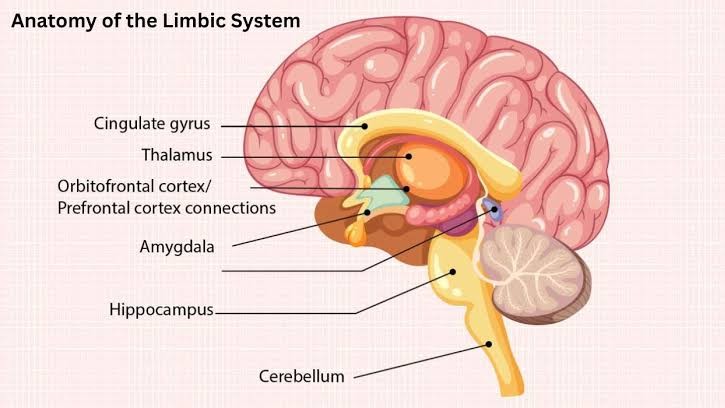
The Amygdala is the brain’s emotional command center that decides what information is worth keeping. Our brain is small in size but it has actually got the capacity to fire up during moments of intense emotions like joy, fear, anger, etc. It instantly alerts the rest of the brain that the current event is crucial and should be stored to prevent any future threats from occurring. It acts like a digital highlighter, marking the emotional experience for permanent storage, and this happens because the amygdala acts like a loud alarm that wakes up your entire memory all at once. Because this alarm is so powerful, the feelings stay sharp and vivid while everyday details slowly slip away from your memory center, as they fail to impact us deeply.
Also Read: American And European Lights: What's The Difference?
Role Of Stress Hormones
Chemical reactions that takes place in our body during intense moments physically alters how our brain saves the memories of past events. High or triggering emotions results in the release of hormones like adrenaline and cortisol. These chemicals rush to the “hippocampus,” the tool our brain uses to store long term memory. This sudden hormonal surge fast-tracks the emotional details, cementing them deep into our minds, prioritising the emotions gained through experiences of past events. When these chemicals flood your system, they naturally block out every minor details like the background noises or what someone was wearing. It is because your brain does not treat these information as important, this might be the reason why a stressful memory can feel so overwhelming and powerful even a long time later.
Dominance Of Evolutionary Needs
In the past, early humans depended on remembering every minute details of danger that occurred in the past to keep themselves safe from any upcoming threat in the future. For instance, they used to recall the terror of a predator attack to stay alive in the future. As a result, the brain evolved to prioritize the emotional lesson because retaining feelings kept our ancestors safe and peaceful. They used to not pay much attention to exact details, like the weather or a specific time of the day, to survive. Today, we don't have to worry about wild animals, but our brains retain the habit of treating a stressful right or see a bad day at work like a major danger coming
Also Read: Is Main Character Energy Ruining Your Real Relationships?
What Is The Connection Between Emotional Memories & Mental Health Conditions
It is our brain's tendency to lock in events of emotional trauma while discarding context, sometimes leading to psychological disorders. In certain conditions like Post-Traumatic Stress Discover (PTSD), the amygdala remains hyperactive, continuosly replaying the intense terror or helplessness of an event. Because of the inability of the hippocampus to properly process and contextualise the memory, the individual feels as though the past danger is happening in the present moment. Similarly, events leading to chronic anxiety can cause the brain to misinterpret neutral everyday situations as emotionally threatening based on past experiences. Hence, it is very important to understand this neurological imbalance to know about different therapies, like Cognitive Behavioural Therapy (CBT) and EMDR.
How Do Positive Emotions Differ From Negative Emotions In Memory Retention
According to psychologists, both positive and negative emotions enhances the power of memory, they utilize distinct neural pathways and produce different levels of detail. If we talk about negative emotions like fear and anger, these emotions usually trigger a narrow, laser-focused lens that captures specific central elements of a threat for immediate survival. On the other hand, positive emotions, like, joy, love, and gratitude tend to broaden our cognitive scope, allowing us to remember the wider contextual environment. Research studies conducted on this perspective indicates that while negative memories are often more vivid and resistant to forgetting, positive memories build psychological resilience and improve social bonding over time. Gradually, your brain retains a holistic, warm narrative of joyful events rather than preserving a rigid timeline of specific facts.
Also Read: What Is Skill Nostalgia? Why Do We Miss Old Life Skills
Why Do Childhood Memories Feel Vivid In Adulthood
It is natural for us to remember only the specific events from our childhood, which are unclear or vivid. This happens because memories formed during childhood and adolescence often carry an extraordinary emotional weight that persists throughout a lifetime. During these formative years, our brain experiences many foundational life events for the very first time. As a result, these experiences trigger massive spikes in hormones like dopamine and adrenaline, creating incredibly deep and permanent neural grooves. Psychologists refer to this phenomenon as the "reminiscene bump," ensuring that the episodes of early emotional highs and lows remain sharp even decades later. As a result, the nostalgic feelings of a childhood summer or the sting of early schoolyard bullying remain readily accessible while you won't remember what you had the other day.

Facts Fade Away While Emotions Stay
Human brains are designed and wired in a way where facts vanish from your memory, however, the exact emotions stay with you for a very long time, sometimes even a lifetime. Human memory is trained to work like a shifting puzzle rather than operating as a permanent video recorder. Scientists suggest that a person will most likely forget the exact words exchanged during an old argument, on the contrary, they will remember the emotions with that particular experience as the neural pathways of our brain allows the emotions like pain, hurt or anger to stay completely intact.