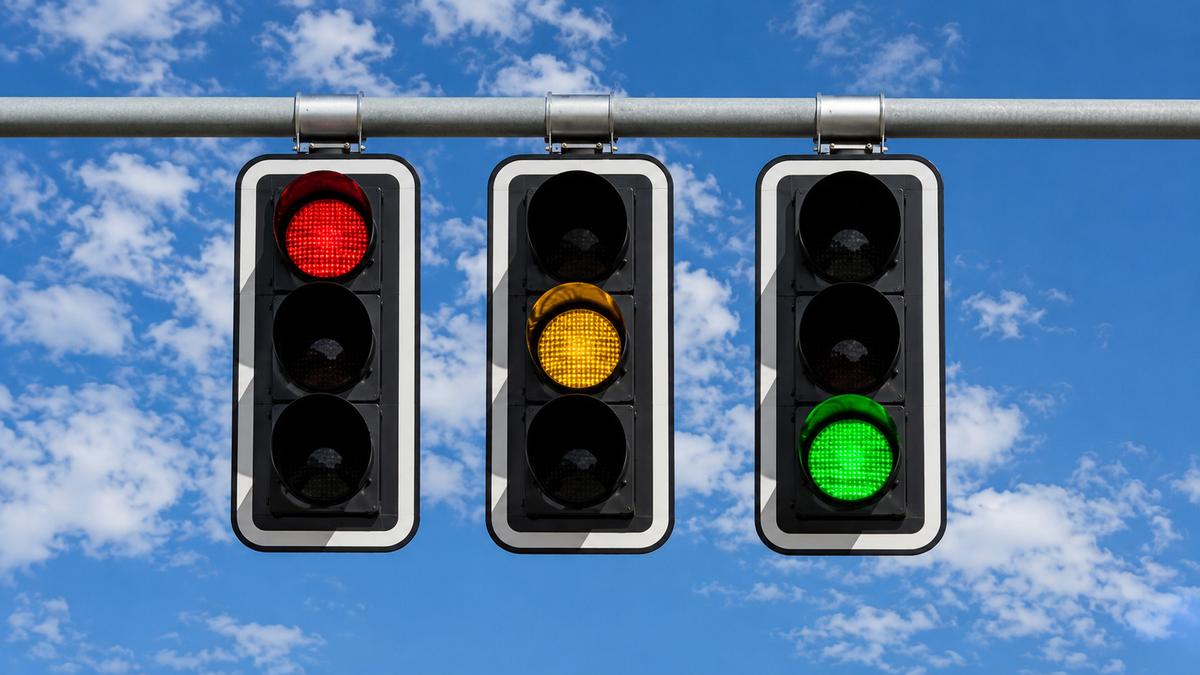
Traffic lights are one of the most important inventions for road safety. They help control traffic, reduce accidents, and make roads safer for drivers, cyclists, and pedestrians. Although traffic lights around the world use the same three colors, red, amber (yellow), and green, the way they operate can vary from one region to another. One of the most interesting comparisons is between the traffic light systems used in the United States and Europe. While both systems serve the same purpose, there are several differences in how they communicate with road users.
How Traffic Lights Work in the United States
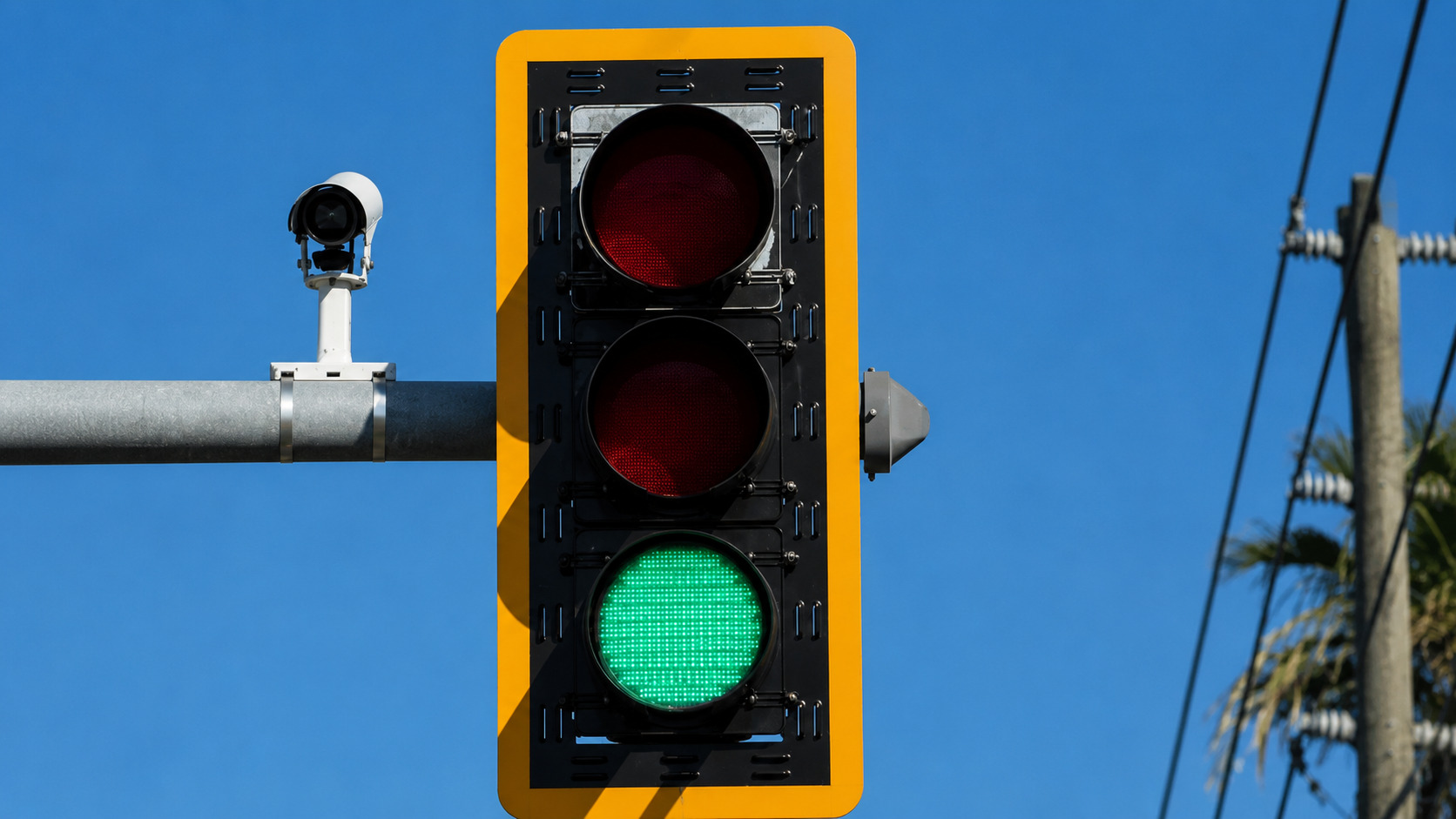
In the United States, traffic lights follow a straightforward sequence. A red light means drivers must stop, while a green light allows them to proceed through the intersection. When the green light is about to end, an amber light appears to warn drivers that the signal will soon turn red. This gives motorists enough time to slow down and stop safely. Once the light turns red, vehicles must remain stopped until the signal changes directly back to green. Unlike in Europe, American traffic lights do not display an amber light before changing from red to green. Drivers simply wait for the green light to appear before moving.
How Traffic Lights Work in Europe
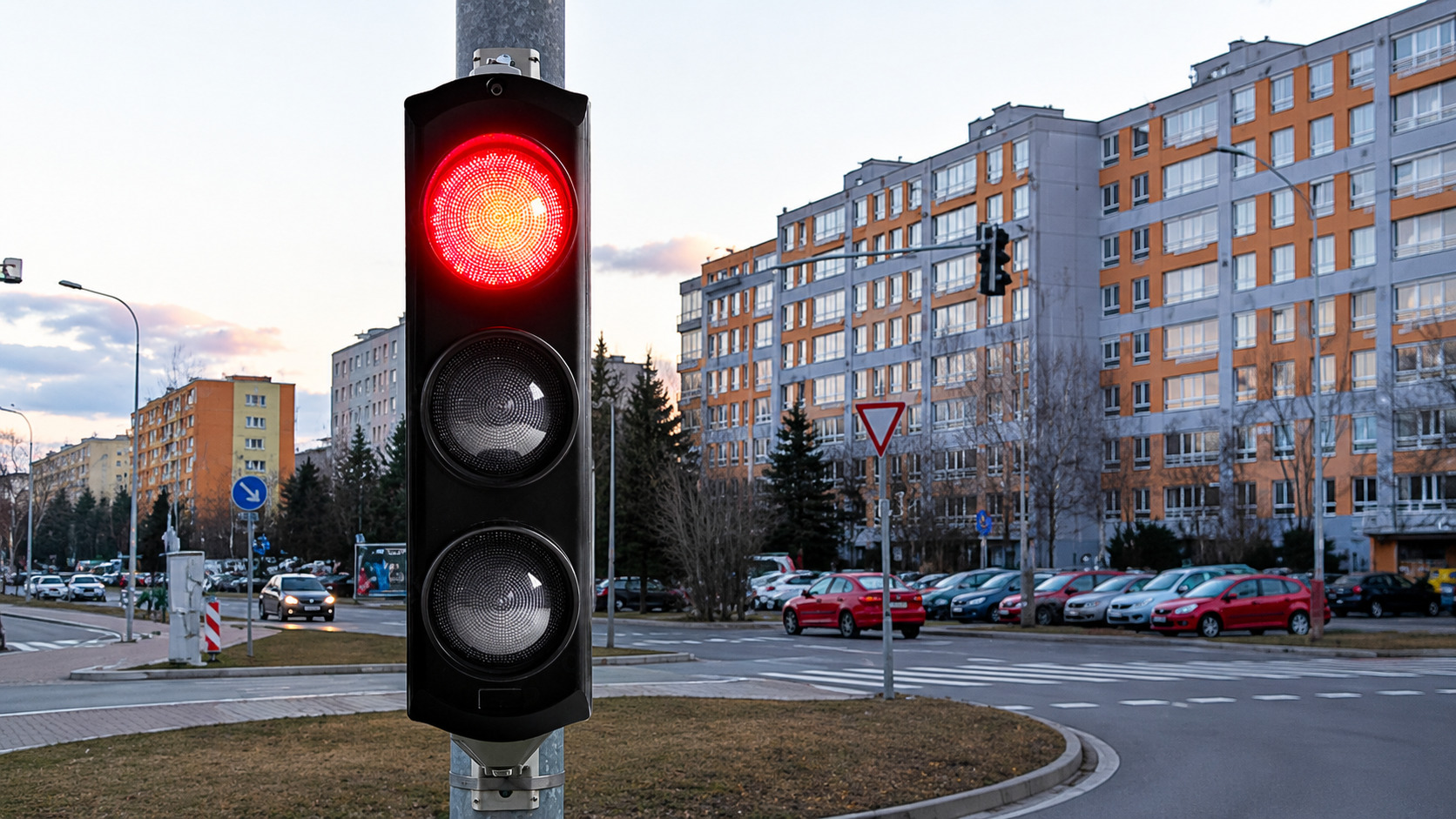
European traffic lights use a slightly different sequence. Like their American counterparts, they display an amber light before changing from green to red. However, before the light turns green, European traffic signals briefly display both the red and amber lights at the same time. This combination acts as a warning that the green light is about to appear and tells drivers to prepare to move. The system is especially useful in countries where manual transmission vehicles are common because it gives drivers a few extra moments to press the clutch, select first gear, and get ready to drive off smoothly as soon as the green signal appears.
Also Read: Why Japan Has ‘Blue Traffic Lights’ Instead of Green
Flashing Green Lights in Europe
In some European countries, traffic lights provide an additional warning before turning red. Instead of changing directly from green to amber, the green light may flash several times. This flashing signal informs drivers that the green phase is about to end and that they should prepare to stop. It serves as an early warning before the amber light appears. American traffic lights generally do not use flashing green signals, relying instead on the amber light as the only indication that the signal is about to change.
The Meaning of Flashing Amber Lights
Both American and European traffic systems use flashing amber lights, but the meaning can be different. In the United States, a flashing amber light usually serves as a caution signal, warning drivers about pedestrians, road hazards, school zones, or other potential dangers ahead. It may also indicate that drivers should yield to oncoming traffic or pedestrians when making a turn. In Europe, however, a flashing amber light often means that the traffic signal has been disabled or temporarily switched off. In such situations, drivers must pay close attention to nearby road signs, which will indicate whether they have the right of way or must yield to other traffic.
Traffic Lights and Police Control
When police officers are directing traffic, automated traffic signals become secondary. In many European countries, traffic lights are often switched off when police officers take control of an intersection. Drivers must follow the instructions and hand signals given by the officers rather than the traffic lights. The same principle applies in the United States, where instructions from law enforcement officers always take priority over traffic signals and road signs.
Better Integration with Cyclists and Pedestrians
European cities are often designed with a strong focus on walking and cycling. As a result, traffic lights are frequently integrated with dedicated cycling infrastructure and pedestrian crossings. Many roads feature bike lanes that run directly alongside vehicle lanes, and traffic signals are designed to accommodate cyclists safely. This approach helps reduce conflicts between different types of road users and encourages alternative forms of transportation. While many American cities also support cyclists and pedestrians, European traffic systems are generally more closely connected to cycling networks and pedestrian-friendly urban planning.
Pedestrian Signal Differences
Another noticeable difference between American and European traffic systems is the design of pedestrian signals. In the United States, pedestrian crossings often display large illuminated messages such as "Walk" and "Don't Walk" to indicate when it is safe to cross the road. In Europe, pedestrian signals usually rely on simple stick-figure symbols instead of words. A standing figure indicates that pedestrians should wait, while a walking figure shows that it is safe to cross. Because symbols are easy to understand regardless of language, they are particularly useful in countries that receive visitors from many different parts of the world.
Accessibility Features
European traffic systems often include additional features to assist people with visual impairments. Many pedestrian crossings are equipped with rhythmic clicking, ticking, or beeping sounds that activate when it is safe to cross. These audible signals help visually impaired pedestrians navigate intersections more safely and independently. Similar accessibility features can also be found in some American cities, but they are especially common throughout Europe.
Also Read: Finland Invites the World to Taste Its Food and Discover Local Traditions
Cameras at Traffic Lights
Traffic cameras are a common sight near traffic lights in both Europe and the United States. Some of these cameras are designed to catch drivers who run red lights by automatically recording violations when vehicles enter an intersection after the signal has turned red. In many European countries, however, speed cameras are even more common. These systems automatically measure vehicle speeds and issue fines to drivers who exceed the speed limit. Automated enforcement helps improve road safety by encouraging drivers to obey traffic laws and maintain safe speeds.