FIFA is on, and advertisers are going crazy. Brands are ready to spend $10.5 billion globally, which is quite more than any NFL regular season spending. But why are they doing it? FIFA World Cup 2026 opening matches alone gathered over 50 million viewers across the United States, Canada, and Mexico. In India, Zee Entertainment reported over 100 million viewers on opening weekend, and India is not even part of the FIFA World Cup.
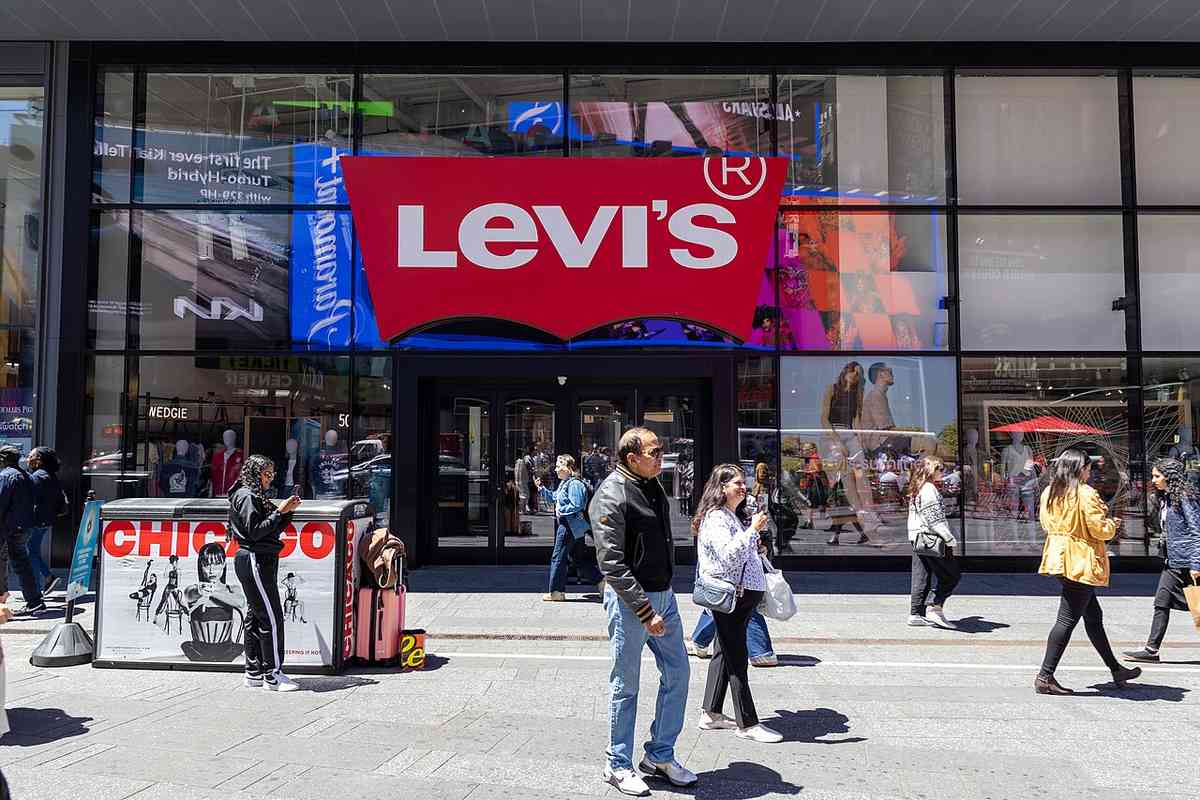
What became one of the biggest highlights was the iconic batwing logo at Levi's Stadium, Santa Clara, ahead of the 2026 FIFA World Cup. There is a strict "Clean Venue" policy in FIFA, where they require host venues to hide or remove any non-sponsor corporate branding. Since Levi is not an official sponsor, they had to cover up their logo. But here's where things get interesting. Levi converted this moment into a branding opportunity.
They uploaded a social media reel using the viral "nobody's gonna know" sound, and the brand earned global headlines without spending a dime on official FIFA sponsorship. It was gold-standard situational marketing, which would be a case study for all brands. And this is what we call Ambush marketing, which implies turning someone else's spotlight into your own. However, Levi's is not the only brand that cracked this; check out five other brands that did it just brilliantly.
Also read || 10 Oldest Luxury Fashion Houses Still Operating Globally
Nike at the 1996 Atlanta Olympics
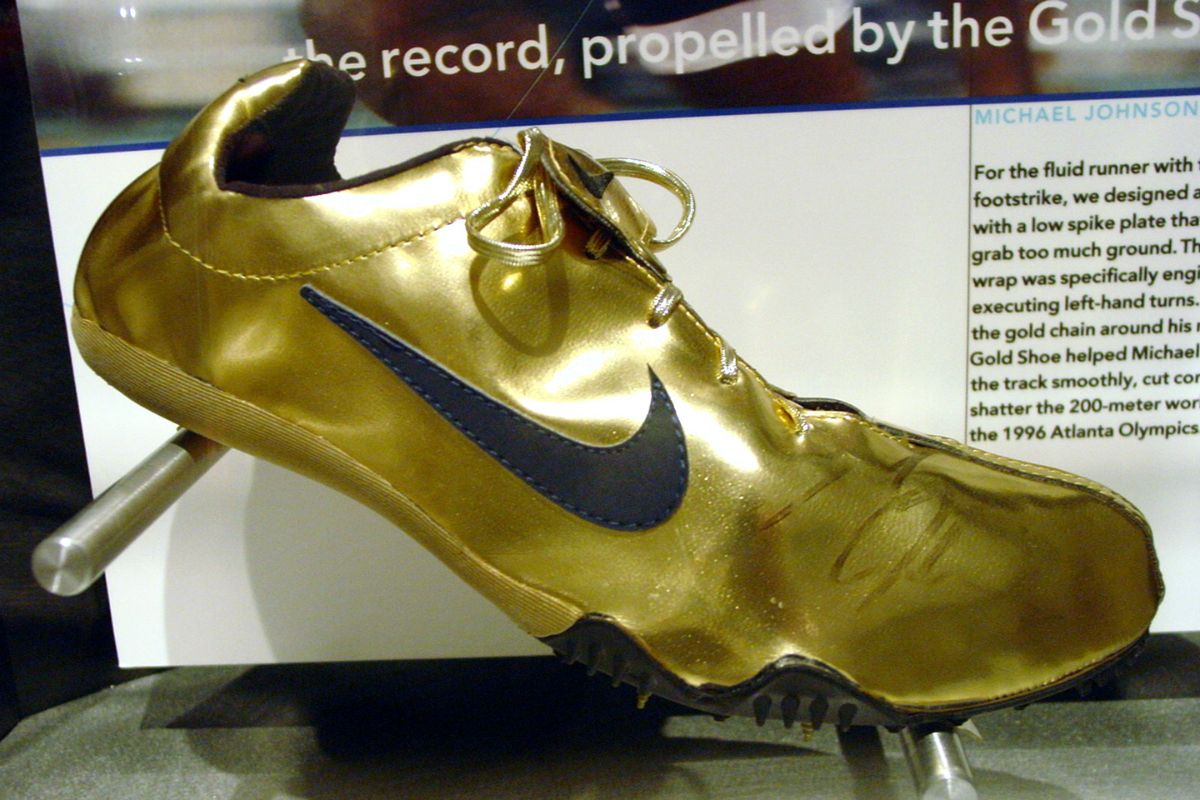
Imagine paying tens of millions of dollars to be the official footwear sponsor of the Olympics, and losing the audience to your rival who did not spend a dollar. Reebok vs Nike is among the most famous marketing and business battles in sneaker history. In the 1996 Atlanta Olympics, Reebok was the official footwear sponsor, whereas Nike chose not to pay the massive fees to become a sponsor.
Nike plastered billboards of Olympic athletes in Nike gear across the city, near the Centennial Olympic Park with its "Niketown" storefront, and handed out branded flags to spectators. Then sprinter Michael Johnson crossed the finish line in his gold Nike spikes, and the cameras did the rest. When on-the-ground audience surveys were performed, it was found that 22% of viewers identified Nike as an Olympic sponsor compared to 16% for Reebok.
Also read || Hydration Breaks Dividing FIFA World Cup 2026
Bavaria Beer at the 2010 FIFA World Cup
,regionOfInterest=(800,450)&hash=b6a39fbc0ce7c31e3911b580f3c182386bfa5f668be16320fe0394675174d435)
Budweiser were official beer sponsor at the 2010 FIFA World Cup and had paid millions to grab the eyeballs. However, Bavaria, a Dutch beer brand, sent 36 women in orange dresses, which was the signature brand color, to the Netherlands vs Denmark match. FIFA ejected the women mid-match, and two were briefly detained. While the consequences were bad, FIFA received backlash from the public, but Bavaria ended up with more press coverage than most official sponsors.
Though it was risky and had legal repercussions, Bavaria had actually run a similar stunt in the preceding FIFA World Cup in Germany in 2006. During a Netherlands match, 1,000 Dutch fans were asked to remove their Bavaria-branded orange lederhosen by organizers, who were protecting official partnerships. What Bavaria did was unethical and is considered aggressive ambush marketing.
American Express at the 1994 Winter Olympics
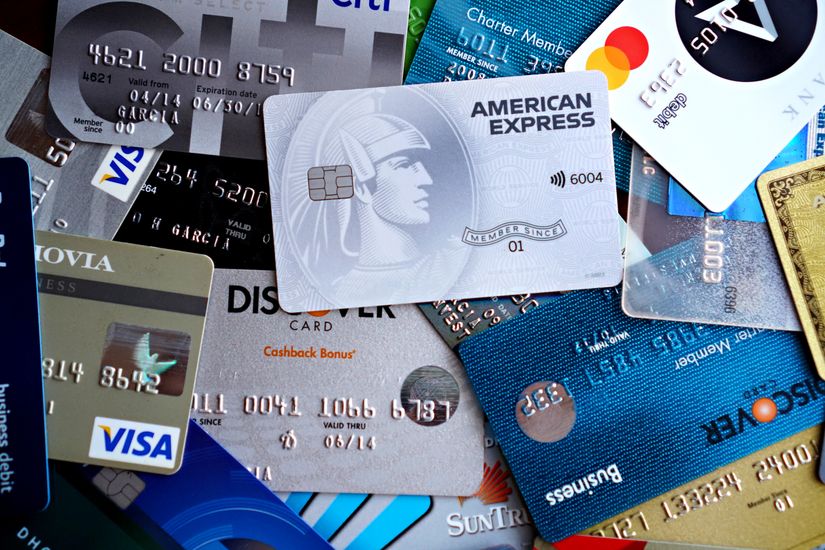
The 1994 Winter Olympics had Visa for exclusive card sponsorship rights. They paid around $40 million to the Lillehammer Games and ran aggressive ad campaigns reminding consumers that it was the only acceptable card for the Olympics. As a response, American Express came up with the most elegantly worded campaigns in advertising history.
AmEx aired a television commercial showing scenes of Norway that ended: "So if you're travelling to Norway, you'll need a passport, but you don't need a visa." The tagline was technically about travel documentation, legally airtight, and unmistakably aimed at their biggest competitor. The International Olympic Committee was furious and called them "a parasite on the Olympic movement" and demanded ad to be pulled back. AmEx publicly refused, and it's still one of the sharpest ad copies without breaking a single rule.
Also read || 5 FIFA World Cup Injuries That Changed Careers
Pepsi at the FIFA World Cup
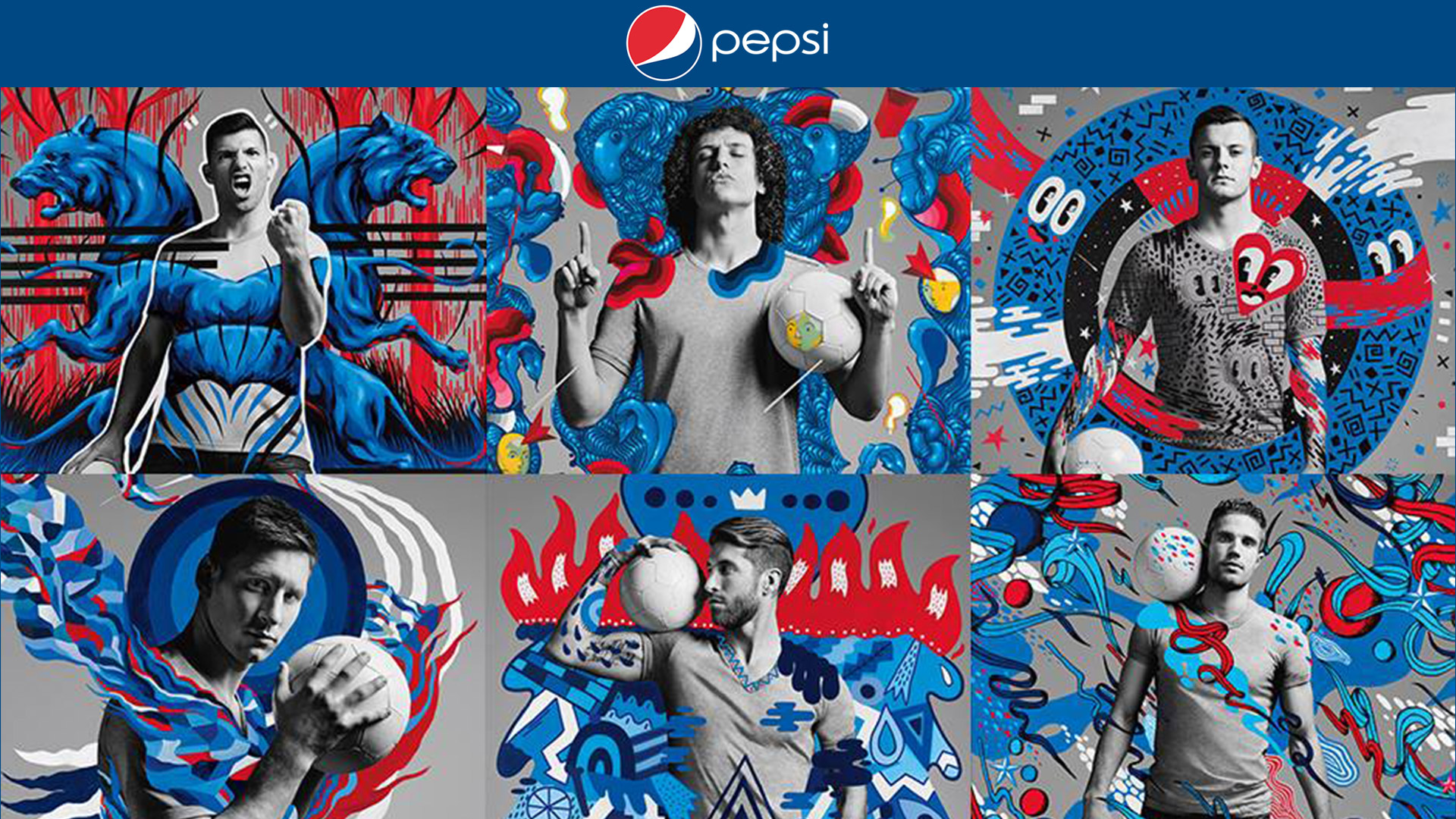
Coca-Cola has been one of the longstanding official partners of the FIFA World Cup since 1978, but their rivals always keep them on their toes. Pepsi had been running ambush marketing campaigns for a long time. In the 2014 FIFA World Cup, they ran football-themed campaigns featuring stars like Lionel Messi, Aguero, Ramos and Robin van Persie. Kristin Patrick, the then-global chief marketing officer, confirmed to the media that they "toed the line".
Without holding any official rights, Pepsi campaigns trended on social media, dominated ad breaks, and placed Pepsi squarely in the football conversation without a cent going to FIFA. Though Coca-Cola will always be a part of conversations, Pepsi did not have to spend to feel associated with the FIFA World Cup tournament.
Rona at the Apple iPod Billboard
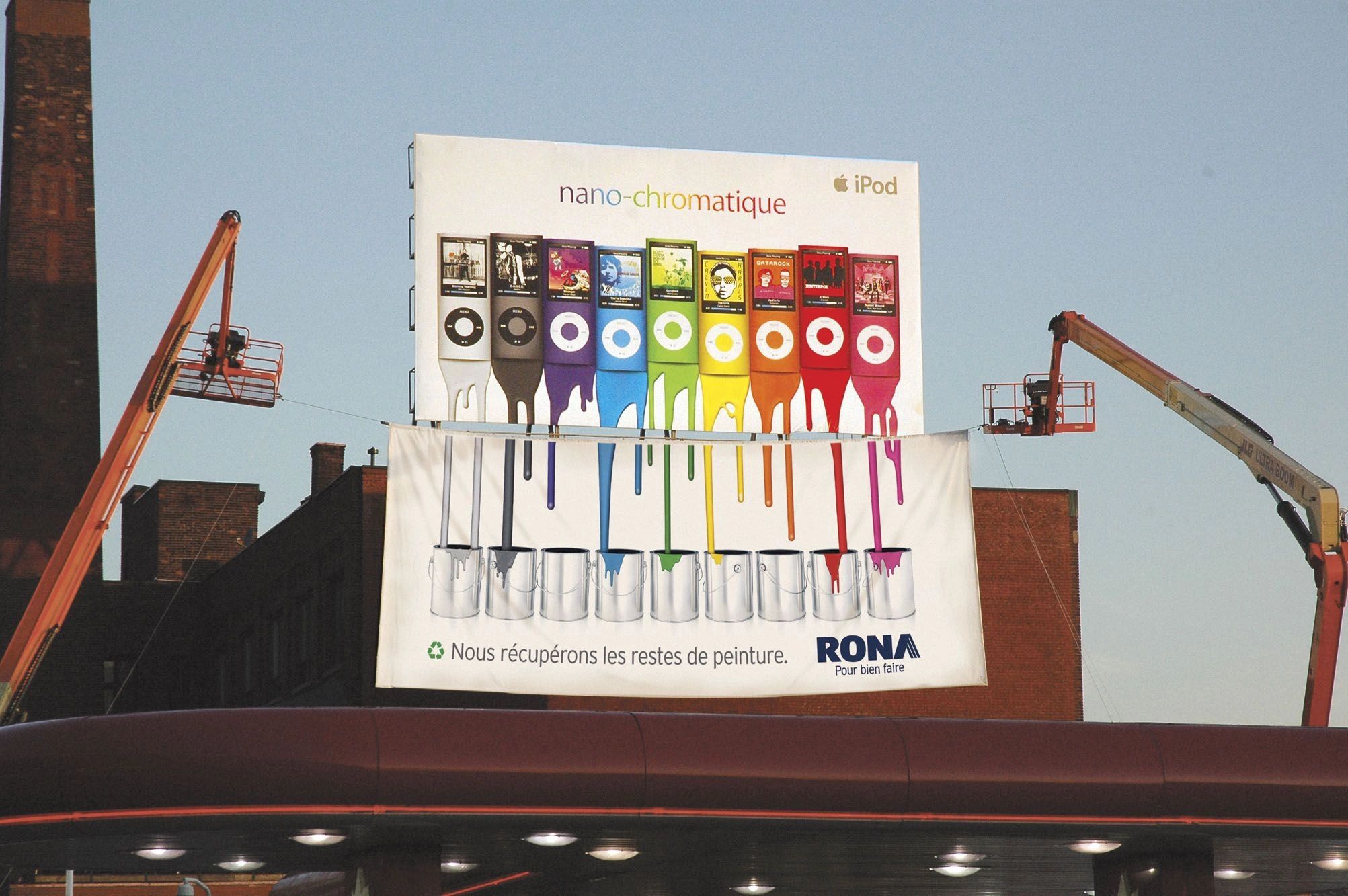
If you want to learn how to do marketing at the lowest cost, Rona could be your "case study of the year". Low-budget, high-IQ, and still gets referenced in marketing classrooms. Rona is a Canadian home improvement chain, which placed their billboard directly below one of Apple's iconic iPod nano-chromatic drip campaigns in Montreal.
While Apple's ad displayed cascading paint pouring down from an iPod, Rona's board sat right underneath with a tagline, "We recycle leftover paint". The visual punchline was instant, like both advertisements were meant for each other. As a result, Rona earned significant earned media without spending huge amounts on conventional advertising. You could say it was one of the finest pieces of ambush marketing, which is safe and ethical.
Also read || The Rise and Fall of Apple’s Butterfly Keyboard
Why Ambush Marketing Always Gets People Talking
Humans crave novelty and creativity, and ambush marketing has the power to awe and amaze any potential consumer. It thrives at the intersection of cultural awareness, timing, and brand confidence. Any brand that knows psychology enough can pull it off as smoothly as Rona, Levi, Nike, and American Express. The idea is not being cheap, but being smarter.
In an attention-deficit world, where everything is about algorithms and consumers scrolling past paid ads in seconds, wit, nerve, audacity, and creativity are the only ways to earn attention. Like other sponsors, Levi could have spent millions on FIFA sponsorships, but credit to their strategy, which not only saved money but made a statement that "Good marketing is not only about spending".