Overcoming the lie of “just one last bite” trap requires us to understand how your brains react to sensory rewards, stress triggers and clever food engineering. When we carefully observe at making this false empty promise, we can finally learn about the various ways to break the cycle and build healthier relationships with food.
The Dopamine Trap
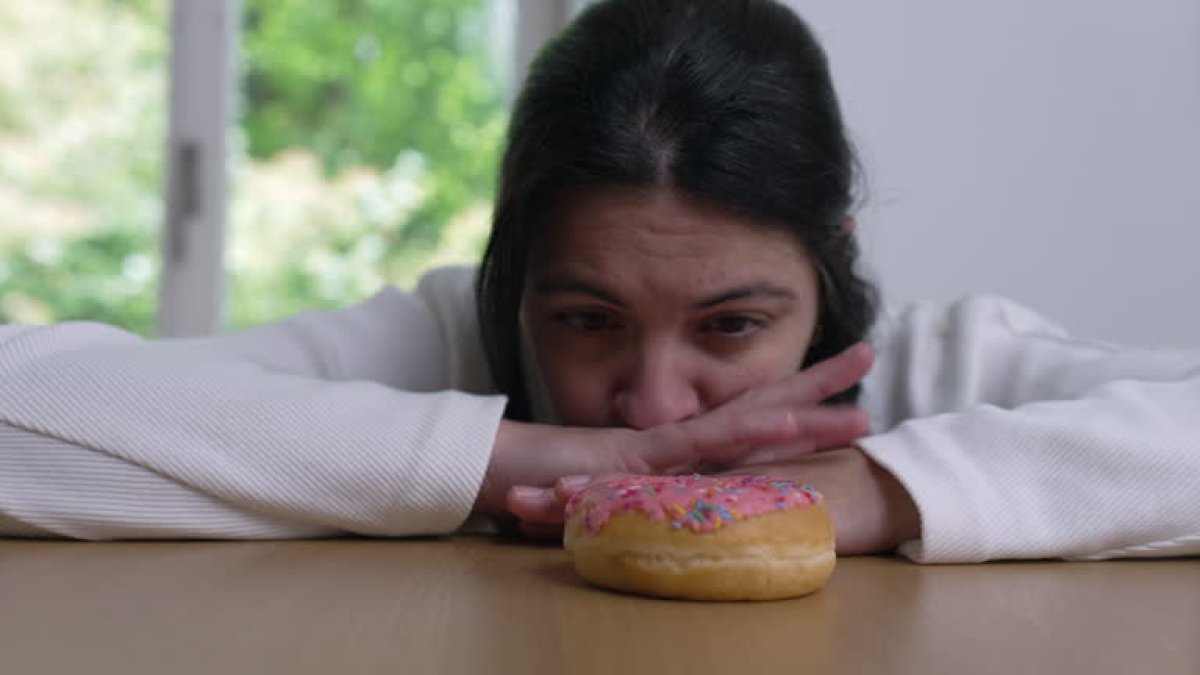
Our brain loves rewards. Whenever we are eating highly processed food, our brains are designed to release dopamine, a feel-good chemical. Following this, it craves for that pleasure spike again instantly. And the result is that the promise of “one last bite” is nothing but the conscious mind trying to negotiate with a subconscious biological craving.
Also Read: Before You Buy Anything, Try These 5 Ways To Refresh Your Home!
The Illusion Of Control
Almost everyone does this and we commonly use this phrase of “just one last bite” to comfort ourselves. By constantly telling yourself that it is the final bite you are taking will make you believe that you still have a strong grip on your choices. It justifies continuing to eat without feeling guilty about it later. The outcome is often worse as you keep on delaying the hard decision to stop eating until the next bite and then the next one.

Also Read: Are You Overthinking Lately? Try These 5 Tricks To Fix It
Hyper-Palatable Foods
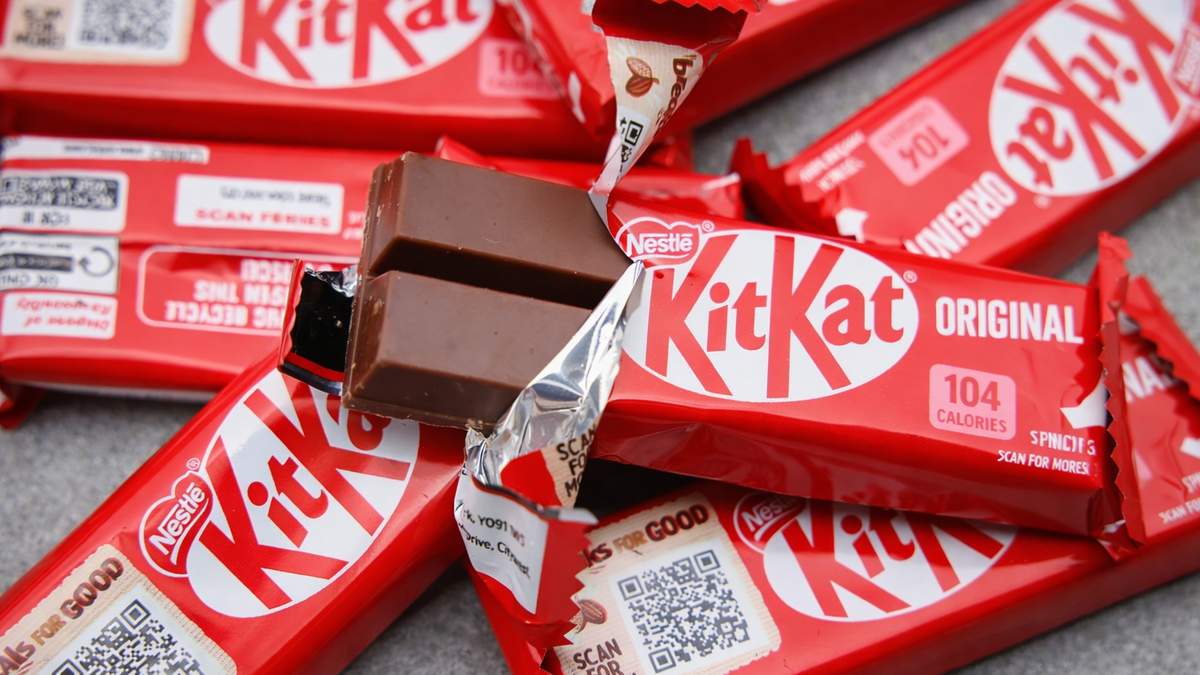
Modern snacks and processed foods are designed to be addictive to the consumers. Food scientists do so by combining the ingredients like salt, sugar and fat to hit what is called the “bliss point.” These ingredients trigger maximum pleasure without filling up your stomach and your body does trick you by not deciding chemical signals that say “I am full,” making a single bite physically harder to resist.

Habit Of Mindlessly Eating
We often eat while watching television, scrolling through phones or working at desks. When you are distracted, your body fails to register the food you consume. The danger lies here because despite eating food, you keep searching for that “one last bite” mainly because your mind did not fully process the previous ones that you ate.
Also Read: Why Italian Food Feels Like A Love On A Plate
The Art Of Mindful Eating
Ultimately, breaking free from the “one last bite” cycle actually requires you to divert your focus from restriction to mindfulness. You can practice the art of mindful eating by removing any kind of distractions while eating. Dedicate your full focus strictly towards the meal you are having. Also, chew slowly and aim for atleast 30 chews per bite. Lastly, always listen to your body while eating and immediately stop eating when you feel that you are completely satisfied to avoid being overly full.