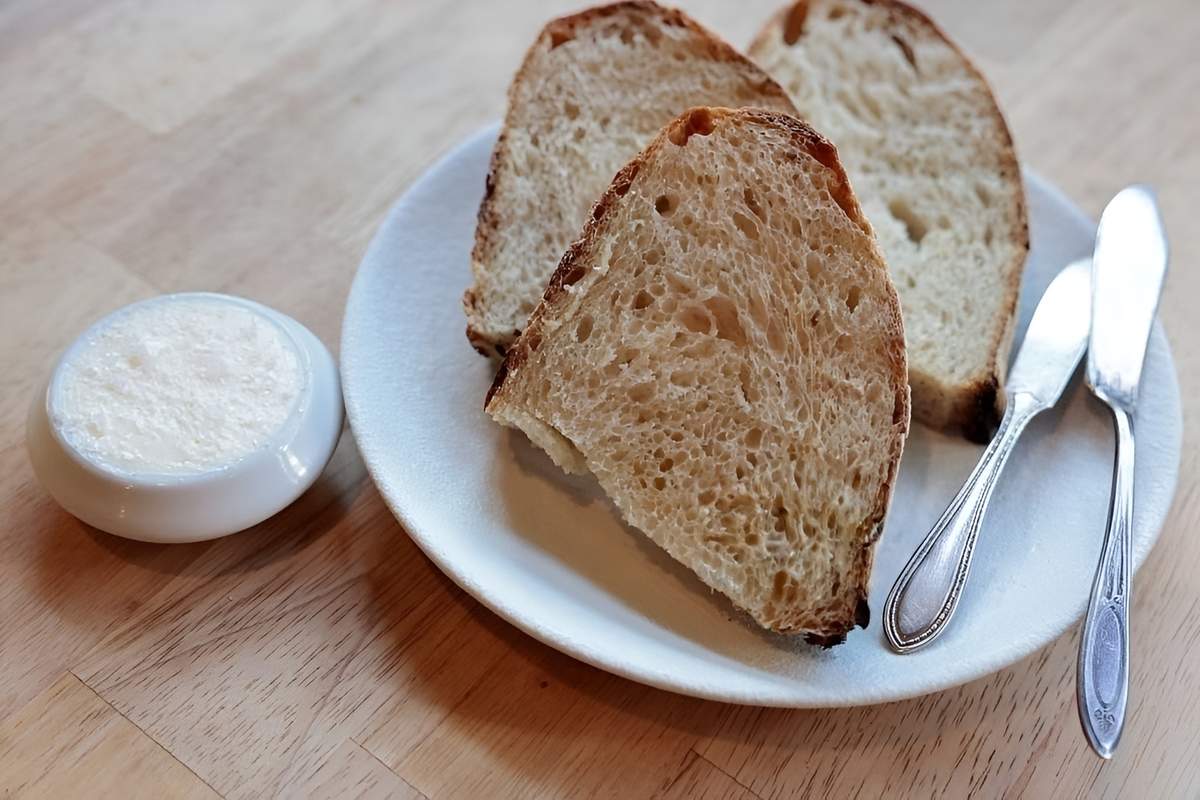
Italian food is universally adored, not just for its incredible taste, but for the profound emotional connection it creates. It can be described as a sensory experience, a traditional and a heartfelt expression of affection.
Let's learn why Italian food truly feels like love on a plate.
It's Made With ‘Amore’
In Italian, the word “amore,” means devotion. For them, cooking is not just a daily chore; it's an act of love. Italian cuisine is deeply rooted in family, tradition and dedication. Whether it is a grandmother who is passing down a secret sauce recipe to the younger generation or a chef spending hours perfecting a ragù, the focus is always on care rather than the speed.
Many Italian dishes follow the philosophy of “minimum of fuss and maximum of flavor,” allowing the ingredients used in the cooking process to shine, similar to how true love requires simplicity and honesty. The time dedicated for shopping, preparing and presenting a meal is viewed as a way to nurture friends and family.
Using Simple, High-Quality Ingredients
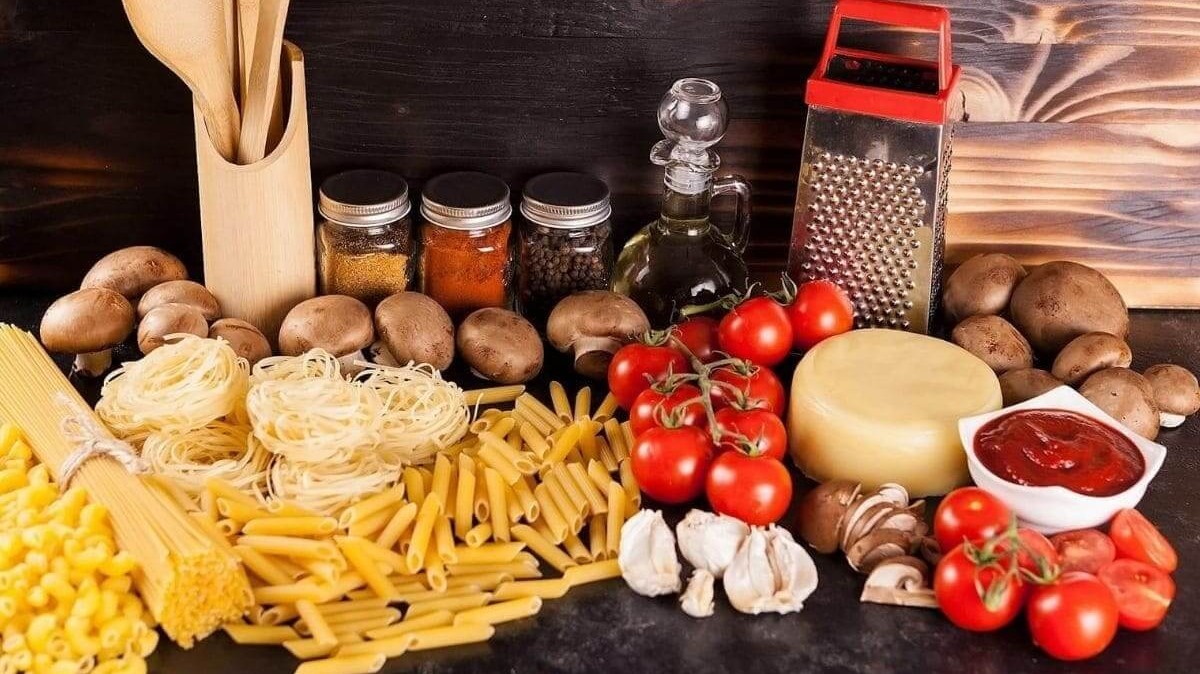
Italian food is made by using only 4-8 ingredients. This kind of simplicity means that there is nowhere for low-quality products to hide. These ingredients are often sourced locally and seasonally.
Most of the ingredients used in the cooking are sun-ripened tomatoes, fresh basil, high-quality extra virgin oil and aged cheese that gives vibrant, authentic flavors that feel honest and deeply satisfying.
The Art Of ‘Convivialità’
In Italian, the term “‘convivialità,’ refers to togetherness, warmth and shared joy, so Italian dining is inherently social and intimate. It is basically designed to be shared, bringing people together around the table.
Whether you are sharing a slice of pizza or passing a plaster of antipasti, the physical activities of sharing breaks down barriers and encourages connection between them. Also, meals are never rushed; they are regarded as a symbol of celebration of presence and togetherness.
Comforting Flavors That Feels Like Home
Italian food has a magical capacity to create a sense of nostalgia and comfort, even if you didn't get the chance to grow up in a Tuscan farmhouse. The refreshing aroma of herbs like garlic, basil and slow-simmered tomatoes is undeniably comforting, fostering a feeling of being cared for.
For Italians after they had a hard day, a warm, creamy bowl of pasta or a plate of rich pizza is often seen as a remedy for their tiredness and fatigue, truly feeling like a hug after a hard day.
Also Read: 15 Iconic Ice Cream Flavors And How They Were Invented
It Engages All Five Senses
Italian cuisine is a masterclass in textures, aromas and colors. The golden hue of olive oil, the bright red or tomato sauce and the fragrant smell of herbs create a magnetic, romantic allure.
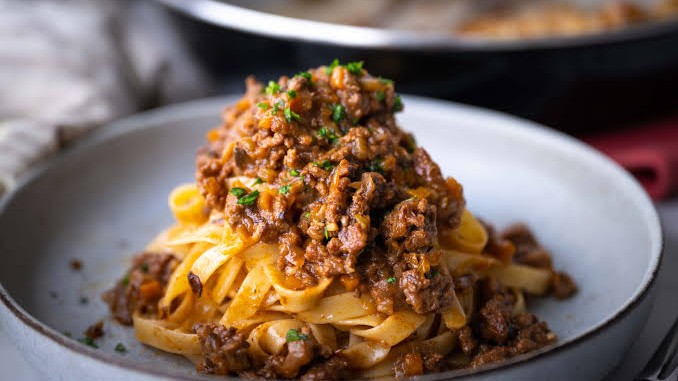
Meaning “to the tooth” in Italian, "al dente" describes the pasta cooked to be perfectly firm rather than mushy. This slight, central resistance ensures each mouthful is engaging, satisfying and full of character.
Also Read: Classic Strawberry Glazed Pie You'll Want Every Summer!
The Last Bite
At the end of the day, Italian food doesn't try to impress you with complicated techniques or flashy ingredients. It fills you with simplicity, warms you with science and brings you closer to the people you cherish. It's a reminder that the most profound way to say "I care about you" is often as simple as a plate of warm food, cooked slowly and shared joyfully with completeness.