180 seconds. That's all it takes for a team like Belgium to lose its momentum and succumb to the Egyptians. While hydration breaks intend to help players revitalize, it has become one of the most debated talking points of the FIFA World Cup 2026. At every 22 minutes of the first and second halves, the game pauses, and players hydrate themselves.
But is it necessary for all the stadiums? Opinions can be subjective. Some may feel that players lose their focus, while others feel that it keeps players from getting energy-drained. What started as player welfare has evolved into arguments about tactical gamesmanship, commercialization, and the soul of the beautiful game.
Also read || FIFA World Cup: Messi, Haaland & Mbappé Explode on Day 6
Hydration Breaks Rule Explained
FIFA World Cup 2026 features mandatory hydration breaks, regardless of venue or weather conditions. They intend to protect players from heat stress across North American host cities, some of which experience intense summer temperatures. Interestingly, the rule applies even inside air-conditioned stadiums, a decision FIFA says ensures identical playing conditions for all 48 teams throughout the tournament.
The rule sounds pretty straightforward. Right? However, in practice, it has split opinion sharply. Till now, there have been 9 draws out of 23 matches, and we have seen teams like Portugal, Spain, Belgium and Uruguay struggle against weaker sides. Could these hydration breaks become a cause of upset? We'll see in the upcoming matches.
Also read || 10 Oldest Players at FIFA World Cup 2026
The Momentum Problem
If you are a regular football fan, you know how crucial flow is in soccer. Unlike basketball or American football, soccer has been built around uninterrupted flow and rhythm. 45 minutes of continuous action, no breaks, and repeated twice. The hydration breaks cut directly into that, and coaches, fans, and sports pundits are arguing that stoppages kill momentum.
A team that is leading by a goal has an edge, and the moment it goes into break, the dynamics of the game shift and we see unexpected results. From an underdog point of view, it gives them a chance of revival, but for the favorites, it's like damaging a well-functioning nerve. Momentum is a real and often decisive factor, and disrupting it changes the trajectory of the game.
The Tactical Angle
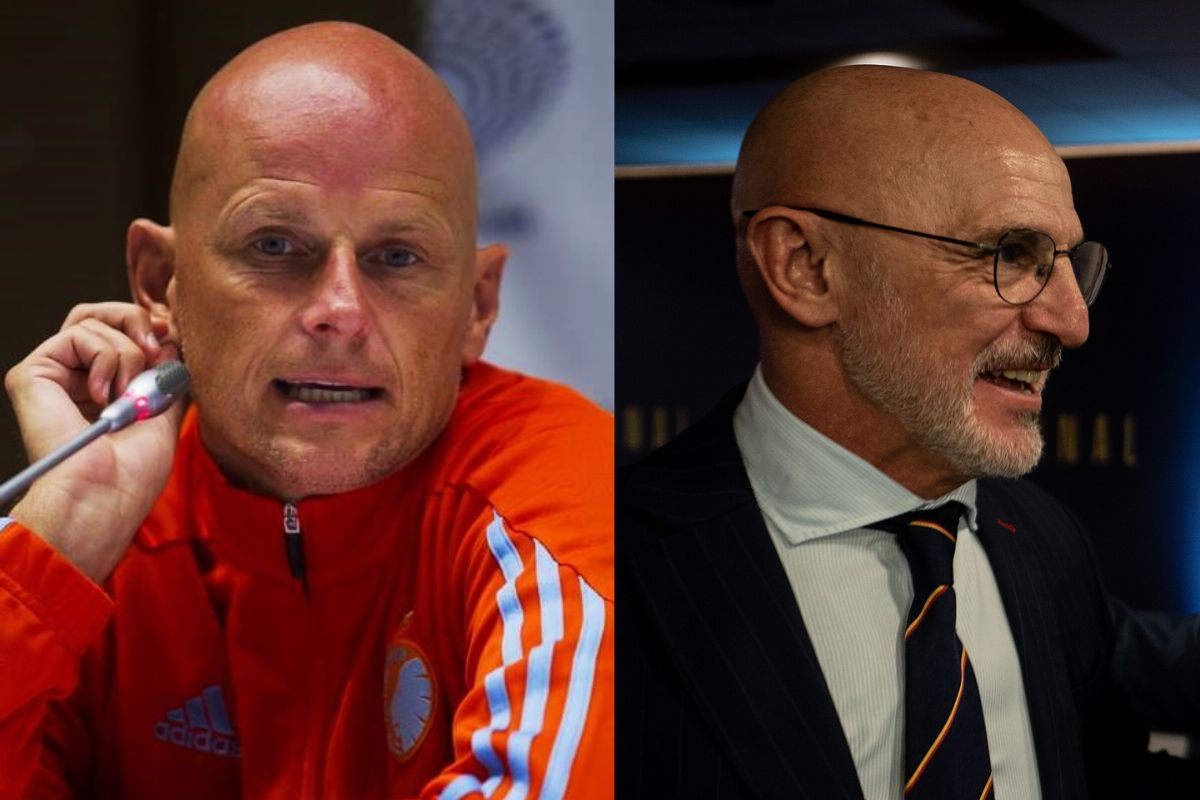
Not everything is bad about hydration breaks; it gives coaches an unofficial tactical timeout to readjust formations, defensive lines, and deliver instructions that would otherwise have to wait until half-time. One may say that they have divided the game into quarters like basketball. Coaches can use this time to shift the momentum of a match entirely, turning the water break into a much-needed pep talk.
The bigger question is whether these breaks are only disrupting games or actively reshaping them. The team succumbing to pressure gets a chance to get back in the game, while a team on top may lose its momentum edge. Whether it is fair or unfair, it cuts both ways.
Also read || World Cup 2026: Favorites Stumble, Underdogs Dominate
Is commercialization a concern?

Advertisers might be happy with these three-minute breaks, but fans aren't. And that's the loudest criticism FIFA World Cup 2026 is receiving. Soccer is one of the last major sports globally without a natural commercial pause. These breaks are creating hundreds of new advertising slots across the tournament, which was never done before, and many fans wanted to see players, not products.
Commercially, it could be a revolutionary measure for FIFA, but traditional football fans are not welcoming it wholeheartedly. The FIFA World Cup is not the NFL, and not many people want those breaks. Whether FIFA intended this outcome or whether it is simply an unavoidable consequence of hosting in North America remains an open question.
Also read || FIFA World Cup 2026: New Format Explained
Why FIFA supports it
There can be numerous issues, but FIFA is not entirely wrong to act. Player welfare is a legitimate concern, and heat stress is a genuine risk at outdoor summer tournaments. The breaks ensure that players get consistent recovery time mid-match, which is a defensible position and deserves acknowledgment.
However, the debate is not about whether players need water. They do. The question is whether FIFA found the optimal solution. A temperature-triggered break should be applied only when conditions actually demand it. And that might have addressed the welfare concern without the side effects of the blanket rule.