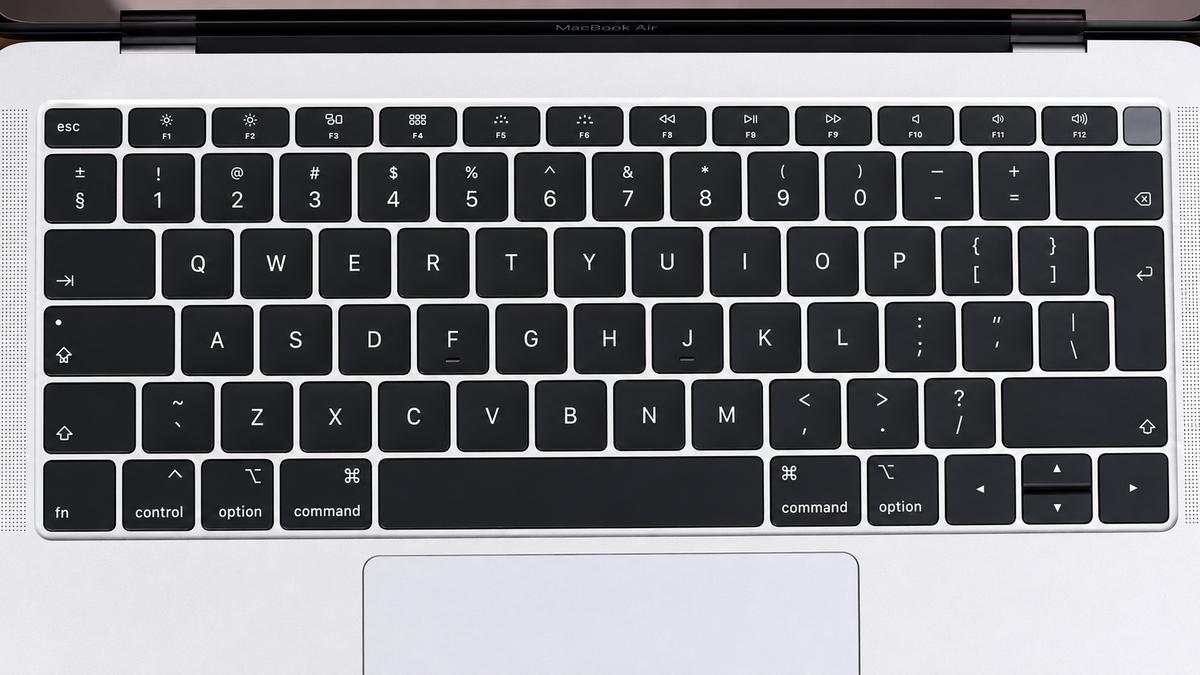
Apple is known for creating sleek and innovative products, but not every design decision has been successful. One of the company’s most controversial hardware experiments was the butterfly keyboard. Apple introduced it as a major redesign for MacBook keyboards, hoping to make laptops thinner, lighter, and more modern. However, instead of becoming a success, it became one of Apple’s most criticized products. Frequent failures, frustrated users, and legal trouble eventually forced Apple to completely abandon the design.
What Was the Butterfly Keyboard?
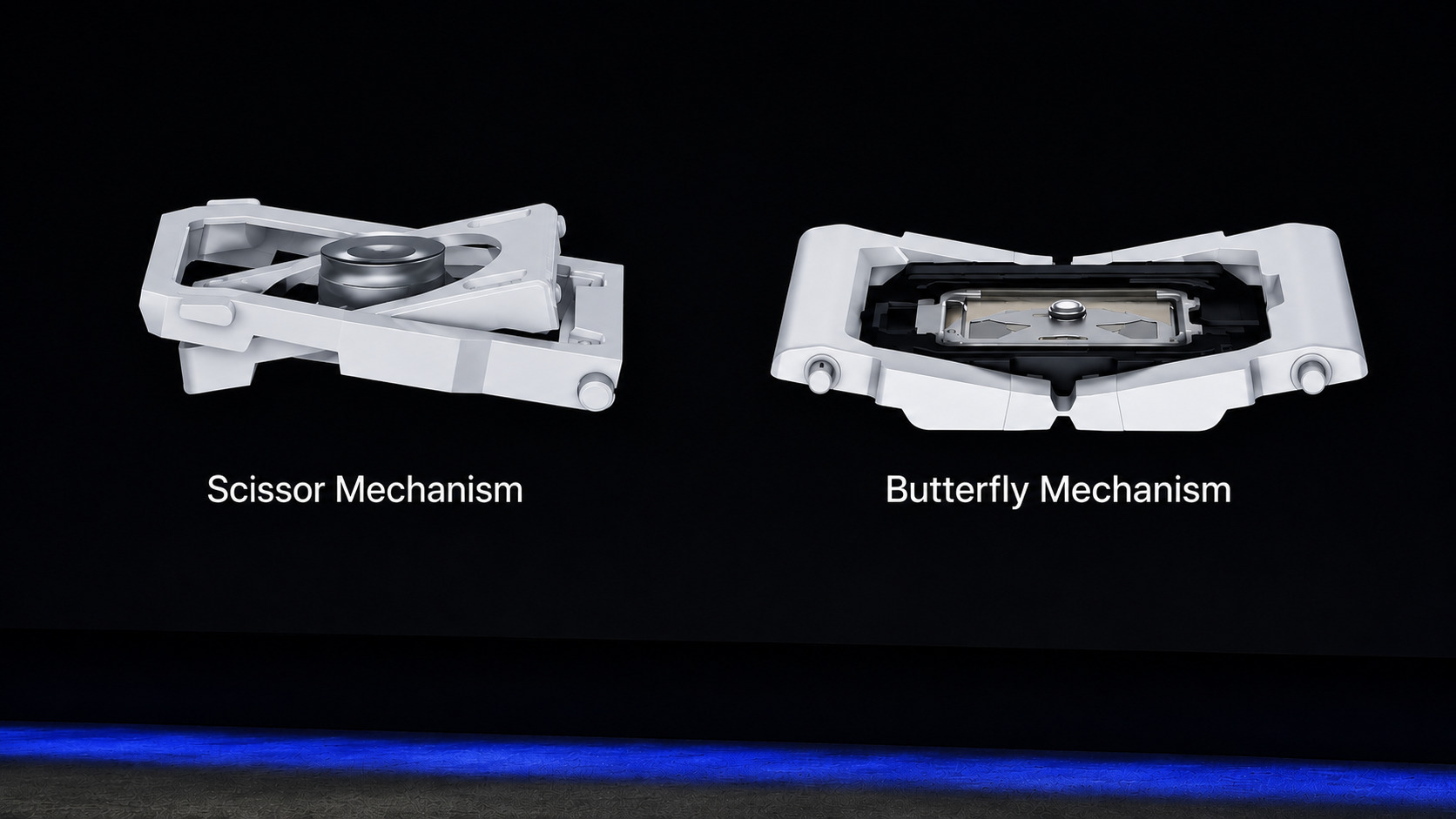
The butterfly keyboard was a special keyboard mechanism introduced by Apple in 2015 with the 12-inch MacBook. Unlike traditional laptop keyboards that used a scissor-switch mechanism, the butterfly keyboard used a completely different hinge design called the butterfly mechanism. Apple created this design mainly to make MacBooks thinner, as the butterfly mechanism took up much less space than older keyboard designs. This allowed Apple to build slimmer laptops while maintaining its focus on sleek design. Apple also claimed that the new keyboard offered better stability, meaning the keys would feel more even and responsive no matter where users pressed them. On paper, the idea looked promising, and a thinner laptop with a modern keyboard seemed like a major step forward. However, once people started using it in everyday situations, serious flaws quickly became clear.
Also Read: Cybersecurity Pioneer Peter G. Neumann Dies at 93
The Biggest Problem: Poor Reliability
The main reason Apple got rid of the butterfly keyboard was its poor reliability. The keyboard’s extremely thin design left very little room between the keys and the internal mechanism. Because of this, even tiny particles such as dust, crumbs, lint, or dirt could easily get trapped under a key and stop it from working properly. Many users reported frustrating issues while typing. Some keys would unexpectedly repeat letters, causing double typing. Other keys failed to register when pressed, while some became stuck or felt uneven and unresponsive. Since typing is one of the most basic and important functions of a laptop, these issues created a very poor user experience. For many users who depended on their MacBooks for work, school, or daily tasks, the keyboard problems became a serious headache.
Difficult and Expensive Repairs
Another major issue with the butterfly keyboard was how difficult it was to repair. With many older keyboards, replacing a damaged key was relatively simple and inexpensive. However, the butterfly keyboard was designed in a way that made repairs far more complicated. In many cases, fixing just one broken key required replacing the entire top case of the laptop, which included not only the keyboard but also the battery and other connected parts. This made repairs expensive and highly inconvenient for customers. Because users could not easily fix the problem themselves at home, many had no choice but to visit Apple repair centers, which increased frustration even more.
Apple Tried to Fix It
Apple did not immediately stop using the butterfly keyboard after complaints began. Instead, the company spent several years trying to improve the design. Apple released updated versions of the keyboard that included protective membranes and other internal changes meant to stop dust and debris from entering the mechanism. These updates were designed to solve the reliability issues and improve performance. However, the fixes did not fully solve the problem. Even newer MacBooks with revised butterfly keyboards continued to receive complaints from users. This damaged customer trust, as many people felt Apple was still selling a product with known design flaws.
Legal Trouble and Lawsuit
As complaints continued to grow, Apple eventually faced legal action over the butterfly keyboard. Many customers argued that Apple knowingly sold MacBooks with defective keyboards while continuing to market them as premium products. The issue eventually became a class-action lawsuit. In 2023, Apple agreed to pay $50 million to settle the lawsuit. Some affected users received compensation, with payments reaching up to $395 depending on their repair history and the number of keyboard repairs they needed. While $50 million is not a huge financial burden for a company as large as Apple, the lawsuit was still a major public embarrassment and highlighted how serious the issue had become.
Also Read: Instagram Instants: What It Is & How It Works
Why Apple Finally Abandoned It
Apple usually stands by its design choices, even when products receive criticism, but the butterfly keyboard became impossible to defend. There were several reasons Apple decided to remove it completely. First, there were simply too many customer complaints, with users consistently reporting keyboard failures across multiple MacBook models. Second, the keyboard damaged Apple’s reputation, as the company’s brand depends heavily on premium quality, reliability, and customer trust. Third, repair programs and replacements created ongoing costs for Apple. Fourth, the class-action lawsuit added both financial and reputational pressure. Finally, better alternatives already existed, as Apple’s older scissor-switch keyboard design had proven to be more reliable and better tested over time.
The End of the Butterfly Keyboard
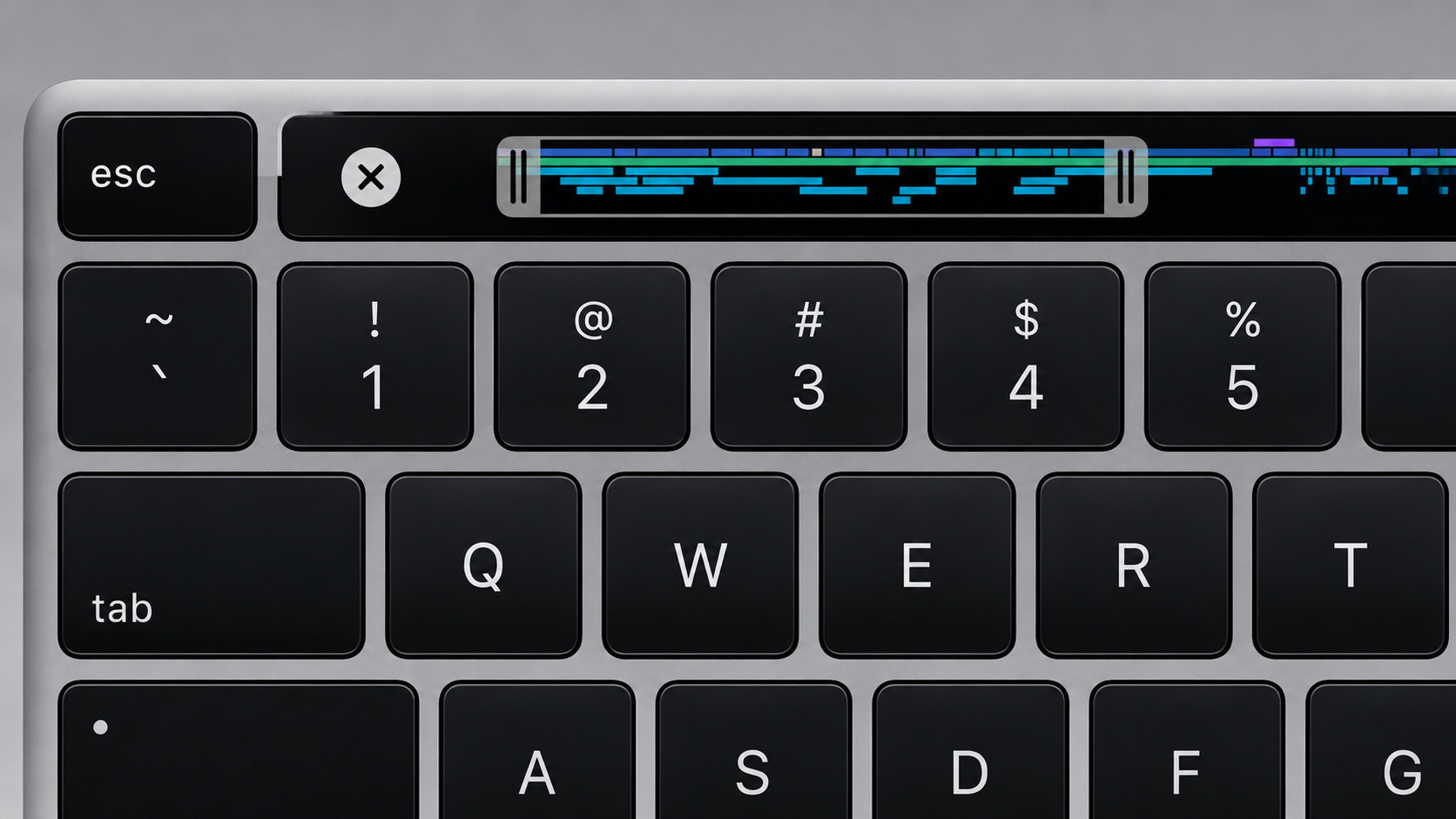
In 2019, Apple introduced the 16-inch MacBook Pro with a new keyboard called the Magic Keyboard, marking the beginning of the end for the butterfly design. The Magic Keyboard returned to a more traditional scissor-switch mechanism, which offered deeper key travel, better durability, and a more comfortable typing experience for users. This was widely seen as Apple admitting that the butterfly keyboard design had failed. By 2020, Apple had completely removed the butterfly keyboard from its MacBook lineup. This transition happened around the same time Apple began moving from Intel processors to its own Apple Silicon chips, although the decision to replace the butterfly keyboard was mainly about solving the design failure rather than the processor transition.
A Rare Apple Design Failure
Apple has experienced product failures before, but the butterfly keyboard stands out because it affected one of the most basic functions of a laptop: typing. Unlike some design mistakes that only caused minor inconvenience, this problem directly affected daily use for millions of customers. Other Apple missteps include the Pippin gaming console, which failed in the gaming market, the iPhone 4 antenna controversy, where users reported signal problems, and the Magic Mouse charging port placement, which many people still criticize because the mouse cannot be used while charging. However, the butterfly keyboard remains one of Apple’s most well-known hardware mistakes because it created widespread frustration for everyday users and became a major lesson in product design failure.