At the heart of Wabi-Sabi is the profound lesson that the true happiness comes not from achieving a flawless life, but from the courageous act of letting go of the need for perfection. What if someone tells you that the secret to happiness isn't fixing everything, but embracing that everything is already “perfectly imperfect?”
By adopting the Wabi-Sabi mindset, we can learn to release the heavy burden of control and find serenity in letting go.
What Is Wabi-Sabi?
Wabi-Sabi is not just an aesthetic thought; it's a worldview. It originates from Zen Buddhism and focuses on accepting the natural cycle of growth and decay.
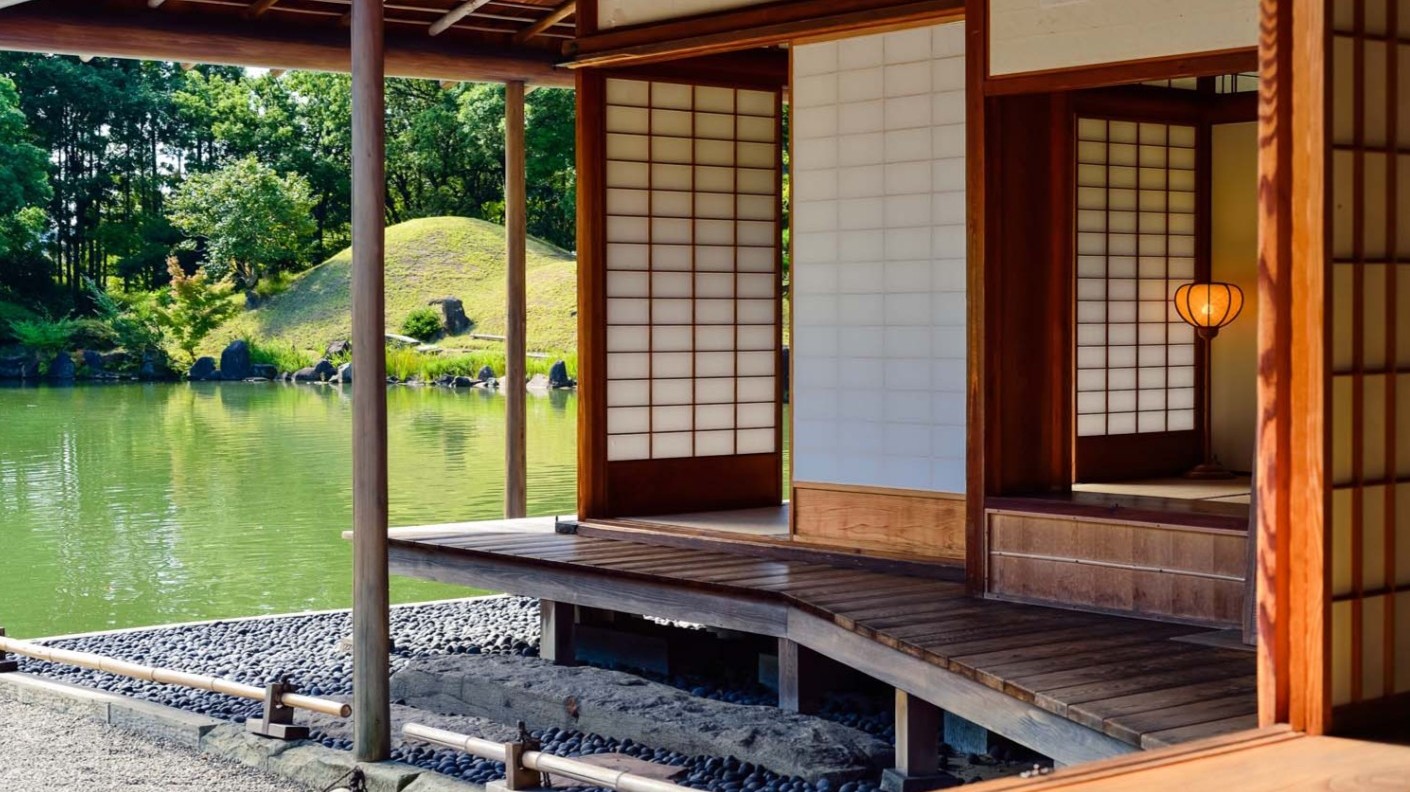
The word “Wabi,” refers to the rustic simplicity, quietness and a modest, humble way of life; whereas “Sabi,” refers to the beauty that comes with age, wear and the passage of time. Together, it teaches us that nothing lasts, nothing is finished and nothing is perfect.
4 Key Lessons Wabi-Sabi Teaches Us
Whenever we stop fighting the reality of impermanence, we become lighter. Here is how Wabi-Sabi helps us letting go:
Letting Go Of Perfectionism & Embracing Flaws
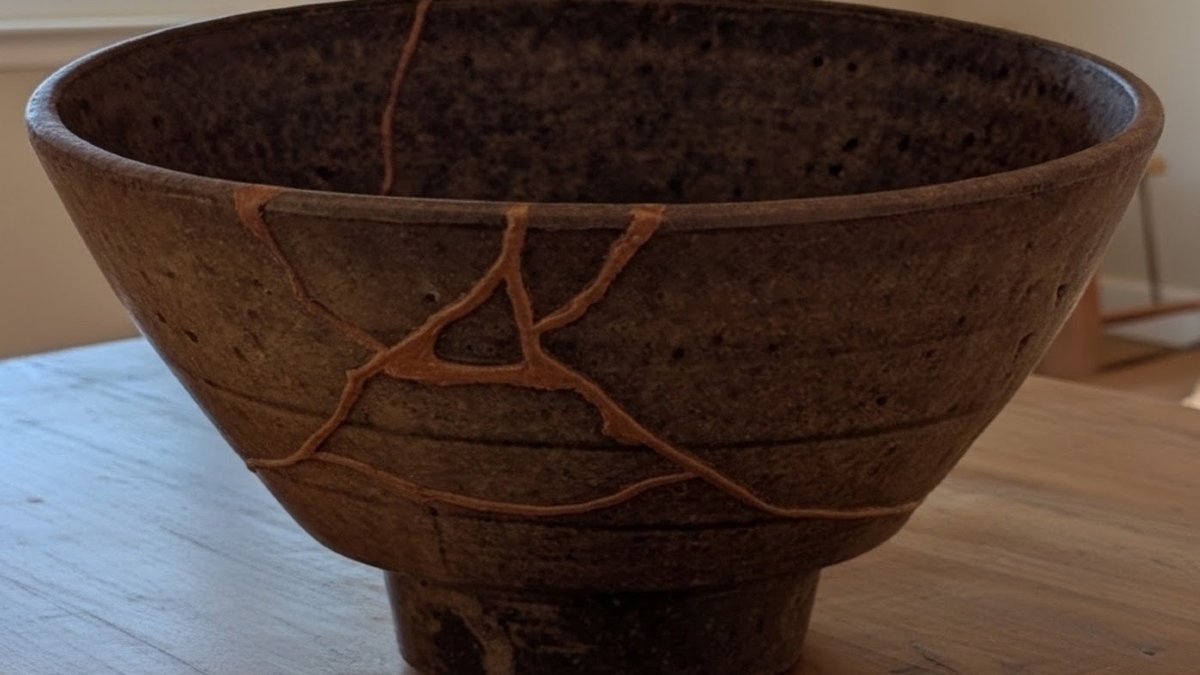
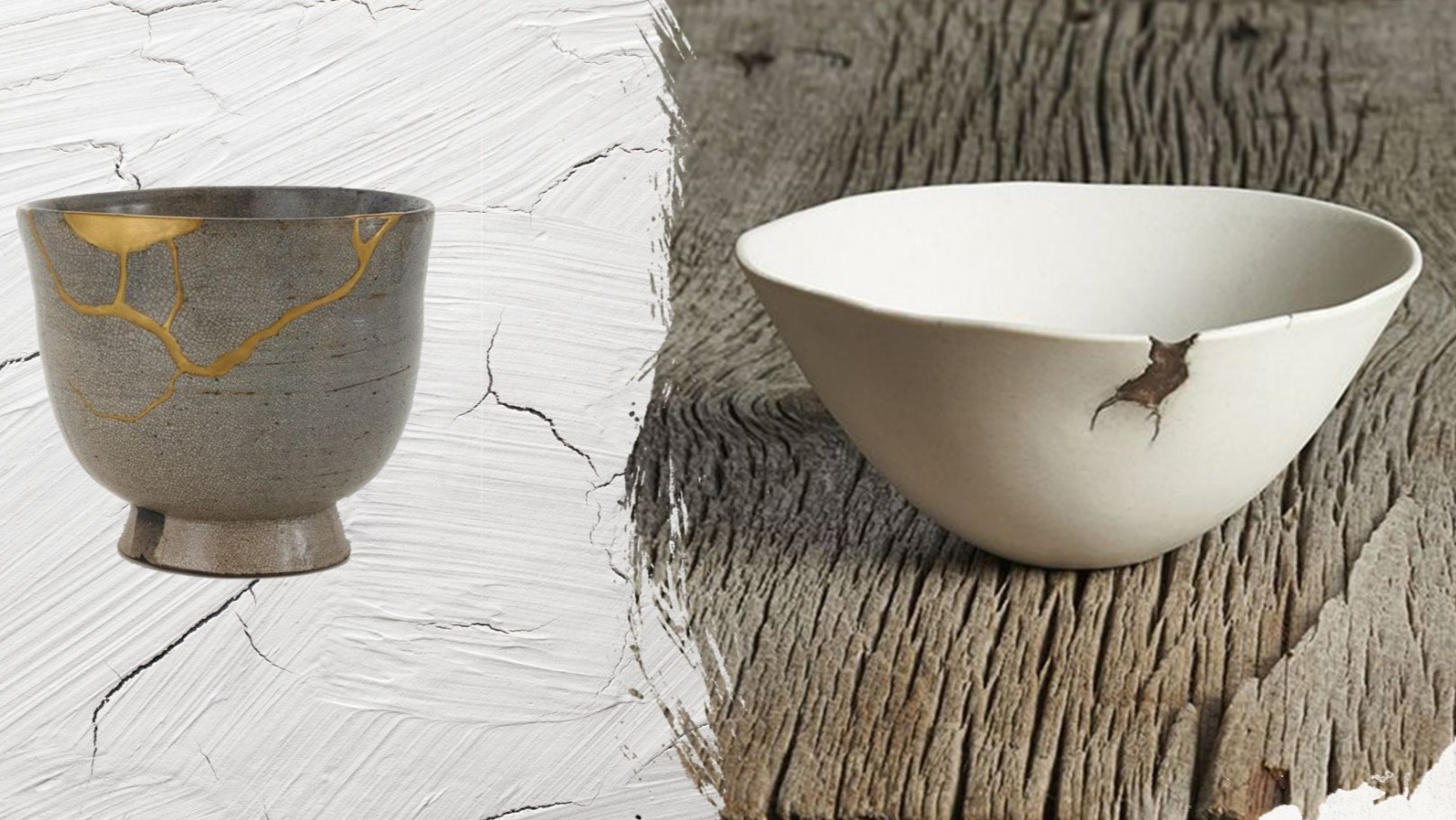
Since our childhood, we have been taught to hide cracks, scars and mistakes. But, the principle of Wabi-Sabi tells us to celebrate them. Much similar to Kintsugi, the art of repairing broken pottery with gold, Wabi-Sabi teaches us that our imperfections make us unique and beautiful.
You can apply this principle into your daily life by questioning yourself about how that flaw of yours could tell a story of experience and resilience, instead of trying to hide it.
Letting Go Of Control & Accepting Change
Wabi-Sabi accepts that the change is inevitable and that it is universally destined to change; seasons change, people change, people grow old and of course, our plans change too. We experience suffering because we continue to resist the results, as it is much opposite to what we expect. However, on the other hand, when we accept and surrender to the flow of life, known as “Uketamo,” we find freedom.
In your life too, when something unexpected happens, try to adapt to it rather than forcing it back into your original plan.
Letting Go Of Materialism & Appreciating Simplicity
Wabi-Sabi encourages us to focus on what truly matters. It prioritizes quiet moments over loud luxuries. By letting go of the need for “more,” we find contentment in “enough.”
You can declutter one space in your home this week, keeping only those things that bring you joy or it is visually appealing.
Letting Go Of The Past & Being Present
Wabi-Sabi reminds us that the past is gone and the future awaits. The true beauty of life lies in between the past and future, known as “present,” the current moment. It teaches us to honor what was but not let it hinder our future.
Practice “mindful savoring,” by taking a moment out of your busy schedule to appreciate the texture of a hot cup of tea or the way light enters into your room, without trying to change it.
Also Read: Practice This Simple Habit Before You Give Up On Your Bad Day
How To Include Wabi-Sabi In Your Life?
Embracing this philosophy doesn't mean becoming complacent, it means working hard while being detached from the outcome. Stop comparing yourself with others; remember that your journey is yours alone and that your “flaws” are also a part of who you are and your journey of this beautiful phase called "life."

Most of the times, we throw away the ones which have become old. Start cherishing those items which show signs of age, rather than replacing them immediately. Maybe, you can think of surrounding yourself with wood, stone or clay, which age gracefully.
Lastly, practice gratitude in everyday life. Notice those small moments of everyday life, such as having a simple meal or by observing the mercy of nature. All these things may sound a bit silly but gratitude is actually the stepping stone of Wabi-Sabi.