Everybody wants to win. And to win, you need specialists. If it's a cooking competition, you need chefs. If it's a hackathon, you need engineers, cloud specialists, designers and whatnot. But if you talk about sports, one of the most powerful tools you can have is sleep. It helps athletes train hard, heal faster and think clearly when the pressure is at its peak.
People believe that championships are a one heroic moment, but that moment arrives only when teams arrive ready, night after night. According to a research paper by Jonathan Charest and Jesse Cook, Sleep plays a critical role in training, recovery and performance of athletes. They reviewed 38 studies of professional athletes between 2018 and 2022 to conclude this.
Also read || The Quiet Rise of AI Labs Inside Sports Teams
Sleep Is Your Body's Garage
The productivity culture may have antagonized sleep, but researchers see it as active recovery. While you are sleeping, your body repairs your muscles and releases growth hormone—also, the brain locks in what it learned, whether it is patterns, timing or plays. So, good sleep improves an athlete's reflexes and decision-making ability, so that fatigue won't affect their performance.
It's not theory but a story of the training room. The study of eight professional mixed martial artists across a six-week camp explains the perks of good sleep. Peacock and colleagues found that better sleep and a steadier sleep schedule went with fewer missed practices. In Current Pulmonology reports, they studied 44 Australian players and found that less sleep is linked to more illness. The bottom line indicates that tired athletes miss more work.
Your hormones are also a critical part of the process. The sleep duration and sleep efficiency were tied to testosterone and cortisol levels in professional rugby players, according to Serpell and colleagues. Both of these hormones build the body and repair muscles. Similarly, the study of 19 professional players by Swinbourne and colleagues found that when you sleep longer, cortisol drops, and reaction time improves.
Sleep is not only your body's garage but a mind-shaper. In a study of 68 Australian football players by Facer-Childs and colleagues, they found that sleep measures explained roughly a third to a half of the differences in their symptoms of depression, anxiety, and stress. Confidence and calm matter in big moments, and sleep appears to feed both.
Sleep and Injury: A Link Worth Taking Seriously
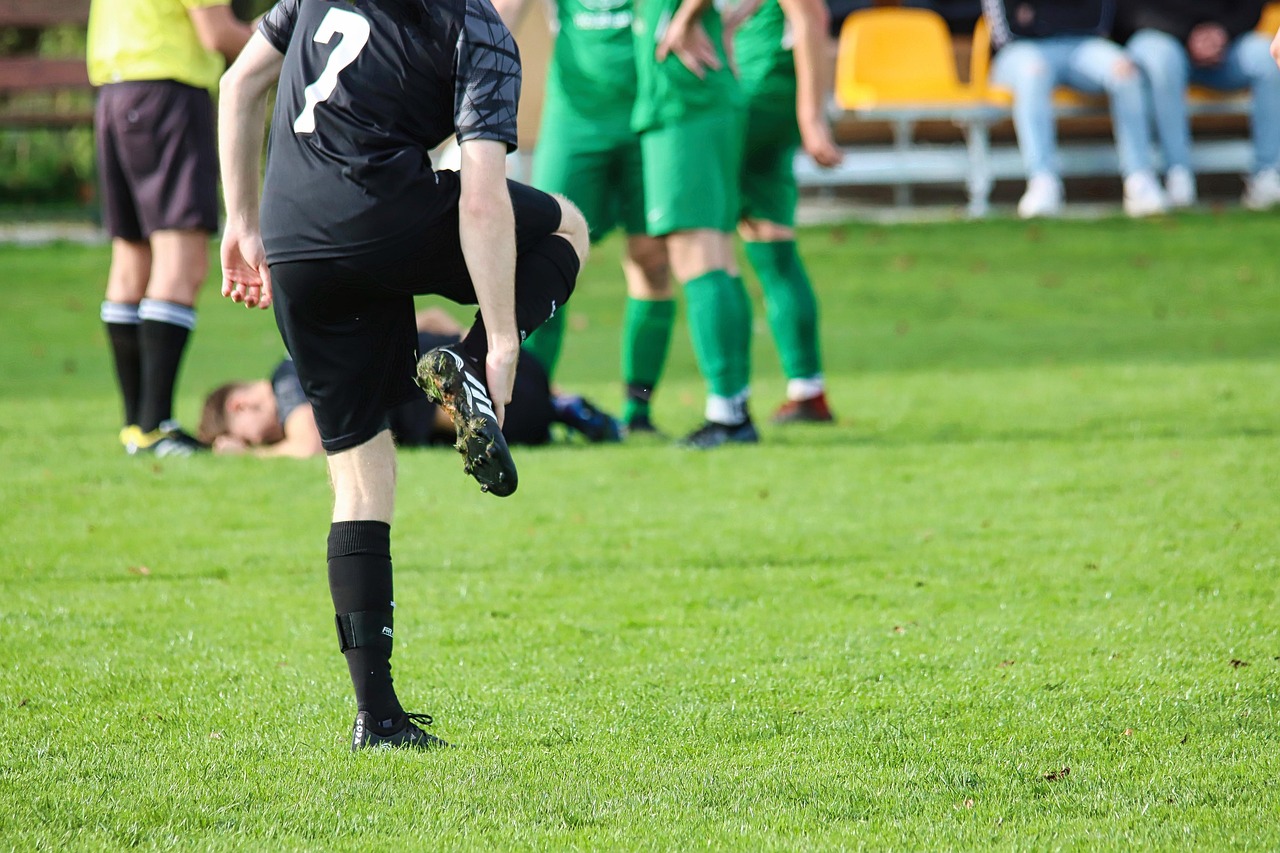
Substituting your in-form players won't cost you a championship, but an injury can sink a season, and we have seen that quite often. In a research paper by Milewski and colleagues, adolescent athletes who slept fewer than eight hours were more likely to be injured than those who didn't. Here, they focused mainly on young athletes, but it helped put sleep on the injury-prevention map.
When you look at professionals, the picture might be smaller but points in the same direction. Cook and Charest found only three recent studies on sleep and injury in professional athletes, so more research is needed to draw conclusions. One of them was Peacock and colleagues finding that mixed martial arts with irregular sleep schedules had more injuries. The sample might have been small, but it fits the larger pattern.
Game Night: Where Sleep Shows Up in the Stats
A study on the impact of sleep extension on the athletic performance of college basketball players is where the true sleep research in sports began in 2011. They found that college basketball players who extended their sleep improved their athletic performance. These athletes got faster in sprints and sharper in shooting. So, researchers do have some clues about sleep inside real games.
Research on 112 NBA players observed that late-night tweets affected players' shooting accuracy the next day. Similarly, the cycling study found that the top three finishers in a five-day race slept significantly more than the bottom three. Since the study observed only riders, it cannot prove cause and effect.
Another clue is reaction time. The research observed 86 male soccer players and found that poorer sleep quality went with slower reaction times and weaker perception. In simpler terms, a tired player sees the play later. And you need to be active in sports, since things are decided within inches and split seconds. This delay can cause missed goals, saves or whatnot.
Also read || Sega Genesis vs. Super Nintendo: Which Was Better?
Why Pro Athletes Struggle to Sleep
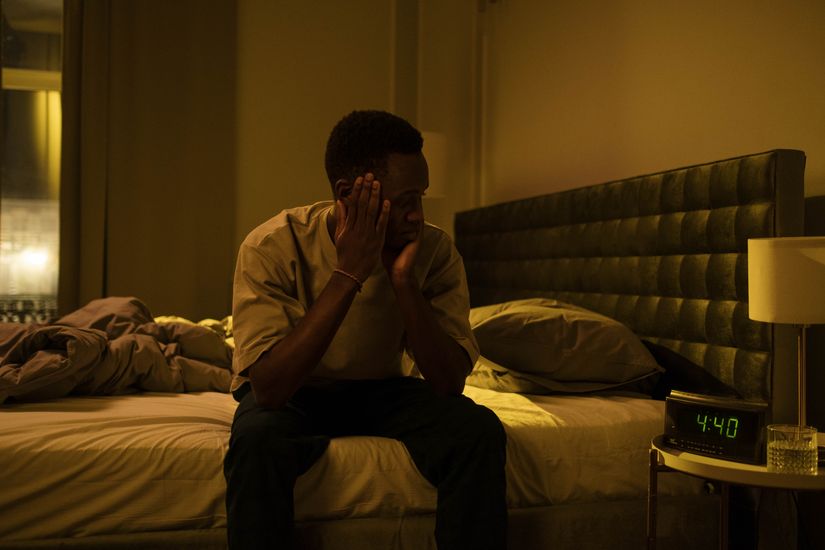
Interestingly, the people who need sleep most often get the least of it. Cook and Charest noted that adults need at least seven hours, yet many professionals fall short. In a study of 111 Qatari professional soccer players, it was found that 35.1 percent were sleeping fewer than seven hours. In another study about sleep and performance in Rugby, it was found that elite rugby players lost an average of 73 minutes of nightly sleep during preparation training.
Games make it even worse because of the adrenaline, late finishes and traveling, which keep athletes wired. In research on the sleep behaviors of Australian rules footballers, it was found that these athletes sleep about 2.5 hours less on competition nights than usual, and about 40 minutes less after evening games than after day games. Similarly, the survey of 184 rugby, netball and soccer players suggests that 68.5 percent of them had trouble sleeping after competing.
Caffeine and screens also play a vital role in players' performance. Most athletes sleep less due to late-night phone use, travel and caffeine. Multiple studies showed that rugby players who take caffeine before games sleep less and face delayed rest. Also, the late- night screens disrupt sleep. The biggest factor is traveling across different time zones, which hurts overall athletic performance.
Also read || Is Blue Light or Doomscrolling Ruining Your Sleep?
How Smart Teams Protect Their Rest and Lift Trophies
The good news is that sleep can be trained. In a study of 19 professional cricketers, players received their own bedtime, wake time and sleep targets. The group on the plan improved bedtime, time in bed and total sleep. While the early team meetings and training sessions kept some players from hitting their targets, it gradually improved and showed that coaches and schedules are equally imporant as athletes.
Naps are also helpful, as the rugby study suggests that 86 percent of 30 rugby union players napped before matches, and most believed it helped them play. However, a nap longer than an hour can leave you groggy and may hurt your night, and a nap right before a game can leave you sluggish, so one needs to hit a sweet spot where you can get refreshed without sleeping too much.
Education is another factor, but not enough on its own. The research says that sleep education improved rugby league players’ habits at first, but the gains faded after a month. Simple habits do count, whether it's a steady bedtime and wake time, a cool and dark room, or fewer bright screens after a certain time at night; consistency matters the most.
In simpler words, sleep alone won't win you a championship. A championship triumph is a combination of coaching, talent and depth, but it's your health that decides games. Athletes need to stay healthy, sharp and on the field for hours. The research will keep going, but these patterns are strong enough to act upon. Better sleep may not show up on the scorecard, but it can improve an individual's performance.