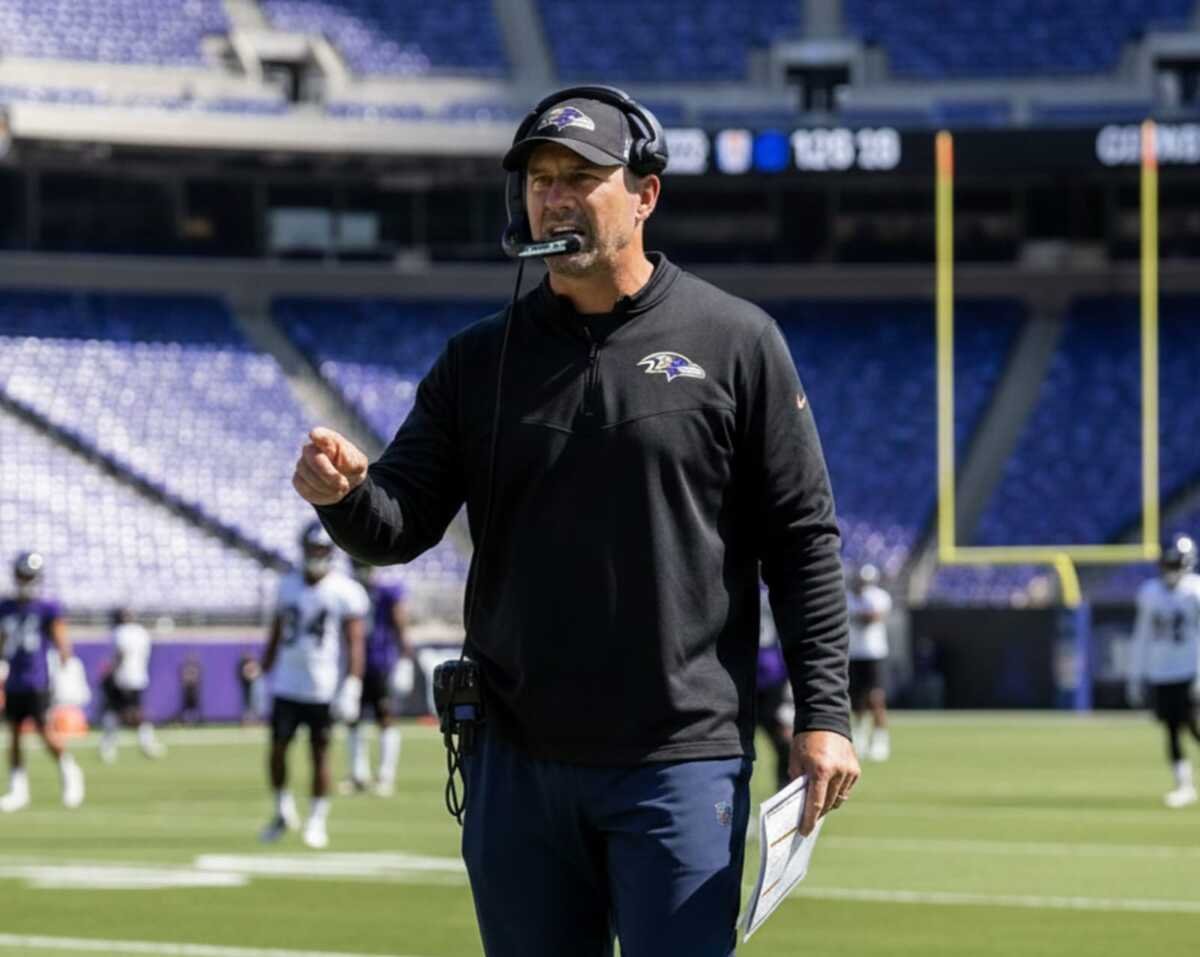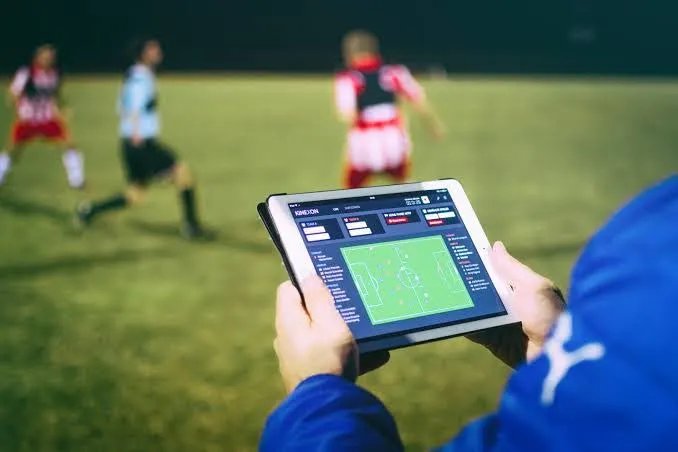
Every time you watch a match, you see coaching staff working on their laptops, analyzing situations and doing whatever they can to make their team win. Sports have moved beyond what you see on the scoreboard; it's about numbers, analytics, behaviors, and more. Whether it is the NBA, Premier League, NFL, or MLB, most top tournaments now rely on sports analysts and data scientists working alongside coaches.
Sports teams hire machine learning engineers, sports scientists, and data professionals as permanent workers of the organization. They are not there only for a season but for a longer period to make a meaningful impact on the team. In August 2025, SportsPro reported that internal AI adoption is a top priority for teams and leagues. These analytics departments are unlike traditional departments; many now function as multidisciplinary AI-driven divisions.
The multidisciplinary divisions build custom models for tactics, injuries, and scouting. These models are continuously updated, not just once a season, and the teams work directly with medical staff, recruitment teams, and coaches. In some cases, these departments have grown to be as large as some teams' entire scouting departments. And it's not merely a passing trend but a reality of hiring in sports. In May 2026, the Los Angeles Lakers were hiring for a Data Scientist in Basketball Data Strategy, with a primary focus on predictive modeling and player evaluation.
Also read || Five F1 Innovations That Shaped the Cars We Drive Today
Why Teams Are Building Their Own AI Capacity
While teams can outsource or hire a contract team instead of an in-house department, everything ultimately comes down to data volume and competitive edge. Every match generates millions of data points from optical tracking, GPS, and wearables that generic tools can't answer. So, when you have an in-house data team or AI lab, you have everything you need to improve your players as well as teams.
The industry overview from AI Buzz suggests that the global sports analytics market will exceed $5.68 billion in 2025 and reach $7.03 billion in 2026. While generic licensed software is available to every rival, proprietary models are far harder to copy. So, when you have an internal AI lab, you can have inputs from coaches, medical staff, scouts, and retrain systems for improving game strategy. For instance, in early 2026, Chelsea signed a multi-year partnership with industrial AI firm IFS to embed AI across performance, decision-making, and fan experience.
We may have called it a gimmick, but the adoption rate across the industry paints a different picture. In a February 2026 SportsPro report, 82 percent of sports organizations had adopted AI in some form. Out of them, nearly three-quarters reported tangible positive results. Many sports organizations believe AI will be a transformative technology for their teams over the next five years.
Also read || Top 10 Countries Leading the Global AI Race
What these AI labs are working on
Before talking about AI labs, let's understand why AI labs exist in sports. Does having an in-house lab affect the team's morale or performance? Let us understand several critical roles that AI labs play in modern-day sports. Here is what they do.
Injury and Load Management
Injuries and fatigue not only kill the hopes of a sports team but can also affect players' longevity. In these labs, heart rate, GPS data, session load, and injury history are combined to flag players who are moving towards exhaustion. When you know which players are prone to injury or fatigue, you can efficiently manage injuries and individual workloads. Mostly, it happens in team sports because a single weak link can change the fate of the game.
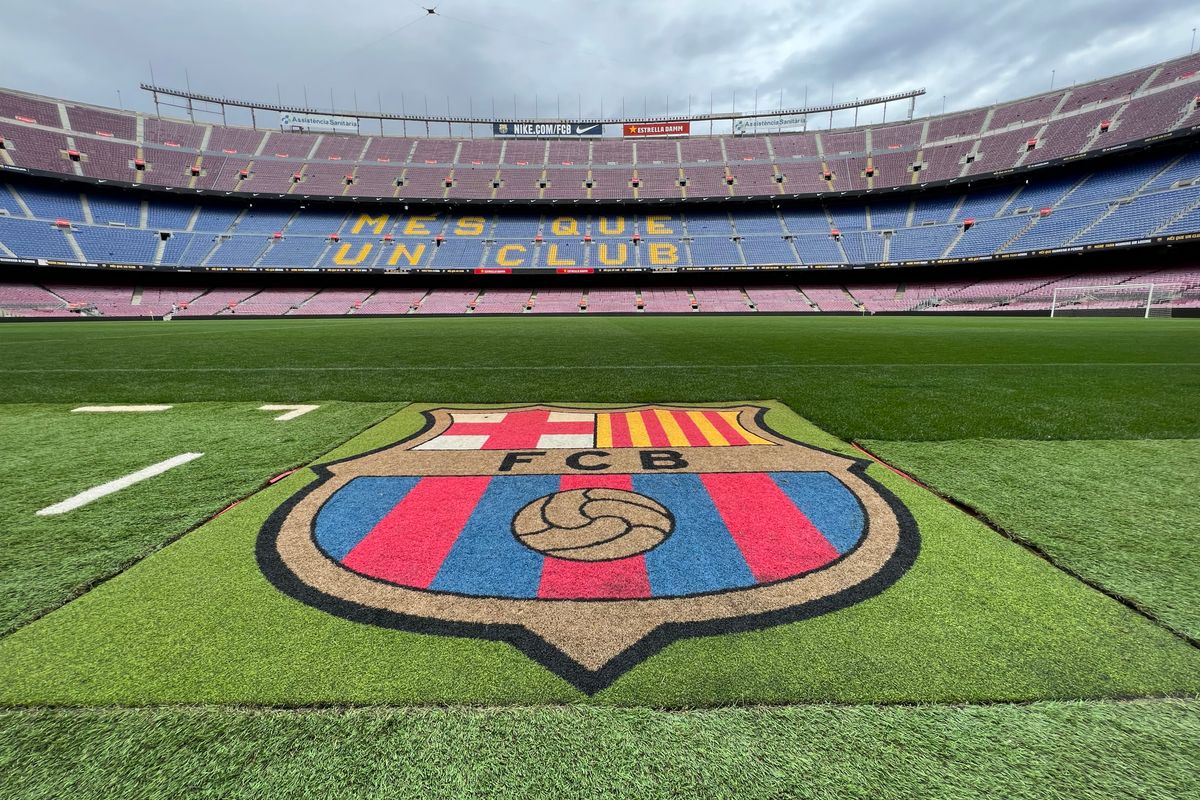
One of the biggest examples of injury and load management is FC Barcelona's Innovation Hub. They used four seasons of data (2019-2023) from the club's women's teams and built an AI framework that outperformed conventional classifiers in predicting injury risk and fatigue, helping the club identify possible bottlenecks in load and readiness.
Tactics and Performance
After injury and load management to avoid burnout and fatigue, managing performance and tactics is also critical. What AI labs do here is use tracking data to study triggers, defensive shape, and passing networks to make formation changes before the game.
For instance, the Barça Innovation Hub and Metrica Sports organized a hackathon in July 2026 where they asked participants to explore how AI could turn raw football data into tactical intelligence. The question caught the attention of different clubs and startups alike.
Scouting and Recruitment
Before AI, scouts had to travel extensively, visit players, and analyze their skills before scouting them for a club. But now, AI models allow recruiters and management to screen data of large numbers of players using video and tracking data.
With player evaluation and roster construction, teams not only know the game but also know how to evaluate players and build an unmatched squad. For instance, a Detroit Tigers machine learning engineer builds quantitative models for baseball operations.
Also read || AI Deepfakes: How They Broke Trust, and How We Rebuild It
Limits, Risks, and What Success Looks Like
Nothing comes without a risk or a limitation. It's important to note that most injury-prediction models are trained on small, single-team datasets, and not all teams are the same. Since these datasets have little to no external validation, decoding a general injury pattern is tough. Despite statistical accuracy, these labs have limited clinical usefulness due to differing methodologies.
Different coaches and staff have different interpretations, making interpretability a critical factor. In simple terms, raw data and interpretation are equally critical to a team's growth. Besides, richer clubs and teams have an advantage over smaller ones in building larger data and AI teams. So, fairness is also an important aspect. AI might be doing great for your team, but it raises real questions about competitive balance in sports.
Unlike sportspersons, AI labs will not get their due credit because they work behind the curtains, ensuring everything is right and optimized. They might be preventing injuries, influencing tactical decisions, and finding the best talent quickly, but they will never be part of the limelight. However, it is difficult to imagine modern sports leagues without analytics and smart data visuals.