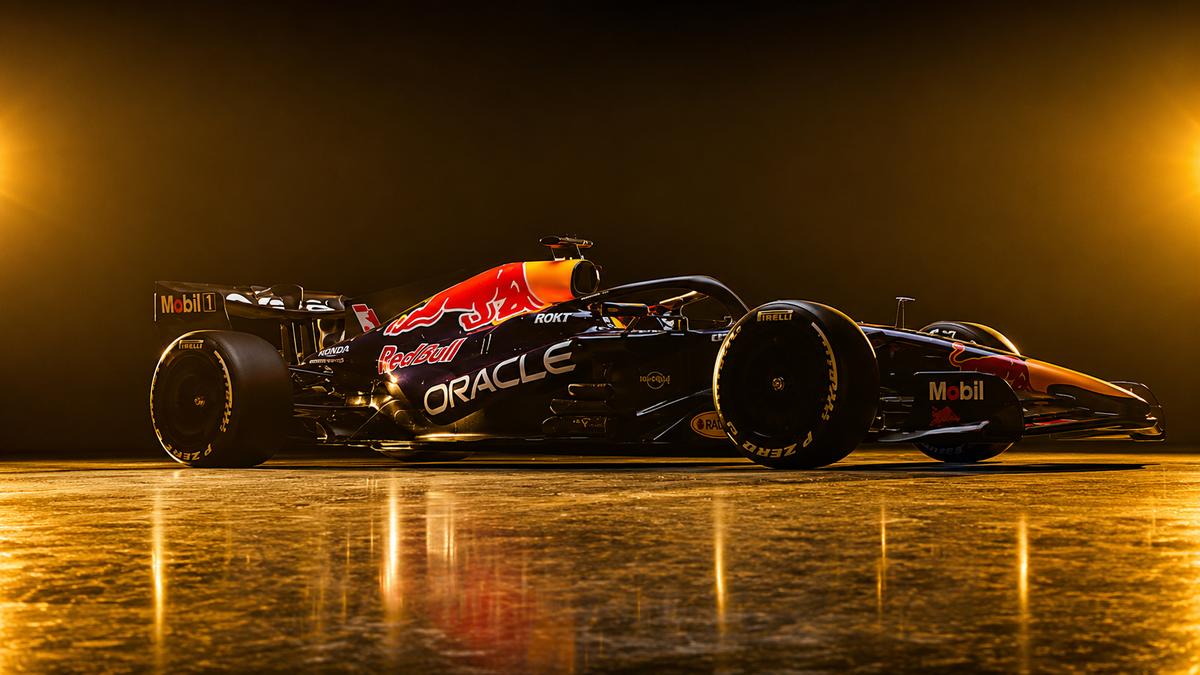
When most people think about Formula One, they picture lightning-fast cars, famous drivers, and dramatic races. Every race is a battle of speed, skill, and strategy, with the world's best drivers pushing their cars to the limit. But Formula One is much more than just a racing championship. It is also one of the world's greatest engineering laboratories. For decades, Formula One has served as a testing ground for new automotive technologies.
Because F1 teams have massive budgets and some of the brightest engineers in the world, they can develop ideas that would be too expensive or too risky for regular car manufacturers. Every tiny improvement matters in Formula One. A few hundredths of a second per lap can mean the difference between winning a championship and finishing behind. Many of the technologies created for Formula One were originally designed to make race cars faster, lighter, safer, or more efficient.
However, engineers soon realized that many of these innovations could also improve everyday road cars. Over time, these racing technologies found their way into sports cars, luxury vehicles, and even family sedans. Today, many features we use without thinking, such as paddle shifters, regenerative braking, and advanced suspension systems, can trace their origins back to Formula One. Here are five F1 innovations that changed the way modern cars are built.
Also Read: How Aerodynamics Changed Car Design After the 1970s
Paddle Shifters
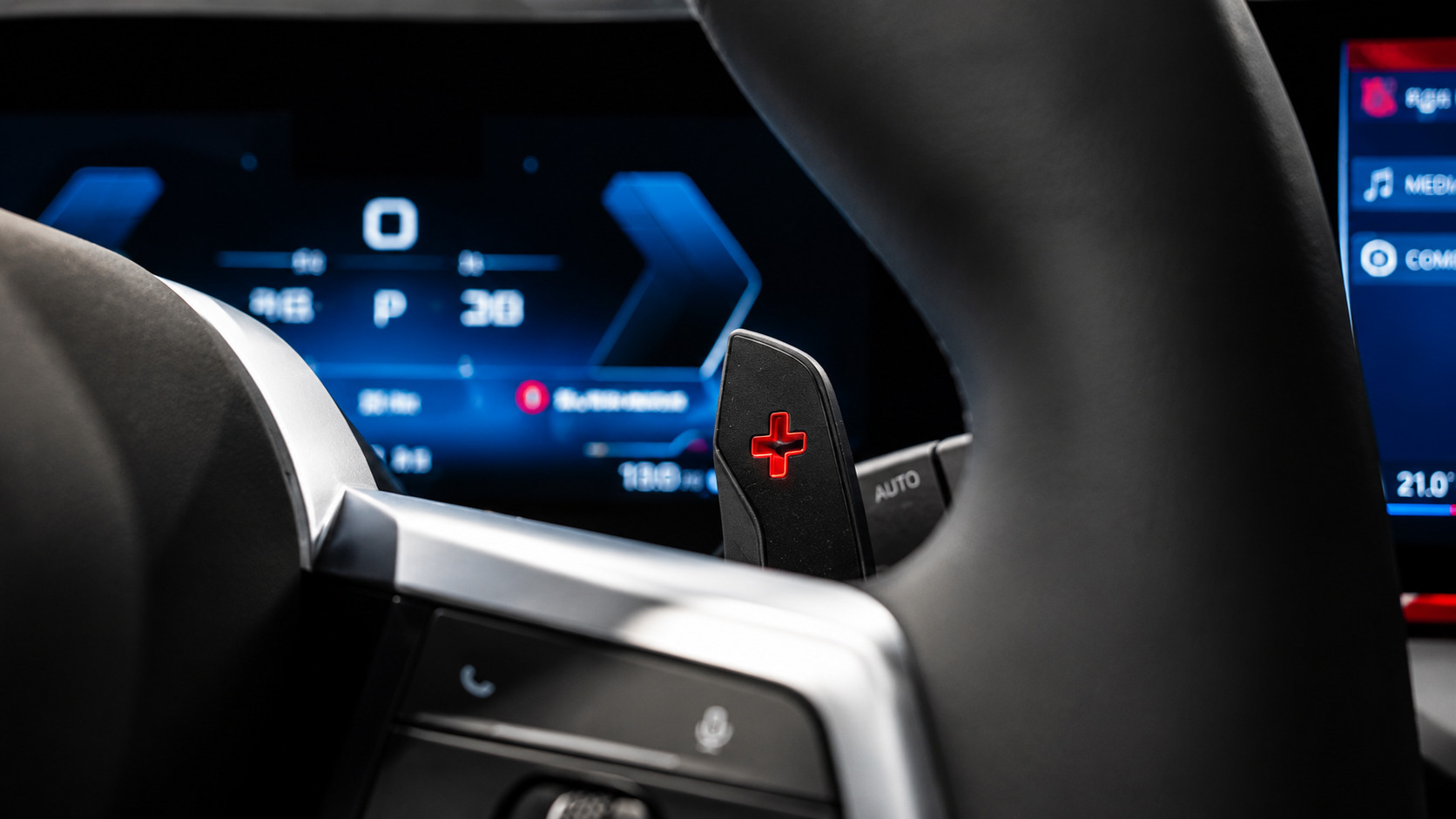
Changing gears may seem like a simple task, but it plays a huge role in how a car performs. In the early years of Formula One, drivers used traditional manual gearboxes just like those found in ordinary road cars. Every gear change required the driver to remove one hand from the steering wheel, press the clutch pedal, and move the gear lever. While this system worked well, it also took time and made it harder for drivers to maintain full control of the car during high-speed corners. Everything changed in 1989 when Ferrari introduced the Ferrari 640 Formula One car.
Ferrari engineer John Barnard believed there was a better way to shift gears. Working with ergonomics specialists from the University of Delft, he developed a new system that placed two small paddles behind the steering wheel. One paddle shifted the transmission into a higher gear, while the other shifted it into a lower gear. This new design offered several major advantages.
Drivers no longer had to remove a hand from the steering wheel, allowing them to maintain better control through corners. Gear changes also became much faster because the electronic system could complete a shift in a fraction of a second. Many people doubted the new technology at first. Early versions suffered from reliability problems, but Ferrari continued to improve the system. Soon, the benefits became impossible to ignore.
Faster gear changes meant quicker lap times, and before long, every Formula One team had adopted paddle shifters. Ferrari then introduced the technology to its road cars with the Ferrari F355 in 1997. Other manufacturers quickly followed, and today paddle shifters can be found on everything from affordable sports sedans to high-performance supercars. Even many SUVs and family cars equipped with automatic transmissions now allow drivers to shift gears manually using paddles behind the steering wheel. A technology once developed purely to help racing drivers became one of the most common features in modern performance cars.
Carbon Fiber
If there is one material that defines modern performance cars, it is carbon fiber. Today it is used for body panels, roofs, spoilers, wheels, and even entire vehicle structures. However, before Formula One embraced it, carbon fiber was considered an expensive material mainly used in aerospace engineering. During the late 1970s, most Formula One cars were built using aluminum chassis. They were relatively light for their time, but engineers wanted something even stronger and lighter.
Once again, John Barnard led the way. While working for McLaren, Barnard believed carbon fiber could completely change Formula One. He partnered with Hercules Aerospace, an American company experienced in advanced composite materials, to build the world's first Formula One carbon-fiber monocoque for the McLaren MP4/1. Many critics believed the new material would crack or shatter during a serious crash.
Their doubts disappeared during the 1981 Italian Grand Prix when driver John Watson survived a heavy accident thanks to the strength of the carbon-fiber chassis. The crash proved that carbon fiber was not only lighter than aluminum but also much stronger and safer. Compared with steel, carbon fiber offers exceptional strength while weighing far less, making it ideal for racing. Soon every Formula One team switched to carbon-fiber construction. The technology later appeared in McLaren's legendary F1 road car before spreading to Ferrari, Lamborghini, Porsche, and many other manufacturers.
At first, only expensive supercars could afford extensive carbon-fiber construction because production costs were extremely high. As manufacturing techniques improved, carbon fiber became more affordable. Today it appears in many sports cars, motorcycles, and even some everyday vehicles. While it is often used for roofs, hoods, or interior trim rather than entire chassis, Formula One proved that carbon fiber could transform automotive engineering forever.
Active Suspension
In Formula One, engineers are always searching for ways to improve grip, stability, and speed. One of the biggest challenges is keeping the car balanced while driving over bumps, curbs, and high-speed corners. Even small changes in the car's height or angle can reduce aerodynamic performance and tire grip. For many years, race cars relied on traditional suspension systems made up of springs and dampers. These systems worked well, but they could only react to changes in the road after they happened.
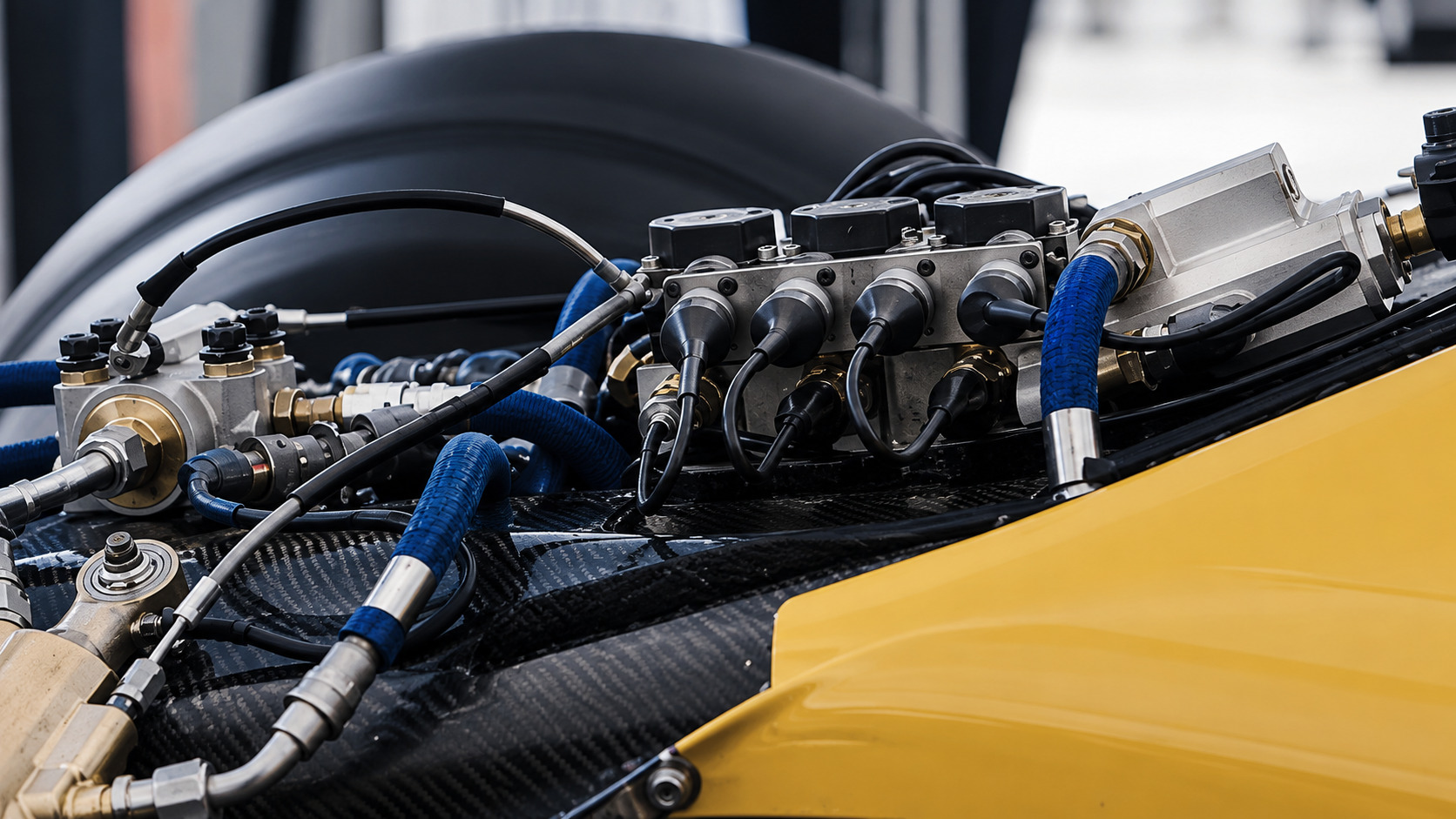
Engineers wanted a suspension that could predict and adjust to changing conditions in real time. That dream became reality in the early 1990s when Williams introduced one of the most advanced Formula One cars ever built, the FW14B. Designed by legendary engineer Adrian Newey, the FW14B featured an electronically controlled active suspension system. Instead of relying solely on mechanical parts, the suspension used hydraulic actuators, sensors, and a central computer that continuously monitored the car's motion.
The car could measure its speed, steering angle, braking force, and body position hundreds of times every second. Using this information, the computer adjusted the suspension almost instantly, keeping the car at the perfect ride height no matter what was happening on the track. This offered several major advantages. First, the car remained much more stable during hard braking and acceleration. Second, it maintained the ideal aerodynamic position, thereby generating more downforce. Third, the tires stayed in better contact with the track, improving grip through corners. The results were incredible.
During the 1992 Formula One season, the Williams FW14B dominated the championship. It was so much faster than its rivals that many races were won by huge margins. Other teams simply could not compete with the technology. Because active suspension gave such a large performance advantage, Formula One eventually banned it in 1994 as part of a wider effort to reduce electronic driver aids. Although it disappeared from Formula One, active suspension continued to evolve for road cars. Today, many luxury and performance vehicles use electronically controlled suspension systems that automatically adjust to changing road conditions.
Cars from brands like Mercedes-Benz, Porsche, Audi, BMW, and Cadillac can soften their suspension for comfort during everyday driving and stiffen it instantly during spirited driving. Some systems can even detect bumps before the car reaches them using cameras or sensors, preparing the suspension in advance for a smoother ride. What was once considered revolutionary Formula One technology has become a feature that makes everyday driving more comfortable and safer.
KERS
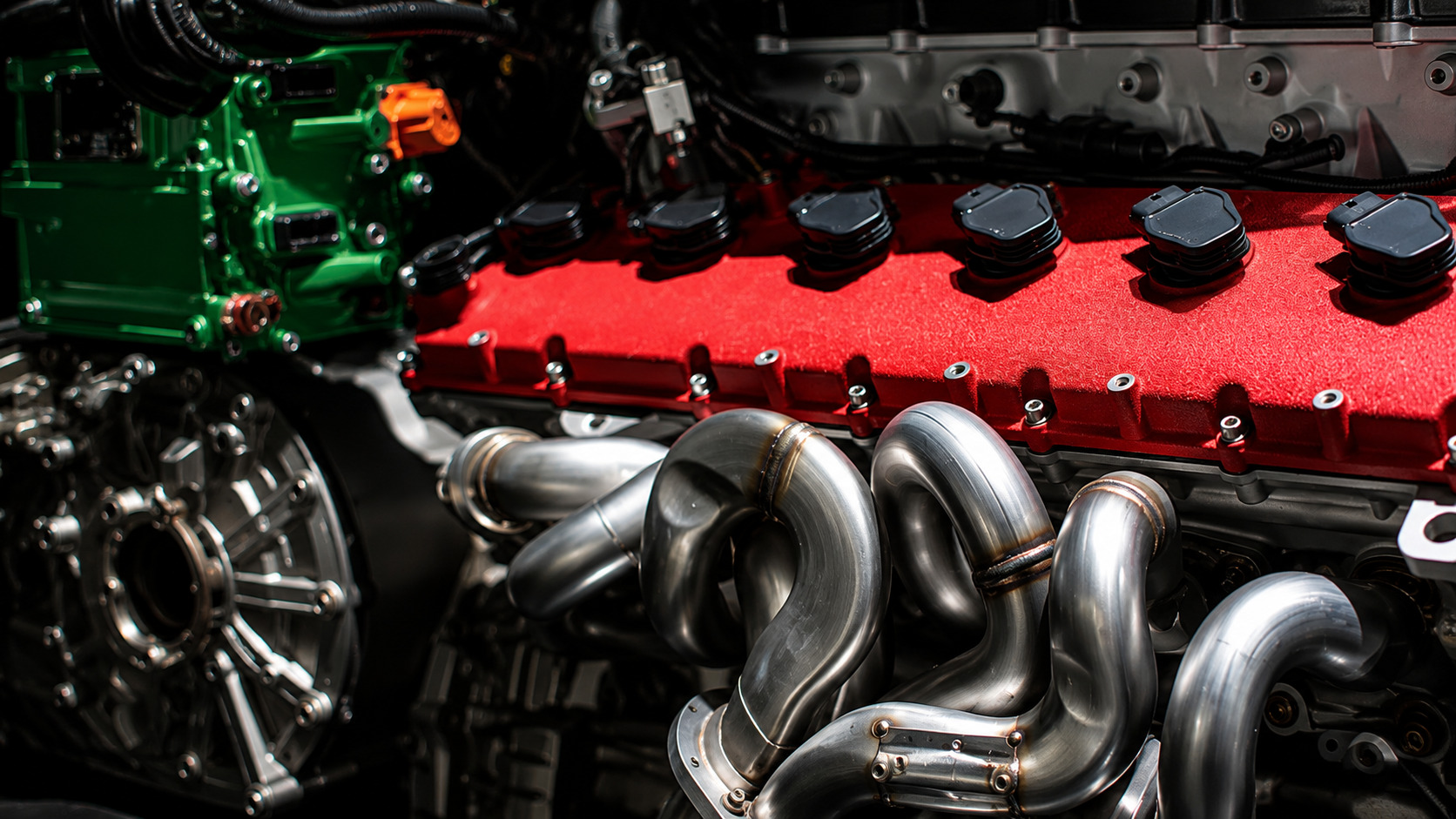
Modern Formula One cars are incredibly efficient machines. Although they produce well over 1,000 horsepower, they also recover energy that would normally be wasted. This technology began with the introduction of KERS, or Kinetic Energy Recovery System, in 2009. The FIA wanted Formula One to become more environmentally friendly while also making races more exciting. Engineers were challenged to find a way to reuse energy that normally disappeared during braking. Whenever a car slows down, its brakes convert the vehicle's kinetic energy into heat.
In a normal car, that energy is simply lost. KERS changed that. Instead of wasting the energy, Formula One cars captured it during braking and stored it for later use. Drivers could then press a button to release the stored energy, giving the car an extra burst of power for several seconds. This was especially useful when overtaking another driver or defending a position. There were two main types of KERS. The most common system used a Motor Generator Unit (MGU). During braking, the electric motor worked as a generator, converting the car's movement into electricity.
The electricity was then stored in a battery before being sent back to the drivetrain when extra power was needed. Some teams experimented with mechanical KERS instead. Rather than storing electricity, these systems used a rapidly spinning flywheel that stored rotational energy. When the driver wanted more power, the flywheel released its stored energy back into the drivetrain. Although Formula One eventually replaced KERS with even more advanced hybrid systems, its basic idea became extremely important for road cars. Today, almost every hybrid and electric vehicle uses regenerative braking.
Whenever you lift off the accelerator or press the brake pedal, the electric motor acts as a generator. Instead of wasting the vehicle's momentum as heat, it converts part of that energy into electricity and sends it back to the battery. This improves efficiency, increases driving range, and reduces wear on traditional brake components. Regenerative braking has become one of the biggest reasons why modern electric vehicles can travel much farther on a single charge than earlier designs. Without Formula One's work on energy recovery, today's electric cars might not be nearly as efficient.
Also Read: Five Cars from the 1980s That Defined Racing History
Hot V Engine Configuration
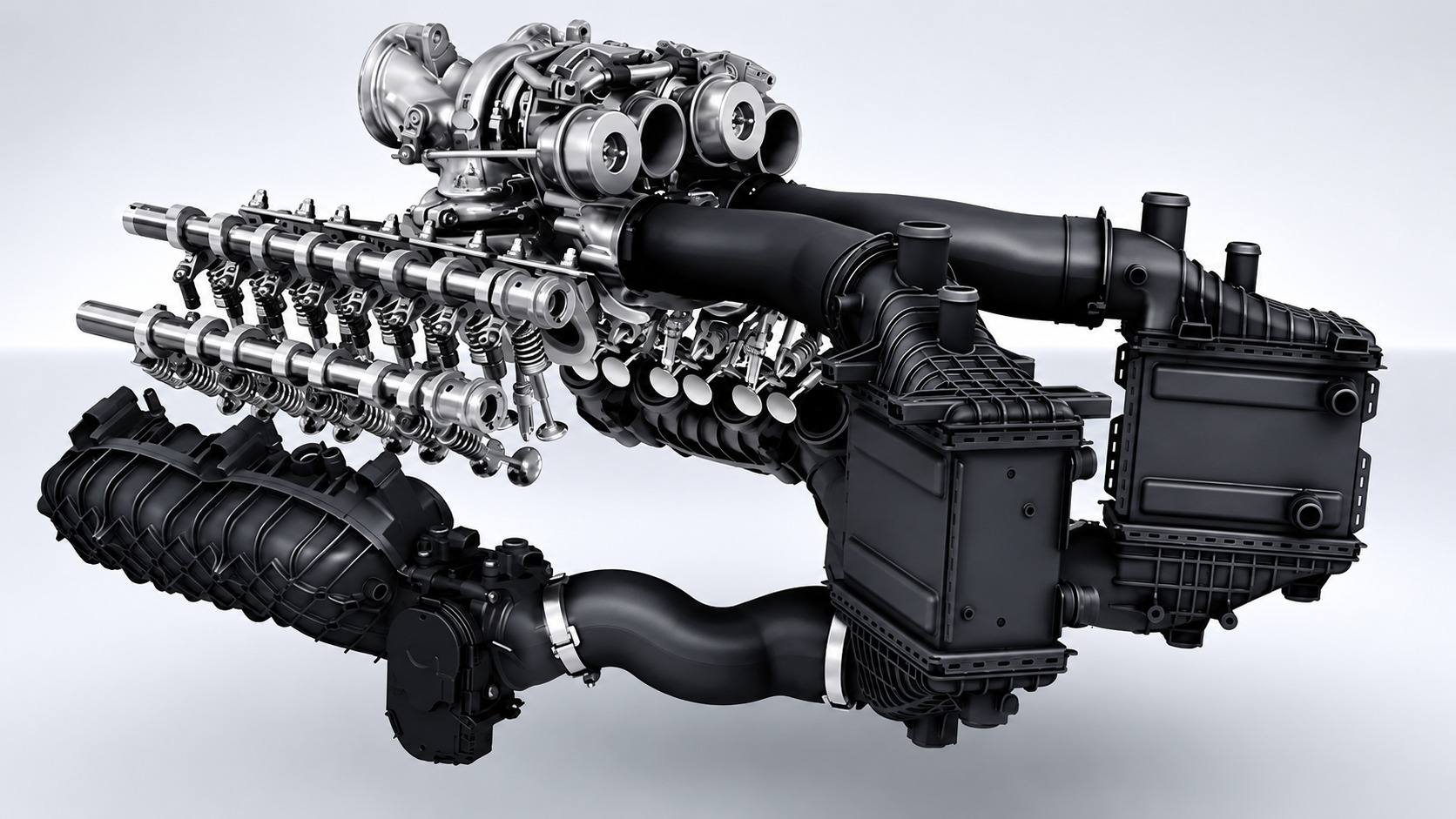
Turbochargers have become one of the most important technologies in modern engines. They allow smaller engines to produce much more power while using less fuel. However, turbochargers have always suffered from one major drawback: turbo lag. A turbocharger works by using hot exhaust gases to spin a turbine. That spinning turbine compresses fresh air before it enters the engine, allowing more fuel to burn and producing more power. The problem is that the turbine does not begin spinning instantly.
When the driver presses the accelerator, there is often a short delay before the turbocharger reaches full speed. This delay is known as turbo lag. For performance driving, even a small delay can make a car feel less responsive. Ferrari engineers looked for a solution while developing the 126CK Formula One car in the early 1980s. Instead of mounting the turbochargers outside the engine, they placed them inside the "V" formed by the two banks of cylinders. This layout eventually became known as the Hot V configuration. Although the idea sounds simple, it provides several important advantages.
First, placing the turbochargers closer to the engine shortens the distance that exhaust gases must travel before reaching the turbines. Since the gases arrive sooner, the turbochargers spin up more quickly, reducing turbo lag. Second, the compact layout allows manufacturers to build smaller engines that fit more easily into modern vehicles. Third, the turbochargers stay hotter because they are located in the center of the engine. Hotter exhaust gases contain more energy, allowing the turbochargers to work more efficiently. At the same time, the intake system can be positioned farther away from the heat, helping cooler air enter the engine. Cooler air is denser, allowing more oxygen into the combustion chamber and improving performance.
The result is faster throttle response, improved power delivery, and greater efficiency. Today, the Hot V layout is used in many high-performance engines, including those found in the Ferrari 296, Mercedes-AMG models, BMW M cars, Porsche vehicles, and several Audi RS models. While it remains mostly limited to premium performance cars because of its complexity and cost, the Hot V configuration demonstrates how Formula One engineering continues to influence the design of modern engines.
Formula One: The World's Fastest Research Laboratory
Formula One has always been about more than winning races. Every season, teams invest millions of dollars developing technologies that make their cars faster, lighter, stronger, safer, and more efficient. While many innovations are created to gain an advantage on the racetrack, the best ideas rarely stay there.
From paddle shifters that make gear changes nearly instant to carbon-fiber construction that improves safety and reduces weight, Formula One has repeatedly changed the automotive industry. Technologies like active suspension, regenerative braking, and advanced engine layouts prove that lessons learned during racing can eventually benefit millions of everyday drivers.
The next time you use paddle shifters, drive a hybrid vehicle, or read about carbon-fiber construction in a new sports car, remember that these features were not invented for city streets or highways. They were born on the world's toughest racetracks, where engineers constantly push the limits of what is possible.
As Formula One enters a new era focused on sustainability, electrification, and alternative fuels, it is almost certain that the next generation of road-car innovations is already being developed inside today's Formula One garages. Just as history has shown time and again, the technology of tomorrow often begins with the race cars of today.