The 1980s were one of the most thrilling decades in motorsport history, as manufacturers pushed engineering and performance to levels never seen before. Racing regulations were less restrictive than they are today, giving engineers the freedom to experiment with powerful engines, advanced aerodynamics, and groundbreaking technologies. This era produced some of the fastest and most unforgettable race cars ever built, machines that not only dominated their respective championships but also changed the future of motorsport. From rally racing and endurance battles to Formula 1 and NASCAR, the 1980s gave the world some of the most iconic race cars ever created.
Also Read: Kyle Busch Dies at 41: NASCAR Loses One of Its Greatest Drivers
Peugeot 205 T16
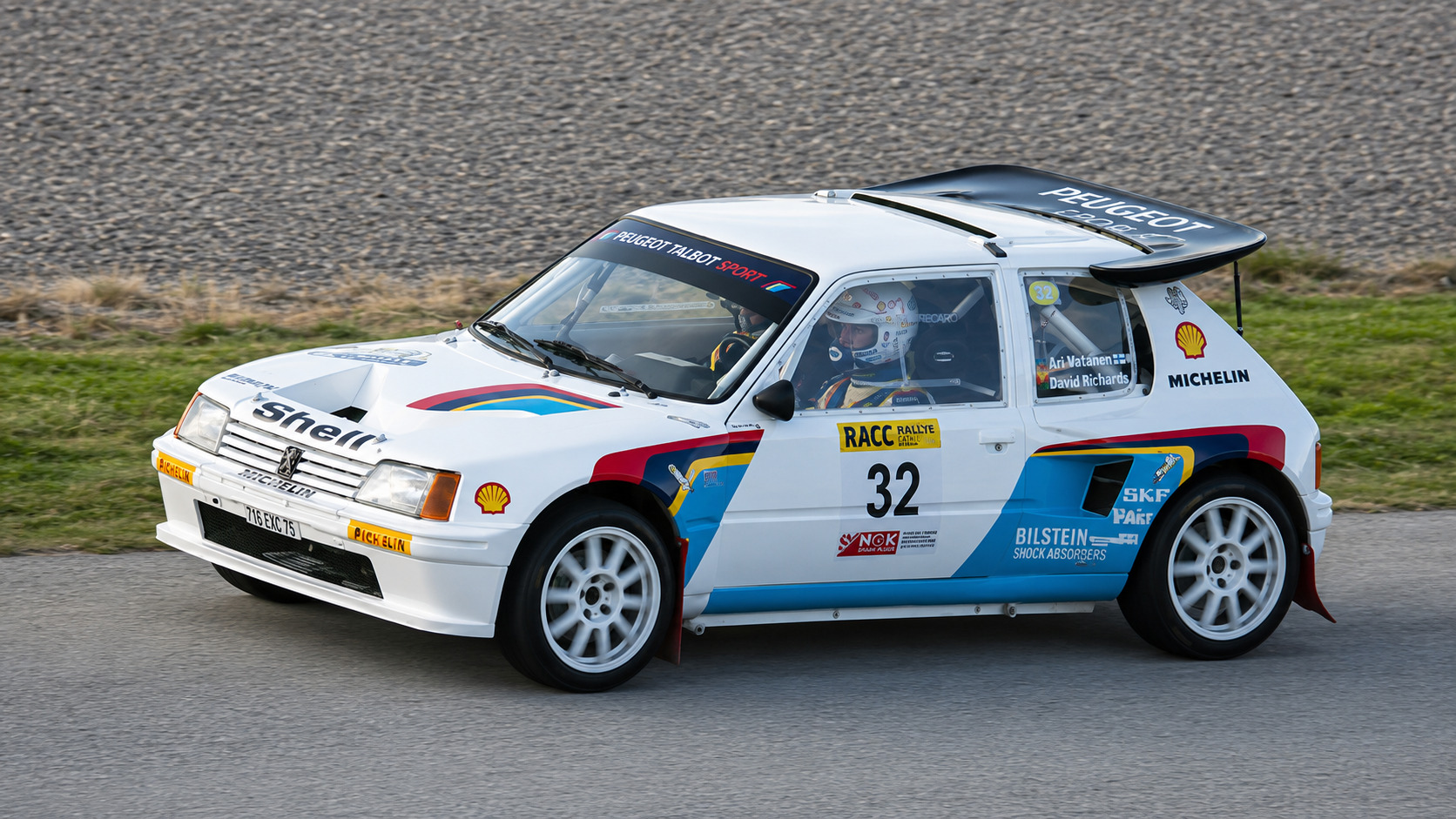
Few eras in motorsport are remembered with as much excitement as the Group B rally era of the 1980s. With minimal restrictions, manufacturers were allowed to create incredibly powerful and aggressive machines, making rally racing more spectacular than ever. Among the many legendary cars from that period, the Peugeot 205 T16 stands out as one of the most successful. Although it looked like a small hatchback, it was a highly advanced rally machine built for pure performance. It featured a mid-engine layout, all-wheel drive, and a turbocharged 1.8-liter inline-four engine producing more than 450 horsepower. This combination gave the car exceptional grip, balance, and agility, especially on difficult rally stages. Compared to larger rivals like the Audi Quattro, the Peugeot’s smaller size made it easier to control and faster through tight corners. Under the leadership of Jean Todt, the 205 T16 became a dominant force, winning 16 World Rally Championship events and securing two manufacturers’ titles. Even after Group B was banned in 1986 for safety reasons, the Peugeot’s influence remained visible in future rally car designs.
Porsche 962
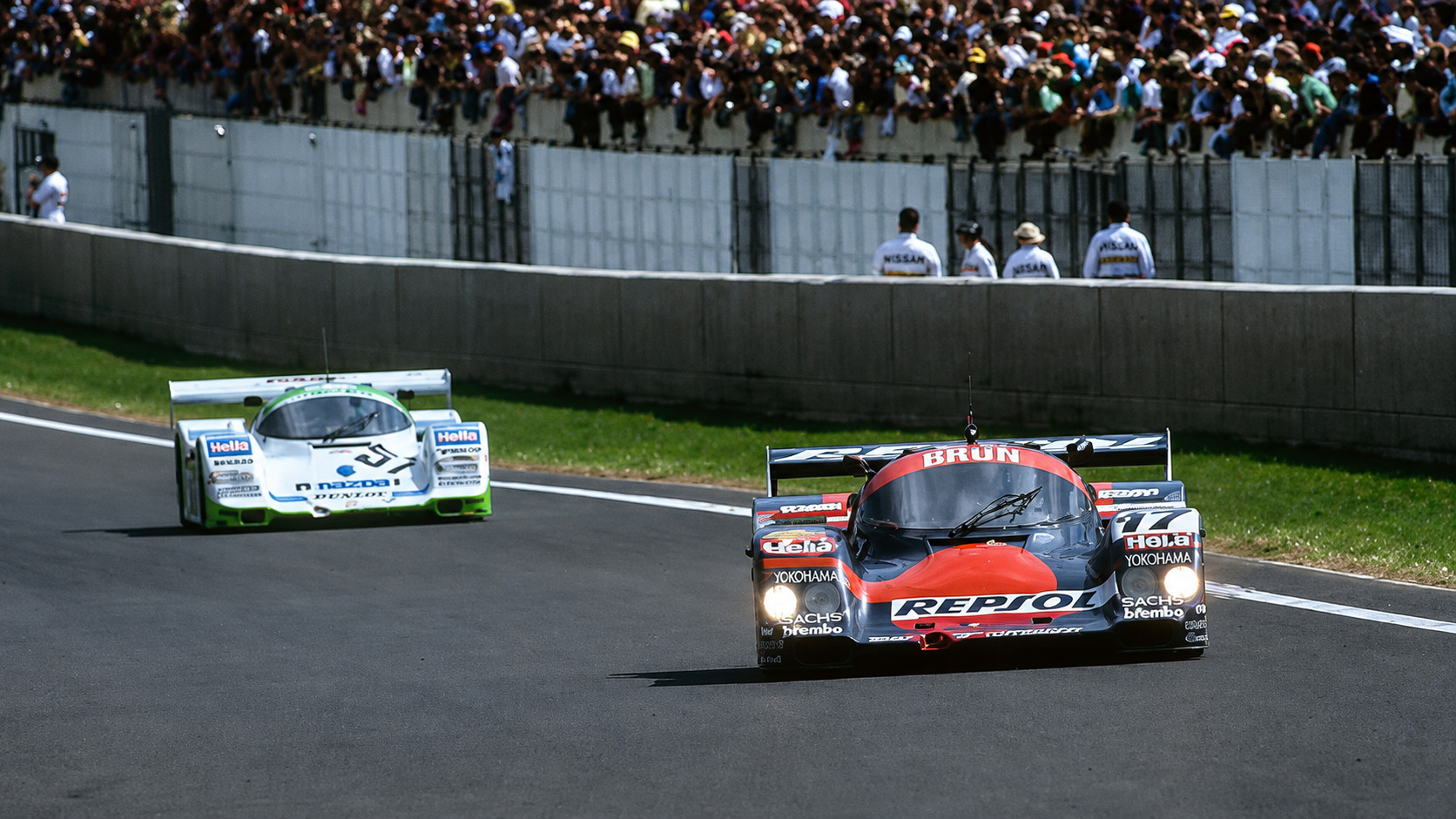
Endurance racing has always been one of the toughest forms of motorsport, demanding not only speed but also durability and reliability over long-distance events like the 24 Hours of Le Mans and the 24 Hours of Daytona. In this demanding world, the Porsche 962 established itself as one of the greatest race cars ever built. Introduced in 1984 as an evolution of the Porsche 956, the 962 was developed to meet updated safety regulations while maintaining the performance that made Porsche so successful. The car featured advanced aerodynamics, exceptional reliability, and massive power, with later versions producing as much as 800 horsepower from a turbocharged 3.0-liter engine. Beyond performance, the Porsche 962 also introduced innovative technologies, including the early development of the dual-clutch transmission system that later became common in road-going Porsche models. Its success on the track was remarkable, with 54 IMSA race wins, five victories at Daytona, and multiple wins at Le Mans. The Porsche 962 remains a symbol of endurance racing excellence and one of the most respected race cars in motorsport history.
Ford Thunderbird ‘Aero-Bird’
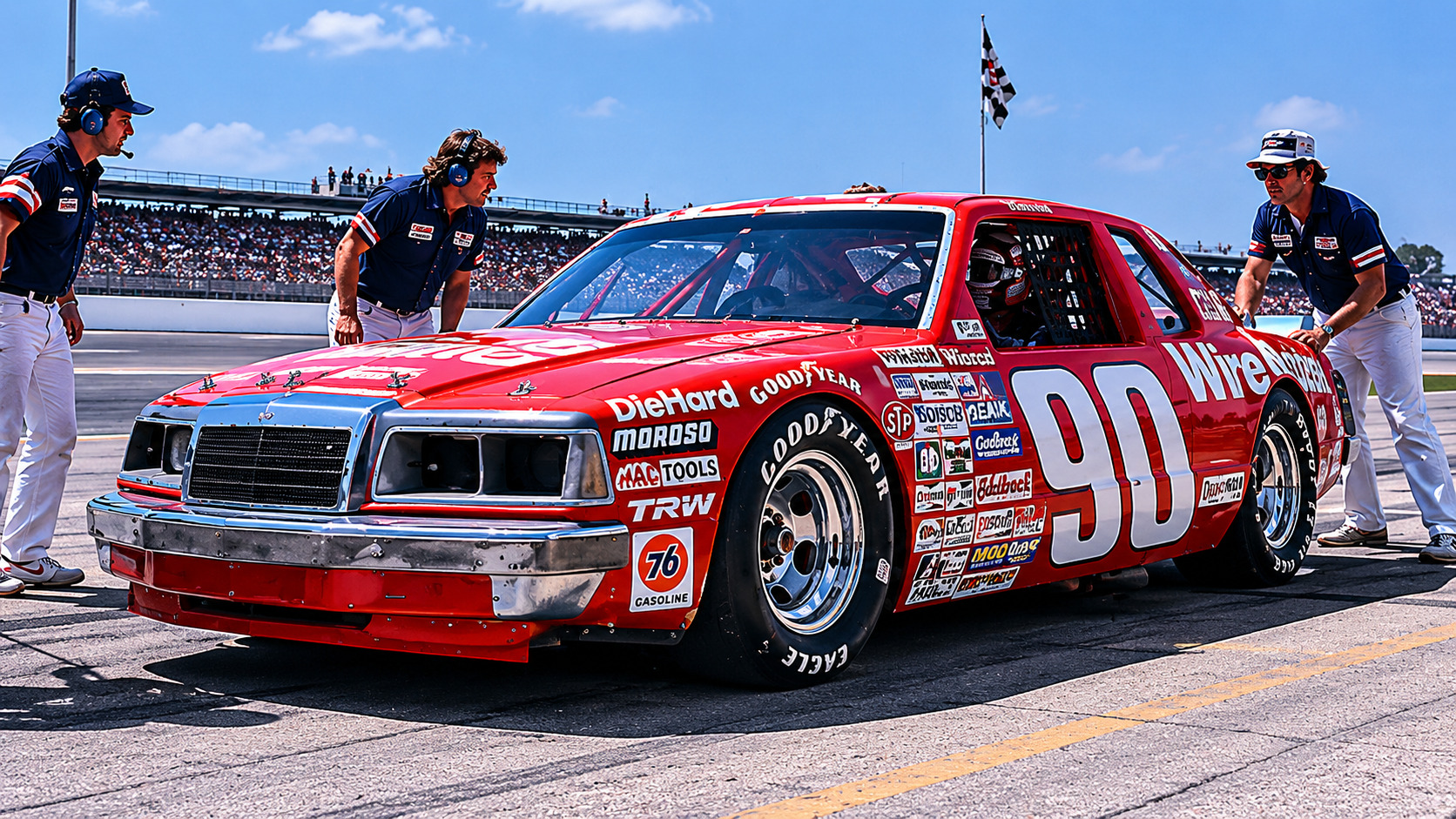
Aerodynamics have always played a role in motorsport, but the Ford Thunderbird completely transformed NASCAR’s approach to performance in the 1980s. Before its arrival, NASCAR cars were generally boxy in design, relying more on engine power than aerodynamic efficiency. Ford changed that with the redesigned 1983 Thunderbird, which quickly earned the nickname “Aero-Bird.” Unlike earlier aerodynamic experiments such as the Plymouth Superbird, which used dramatic wings and nose cones, the Thunderbird achieved its advantage through a cleaner, smoother, and more sculpted body shape. This subtle but highly effective design allowed it to move through the air more efficiently, giving it a significant speed advantage over rivals. The results were immediate, with the Thunderbird becoming one of the fastest stock cars of its era. Its most famous moment came in 1987 when Bill Elliott set the fastest qualifying speed in NASCAR history at Talladega, reaching an incredible 212.809 MPH. The Thunderbird’s success forced competing manufacturers to redesign their own cars, permanently changing NASCAR and shaping the aerodynamic principles that still influence the sport today.
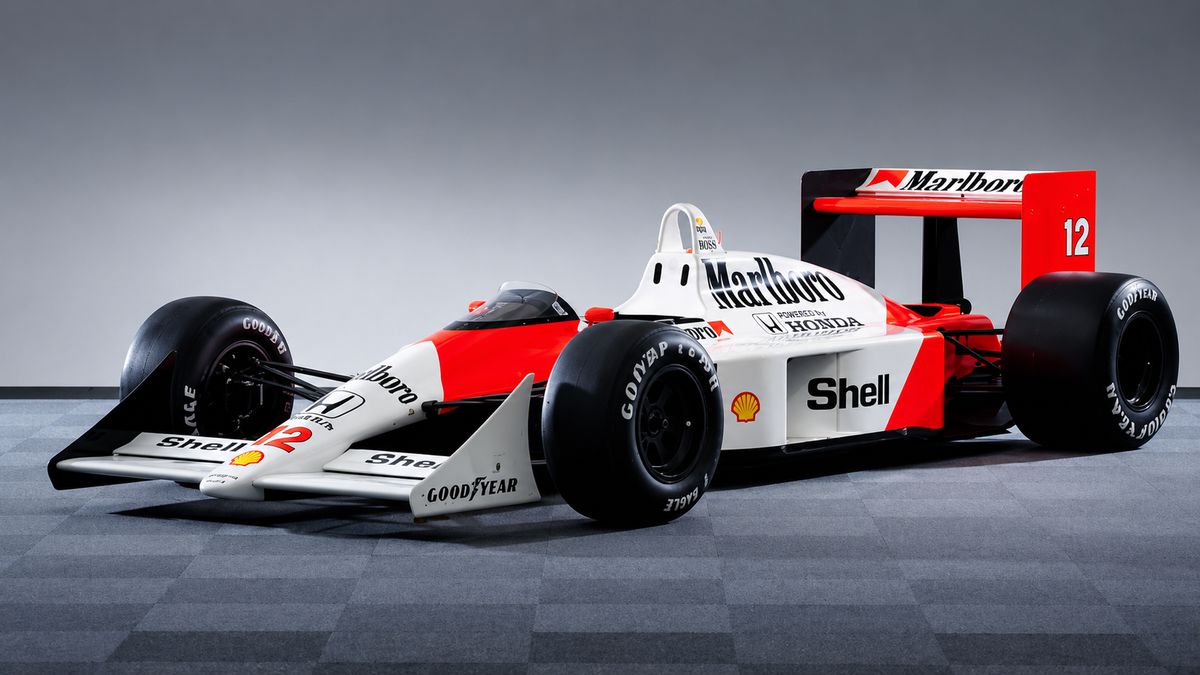
McLaren MP4/4
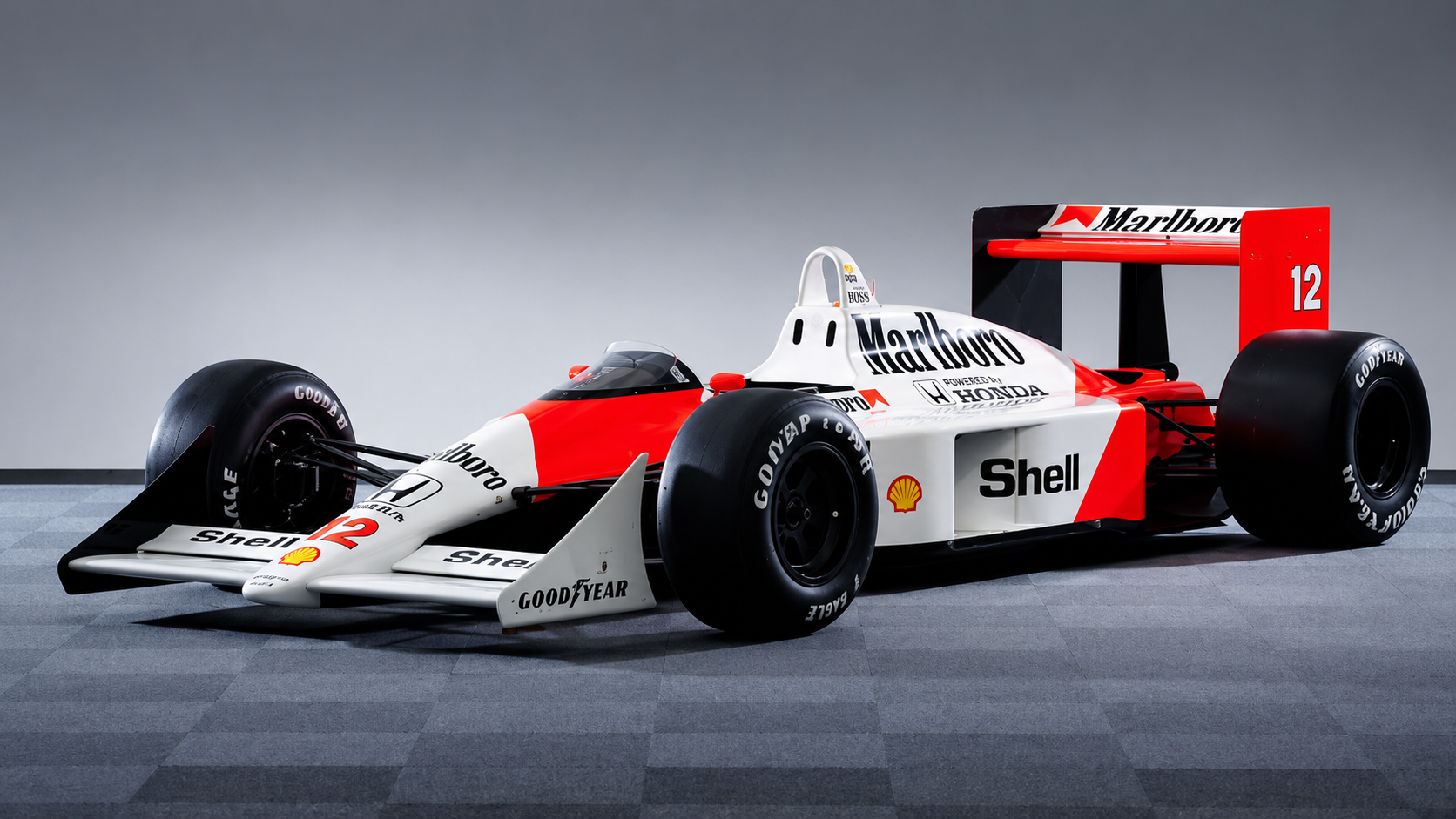
Formula 1 has always represented the highest level of motorsport, attracting the world’s greatest drivers and engineering talent. Among all the legendary F1 cars ever created, the McLaren MP4/4 remains one of the most dominant. Built for the 1988 Formula 1 season, the MP4/4 arrived at the perfect moment, during the final year of the turbocharged engine era before the technology was banned until its return decades later. Powered by a 1.5-liter turbocharged Honda V6 engine producing around 685 horsepower, the car combined impressive power with exceptional engineering. What made the MP4/4 especially unique was its extremely low-slung design, created by renowned engineers Gordon Murray and Steve Nichols. This design lowered the car’s center of gravity, improving balance, handling, and aerodynamic efficiency. Combined with the talents of Ayrton Senna and Alain Prost, two of the greatest Formula 1 drivers in history, the MP4/4 became nearly unbeatable. During the 1988 season, McLaren won 15 out of 16 races, with Senna claiming his first world championship and Prost contributing seven victories. The MP4/4 remains one of the greatest examples of Formula 1 engineering perfection.
Also Read: Alex Honnold: From El Capitan to Taipei 101
BMW M3 E30
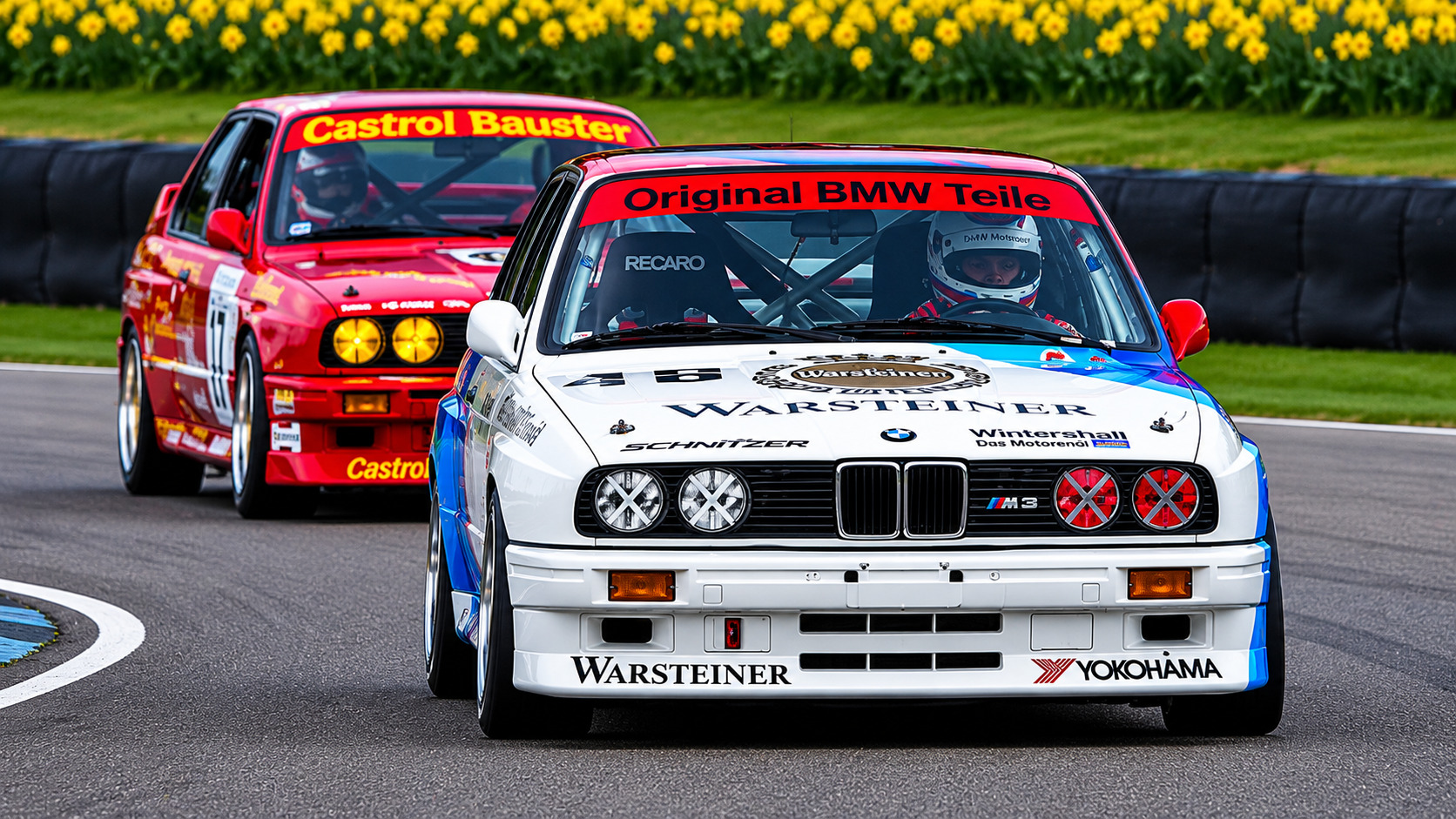
Not every legendary race car relied on overwhelming horsepower, and the BMW M3 E30 proved that precision engineering, balance, and handling could be just as effective. Introduced in 1986, the E30 was the first car to wear the now-famous M3 badge, beginning one of the most iconic performance car lineups in automotive history. Built as a homologation special for Group A touring car racing, BMW was required to produce at least 5,000 road-going versions, meaning the street car remained very close to its racing counterpart. The race version was powered by a 2.3-liter inline-four engine producing around 300 horsepower, while the road-going model delivered approximately 200 horsepower. More importantly, the M3 featured race-inspired suspension, excellent handling, and aerodynamic improvements that made it highly competitive. The car became a dominant force in championships such as DTM and WTCC, where its agility often allowed it to outperform more powerful competitors. Beyond its racing success, the BMW M3 E30 became a cultural icon, proving that intelligent engineering and driving dynamics could create a true motorsport legend.