Alex Honnold free soloed El Capitan in 2017 and Taipei 101 in 2026. Here's the neuroscience and preparation discipline behind the world's greatest free solo climber.
Free solo climbing is one such sport, where you can either succeed 100%, or the alternatives are severe injury or death. So, when you see a 40-year-old man climbing the most difficult peaks, it's naturally astonishing and inspiring. Alex Honnold is the man we're talking about. The Nevada-based American rock climber is considered the world's most accomplished free solo climber.
But how did he achieve it? The answer lies in a 10-letter word, which is "discipline". Growing up in Sacramento, California, Alex had an indoor gym at age five. He was not seeking reckless thrills, but it was his unique brain condition that made him the G.O.A.T of free soloing. When his brain scans were researched, it was found that his amygdala shows abnormally low activity even when exposed to danger. In easy words, his brain does not trigger panic signals the way most people do.
Also read || Kyle Busch Dies at 41: NASCAR Loses One of Its Greatest Drivers
You can call it a neurological win, but that would be an injustice to his story. Every climb is a military-grade mission for Alex. His hand position, foothold, and each transition are rehearsed hundreds of times with ropes before he removes them. Thus, when he is on the wall without any protective gear, there is no guesswork, and every move is pre-decided.
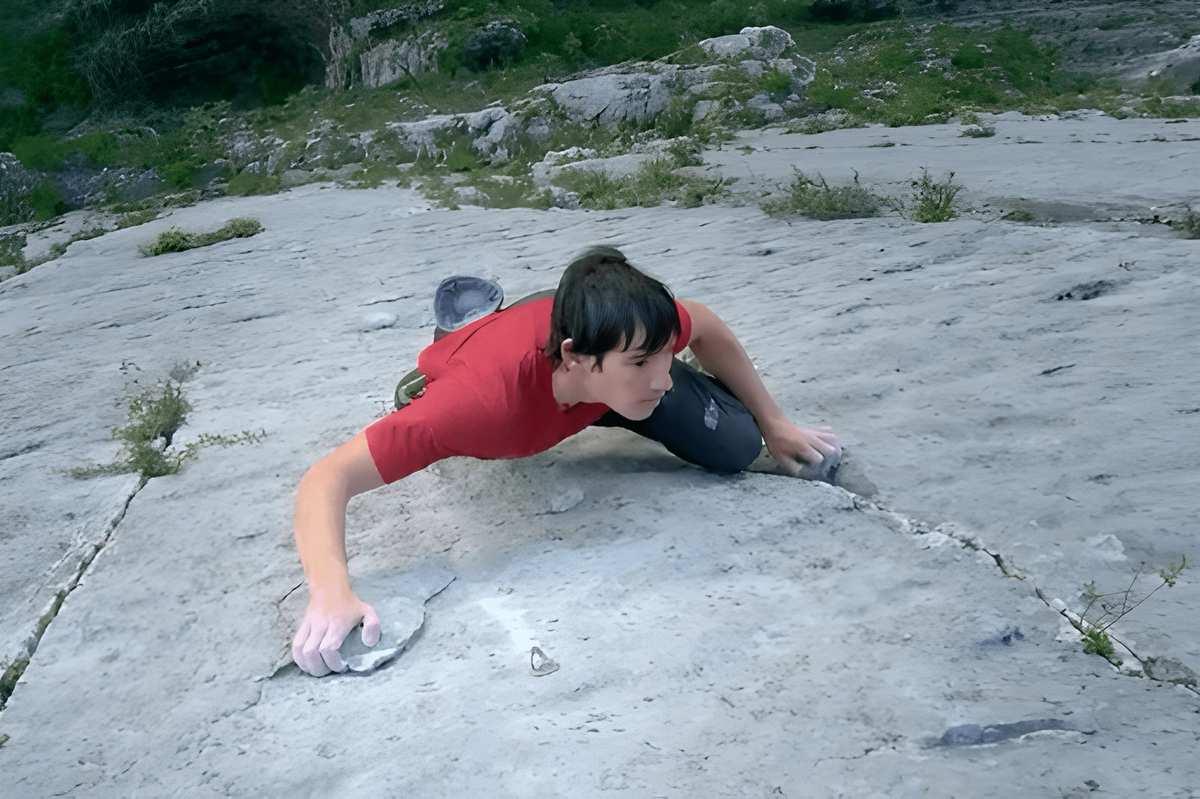
Becoming the best at free soloing was not an overnight success. From that indoor gym, he moved gradually to outdoor routes, solo ascents of smaller walls, and then big objectives. When he climbed that 1,200-foot Moonlight Buttress in Zion National Park in 2008, it was a sign of what he was quietly building toward. What might have looked extraordinary was one of the initial steps for Alex Honnold.
El Capitan — Where the World Took Notice

9 years later, Alex free soloed the Freerider route on El Capitan in Yosemite National Park on June 3, 2017. Climbing that 3,000 feet of sheer granite, rated 5.13a, was among the most technically demanding tasks on the rock. Within 3 hours and 56 minutes, Alex completed his climb without a rope, a harness, or any protective gear. El Capitan was the climb; no climber had done it before him, at any pace, under any conditions.
The pivotal point of his life came when the 2018 documentary "Free Solo" was featured and won the Academy Award for Best Documentary Feature. Directed by Elizabeth Chai Vasarhelyi and Jimmy Chin, Free Solo brought Alex's climbs to a global audience and changed people's perception of "humanly impossible tasks". People realized that becoming Alex Honnold takes a lot of obsessive planning, years of mental rehearsal, and a different relationship with fear.
Also read || Can Arsenal Finally Win the UCL This Season?
Alex Honnold Free Solos Taipei 101
You can claim that climbing natural summits is relatively easy because of their texture and everything. However, when you witness a human climbing a glass and steel structure without ropes or harnesses, anyone can have a 'heart-popping experience.' Alex made history by climbing Taipei 101 on January 25, 2026, which was broadcast live on Netflix as Skyscraper Live.
Taipei 101 was once the tallest building in the world. With 101 floors above ground and five basement levels, this 1,667-foot skyscraper looked like an impossible task, until Alex became the first person ever to do so without ropes or protective gear. This climb was originally scheduled for January 24, but was delayed for 24 hours due to rain-dry conditions on the building's exterior.
In 1 hour and 35 minutes, he completed one of the most extreme urban free solo climbs in the history of climbing. Alex scaled the southeast corner through three distinct phases: the lower facade, 64 floors of overhanging bamboo-box segments. The most difficult part was resting on narrow balconies and a wind-battered metal spire at the summit. Even Alex claimed it was "very windy" at the post-climb conference.
Also read || Do You Have to Be a Millionaire to Become an F1 Driver?
How Alex Honnold Approaches Climbing
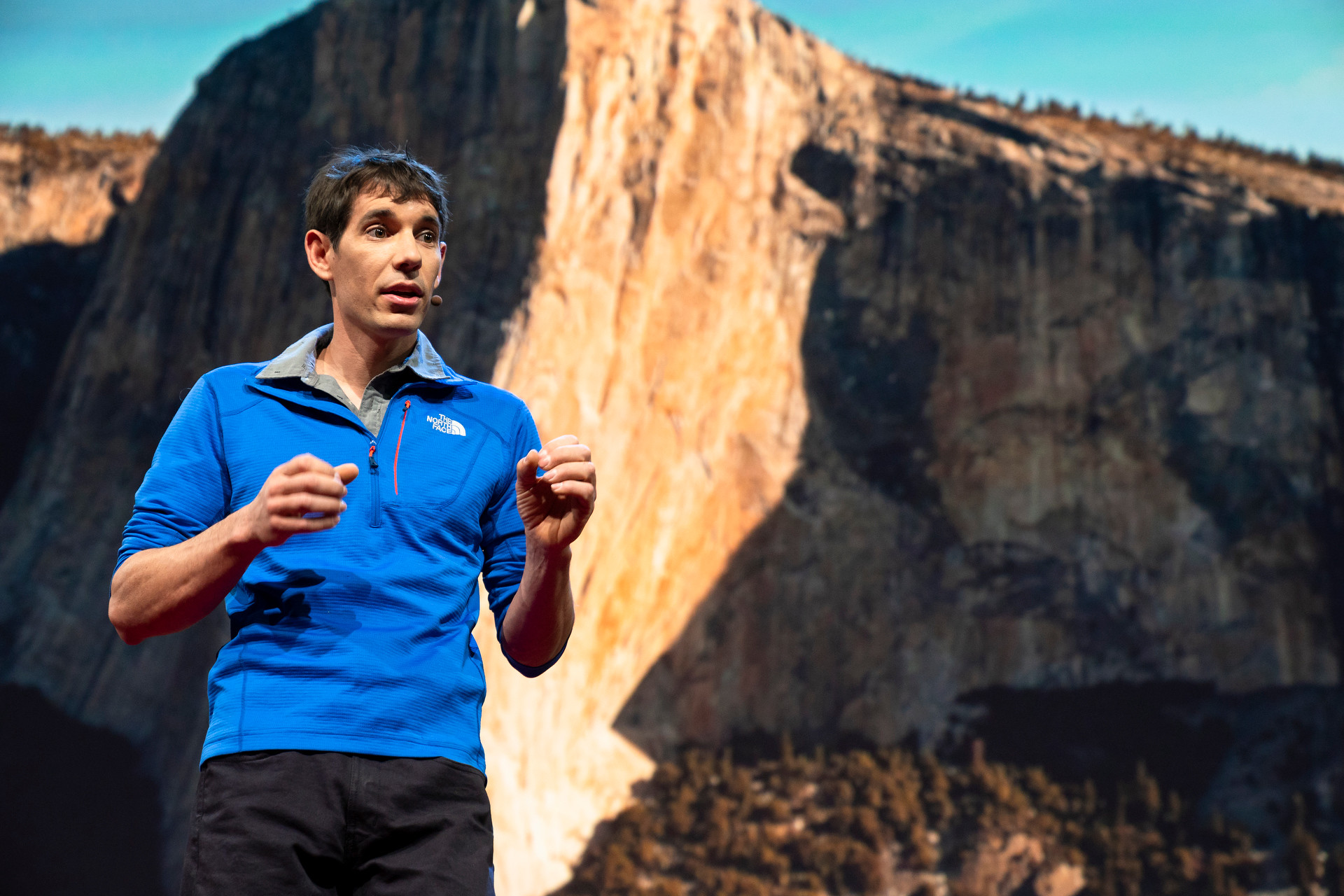
When you look at Alex's career from a distant view, everything trickles down to one foundation, which is "preparation for uncertainty". He spent weeks studying Taipei 101, studying the building's geometry, identifying grip points on glass and steel, and rehearsing each architectural phase. The bamboo-box overhangs are unique to the tower's design and demanded techniques different from conventional rock climbing. But Alex had a solution for every movement.
Apart from climbing the most difficult walls, Alex is running the Honnold Foundation, a nonprofit that funds solar energy projects in underserved communities worldwide. He also co-hosts the Planet Visionaries podcast, which launched its fifth season in October 2025. What he does in climbing is that he identifies every variable, eliminates uncertainty, and executes.
Also read || Carlos Alcaraz: The Rise and Dominance of the Next Tennis Titan
Alex Honnold's journey is not a representation of the glorification of danger but the systematic elimination of it. Free soloing a 1,667-foot skyscraper is no small feat, and is a spectacle, but underneath it is the same athlete who spent years studying granite at Yosemite National Park. Whatever he does, he pours his heart into it, which shows what good preparation can achieve.