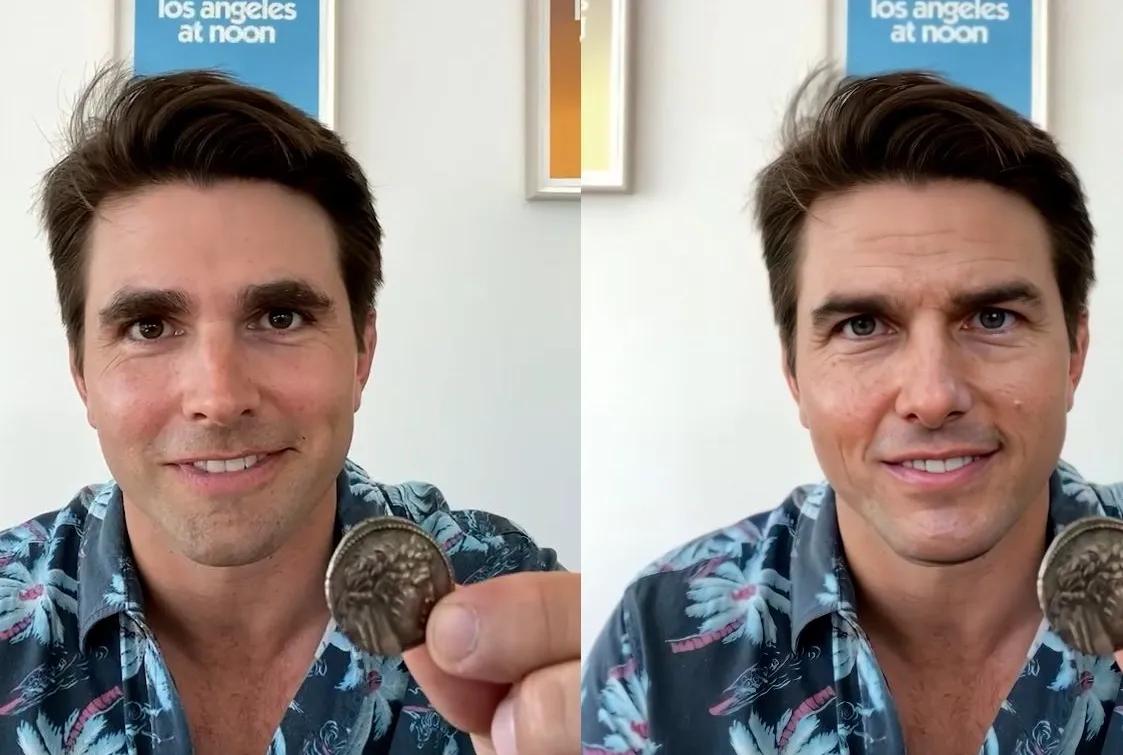
You may have come across photographs or audiovisual content that shows people saying or doing things that never happened. That's what a deepfake is. Dr. Nadia Naffi of UNESCO stated that it's not just a fake-content problem; it is a "crisis of knowing". Whether it is Ukraine, the United States, or the Indian subcontinent, there have been several episodes of disinformation by mainstream news channels, where they aired unverified footage that turned out to be AI-generated.
At this point, people are doubtful whether any recording can be trusted at all or not. For decades, videos and photos were treated as solid proof in newsrooms, courtrooms, and casual arguments. According to Fotoware, generative AI tools can now produce images and videos that look cleaner than the real footage, so viewers can no longer judge authenticity just by how polished something looks.
People may think of deepfakes as a technical crisis, but it's a social one. In a UNESCO article, deepfakes are eroding "epistemic trust". It means you can't trust the sources and processes on which societies rely to produce knowledge in the first place. Visual proofs can't settle arguments since any clip can be manufactured, and that uncertainity is reshaping everything. Whether it is politics, workplaces, healthcare, or family life, deepfakes are pushing people to rethink how they consume content.
Also read || This Electronic Nose Could Detect Spoiled Food and Allergens
How Deepfakes Broke Trust in Media and Everyday Life
While one photo or video won't cause havoc, volume is the problem. UNESCO states that the generative AI market is projected to grow 560% between 2026 and 2031, reaching $442 billion; AI-generated content will multiply like anything. Videos, photos, or even cloned voices can be produced in seconds and posted with no label showing they are AI-made. Thus, making it difficult for the audience to identify truth from falsehood. The non-AI natives who are unaware usually fall victim to that content.
What makes it even worse is intent. According to UNESCO, fraud experts are witnessing synthetic identity fraud, voice cloning, and video deepfakes in unreal numbers. Deloitte predicts generative-AI-driven fraud losses in the USA could jump from $12.3 billion in 2023 to $40 billion by 2027. In a CNN report, fraudsters tricked an employee into transferring $25 million by impersonating the company's CFO and other senior executives during a live video conference.
Not only corporations, but everyday life is affected by deepfakes. In a UNESCO article, students have used deepfake tools to create AI content for harassing classmates and teachers, which is a problem lawmakers are still struggling to solve with existing cyber laws. Deepfaked videos of doctors have been used to promote medical scams, complicating an already suffering landscape. Thus, it is affecting everything around us.
This erosion of trust is not hypothetical. The 2025 Edelman Trust Barometer found that 70% of respondentss worry that journalists deliberately mislead them. Also, the Reuters Institute's Digital News Report 2025 found 58% worried about whether news content is even authentic. The biggest culprit for false information is repeated exposure to synthetic content, which compounds it and makes it viral.
Also read || GPT Live: Is OpenAI's New Voice Ready To Replace Humans
How We Fix It — Authenticity, Literacy, and Shared Standards
To fix this crisis, we need sharper individual judgement, smarter organizational systems, and shared technical standards across industries. When people are AI and media literate, they can spot deepfakes by cross-checking with sources. With this "epistemic agency", they can actively ask who made a piece of content and why, before deciding to believe or disseminate that message.
Organizations should learn to treat deepfakes as a systematic risk, not a one-off incident to patch after the fact. It means redesigning workflows and institutional guidelines or habits, rather than running on another detection tool. When the systems are weak, even the best and well-trained employee can get fooled. There are resources such as digital asset management systems where you can know the source of content, how it was edited, and who approved it, making it easier to identify fake content.
In a FotoWare blog, they talked about the Coalition for Content Provenance and Authenticity (C2PA), who are building open standards that embed tamper-evident metadata, called content Credentials, into digital media itself. With these credentials, you can know everything about content, like AI use, Tool use, and how and where it was created. With wider adoption of these standards, we might gradually shift trust from how content looks to how it can be verified.
Libraries and educators play one of the most critical yet silent roles in this scenario. A simple habit of not jumping to conclusions, checking the source, seeing where else a clip appears online, inspecting details like movement, and slowing footage down can help you find the truth. If media schools focus on these as everyday skills rather than niche academic exercises, these habits help people resist both AI-generated fakes and misinformation using the same basic instincts.
Unfortunately, no single sector can solve this alone, and it would be a hard journey. In a UNESCO article, schools, newsrooms, tech companies, governments, and civil societies should all collaborate and share what they are learning about deepfakes. They should be taught how to counter them as technology evolves. Fraud patterns spotted in banking can inform public awareness campaigns and shape platform policies. Similarly, these trainings can be adapted for schools and workplaces. In the end, the question is not about "AI looking real" but whether it can be traced, verified, and explained.