Science has played a major role in changing the way humans live. From computers and modern medicine to space exploration and advanced weapons, many of the technologies and discoveries we depend on today exist because scientists were willing to ask difficult questions and spend years searching for answers. Human curiosity has always pushed us forward.
We have wanted to understand what is inside our bodies, how the universe began, what exists beyond Earth, and what lies deep beneath the oceans. Science gives us a way to turn these questions into real experiments and discoveries. However, scientific progress is rarely cheap. Some experiments require enormous machines, years of research, thousands of scientists, and cooperation between many countries. Others require spacecraft that must travel millions of miles, laboratories built deep underground, or equipment designed to survive extreme environments.
These projects can cost millions or even billions of dollars. Sometimes, they do not produce the exact answers scientists were hoping for. But even when an experiment does not give the expected result, the information gained can help scientists understand what went wrong and improve future research. Here are nine of the most expensive and ambitious scientific projects ever undertaken.
The International Space Station: $150 Billion
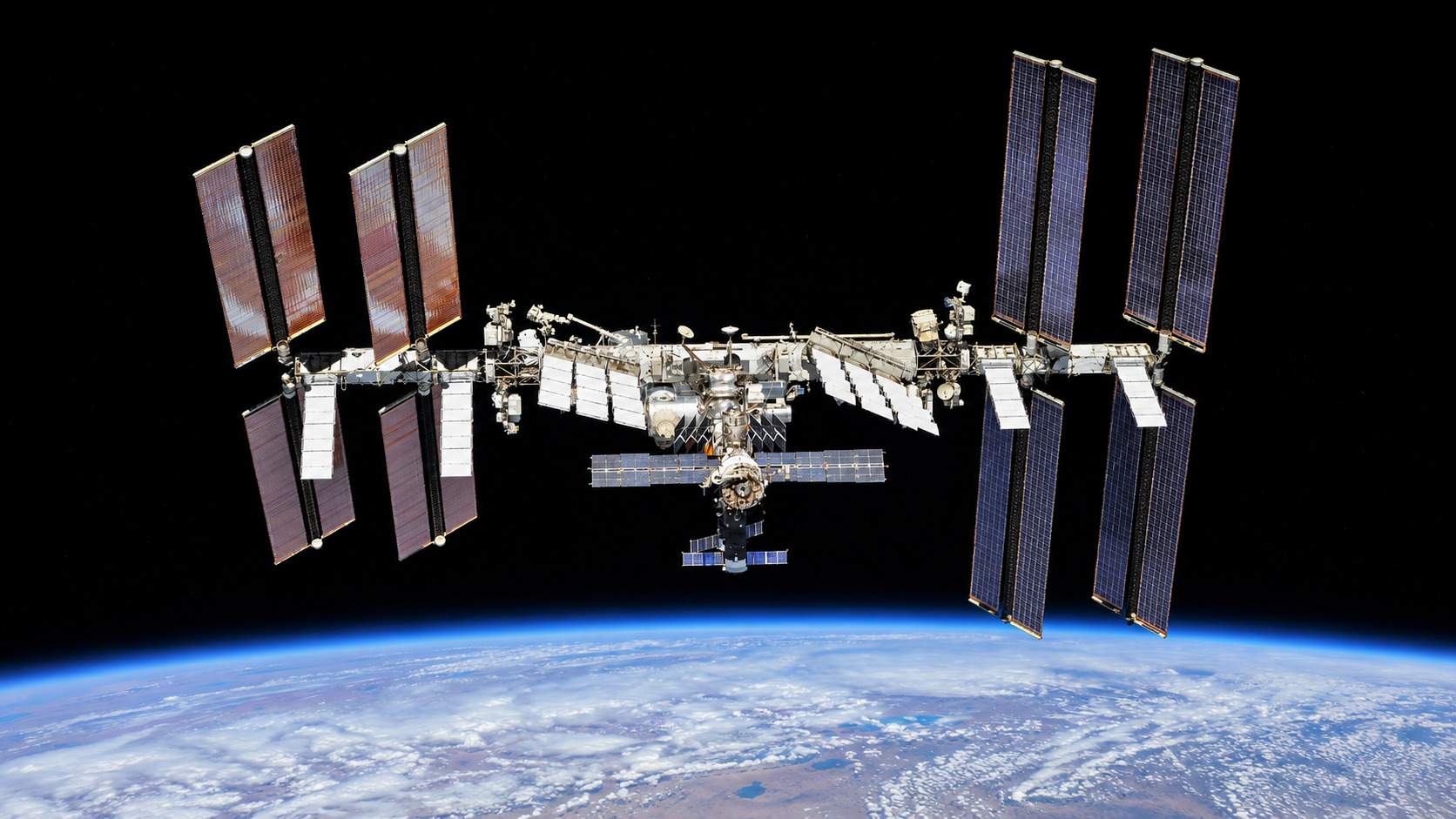
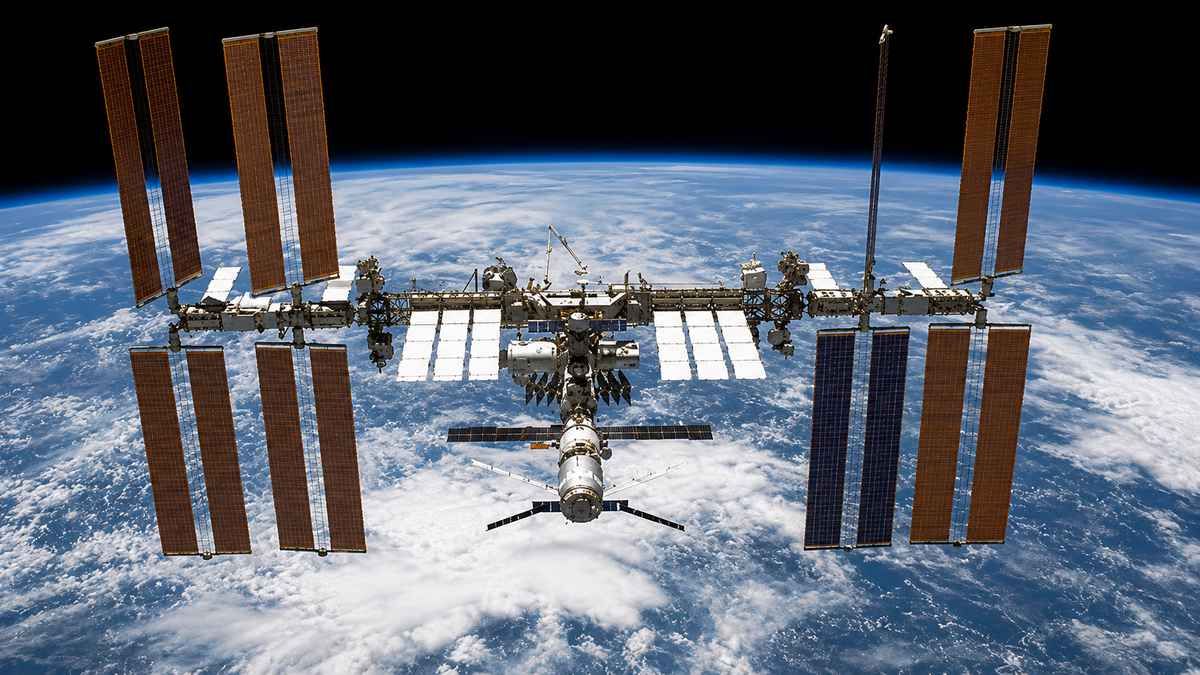
The International Space Station, better known as the ISS, is one of the greatest examples of countries working together on a single scientific project. The idea of international cooperation in space was difficult to imagine during the Cold War. The United States and the Soviet Union were competing against each other for technological and military superiority. However, the two countries had already discussed the possibility of working together on space exploration as early as 1962. The idea eventually became a reality.
The International Space Station was announced in 1993, and several countries became involved in the project. Along with the United States and Russia, countries such as Japan, Canada, Spain, England, and others contributed to the massive project. Building and maintaining the ISS has cost an estimated $150 billion. This enormous amount includes around $3 billion in yearly expenses. The ISS is much more than a laboratory floating in space. It has also become a powerful symbol of international cooperation.
Scientists from different countries have been able to work together on experiments that would have been difficult or impossible for one country to complete alone. The first module of the ISS was placed into orbit in 1998. Since then, astronauts have continuously used the station for scientific research, technology testing, and studying the effects of long-term space travel. The station, however, is now becoming old. It has also developed a potentially dangerous leak. If the problem becomes worse, astronauts could eventually be forced to evacuate the station.
The ISS is currently expected to reach the end of its operational life around 2030. At that point, the station will be brought out of orbit and allowed to re-enter Earth's atmosphere. This final process is expected to add another $1 billion to the project's total cost. Despite its enormous price, the ISS has provided scientists with decades of valuable research and has shown what can happen when countries put competition aside and work toward a common scientific goal.
NASA's Apollo Program: $25.4 Billion
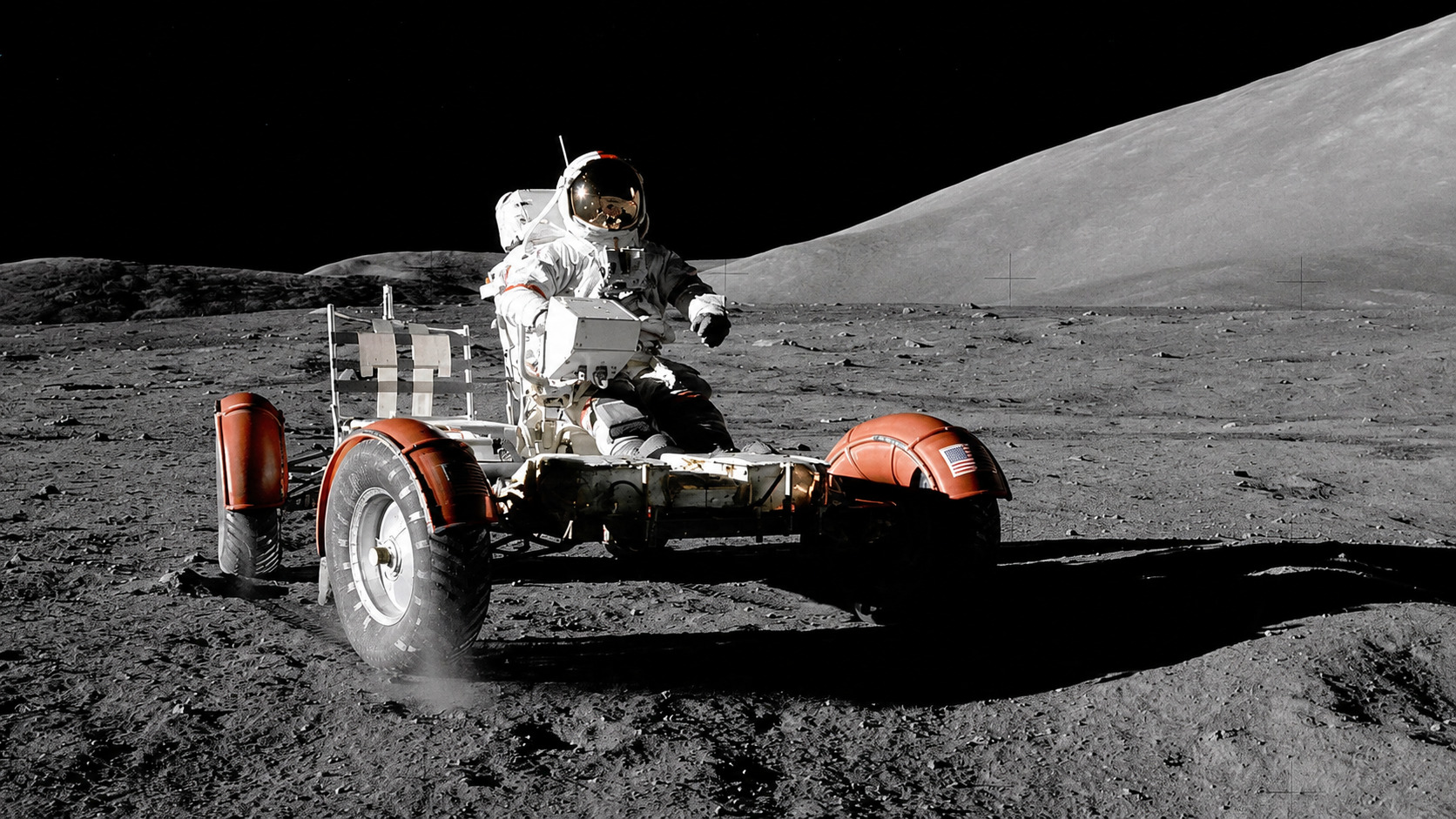
Few scientific projects have captured the world's imagination like NASA's Apollo program. The program was created during the height of the Space Race between the United States and the Soviet Union. During the 1950s and 1960s, both countries were competing to prove that their technology and scientific systems were superior. The Soviet Union initially had the advantage. In 1957, the Soviet Union launched Sputnik, the world's first artificial satellite.
Then, in 1961, it launched Vostok 1, carrying cosmonaut Yuri Gagarin. Gagarin became the first human to travel into space. These achievements shocked the United States and created pressure for America to respond. President John F. Kennedy made that response clear in 1961 when he announced the goal of landing a human on the Moon and safely returning that person to Earth before the end of the decade. Kennedy was assassinated in 1963, but the goal he had set continued. After years of research, engineering, testing, and several missions, Apollo 11 successfully landed on the Moon on July 20, 1969.
Astronaut Neil Armstrong became the first person to walk on the lunar surface, followed shortly afterward by Buzz Aldrin. The Apollo program operated from 1960 to 1972 and cost approximately $25.4 billion at the time. Adjusted for inflation, that amount would be around $203 billion. The cost was enormous, but the program produced major advances in science and engineering. Technologies developed during the Apollo era influenced many areas of technology that continued to develop long after the Moon missions ended.
Apollo also gave the United States a decisive advantage in the Space Race. The program eventually ended, but America's space ambitions continued. NASA later developed the Space Shuttle program, which began operations in 1981. The Apollo program remains one of the clearest examples of how enormous amounts of money, scientific knowledge, engineering, and human effort can be combined to achieve something that once seemed impossible.
Also Read: Why Do Rockets Curve as They Go Up?
CERN's Large Hadron Collider: $4.75 Billion
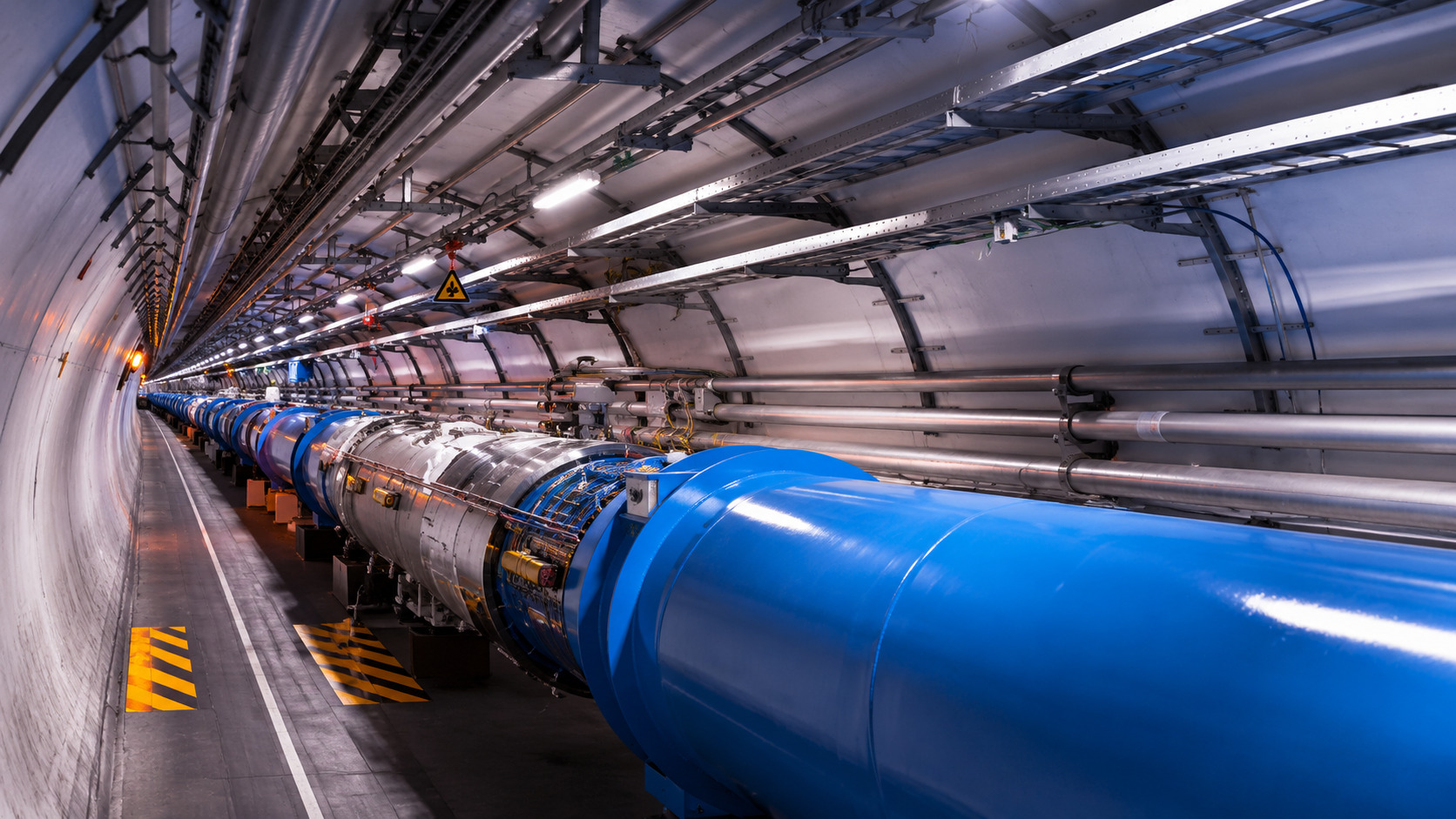
What happened at the beginning of the universe? What are the smallest building blocks of matter? What is dark matter? Could there be other dimensions? These are some of the questions scientists have tried to answer using the Large Hadron Collider, or LHC. The collider was developed by the European Organization for Nuclear Research, commonly known as CERN. Construction and development took place between 1998 and 2008 and cost around $4.75 billion.
The Large Hadron Collider is the world's largest particle accelerator. It is located in a massive 17-mile-long underground tunnel more than 500 feet below the ground near Geneva, Switzerland. Inside the collider, scientists accelerate tiny particles to extremely high speeds and then smash them together. By studying what happens during these collisions, scientists can learn more about the basic structure of matter and the forces that control the universe. One of the biggest achievements of the LHC came with the discovery of the Higgs Boson particle, sometimes called "the God particle."
The discovery was announced in 2012 and became one of the most important breakthroughs in modern particle physics. The collider has also been used to investigate questions involving string theory, other possible dimensions, and the mysterious substance known as dark matter. The LHC is not finished evolving. It is being upgraded into the High-Luminosity Large Hadron Collider, which is expected to begin operations between 2028 and 2030.
The current Large Hadron Collider is scheduled to continue operating until 2041. Scientists are already considering an even more ambitious project. A proposed future collider could be almost four times larger than the LHC and could cost approximately $23 billion. That would make it one of the most expensive scientific machines ever built, but scientists believe a larger collider could provide even more detailed information about the Higgs Boson and the fundamental structure of the universe.
NIH's Human Genome Project: $3 Billion
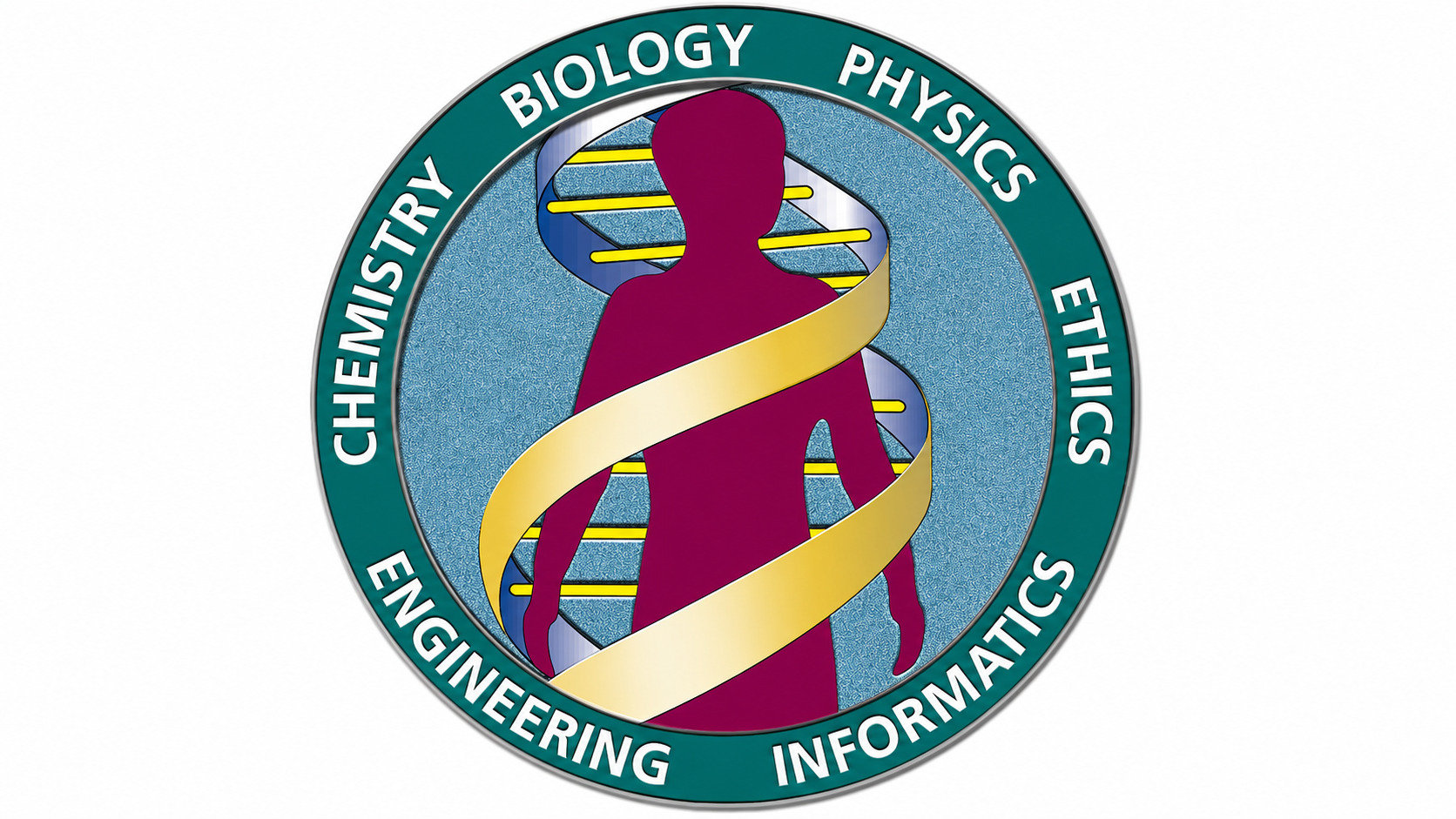
Every human being is genetically unique. Much of that uniqueness is stored inside DNA, the molecule that contains our genetic information. For decades, scientists believed that understanding the human genome could transform medicine and biology. The basic idea was simple: if scientists could identify and understand all of the genes in the human body, they could learn an enormous amount about how humans develop, why people have certain characteristics, and how diseases affect the body.
To achieve this goal, scientists launched the Human Genome Project in 1990. Researchers from the United States' National Institutes of Health and international partners worked for more than a decade to identify, map, and sequence the euchromatic regions of the human genome. The project was completed in 2003 and cost between $2.7 billion and $3 billion. The work focused on more than 90% of the human genome. The remaining portion was eventually completed by 2022.
The Human Genome Project had enormous scientific value. It gave researchers a much better understanding of human DNA and created a foundation for future genetic research. But the project also raised important ethical questions. Genetic information can be extremely powerful. If it is used incorrectly, it could lead to discrimination, unfair treatment, or attempts to control human reproduction.
Because of these concerns, the Human Genome Project also supported a program known as "ELSI," which stands for Ethical, Legal, and Social Implications. The goal was to make sure that scientific progress in genetics did not come at the cost of basic human rights and ethical standards. The Human Genome Project showed that understanding human biology is not simply a scientific challenge. It also creates difficult questions about privacy, discrimination, ethics, and how society should use genetic information.
NASA's Curiosity Rover: $2.5 Billion
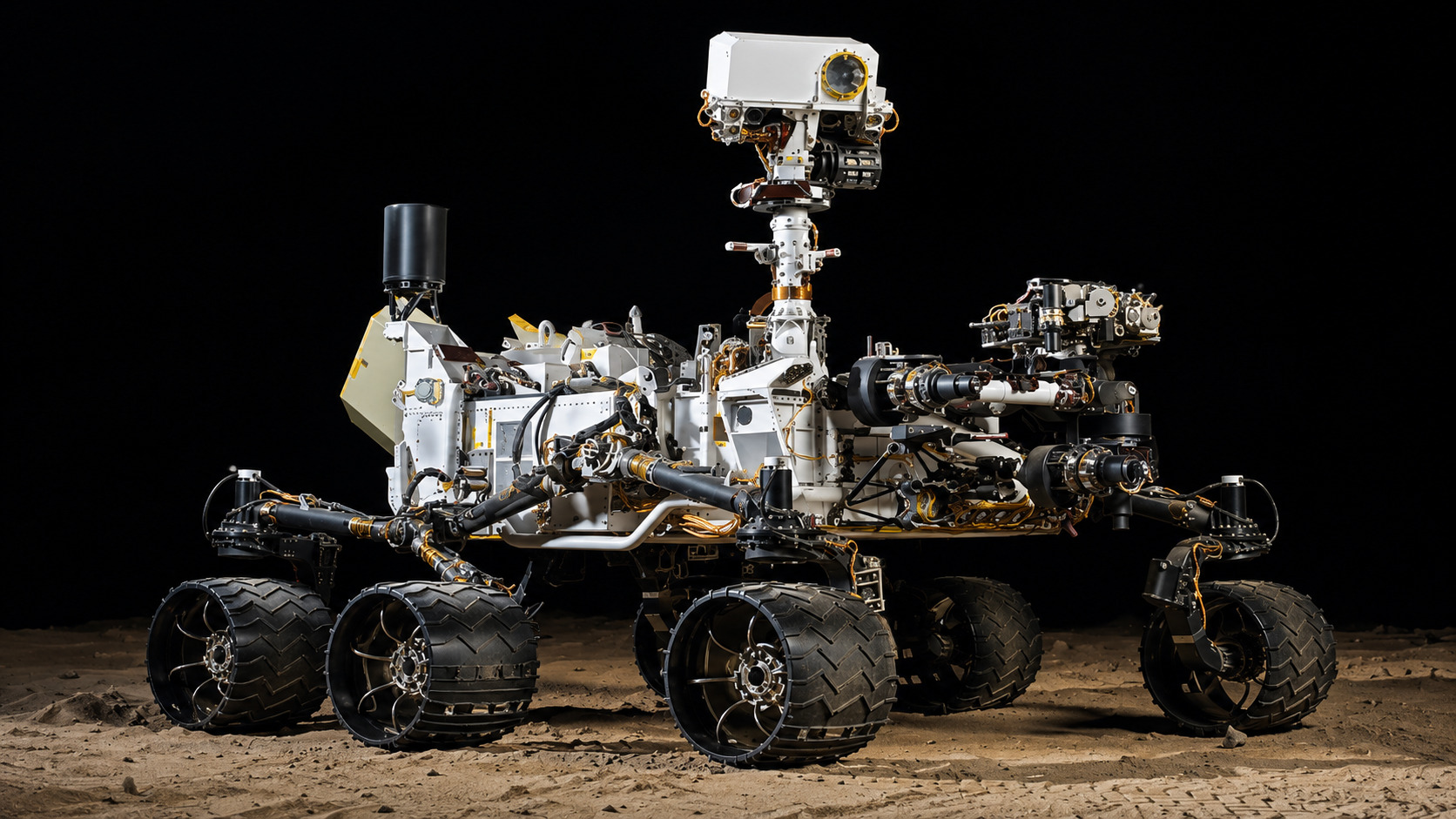
For thousands of years, humans have looked at Mars and wondered whether life might exist there. Mars is our neighboring planet, but reaching it is extremely difficult. Humans have not yet traveled to Mars, so scientists have relied heavily on robotic spacecraft to explore its surface. One of the most successful examples is NASA's Curiosity rover. Curiosity was part of NASA's Mars Science Laboratory mission. The entire program cost approximately $2.5 billion. The rover landed on Mars in 2012.
A simple way to imagine Curiosity is as a highly advanced, solar-powered remote-control vehicle. But unlike an ordinary RC car, Curiosity was designed to survive one of the most difficult environments humans have ever explored. Its job is to travel across the Martian surface, take photographs, analyze rocks and soil, and send scientific information back to Earth.
The data collected by Curiosity helps scientists understand the history of Mars and determine whether the planet once had conditions that could have supported microbial life. The rover was originally expected to operate for only about two years. Instead, Curiosity continued working for more than a decade. Over the years, it has traveled across the Martian landscape and sent back thousands of images and enormous amounts of scientific data.
After 14 years of exploring Mars, Curiosity is naturally showing its age. It is not as capable as it was when it first arrived, but it continues to provide useful information. The rover's long life has made the mission even more valuable. Every additional year of operation gives scientists another opportunity to study the red planet and prepare for future missions, including the possibility of eventually sending humans to Mars.
NASA's Skylab: $2.3 Billion
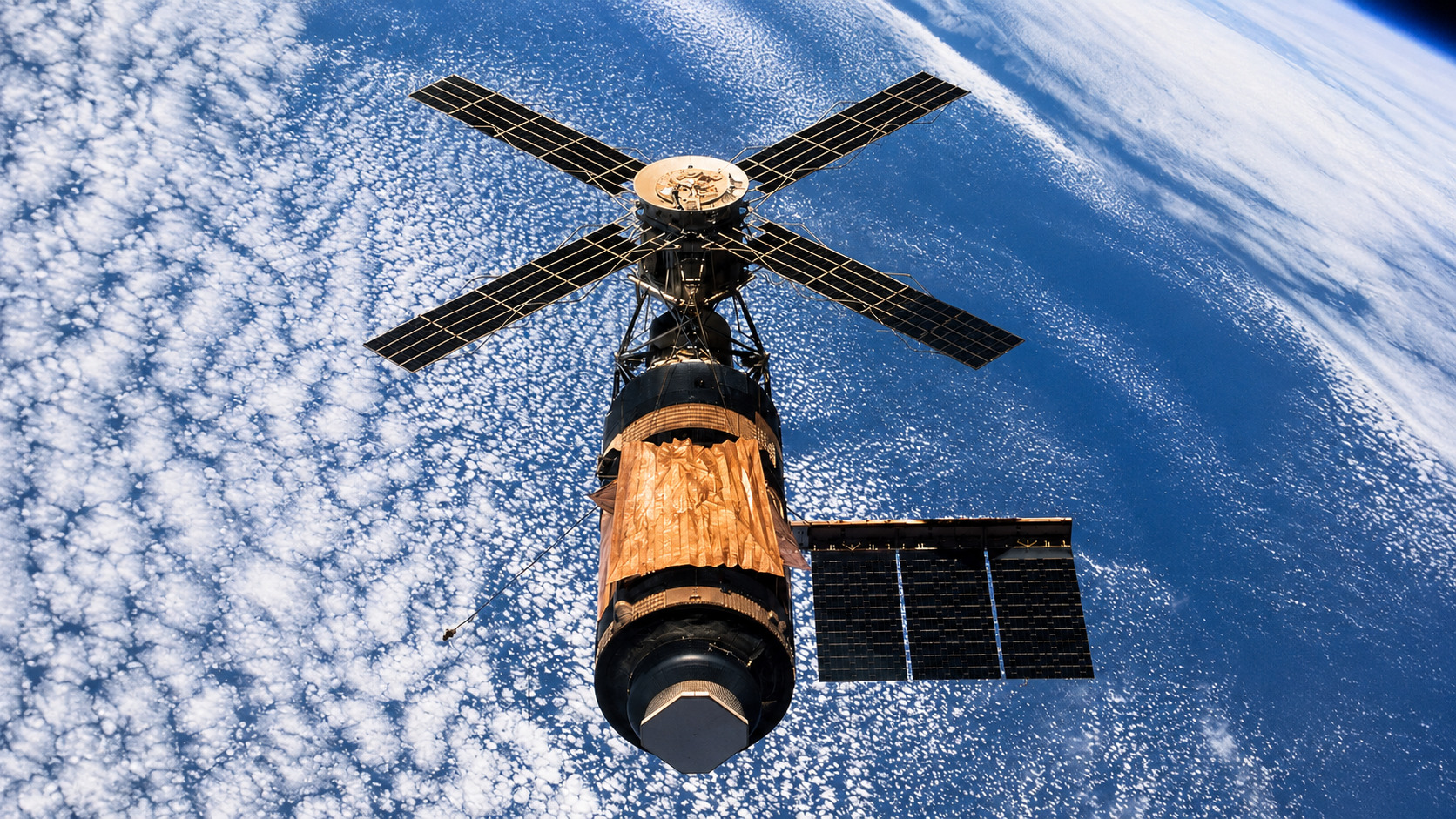
The Apollo program may have put humans on the Moon, but NASA's interest in space did not end there. The United States wanted to learn what would happen when humans spent long periods living and working in space. The answer was Skylab. Launched in 1973, Skylab became the first space station operated by the United States. It was not the first space station in history, because the Soviet Union's Salyut 1 had already been launched, but Skylab was America's first attempt at operating such a facility.
The station cost more than $2.3 billion to build. Skylab allowed scientists to study the effects of long-term exposure to space. Researchers also used it to study the Sun and solar radiation, including X-rays. The work conducted during the Skylab era contributed to scientific knowledge that continued to be useful for decades. Astrophysicist Riccardo Giacconi, who helped develop technology connected with Skylab, later became known as the father of X-ray astronomy and received the Nobel Prize in Physics in 2002.
However, Skylab's story ended in a dramatic way. The station began losing altitude and was eventually going to fall back toward Earth. NASA had planned to use the Space Shuttle to help maintain the station, but delays meant that the shuttle was not ready in time. Skylab eventually re-entered Earth's atmosphere and broke apart.
Most of the debris landed in the Indian Ocean, while some pieces fell across parts of Western Australia. The incident even produced a humorous moment. The Shire of Esperance jokingly issued NASA a $400 fine for littering. Although Skylab ended in an unusual way, its scientific achievements helped NASA understand how humans and equipment behave during long periods in space.
The Manhattan Project: $2.2 Billion
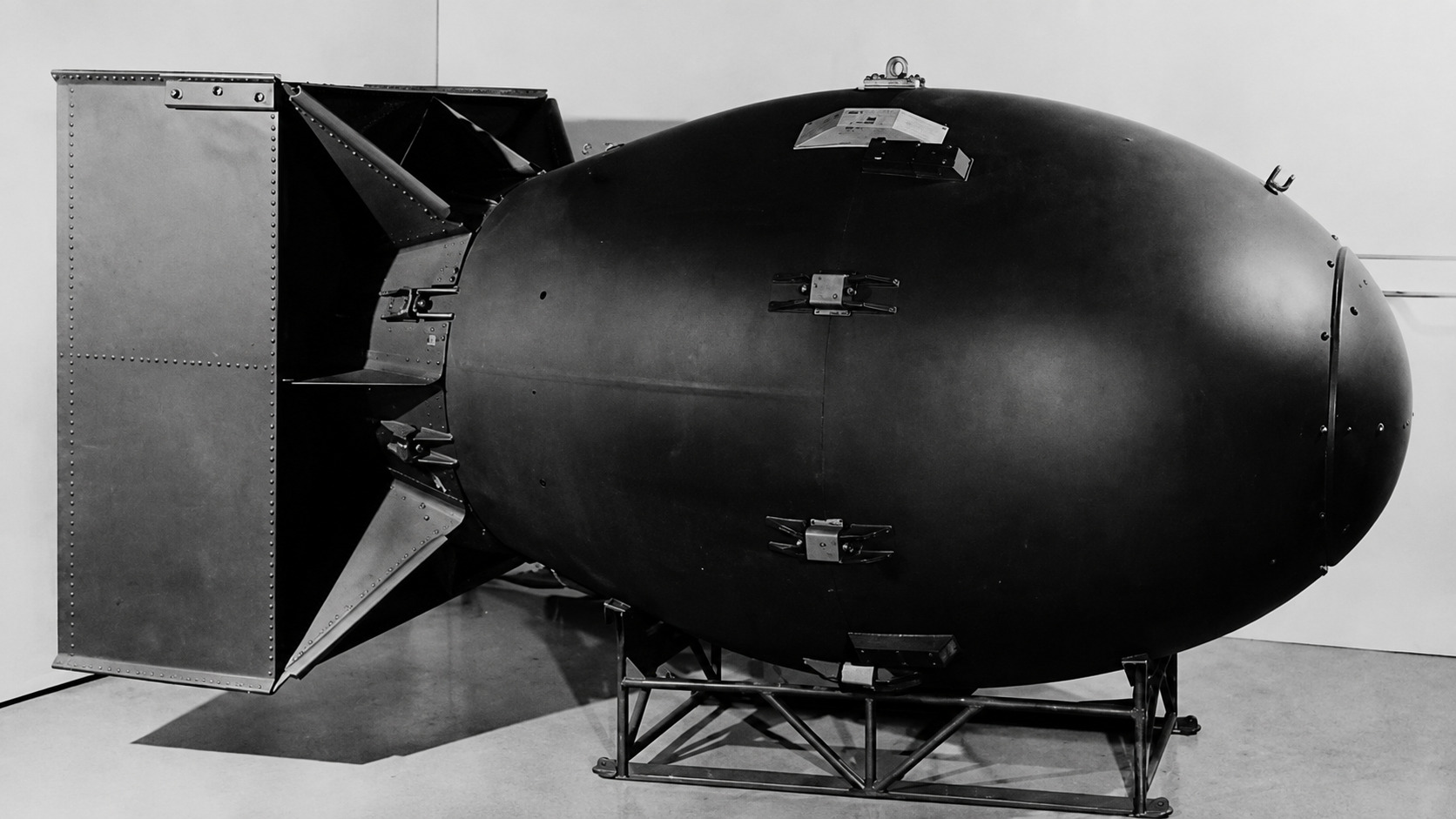
Not every expensive scientific project was created for peaceful purposes. The Manhattan Project was one of the most important and controversial scientific projects in history. During World War II, scientists and governments were racing to develop the world's first atomic bomb. The United States feared that Nazi Germany might develop such a weapon first. This created an enormous scientific and military effort involving researchers, engineers, military personnel, and industrial workers.
The American program became known as the Manhattan Project. Major General Leslie Groves and physicist Robert J. Oppenheimer were among the leaders of the project. At different times, as many as 130,000 people worked on the effort. The project cost approximately $2.2 billion at the time. In 2026 money, that would be more than $40 billion. The scientific challenge was enormous. Researchers were trying to create a weapon based on nuclear reactions that had only recently become understood. There were also serious concerns about the power of the weapon.
Scientists even considered the possibility, however unlikely, that an atomic test could cause a catastrophic reaction in Earth's atmosphere. The project eventually produced two different atomic bombs: "Little Boy" and "Fat Man." In August 1945, the United States dropped the bombs on the Japanese cities of Hiroshima and Nagasaki. The attacks caused enormous destruction and loss of life and played a major role in the end of World War II.
The Manhattan Project also changed the world permanently. After 1945, countries continued developing increasingly powerful nuclear weapons. The nuclear arms race became one of the defining features of the Cold War. Despite the enormous growth in nuclear weapons since then, no nuclear weapon has been used in warfare since 1945. The Manhattan Project remains a powerful example of how science can produce extraordinary technological achievements while also creating serious moral and human consequences.
Also Read: How the 1960s Space Race Shaped Today's Technology
Ocean Networks Canada's NEPTUNE: $79 Million USD
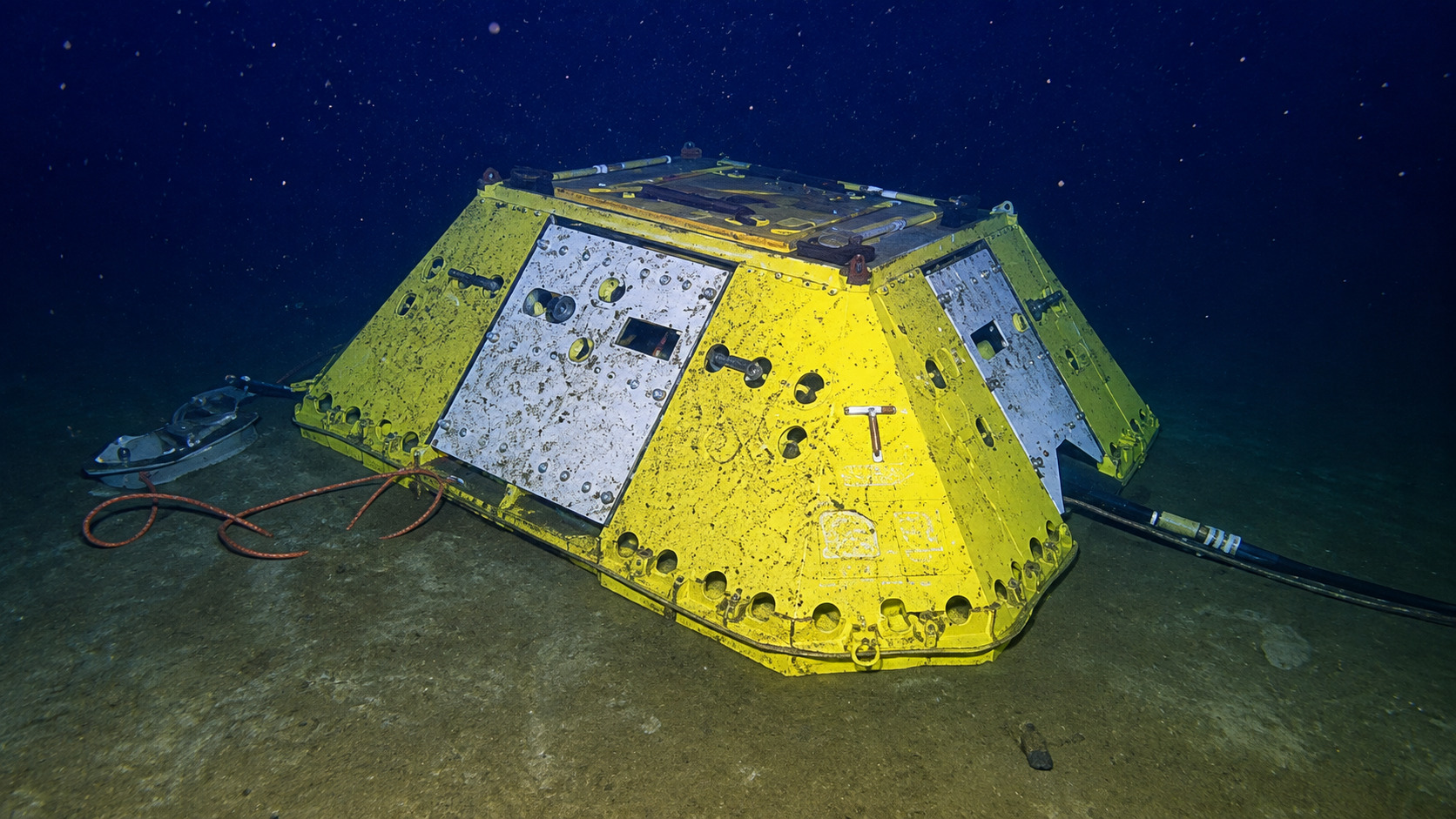
Space may seem like the ultimate frontier, but Earth still contains enormous areas that humans barely understand. The deep ocean is one of them. The ocean floor is dark, cold, and under extreme pressure. Reaching these areas is difficult, which makes scientific research challenging. Ocean Networks Canada created the North-East Pacific Time-Series Underwater Networked Experiment, better known as NEPTUNE, to help scientists study the underwater environment.
Construction began in 2007 and cost approximately $111 million Canadian dollars, or about $79 million USD. The system also requires around $17 million CAD in annual maintenance. NEPTUNE uses approximately 500 miles of high-speed optical internet cable placed under the ocean. This network allows scientists to collect information from the seafloor and also allows people to watch live information from the underwater environment.
The project has made ocean science much more accessible. Researchers can monitor underwater conditions without constantly sending ships and crews into the ocean. NEPTUNE also holds the Guinness World Record for the world's largest undersea observatory. One of the most interesting parts of the project is its remotely operated deep-sea crawler.
The crawler can be compared to NASA's Mars rover, except that instead of exploring another planet, it explores the deep ocean. The first crawler was named Wally, after the main character from Pixar's "Wall-E." A second crawler was later created and was named Wally 2. NEPTUNE demonstrates that scientific exploration does not always require traveling into space. There are still huge parts of our own planet that contain mysteries waiting to be discovered.
National Science Foundation's Very Large Array: $78.5 Million
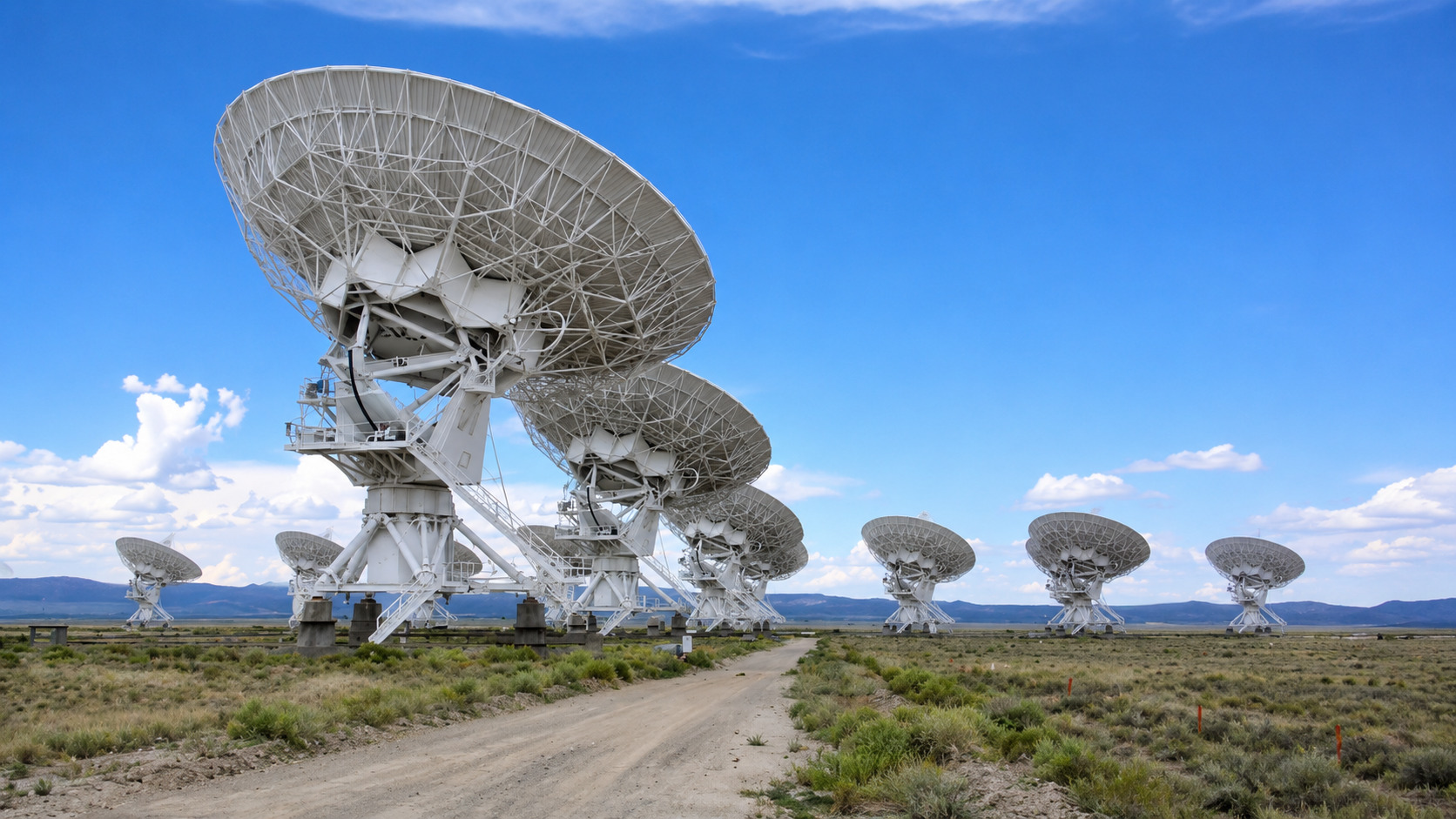
The Very Large Array, or VLA, may have a simple name, but it is one of the most important radio astronomy facilities in the world. The VLA consists of 28 large radio telescopes. Each one looks like a giant satellite dish. The telescopes are part of the National Radio Astronomy Observatory, which is operated by the National Science Foundation.
Instead of working independently, the telescopes work together as one enormous scientific instrument. This allows scientists to create highly detailed images of objects and events deep in space. The VLA can study objects such as black holes, neutron stars, galaxies, and other astronomical phenomena. Congress approved the project in 1972, and construction was completed in 1980.
The original project cost $78.5 million in 1972 money. When adjusted for inflation, that would be approximately $627 million in 2026. The VLA may also look familiar to movie fans. It appeared in the 1997 science fiction movie "Contact," which was based on the novel written by famous scientist Carl Sagan.
The VLA is still being improved. Its existing antennas are being replaced with newer technology that will allow scientists to observe the universe with greater detail. The upgraded facility will help researchers study how stars and other solar bodies develop and how solar systems like our own are formed. The upgraded project will be known as the "Next Generation Very Large Array." The new facility is expected to cost around $2 billion.
The High Cost of Human Curiosity
These nine projects show just how expensive the search for knowledge can be. From a space station costing around $150 billion to an undersea observatory costing tens of millions of dollars, scientific research requires enormous investments of money, technology, time, and human effort. Some projects have taken humans to the Moon. Others have helped us understand the smallest particles in existence.
Some have allowed us to explore Mars, while others have helped scientists understand the human genome or study the deepest parts of Earth's oceans. Not every experiment has produced a perfect result, and some have created serious risks or ethical questions. But each project has added something to human knowledge. The biggest lesson is that scientific progress rarely happens overnight. Major discoveries often require decades of planning, billions of dollars, thousands of researchers, and a willingness to take risks.
The money spent on these projects may seem enormous, but the knowledge gained from them can continue benefiting humanity for generations. Science is expensive because the questions we are trying to answer are often enormous. And as long as humans remain curious, we will continue building bigger machines, traveling farther, exploring deeper, and spending money in the hope of discovering something we have never seen before.