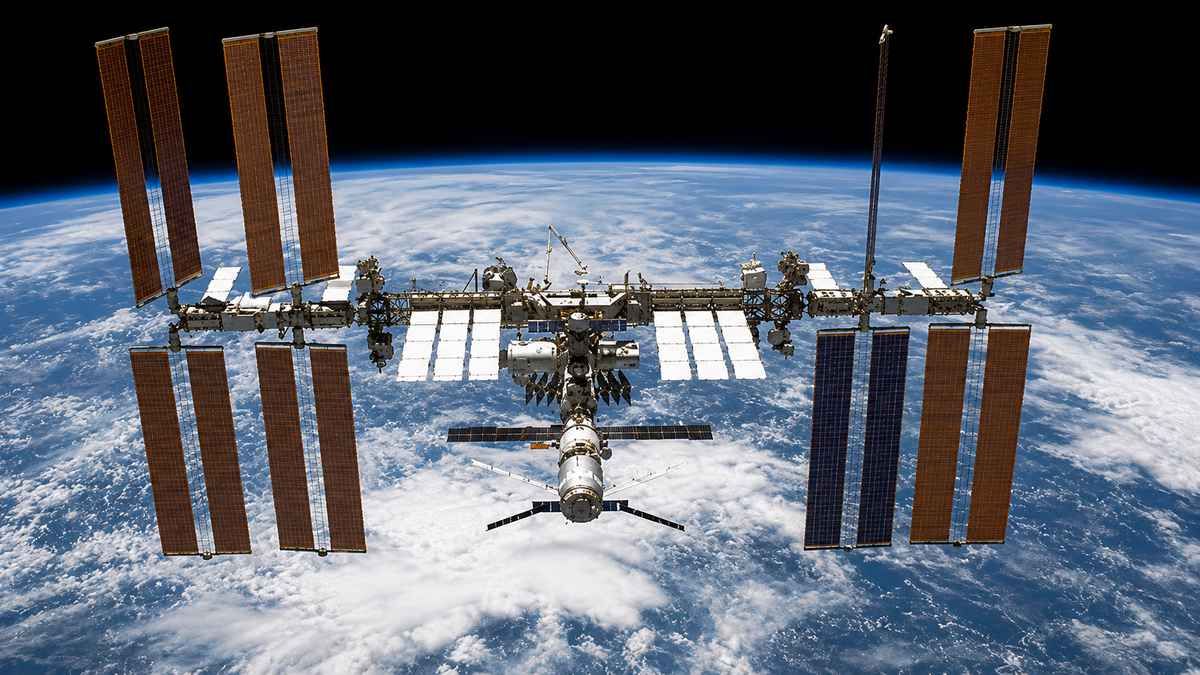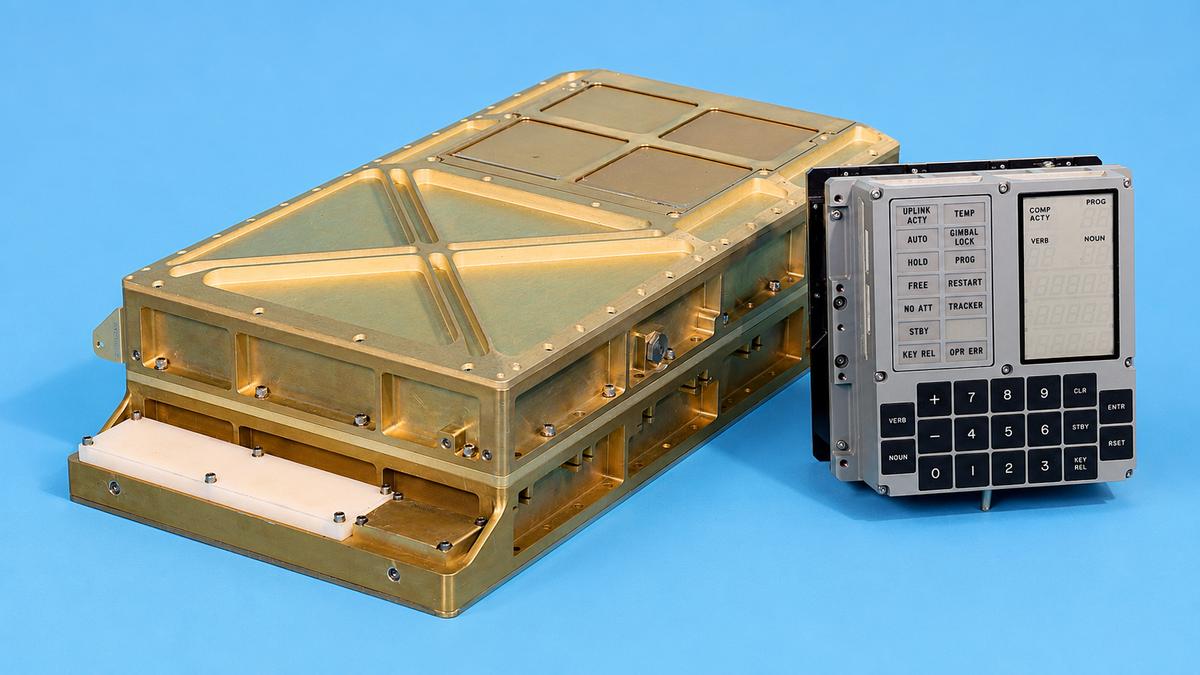
The Space Race of the 1960s was much more than a competition between two powerful countries. It was a period of rapid innovation that transformed science, technology, and human history. Although the primary goal was to explore space, many of the inventions developed during this time eventually became part of everyday life.
From the computers we use and the solar panels on rooftops to memory foam mattresses and wireless headsets, the influence of the Space Race continues to be seen all around us. While many people remember this era for historic achievements such as the Moon landing, its greatest legacy may be the technologies that continue to improve daily life around the world.
The Beginning of the Space Race
After World War II, the United States and the Soviet Union emerged as the world's two leading superpowers. Their rivalry extended beyond politics and military strength into science and technology, with each nation determined to prove its superiority through achievements in space exploration. This intense competition became known as the Space Race. It was not simply about reaching space but about achieving important milestones before the opposing nation.
Every success represented national pride and demonstrated technological advancement. The race included launching the first artificial satellite into orbit, sending the first human into space, completing the first spacewalk, and landing the first human on the Moon. Each accomplishment required new inventions and innovative solutions to problems that had never been encountered before. Many of these solutions later found practical applications far beyond space missions.
Technology Born from the Space Race
The Space Race encouraged governments to invest billions of dollars in scientific research and technological development. NASA, universities, and private companies collaborated to design new machines, advanced materials, and improved communication systems. Many of these innovations were eventually adapted for public use and became an essential part of everyday life.
Today, people use technologies originally developed for space exploration in their homes, workplaces, hospitals, schools, and vehicles, often without realizing their origins. Among the most important technologies influenced by the Space Race are solar cells, modern computers, silicon microchips, memory foam, and wireless communication headsets. These inventions have transformed the way people live, work, and communicate.
Also Read: 10 Modern Technologies That Are Older Than You Think
Solar Cells: Power from the Sun
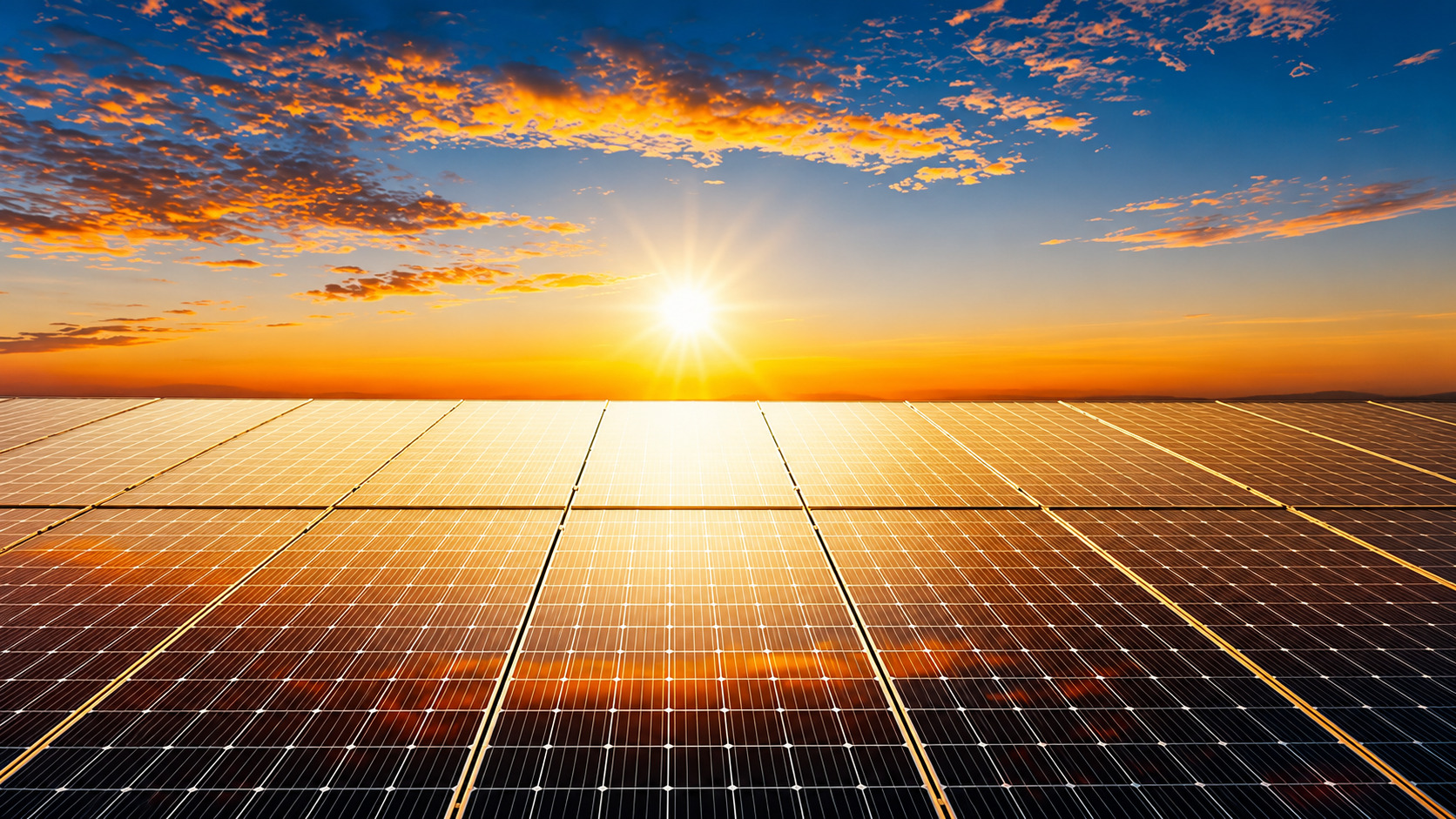
One of the most valuable technologies associated with the Space Race is the silicon solar cell. A solar cell converts sunlight into electricity, making it an ideal power source for satellites. During the early space missions, NASA needed a reliable way to generate electricity because satellites could not be connected to electrical power lines while orbiting Earth.
Solar cells provided the perfect solution by producing continuous power directly from sunlight. Although the first solar cell had been invented much earlier, it was not practical for widespread use. In 1883, American inventor Charles Edgar Fritts created the first solar cell by placing a thin layer of gold onto selenium. While this invention demonstrated that sunlight could generate electricity, it produced only a small amount of power. Significant improvements came in the 1940s when Russell Ohl at Bell Labs developed the first true silicon solar cell, making the technology far more efficient and reliable.
NASA's successful use of solar-powered satellites proved that solar technology could perform in demanding conditions. As the technology advanced, solar panels became more affordable and practical for everyday use. Today, solar panels are installed on homes, schools, office buildings, factories, and farms, providing clean, renewable electricity while reducing dependence on fossil fuels.
Computers That Helped Reach the Moon
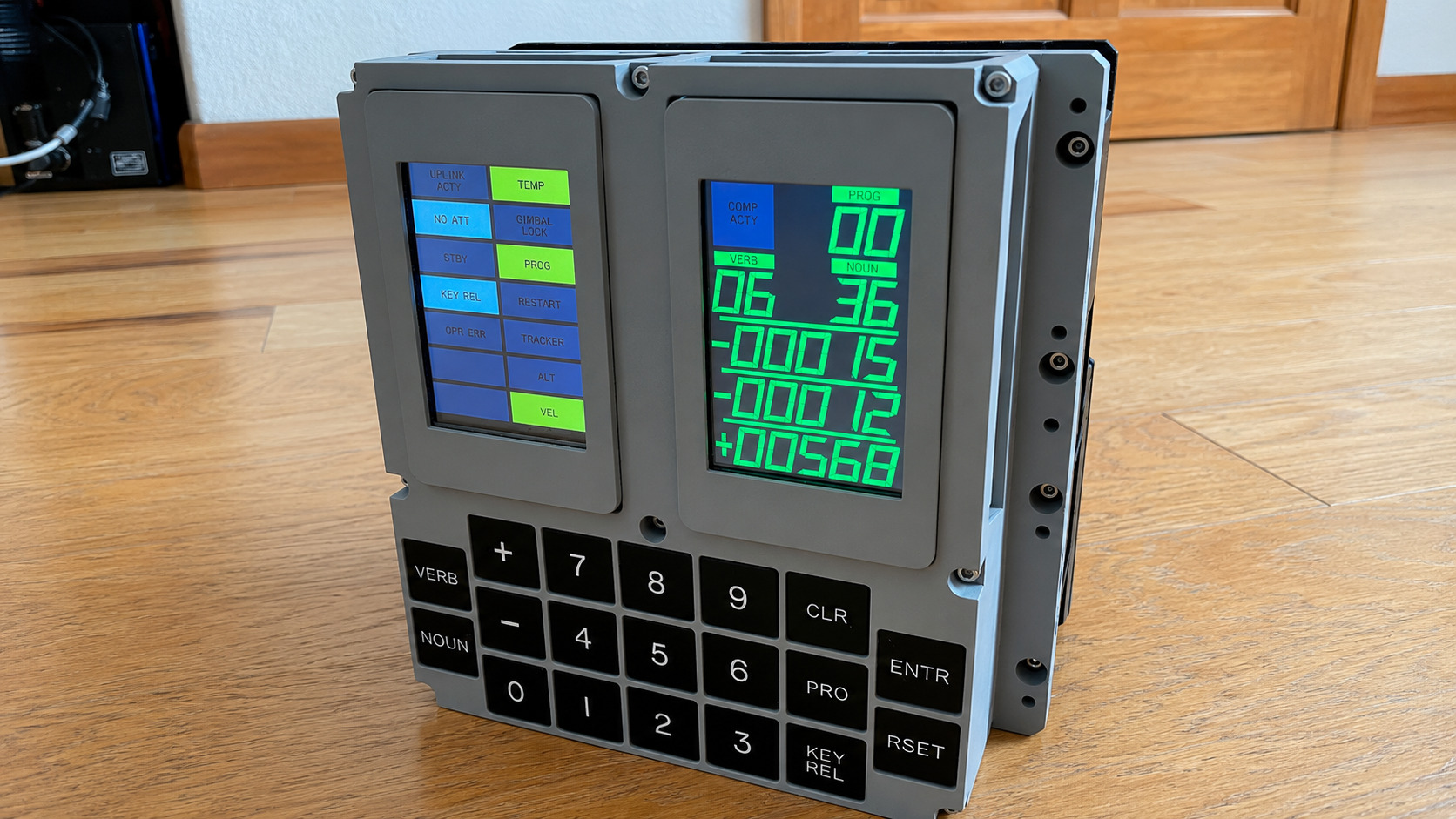
Computers are another major technology that advanced significantly during the Space Race. Today, smartphones possess far greater computing power than the computers used during the Apollo missions. However, in the early 1960s, computers were enormous machines that occupied entire rooms, and personal computers did not yet exist. NASA initially relied on teams of mathematicians, engineers, and scientists to perform complex calculations by hand for rocket launches, spacecraft navigation, and landing procedures.
As space missions became increasingly complex, faster and more accurate computing systems became essential. IBM developed powerful guidance computers capable of processing large amounts of information quickly, while engineers at the Massachusetts Institute of Technology (MIT) helped design the Apollo Guidance Computer, one of the most advanced computers of its time. Although it had only a fraction of the computing power of today's smartphones, the Apollo Guidance Computer successfully guided astronauts to the Moon and back.
The technological demands of the Space Race also accelerated the development of silicon microchips, which became the foundation of modern electronics. Today, silicon chips are found in desktop computers, laptops, smartphones, tablets, gaming consoles, smart televisions, cars, medical equipment, and household appliances. Without the need for advanced computing during the Space Race, the development of today's digital world may have progressed much more slowly.
Memory Foam: From Spacecraft to Bedrooms

Another remarkable innovation connected to NASA is memory foam. Although it is now widely recognized as the soft material used in mattresses and pillows, it was originally created to improve astronaut safety. During the late 1960s, NASA engineers sought a material that could absorb shock and reduce pressure during spacecraft launches and landings.
Their research led to the development of temper foam, now commonly known as memory foam. This material has the unique ability to slowly conform to the shape of a person's body when pressure is applied and gradually return to its original form once the pressure is removed.
Although memory foam was not widely adopted for commercial airplane seating, it proved valuable in many other applications. Today, it is commonly used in mattresses, pillows, wheelchairs, medical cushions, protective sports equipment, and safety helmets. Its ability to improve comfort and reduce pressure has made memory foam one of NASA's most successful innovations for everyday life.
Also Read: 10 Amazing Things You Didn’t Know IBM Invented
Wireless Headsets: Better Communication
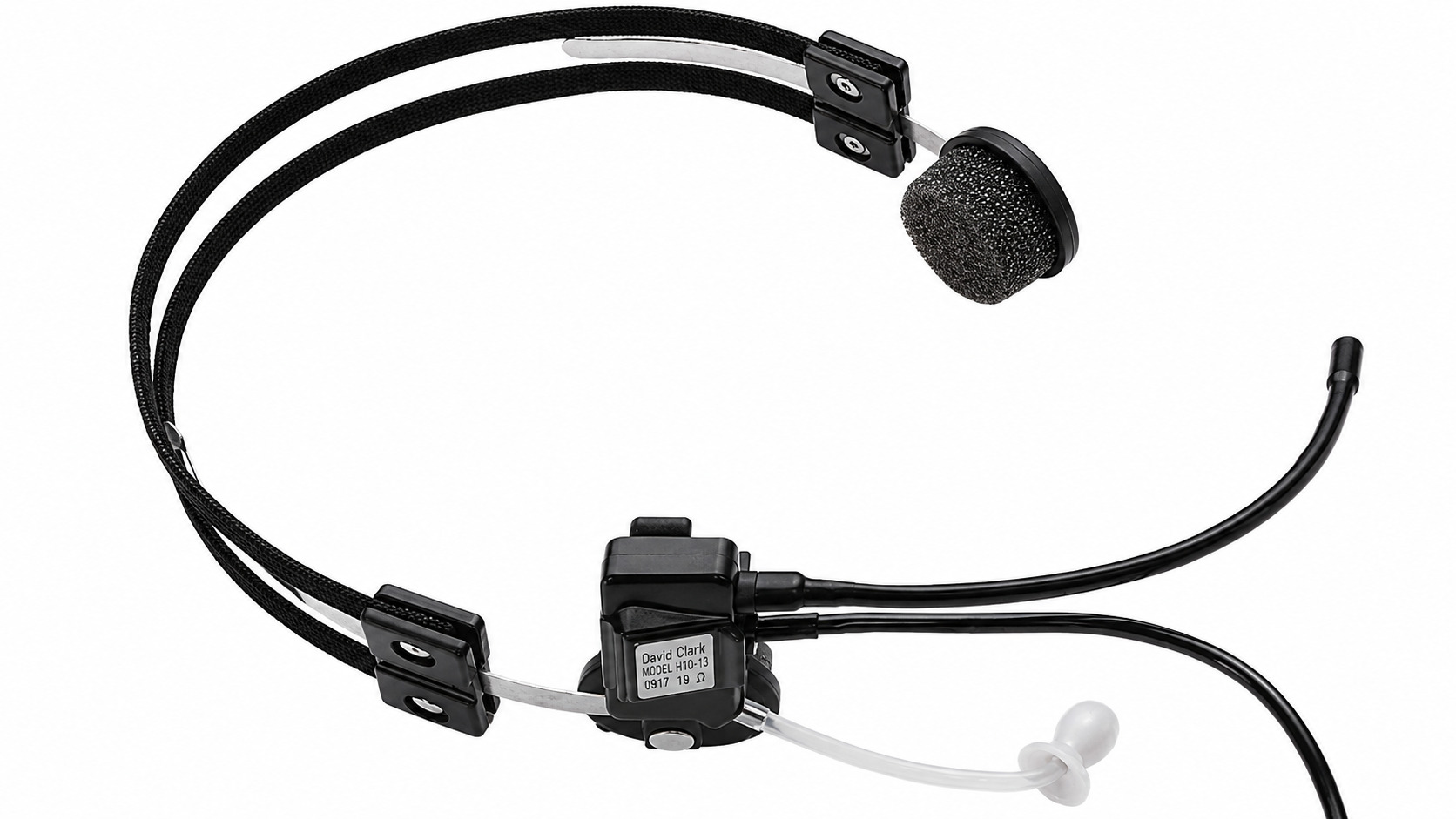
Reliable communication is essential during every space mission, as astronauts must remain in constant contact with mission control throughout each stage of a flight. To meet this need, NASA collaborated with Pacific Plantronics to develop a lightweight communication headset based on the company's MS-50 design.
Remarkably, the headset was designed, built, and tested in only eleven days. It was compact enough to fit inside astronauts' helmets while still providing clear and dependable communication. This innovation laid the foundation for modern headset technology.
Today, similar communication devices are widely used by customer service representatives, pilots, emergency responders, gamers, office workers, truck drivers, and business professionals. Modern wireless Bluetooth headsets and gaming headphones can trace their origins to the communication systems first developed for space missions.
The People Behind the Technology
The success of the Space Race was not solely the result of rockets and machines but also of the dedication of thousands of scientists, engineers, programmers, and mathematicians.
One of the most well-known stories from this era is portrayed in the film Hidden Figures, which highlights the contributions of African American women mathematicians who played a vital role in NASA's early space program. Their calculations helped astronauts travel safely into space before advanced computers became widely available.
Another popular series, For All Mankind, imagines an alternative history in which the Space Race continued beyond the Moon landing. Although fictional, it illustrates how continued investment in space exploration could have accelerated technological progress even further.
How the Space Race Still Shapes Our World
Although the Space Race officially ended decades ago, its influence continues to shape modern life. Many technologies originally created for space exploration have become essential tools used every day. Whenever people use a computer, generate electricity with solar panels, sleep on a memory foam mattress, or communicate through a wireless headset, they are benefiting from innovations that originated during one of history's greatest scientific competitions.
The race to reach the Moon achieved far more than expanding humanity's understanding of space. It transformed life on Earth by driving advances in communication, healthcare, transportation, energy, and personal technology. The legacy of the 1960s Space Race demonstrates that investments in science and exploration often produce discoveries that continue to benefit generations long after the original missions have ended.