Back in late 2003, the producers of BBC’s Top Gear spent a modest 300 pounds on a battered 1988 Toyota Hilux pickup. The odometer already read past 190,000 miles, that is well over 300,000 kilometers, and the body was showing clear signs of heavy rust and age.
Host Jeremy Clarkson was not interested in a standard road test. He wanted to answer a single question, "is it actually possible to destroy a Toyota?" What followed was one of the most brutal automotive endurance tests ever broadcasted on television:
Direct Impacts: Driving the truck head-on into a solid brick wall, followed immediately by slamming it directly into a tree.
Saltwater Submersion: Tying the chassis to a wooden ocean pier, letting the high tide completely swallow it, and leaving it submerged under ocean saltwater for five full hours.
Blunt Force Trauma: Dropping a heavy wooden caravan on top of it, battering the roof with a massive steel demolition wrecking ball, and setting the entire vehicle on fire.
For the grand finale, the production crew hoisted the crushed pickup to the very top of a 23-story building, packed the building structure with 2,400 pounds of heavy explosives, and imploded the skyscraper into a towering mountain of concrete rubble.
When workers dug through the concrete dust, a shop mechanic stepped forward. Armed with standard hand tools and a single spray can of penetrating rust dissolver using absolutely no new replacement parts, he turned the key.
Within minutes, the engine sputtered, turned over, and purred back to life. The crew drove the battered pickup straight onto the live studio stage in front of a cheering audience.
In contrast to that astounding resilience with modern luxury automobiles, a $100,000 European luxury SUV can easily demand thousands of dollars in complex electrical troubleshooting or air-suspension repairs within its first five years of ownership.
Meanwhile, a basic $20,000 Toyota Corolla routinely sails past 400,000 to 500,000 kilometers (over 300,000 miles) on standard scheduled maintenance without a single major mechanical breakdown.
According to annual automotive reliability surveys conducted by Consumer Reports, while evaluating data from owners of more than 300,000 vehicles every single year, it was noticed that Toyota and its luxury division, Lexus, consistently claim the top spots for global vehicle dependability, leaving virtually every competitor behind.
Then, is Toyota secretly using space-grade, indestructible alloys, or is there an intentional, systematic business strategy behind this longevity?
Also Read: Scarcity Marketing: How Limited Edition Drive Sales
How Long Do Toyota Engines Last?
It is easy to assume that Toyota dominates long-term reliability lists because the company uses superior, hyper-advanced technology that competing automakers simply cannot replicate. However, if you examine historical records, the reality is completely the opposite.
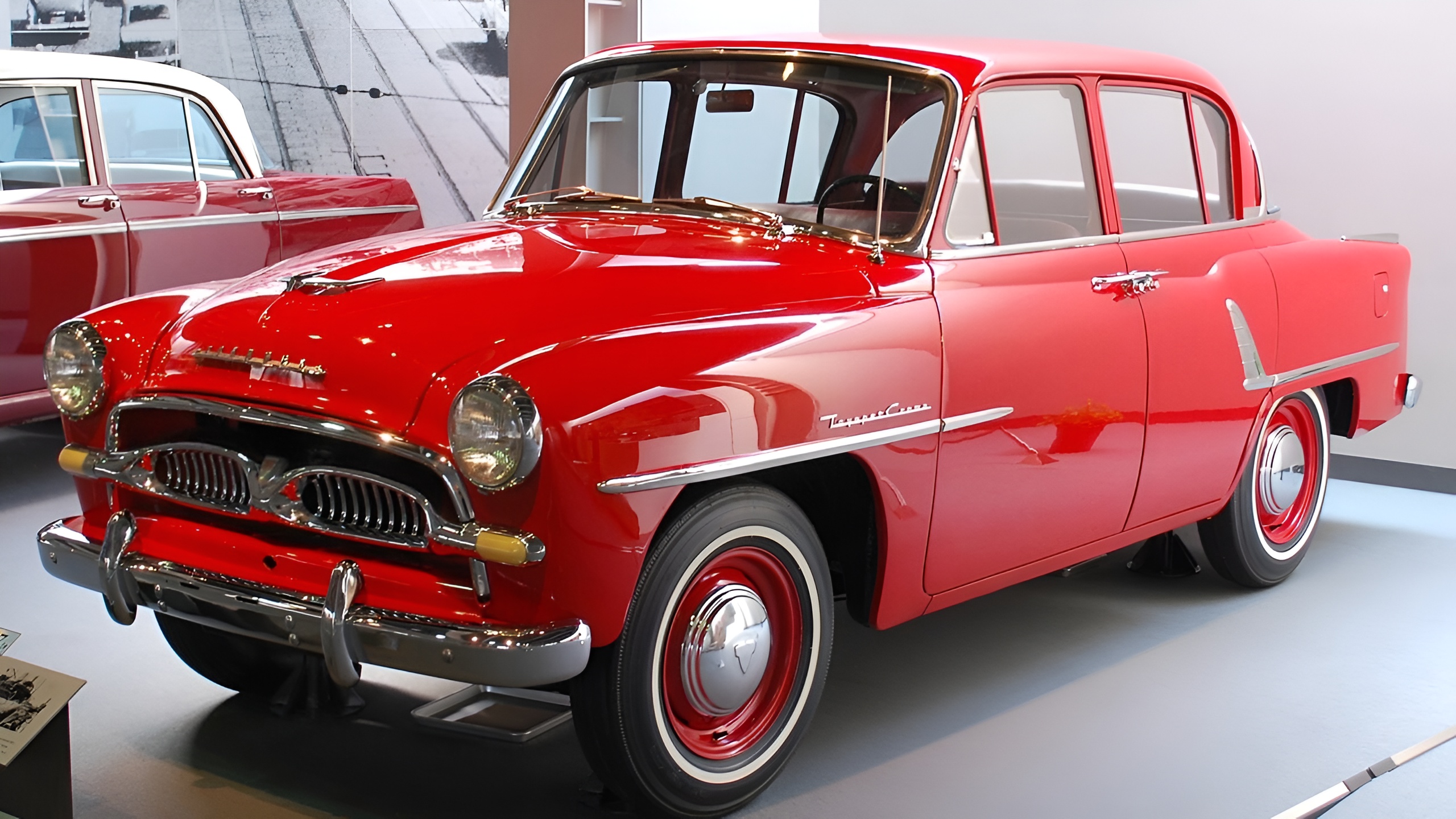
When Toyota first attempted to export a passenger car to the United States in 1957, the Toyopet Crown, it turned out to be an absolute disaster. The underpowered engine overheated violently on California highways, the exterior door handles literally snapped off in drivers' hands, and the chassis vibrated so intensely above 60 miles per hour that it felt unsafe.
American consumers openly laughed at it. Toyota sold fewer than 300 units before pulling the car off the U.S. market in 1960, absorbing a massive financial loss. That painful defeat taught Toyota a fundamental lesson. Executives realized they could never compete head-to-head with American or European brands on raw acceleration, lavish executive luxury, or high horsepower.
So they adopted a completely different engineering philosophy, one that automotive mechanics refer to as intentional under-engineering. To better understand this, let’s consider how engine output functions.
If a modern 2.0-liter four-cylinder engine block can produce 250 horsepower, European performance brands like BMW or Audi will tune it to deliver roughly 240 horsepower to maximize speed and aggressive driving dynamics.
Toyota takes that exact same engine footprint and restricts it to produce only 150 horsepower. But, why would any car company deliberately reduce performance output? Because lower horsepower translates directly into lower peak cylinder pressure, reduced combustion heat, and far less mechanical friction on pistons, valves, and head gaskets.
Also, the engine operates at only 60% of its ultimate structural capacity during daily driving, internal mechanical parts simply do not wear out. Toyota intentionally trades top-end speed for extreme engine lifespan.
Why Does Toyota Delay Introducing New Technology?
This cautious engineering approach leads directly to another major question, "Why doesn't Toyota introduce fancy new features, like high-tech turbochargers, dual-clutch gearboxes, or massive dual touchscreen as quickly as other car makers?"
When competing car manufacturers rush unproven technology to market to attract younger buyers, failure rates spike during the first three to five years of ownership. Toyota operates under an uncompromising internal corporate standard: No new technology is ever introduced into mass production until it has been tested for years without a single failure.
When Toyota set out to build the original 1989 Lexus LS400 to challenge established European luxury giants like Mercedes-Benz, they refused to rush the process:
Development Timeline: 6 full years of continuous testing and development.
Capital Invested: Over $1 billion in capital expenditure.
Prototypes Built: 450 full-scale prototype vehicles built and evaluated.
Test Distance: Over 2.7 million kilometers (1.68 million miles) driven through extreme climates, ranging from sub-zero Swedish ice tracks to burning Arizona desert roads, before selling a single unit.
While other car manufacturers treat their vehicles like short-term consumer electronics, and encourage drivers to upgrade to a new lease every three years, on the other hand, Toyota builds automobile platforms intended to serve as long-term civil infrastructure.
Also Read: 4 Psychological Reasons Why Tech Saves Time But Makes Us Busier
What Is the Toyota Production System and Andon Cord?

Conservative engineering design is only half of the equation. The real reason Toyota cars refuse to die isn't just what they design, in reality, it is how they construct them on the factory floor. During the 1950s, two men invented a manufacturing philosophy that altered global industrial history forever.
It was Eiji Toyoda, an executive engineer, nephew of loom pioneer Sakichi Toyoda, and cousin of Toyota Motors founder Kiichiro Toyoda. Taiichi Ohno, a brilliant mechanical engineer and shop-floor supervisor.
Eiji brought executive backing from the founding family, while Taiichi Ohno managed day-to-day shop operations. Together, this executive-supervisor duo developed what is known today as the Toyota Production System (TPS). It was built around two core concepts.
First, it was Jidoka and the Andon Cord. In 1950s American assembly plants in Detroit, line workers were strictly forbidden from stopping the assembly line. Halting production cost over $10,000 per minute. Flawed components were installed anyway under the prevailing corporate mindset: "We will let dealership mechanics fix it later."
Taiichi Ohno completely reversed this tradition. Under Eiji Toyoda's backing, he installed a rope called the Andon Cord directly above every single worker's station along the factory floor.
Every employee, starting from an entry-level line worker to a senior mechanical engineer, they all were given the power to pull the cord and halt the entire factory instantly if they spotted a single defect, loose bolt, or misaligned part.
In the early days, the production line stopped hundreds of times every day. But by forcing engineers and workers to resolve the root cause of every problem immediately on the spot, Toyota ensured that not a single defective car ever left the factory gates.
Next it is Kaizen, which refers to continuous imorovement. Instead of completely redesigning engine layouts every few years to keep up with changing styling trends, Toyota’s engineering teams apply Kaizen, making hundreds of microscopic refinements to the exact same engine design over 10 to 20 years. By the tenth year of continuous production, every single design flaw, material weakness, and sensor vulnerability has been systematically erased.
How Did Toyota Become the Largest Automaker in the World?
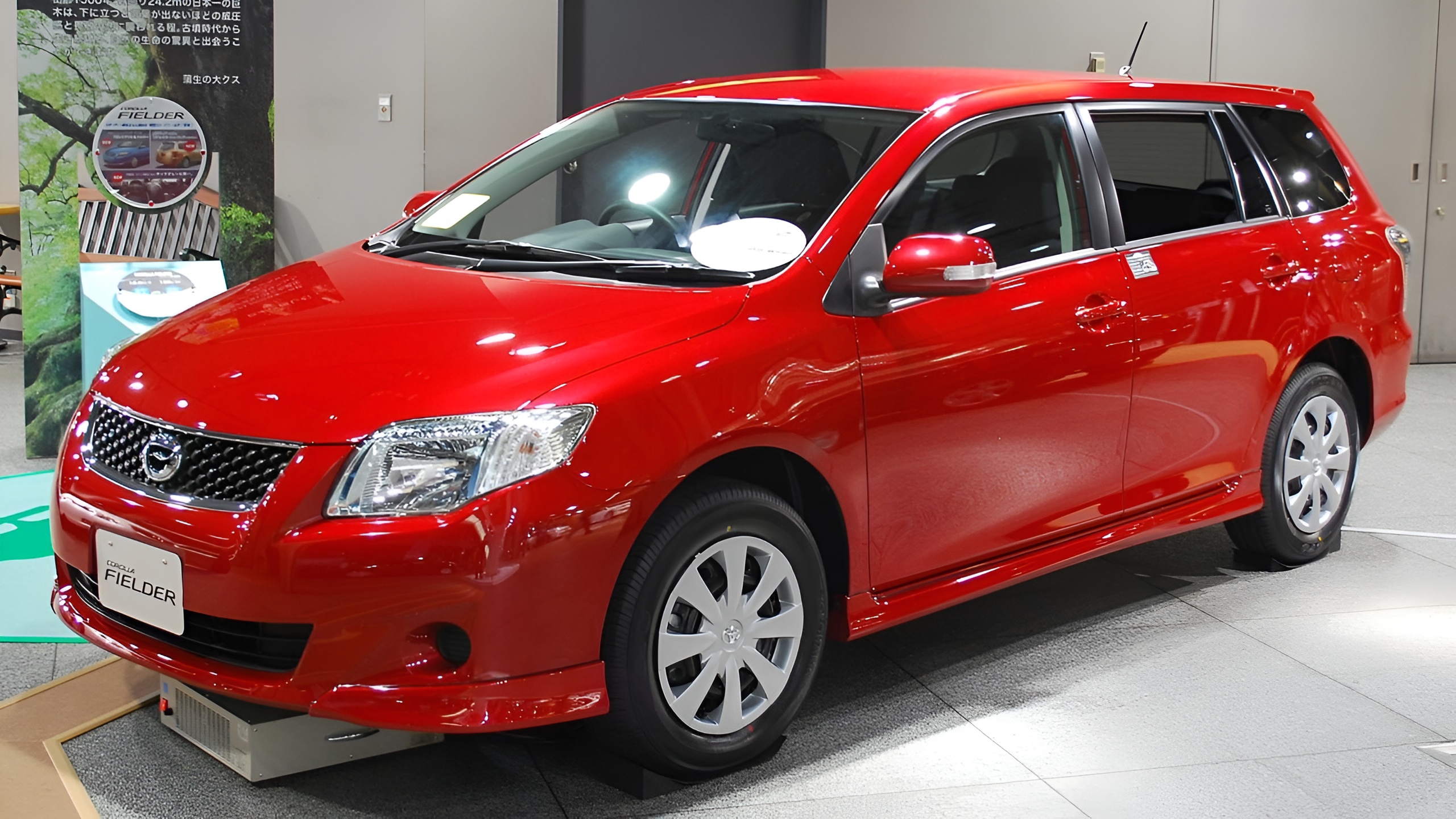
The ultimate real-world test of this philosophy arrived during the 1973 Global Oil Crisis. When world oil prices quadrupled almost overnight, American car buyers abandoned heavy, gas-guzzling V8 vehicles built in Detroit and turned to small, ultra-efficient Japanese imports like the Toyota Corolla.
While competing domestic cars often suffered complete transmission or engine failure before reaching 100,000 miles, Toyotas routinely reached 200,000 to 300,000 miles with basic, routine maintenance. By 2008, Toyota officially surpassed General Motors to become the world’s largest automaker, ending GM’s 77-year reign at the top of the global market.
Toyota vehicles do not last forever because of secret alloys or magical luck. They endure because Toyota makes a conscious, deliberate business choice: prioritizing absolute mechanical reliability over speed, and long-term perfection over rapid, untested innovation. Whenever you buy a car, you are not merely paying for steel, rubber, and glass. You are paying for the operational philosophy of the company that built it.