Summer is the perfect time for families to take a break from their daily routines and spend quality time together. Family vacations create opportunities to make lasting memories, strengthen relationships, and enjoy new experiences. However, traveling with children and teens can sometimes be challenging.
Different personalities, schedules, and expectations can lead to stress if they are not handled thoughtfully. Understanding your children's needs and planning with them in mind can make a big difference. Here are eight tips to help create a summer vacation that your kids will truly enjoy.
Honoring Your Kids' Circadian Rhythms
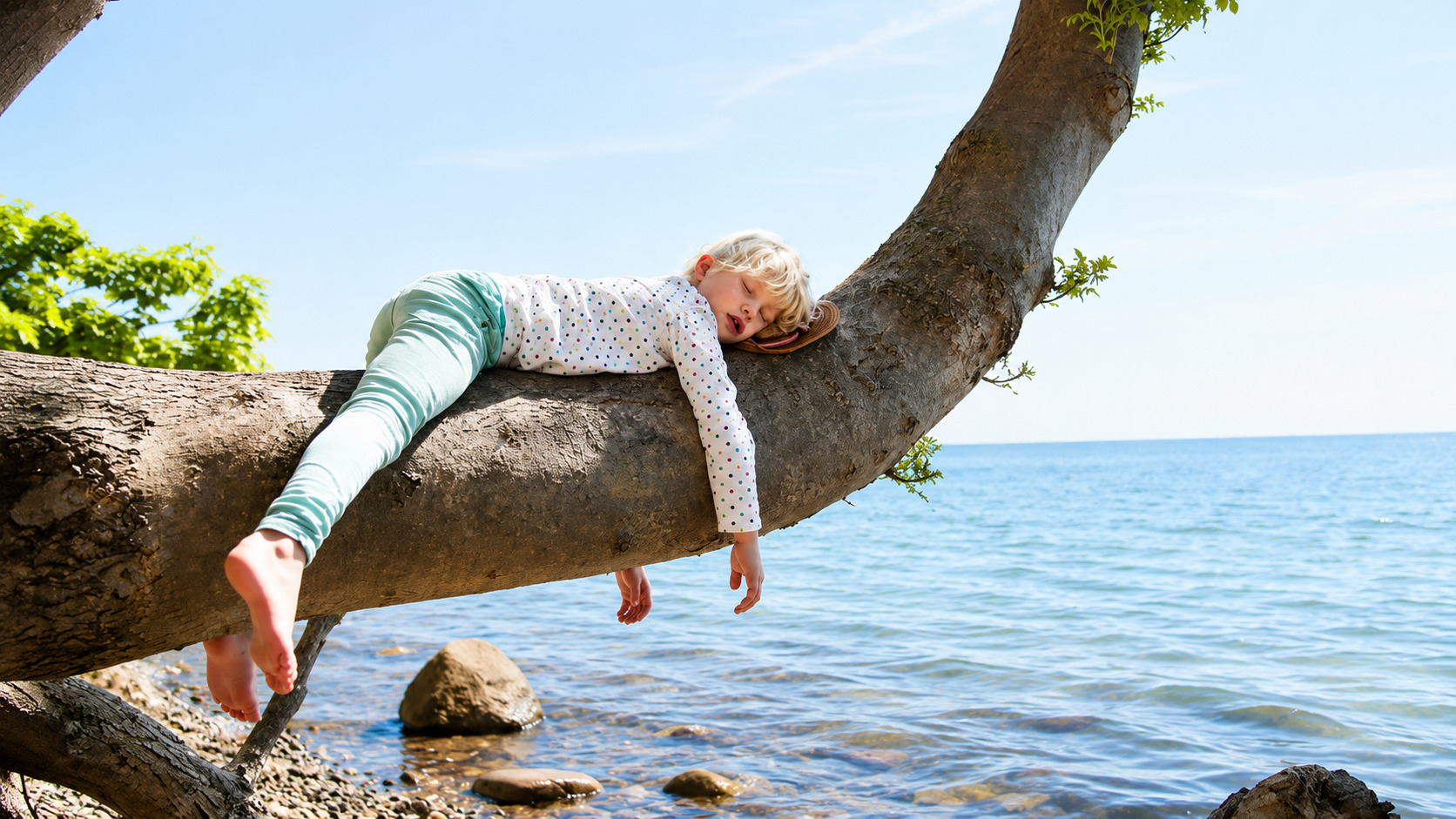
Many parents like to start their vacation days early, whether it's for sightseeing, travel plans, or activities. However, it is important to remember that teenagers naturally have a delayed circadian rhythm. During adolescence, their bodies are programmed to fall asleep later and wake up later. This means that their need for extra sleep is greater than at any other stage of life.
Expecting them to wake up early every day without complaints can lead to frustration for everyone involved. Whenever possible, try to schedule activities later in the morning and allow your teen enough time to rest. A well-rested teen is more likely to have a positive attitude and enjoy the vacation experience.
Also Read: Why Road Trips Are Good for You
Don't Expect The Kids To Act Out Of Character
A change in location does not automatically change a child's personality. If your teen dislikes surprises, they are unlikely to enjoy constant changes to plans during a vacation. Likewise, if they struggle with social anxiety, they may not be excited about large family gatherings or crowded events.
Keeping them informed about schedules and upcoming activities can help them feel more comfortable and prepared. If unexpected changes occur, be patient and understand that some resistance is normal. Respecting their personality and allowing time for rest or decompression between activities can help make the trip smoother and more enjoyable for everyone.
Keep Your Own Stress In Mind
Family vacations can sometimes bring unexpected stress for parents. Being in close quarters with family members for extended periods can stir up old memories, frustrations, or unresolved feelings from your own childhood vacations. In addition, trying to manage travel arrangements, schedules, and everyone's expectations can feel overwhelming.
It is important to recognize your own emotions and stress levels before they affect your interactions with your family. Taking time to relax, stay flexible, and manage your stress can help create a more positive atmosphere. When parents remain calm and patient, children are more likely to do the same.
Remember That Teens Are Not Mini Adults
Although teenagers may look mature, their brains are still developing. They often see situations differently than adults and may not always understand the importance of family activities. For example, they may not appreciate spending time with grandparents in the same way their parents do. Their priorities are often focused on friendships, personal interests, and their own experiences.
This is a natural part of adolescence and should not be viewed as selfishness. Understanding that teens think differently can help parents be more patient and avoid unnecessary conflicts. Instead of expecting them to react like adults, try to appreciate their perspective and guide them with empathy.
Also Read: 13 Cars Named After Real Places
Give Them Autonomy Where You Can
Children and teens are more likely to cooperate when they feel that their opinions matter. Giving them some control over decisions can help reduce resistance and make them feel included in the vacation experience. This does not mean allowing them to plan the entire trip, but rather offering choices whenever possible.
For example, you might ask whether they would like to spend the afternoon shopping, relaxing by the pool, or exploring a local attraction. Small choices can give them a sense of independence and ownership. When children feel respected and involved, they are often more willing to participate in family plans.
Let Them Show Off Their Talents
Vacations are more enjoyable when everyone has a chance to do something they genuinely enjoy. Consider planning activities that allow your children to use their talents, pursue their interests, or simply have fun in ways that are meaningful to them. If they enjoy sports, include outdoor activities or games.
If they are creative, look for opportunities that encourage artistic expression. Just as adults have preferences about how they like to spend their free time, children and teens do too. Recognizing and supporting their interests can lead to more rewarding experiences and happier memories for the entire family.
Remember: Negativity Could Be Temporary

Children's moods can change quickly, especially during vacations when routines are disrupted, and emotions can run high. A teen who seems excited one moment may appear irritated or uninterested the next. It is important not to take these mood swings personally.
If your child complains about family traditions, expresses boredom, or becomes grumpy about plans, remember that these feelings are often temporary. Staying calm, understanding, and patient can help prevent small frustrations from becoming larger conflicts. Maintaining a positive attitude can also strengthen your relationship with your child in the long run.
Also Read: How to Stay Safe While Hiking Solo: 6 Essential Tips
Create Traditions
Family traditions play an important role in creating meaningful memories and strengthening family bonds. Whether it is visiting the same destination each year, staying in a favorite vacation home, enjoying a special meal together, or participating in a fun activity, traditions give families something to look forward to.
Teens may not always show enthusiasm for these traditions and may even respond with an eye roll, but that does not mean they do not value them. As children grow older, these shared experiences often become some of their most cherished memories. Traditions also provide opportunities for kids to contribute their own ideas and create new family customs that can continue for years to come.