
In a world where most of us spend our days staring at screens, responding to emails, and scrolling through social media, a road trip can be a refreshing escape. Beyond the excitement of exploring new places, road trips offer several mental, emotional, and even physical health benefits.
Road trips can help reduce stress, improve mood, strengthen relationships, and even enhance brain function. Whether you're planning a weekend getaway or a cross-country adventure, hitting the open road can be one of the healthiest forms of travel.
A Natural Break from Technology

One of the biggest benefits of a road trip is the opportunity to disconnect from technology. Most people spend a large part of their day using smartphones, computers, and other digital devices, and the constant stream of notifications, emails, and social media updates can create mental fatigue while making it difficult to stay focused on the present moment. A road trip naturally encourages you to look away from screens and pay attention to the world around you.
Instead of scrolling through a phone, you may find yourself admiring scenic landscapes, engaging in meaningful conversations, or simply enjoying the journey. This shift in focus allows the mind to slow down and become more mindful. Being present in the moment has been linked to lower stress levels and improved emotional well-being, making a road trip an ideal environment for a mental reset.
Also Read: How to Pack Light: 10 Smart Tips for Stress-Free Travel
Road Trips Boost Feel-Good Hormones
Traveling with friends, family members, or a partner can strengthen relationships in meaningful ways. Planning routes, exploring new destinations, and overcoming unexpected challenges together all contribute to emotional bonding. These shared experiences trigger the release of oxytocin and dopamine, two important chemicals in the brain.
Oxytocin, often referred to as the “bonding hormone,” helps create feelings of trust, connection, and safety while reducing the body’s stress response by lowering heart rate and promoting relaxation.
Dopamine, on the other hand, is associated with pleasure, reward, and motivation. Discovering a beautiful destination, completing a long drive, or enjoying a memorable experience can increase dopamine levels, creating feelings of happiness and satisfaction. Together, these chemicals help make road trips enjoyable and emotionally rewarding experiences.
New Experiences Make Your Brain Stronger
One of the most exciting aspects of road travel is the opportunity to experience something new. Whether it is trying a local dish, visiting an unfamiliar town, or taking a scenic route you have never traveled before, every new experience challenges the brain. When people follow the same routine every day, the brain tends to operate on autopilot.
However, unfamiliar situations force the brain to adapt and learn, improving cognitive flexibility, the ability to adjust to changing circumstances, and think from different perspectives. Navigating an unexpected detour, discovering a hidden attraction, or making spontaneous travel decisions encourages problem-solving and creativity. These experiences can sharpen the mind, build resilience, and make it easier to handle challenges in everyday life.
The Power of Awe and Wonder

Many road trips include moments that leave a lasting impression. Watching a stunning sunset, standing in front of a waterfall, seeing wildlife in its natural habitat, or gazing across a mountain range can create a powerful feeling known as awe. Awe occurs when people encounter something so beautiful, vast, or extraordinary that it inspires wonder and amazement. Research suggests that experiences of awe can improve mood, reduce stress, and increase feelings of gratitude.
These moments also have a profound impact on the brain by helping create new neural pathways through a process called neuroplasticity, which is the brain’s ability to reorganize and form new connections throughout life. Because such experiences are emotionally meaningful, they are often stored more deeply in memory, which explains why people can vividly recall details from a special road trip years later.
Also Read: How to Stay Safe While Hiking Solo: 6 Essential Tips
How Road Trips Help Reduce Stress
Although travel can sometimes be stressful, road trips offer unique opportunities to manage stress effectively. Focusing on three basic needs, getting enough sleep, staying hydrated, and eating regular meals, can make a significant difference. When people are tired, hungry, or dehydrated, they become more vulnerable to stress and frustration. Carrying water and healthy snacks in the car can help prevent mood swings and maintain stable energy levels throughout the journey.
Planning ahead can also reduce anxiety. If traffic, delays, or the possibility of being late tend to cause stress, building extra time into your schedule can help you feel more relaxed. Understanding personal stress triggers and preparing for them in advance can make the entire travel experience more enjoyable.
Spending Time in Nature Improves Mental Health
Road trips often provide opportunities to spend time outdoors. Whether it is a short walk, a scenic viewpoint, a nature trail, or a visit to a national park, even brief contact with nature can deliver significant health benefits.
Research has shown that spending time outdoors can lower blood pressure, reduce cortisol levels, slow heart rate, improve mood, and increase feelings of calm and relaxation. Some experts refer to this as “forest therapy” or “nature therapy.” Even a 15-minute break in a natural environment can help refresh the mind, reduce stress, and improve overall well-being.
Why Planning Ahead Matters
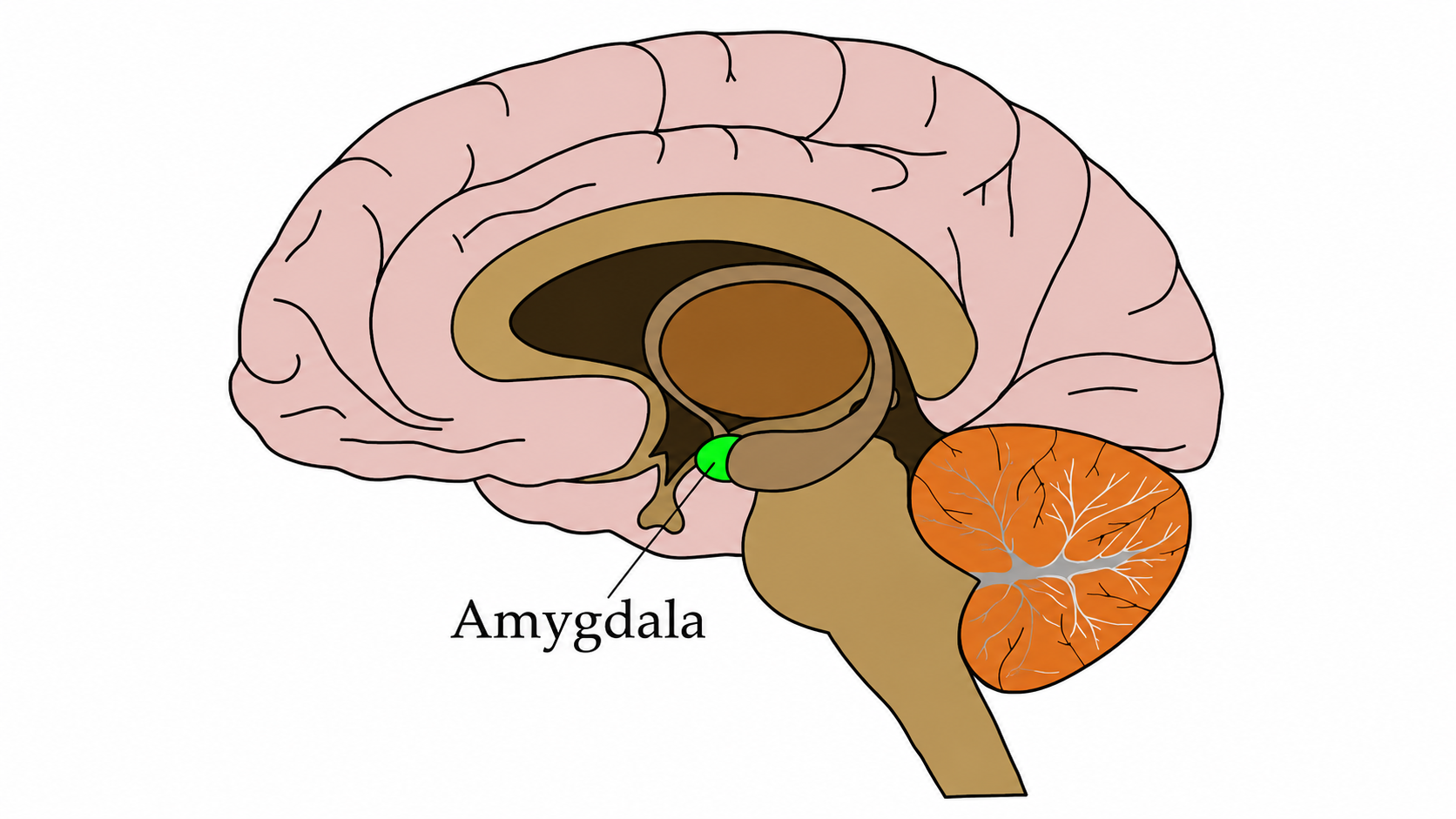
While spontaneous adventures can be exciting, some preparation can significantly improve the road trip experience. The brain feels calmer when it is prepared. This is partly because of a small structure in the brain called the amygdala, which functions like an internal alarm system. When the amygdala detects a potential problem, such as a fully booked campground or an unexpected road closure, it activates the body’s stress response.
Stress hormones are released, heart rate increases, muscles tighten, and the body prepares to react. By researching destinations, checking routes, and identifying backup plans in advance, travelers can reduce uncertainty and avoid unnecessary stress. Preparation does not remove the sense of adventure from a road trip; rather, it creates a feeling of security that allows people to enjoy the journey more fully.
Also Read: 10 Common Hotel Check-In and Checkout Mistakes to Avoid for a Better Stay
Choosing the Right Road Trip for You
Not everyone enjoys the same type of travel experience. Some people feel happiest exploring mountains, forests, and natural landscapes, while others prefer vibrant cities, museums, restaurants, and cultural attractions. The key is to design a road trip that aligns with your interests and personality.
If you are traveling with others, discussing expectations beforehand is equally important. Agreeing on activities, travel pace, and priorities can help prevent misunderstandings and ensure a more enjoyable experience for everyone involved. Simple additions such as music playlists, podcasts, or audiobooks can also enhance the journey and create shared memories.
Extending the Vacation Afterglow
Many travelers experience what psychologists call the “vacation afterglow” when they return home. After spending time away from work and daily responsibilities, people often feel happier, more relaxed, and more energized. Unfortunately, these positive feelings can fade as normal routines resume.
Allowing some transition time between the end of a trip and the return to everyday life can help the brain adjust gradually rather than immediately jumping back into work and responsibilities. Keeping a travel journal, creating a photo album, or sharing stories with friends and family can also help preserve positive memories and extend the emotional benefits of the trip.
Why Road Trips Can Be Better Than Other Vacations
Compared to many other forms of travel, road trips offer a unique sense of freedom and flexibility. Unlike organized tours or tightly scheduled vacations, road trips allow travelers to change plans whenever they choose.
You can stop at an interesting roadside attraction, spend an extra day in a favorite location, or take a scenic detour simply because it looks appealing. This flexibility reduces pressure and allows people to travel at their own pace. As a result, road trips often feel less stressful and more enjoyable than vacations that follow rigid schedules.