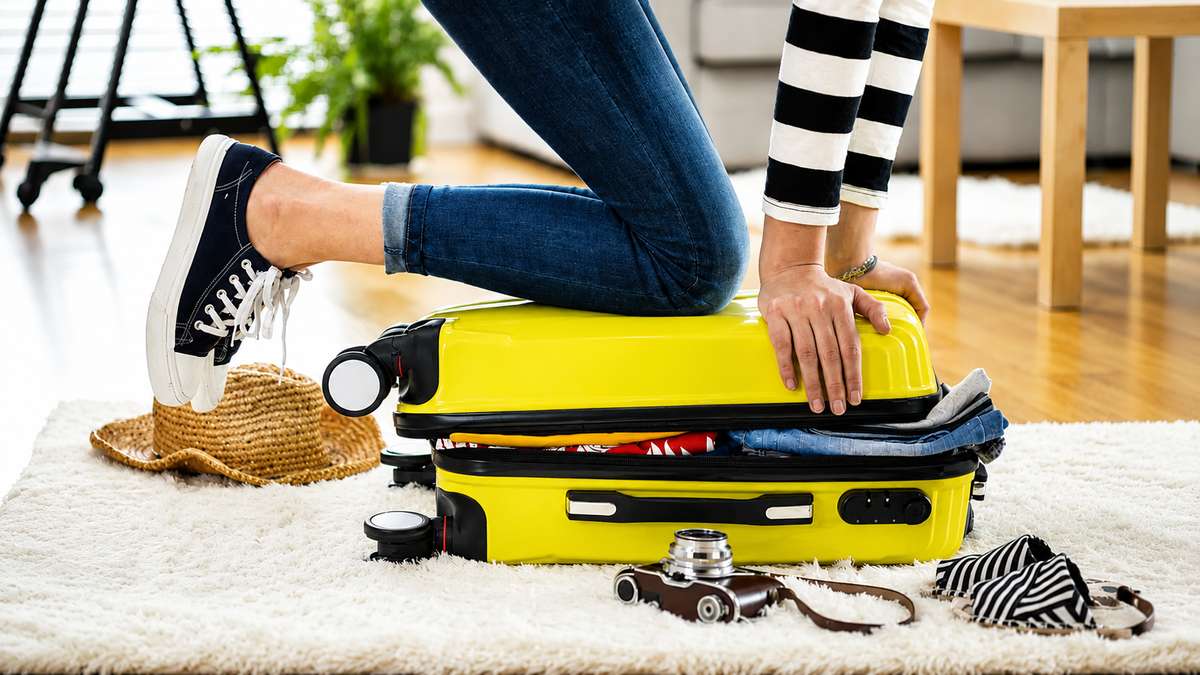
Traveling should be exciting and enjoyable, but many people begin their trips with heavy luggage filled with things they never end up using. It is easy to overpack because we want to be prepared for every possible situation. We worry about changing weather, unexpected plans, or the possibility of needing something that may never be used. As a result, our bags become heavier, travel becomes more stressful, and moving from one place to another becomes less convenient. Packing light does not mean giving up comfort or leaving behind important items. Instead, it means bringing only what you truly need. When done correctly, packing light can save money, reduce stress, and make every part of your journey easier.
Understand Why the Habit of Overpacking Is So Hard to Break
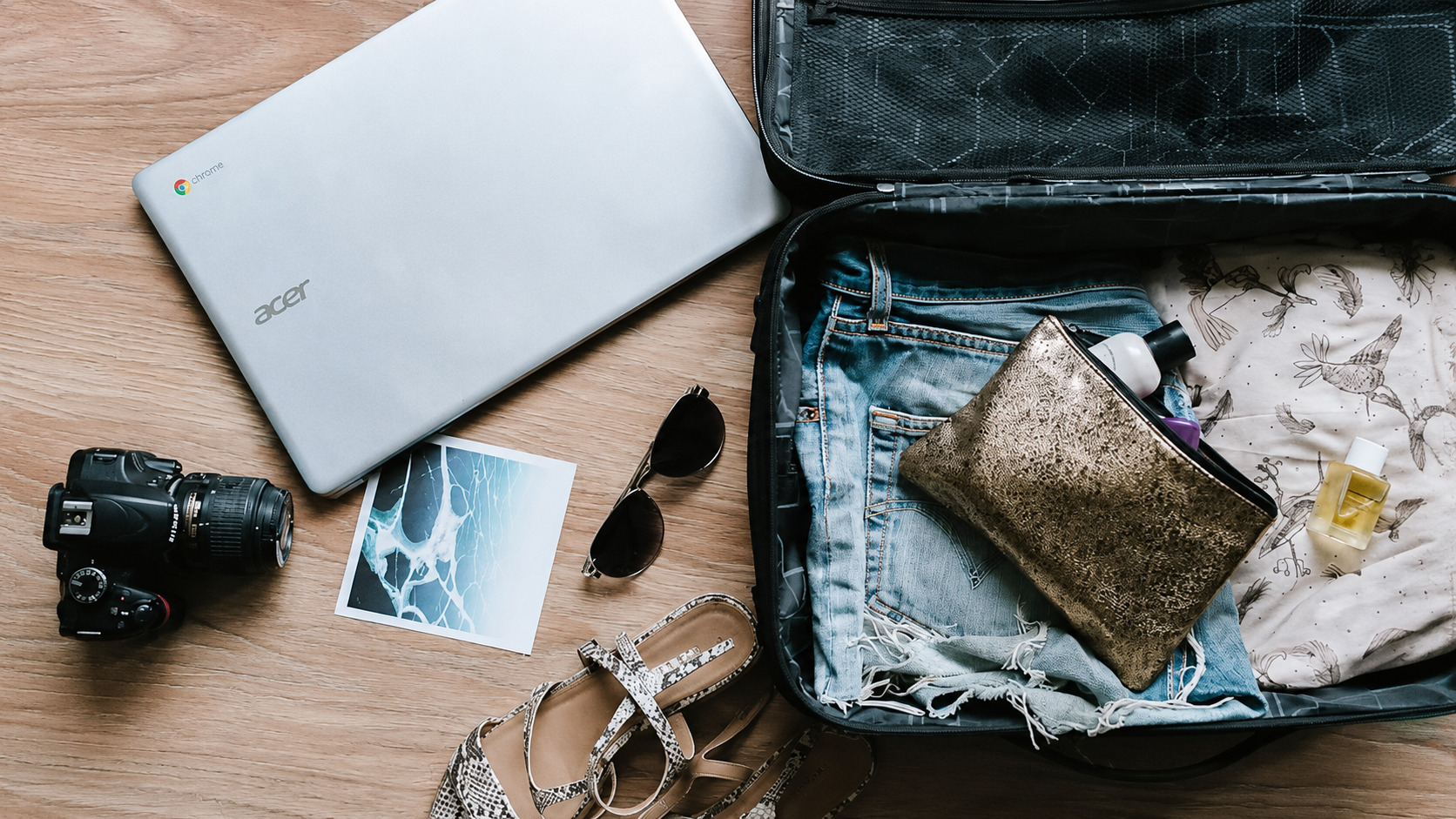
Before learning how to pack light, it is important to understand why overpacking happens in the first place. Most travelers pack extra items because they want to be prepared for every situation. The fear of forgetting something important often leads people to fill every available space in their luggage. Many travelers have packed clothes, shoes, or accessories that never left the suitcase during the entire trip.
Learning to pack lighter takes time and experience. Most people do not become efficient packers overnight. Every trip teaches valuable lessons about what was actually needed and what could have been left behind. It is also important to remember that packing light looks different for everyone. What works for one traveler may not work for another, depending on the destination, travel style, and personal preferences. Developing your own packing system is often more effective than following someone else's checklist.
Also Read: 10 Common Hotel Check-In and Checkout Mistakes to Avoid for a Better Stay
Choose a Smaller Bag on Purpose
One of the simplest ways to pack less is to choose a smaller bag. When a suitcase or backpack has extra room, most people naturally feel the urge to fill it. A smaller bag creates a limit that forces you to think carefully about what is truly necessary. This simple restriction often leads to better packing decisions.
Many experienced travelers use only carry-on luggage, even for longer trips. While this may seem difficult at first, it becomes easier with practice. A good carry-on bag can also make travel much more convenient. It allows you to move through airports faster, avoid waiting at baggage claim, and save money on checked luggage fees. Choosing the right bag is often the first step toward becoming a lighter and smarter traveler.
Use a Written Packing List and Then Cut It Down
Creating a packing list before you start packing can make a huge difference. Writing down every item you plan to bring helps you see exactly what is going into your luggage. When everything is listed on paper, unnecessary items become much easier to identify.
After making the list, review it carefully and separate the things you truly need from the things you simply want. Many travelers discover that they can remove several items without affecting their trip at all. If you are unsure whether you will use something, it is often best to leave it behind. Most destinations have stores where forgotten items can be purchased if necessary. A well-planned packing list helps prevent impulse packing and keeps your luggage focused on essentials.
Master the Art of Versatile Clothing
Choosing versatile clothing is one of the most effective ways to reduce the size of your luggage. Clothes that can be mixed and matched allow you to create multiple outfits without bringing a large wardrobe. Every top should ideally work with every bottom, making it easy to build different combinations with fewer pieces.
Layering is another important strategy. Instead of packing bulky clothing, choose lighter items that can be worn together when temperatures drop. A simple combination of shirts, lightweight sweaters, and a compact jacket can provide flexibility for different weather conditions. Sticking to neutral or darker colors also helps because they coordinate easily and tend to look clean for longer periods.
Invest in Fabrics That Work Harder

The fabrics you choose can have a major impact on how much clothing you need to pack. Lightweight, breathable, and quick-drying materials are ideal for travel because they are comfortable and easy to maintain. These fabrics can often be washed and dried quickly, making them practical for longer trips.
Merino wool is especially popular among experienced travelers. It naturally resists odors, regulates body temperature, and remains comfortable in a variety of conditions. Because merino wool stays fresh longer than many other fabrics, travelers can wear it multiple times before washing. This reduces the number of clothing items needed and creates more space in the bag.
Also Read: 17 Tips to Manage a Fear of Flying
Plan Around Laundry, Not Around Packing More
One of the biggest mistakes travelers make is packing enough clothes for every single day of their trip. A better approach is to plan for laundry. By washing clothes during your journey, you can dramatically reduce the amount you need to bring.
Many hotels, vacation rentals, and hostels offer laundry facilities, while laundromats are available in most cities around the world. Even washing a few items by hand can help keep your clothing supply fresh. Packing enough clothes for about four to seven days is often sufficient, regardless of how long the trip lasts. This simple shift in thinking can significantly reduce the weight and size of your luggage.
Use Packing Cubes to Multiply Your Space
Packing cubes are a useful tool for keeping luggage organized and maximizing available space. These small zippered compartments help separate different types of clothing and accessories, making it easier to find items when needed.
Many travelers combine packing cubes with the rolling method, which helps compress clothing and improve organization. Beyond saving space, packing cubes can also reduce stress. Instead of searching through an entire suitcase, you can quickly locate what you need. Staying organized throughout a trip makes packing and unpacking much easier and contributes to a more enjoyable travel experience.
Apply the 10-Dollar Rule for Toiletries and Basics
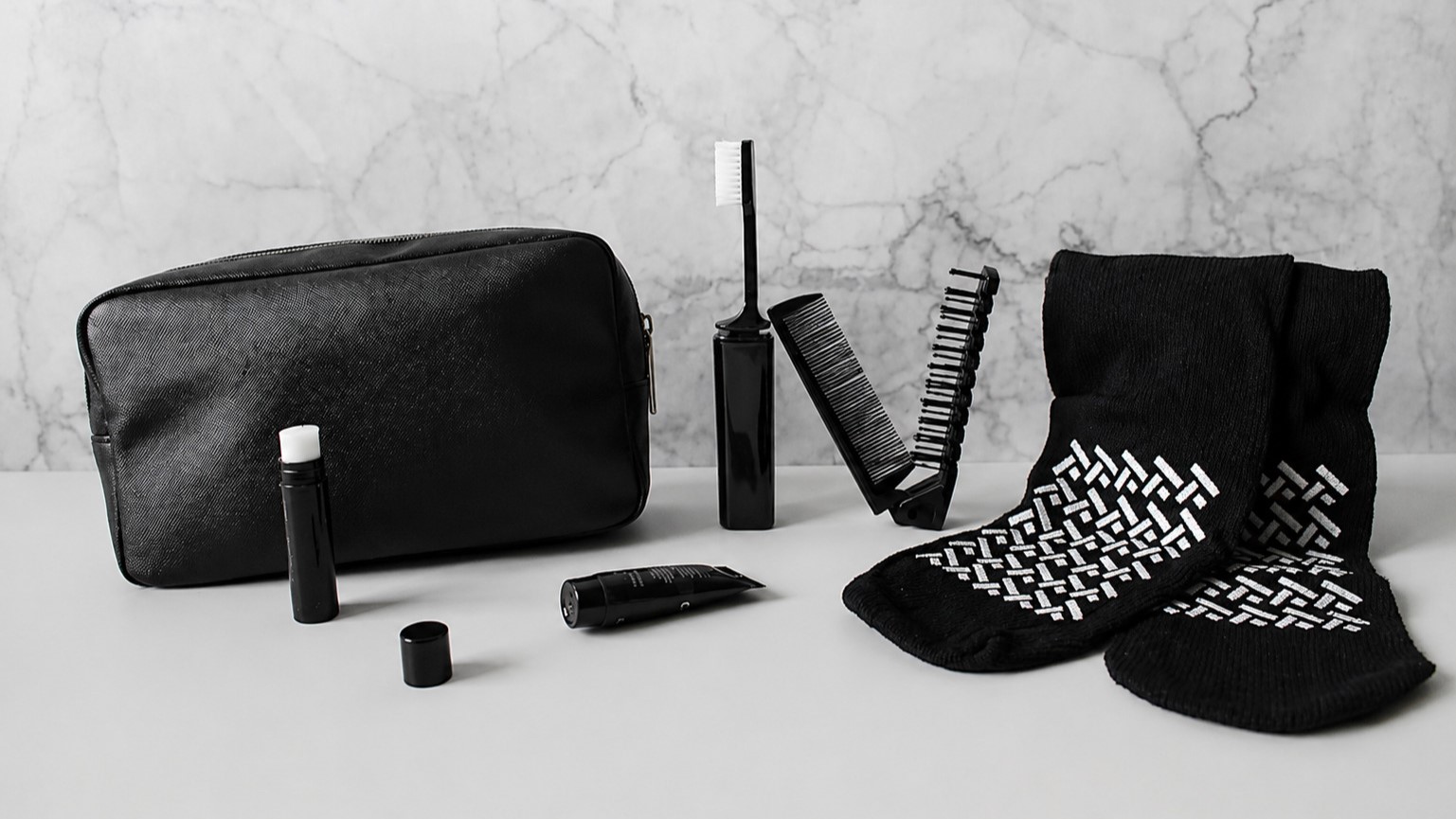
Many travelers pack items that can easily be purchased after arriving at their destination. Products such as sunscreen, shampoo, shaving cream, and other basic toiletries are usually available almost everywhere.
A useful guideline is the 10-dollar rule. If an item can be replaced within ten minutes for less than ten dollars, there is usually no reason to pack it. This approach helps reduce unnecessary clutter and encourages a more practical mindset. Instead of worrying about every possible item you might need, you can focus on what is truly important and trust that most everyday products can be obtained when necessary.
Know the Real Financial Cost of Checking a Bag
Packing light is not only about convenience. It can also save a considerable amount of money. Airline baggage fees have increased significantly in recent years, making checked luggage more expensive than ever. What seems like a small fee can quickly add up, especially for families or frequent travelers.
Traveling with only a carry-on bag eliminates these extra costs and simplifies the airport experience. There is no need to wait at baggage claim or worry about lost luggage. Over time, the savings from avoiding checked baggage fees can easily justify investing in a high-quality carry-on bag.
Also Read: 8 Tips for How To Sleep Comfortably on a Plane
Keep Your Non-Negotiables Non-Negotiable
While reducing luggage is important, certain items should never be left behind. Essential medications, travel documents, chargers, and other necessities deserve a place in every travel bag. Packing light should never mean sacrificing items that are critical to your comfort, health, or safety.
Before packing any item, consider how likely you are to use it. If there is little chance it will be needed, it may be better left at home. However, if an item plays an important role in your travel experience, it is worth bringing. The goal of packing light is not to deprive yourself but to focus on what truly matters.
The Right Bag Is the One You Can Carry Easily
There is a unique sense of freedom that comes from traveling with a bag that contains exactly what you need and nothing more. Packing light allows you to move more comfortably, spend less money, and enjoy your trip with fewer worries. It encourages thoughtful decision-making and helps travelers focus on experiences rather than possessions.
The tips in this guide are not strict rules but practical suggestions that can be adapted to different travel styles. With practice, most people discover that they need far less than they originally thought. In fact, travelers rarely wish they had packed more. More often, they wish they had packed less. Keeping that in mind, the next time you prepare for a trip may help you travel lighter, smarter, and with greater confidence.