Hundreds of civilians from Washington, D.C., packed picnic baskets and other items and rode out to the Virginia countryside, expecting a show in 1861. Little did they know, they would witness the first major bloodbath of the American Civil War. Joe Yogerst of CNN called it "the worst picnic in history."
Sounds terrifying? But this impulse never really left us, and multiple places in the world have faced similar or more tragic events. People love visiting such places, and these days it is called Dark tourism. According to Duncan Madden in Forbes, dark tourism is used to describe travel to places that are historically linked to death and tragedy.
It might have been happening since the Roman gladiatorial era, but its modern form is quite different and more organized. According to Joe Yogerst, there are two types of dark tourists: those chasing unstable nations like Afghanistan or Haiti, and those visiting history's "frozen clocks," from Jonestown to Cambodia's execution grounds.
Many researchers rely on a framework proposed by Philip Stone in 2009 and outlined by the Deggendorf Institute of Technology. It ranks dark tourism sites by how dark their intent is, from commercial entertainment to genuine political reflection across seven categories.:
- Dark Fun Factories — commercial entertainment built on fictional or real death, like Dracula Park.
- Dark Exhibitions — death-related displays for education or commemoration, often anatomical or health-focused.
- Dark Dungeons — sites blending education and entertainment through historical justice and ancient criminal codes.
- Dark Resting Places — cemeteries and burial grounds, largely ethical and commemorative in purpose.
- Dark Shrines — spontaneous memorials tied to recent death, never built for tourism but culturally significant regardless.
- Dark Conflict Sites — historically non-functional locations representing political struggle, increasingly commercialized.
- Dark Genocide Camps — the spectrum's darkest point, centered on catastrophe and atrocity.
When Industry Turns Deadly: Bhopal and Chernobyl
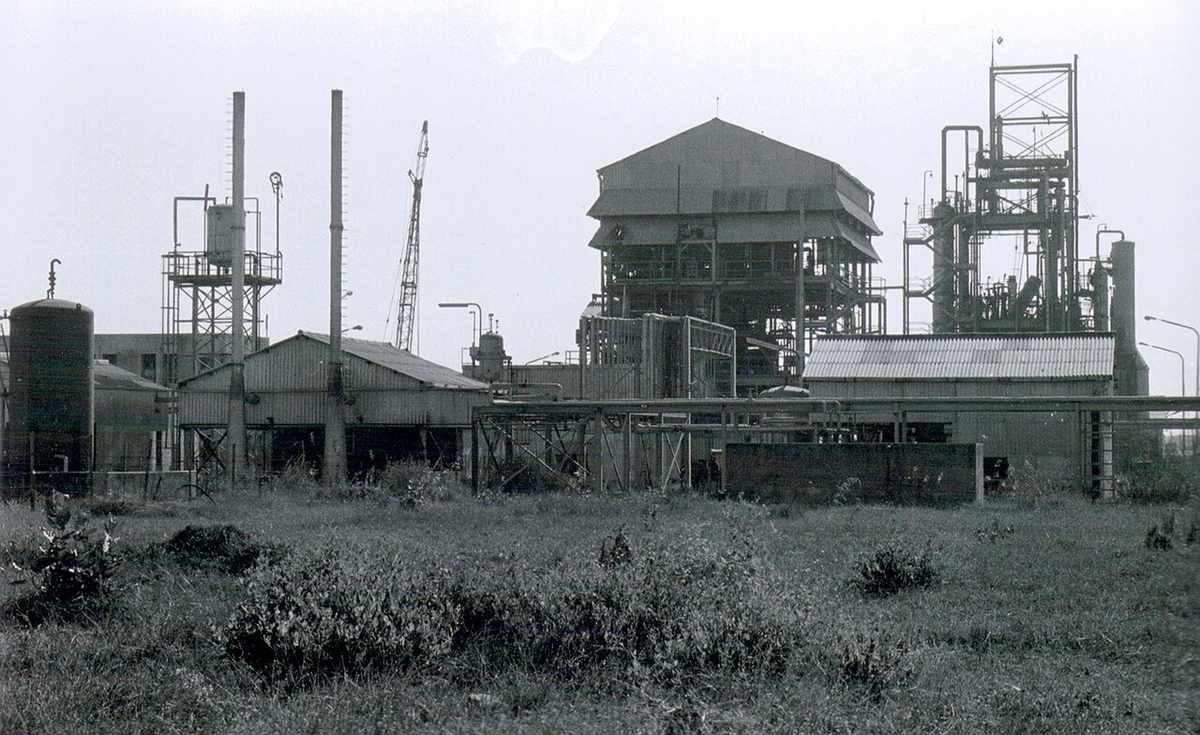
We often think of camps or battlefields when we think of mass tragedies, but some of them are nothing but the wreckage of industrial failure. Edward Broughton believes the 1984 Bhopal disaster is one such case, where a leak of forty tons of methyl isocyanate gas from a pesticide plant killed at least 3,800 people almost immediately.
Broughton's data shows that the number didn't stop at the initial deaths, as many victims ended up suffering ulcers, chemosis, pulmonary edema, and pneumothorax after the disaster. For a long time, researchers widely saw the $470 million settlement Union Carbide paid as inadequate, and it was built on estimates that badly underestimated how long the suffering would last.
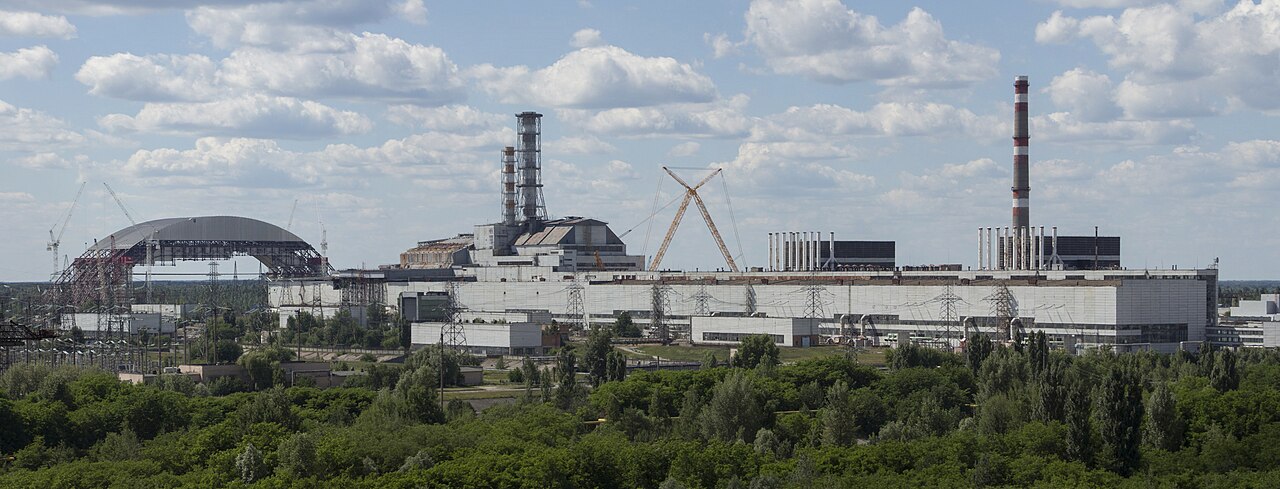
Today, Bhopal might have many tourist places. Still, it is also a site of ongoing mourning, a place where ordinary citizens paid the cost of industrial negligence, even after so many decades. Similarly, people are aware of Chernobyl. Similarly, Pripyat in Northern Ukraine received a footfall of over 70,000 in 2021, even though it is a ghost town with zero residents. Tourism spiked in 2019 because of the HBO series on the event, but the ongoing war and the active radioactivity stop many people.
Also read || Top Workation Trends In 2026: The New Way To Travel
Memorials That Force Us to Look
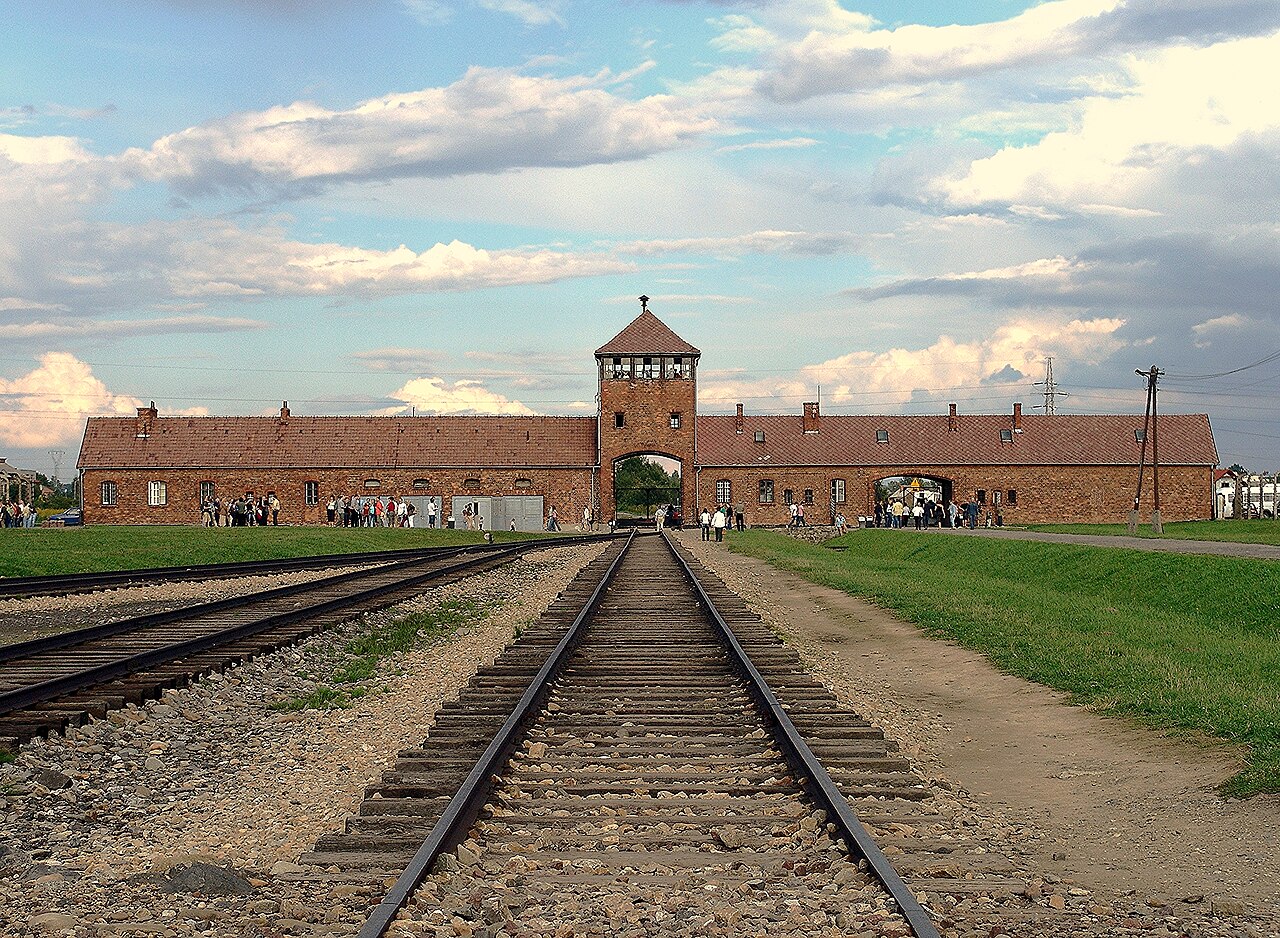
The purpose of a dark tourism site is not to entertain but to educate, and confront visitors with mass-casualty history which they'd be more likely to ignore. Across continents, societies preserve the precise locations of catastrophic violence to counter collective amnesia. The grounds that witnessed genocide, warfare, and mass murder transformed into public institutions, functioning both as resting places and warnings against future atrocities.
When we talk about Europe, we can see how architectural remains of systematic slaughter are preserved in Poland and Bosnia and Herzegovina. Auschwitz-Birkenau became a global symbol of the Holocaust. At the same time, the Srebrenica-Potočari Memorial and Cemetery represents how 8,000 Bosnian Serb forces massacred Bosniak men during the Bosnian War, which lasted from 1992 to 1995. That massacre became the first legally recognized genocide on European soil since World War II.
Similarly, in Asia, the Choeung Ek Genocidal Center in Cambodia has one of the most prominent mass graves across the country. It happened because the Khmer Rouge regime executed hundreds of thousands of people between 1975 and 1979. It is claimed that around 1.5 to 2 million lives were affected nationwide. Moreover, nobody can ever forget what happened in Hiroshima in 1945, which caused an estimated 140,000 deaths by the end of that year, and the Hiroshima Peace Memorial ensures that it pays homage to all those who lost their lives.
Furthermore, the 9/11 Memorial & Museum in New York City marks the modern nexus of mass-casualty events, which fundamentally changed the United States, International Relations, and the lives of ordinary citizens. Around 2,977 people, including the hijackers, were killed during the event. Though most of these events were tragic and caused mass casualties, people visit these places to understand what humans are unfortunately capable of. Each site relies on rigorous historical documentation, forensic evidence, and survivor remembrance over conventional media sensationalism.
Also read || The European Train Ticket Rule Most Americans Don’t Know
Why We Go — and What We Owe the Dead
The reasons behind visiting these dark places are not as ghastly as it seems. The CNN interview with Yogerst featured four recurring drivers: Arnaud Kirby, who was an avid history-focused traveler; Alex Hobbs, an Australian guide who visits high-risk regions; Hayley Kennedy, a visually impaired traveler on a mission to visit 193 countries; and H.E. Sawyer, who loves exploring places associated with tragedy. Besides, people love history firsthand, genuine cultural curiosity, and warm, authentic encounters with locals, even in under-visited regions of Central Africa.
A traveler also told Yogerst that the objective of this travel is to look past "dehumanizing representations" of countries routinely vilified in conventional media. For instance, Hayley Kennedy visited 193 recognized UN states, including Somalia and North Korea, to see the world from a different perspective, before losing her eyesight permanently. Moreover, the media industry has an ethical problem, due to which many places suffer from "selective interpretation". Instead of explaining why someone shouldn't visit, they entertain the masses and discourage visitors from asking harder questions.
Professor J. John Lennon of Glasgow Caledonian University cautions that primary evidence at Cambodia's Tuol Sleng (S-21) site, including Khmer Rouge photographic records and extracted confessions, is decaying with time. If that evidence disappears, he argues, dominant ideologies gain more room to rewrite or sanitize what actually happened, leaving future visitors with a softened version of a brutal truth. In simpler words, the tension behind dark tourism never fully resolves, and the reason why people visit these historical sites is to ensure it is not repeated, but unfortunately, it never happens. The victors always write history, and you never get to hear the perspective of the others.