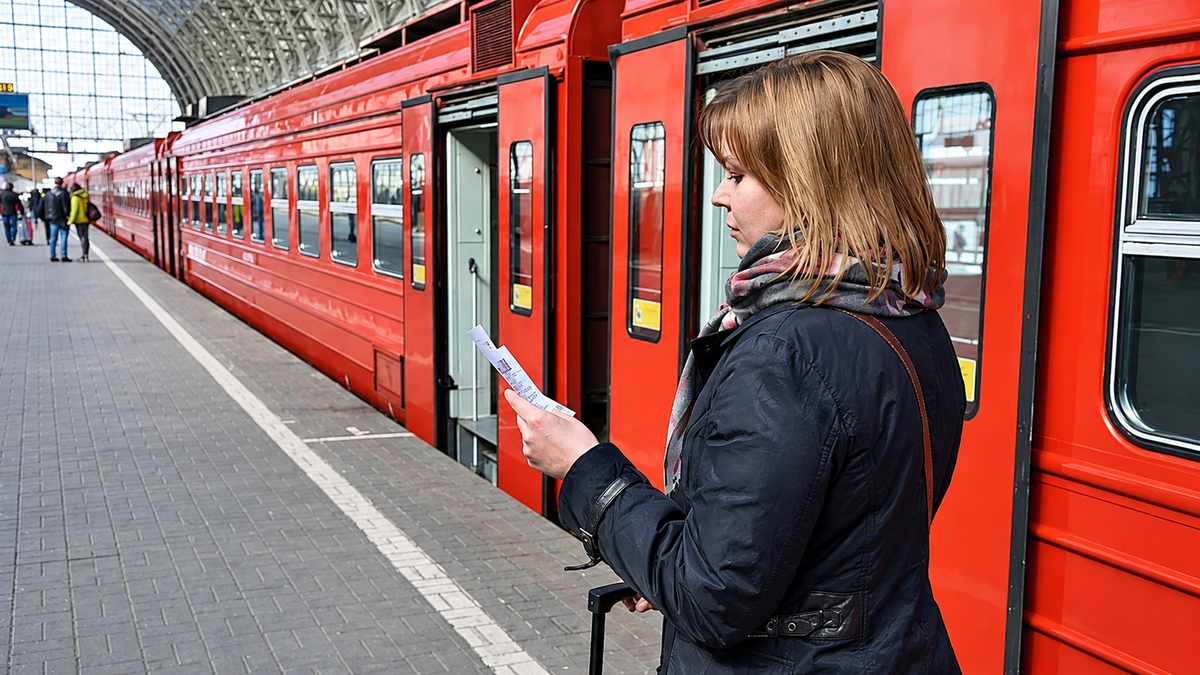
Many American travelers think buying a train ticket is enough. In the United States, once you pay for a ticket, you usually just keep it with you and show it if needed. But in many European countries, buying the ticket is only one part of the process. A ticket can be printed, downloaded, saved on a phone, or fully paid for and still be considered invalid during inspection. That is the mistake many tourists do not realize until they are fined. European transport systems often care less about whether you paid and more about whether the ticket was properly validated for that specific ride at that exact time. Some tickets need to be stamped before boarding. Some mobile tickets need activation before the trip starts. Other systems require passengers to check in and check out. The rules change depending on the country, city, train operator, and ticket type. Many tourists become confused because several European train and transit systems have open platforms with no ticket gates or barriers. Travelers can walk directly onto the train, which makes the system appear casual and relaxed. But inspections usually happen after boarding, and inspectors may issue fines if the ticket was not validated correctly, even if the passenger already paid for it.
Also Read: Why Japan Has ‘Blue Traffic Lights’ Instead of Green
Why Buying the Ticket Is Sometimes Not Enough
The biggest mistake many tourists make is assuming the purchase itself completes the process. In several European transit systems, a ticket only becomes valid after one extra step. That step may activate the ticket, begin its valid time period, or connect it to the current journey. Without that action, inspectors may still treat the ticket as invalid. This often surprises visitors because there may be no obvious warning at the station. A traveler can buy a ticket, walk onto the platform, and board the train without seeing any barriers or staff members checking tickets. The system may look informal, but many European cities use random ticket inspections instead of gates. When inspectors check tickets during the trip, travelers sometimes try to explain that they already paid. However, that explanation usually does not help if the local system required a stamp, activation, or check-in before travel began.
Italy: One of the Most Common Places Tourists Get Fined
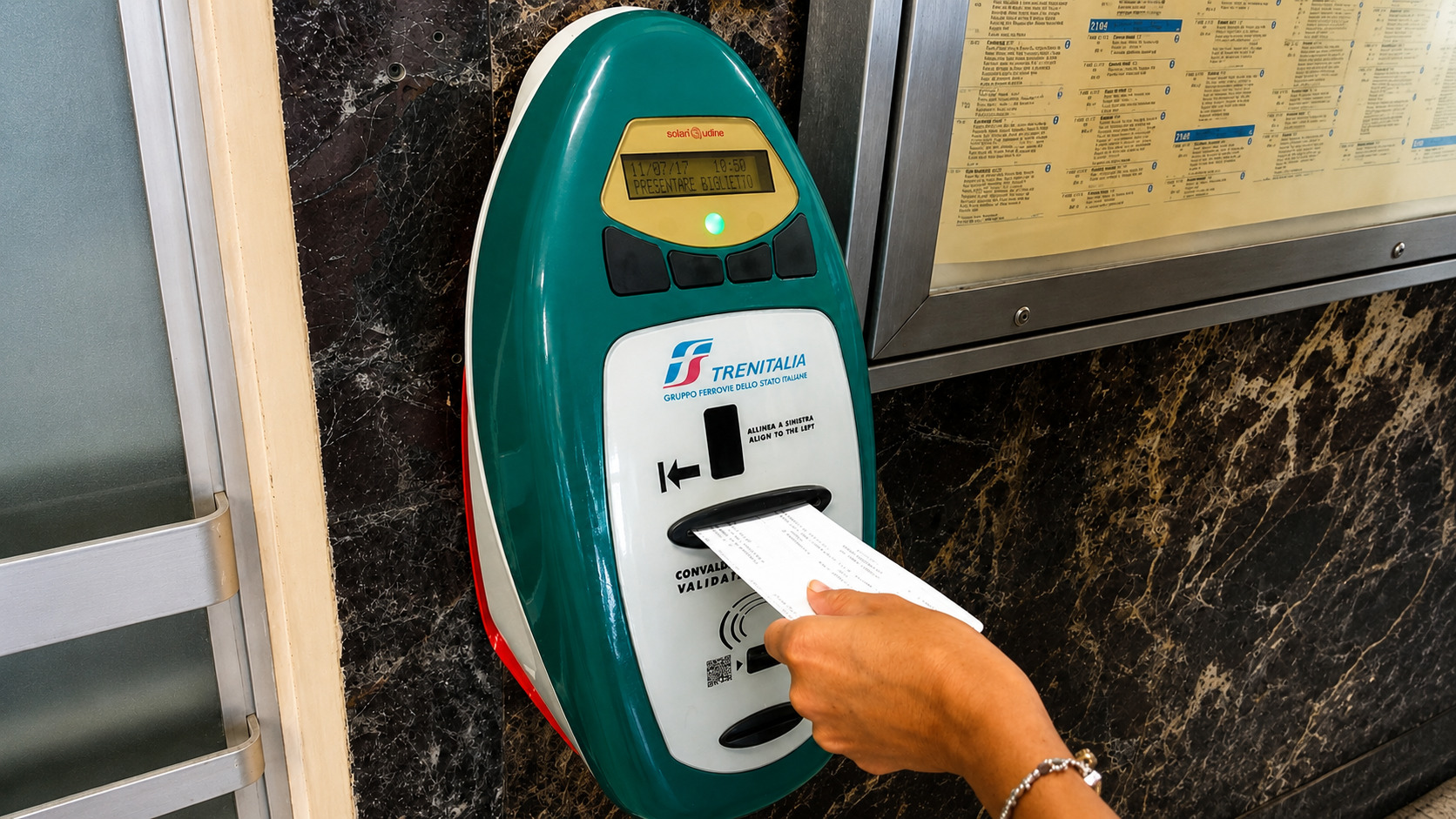
Italy is one of the most common places where tourists misunderstand train ticket validation. Many visitors buy paper regional train tickets and assume they are immediately ready for travel. But traditional paper regional tickets often need to be validated before boarding the train. Passengers usually need to insert the ticket into a small validation machine at the station. The machine stamps the ticket with the date and time, officially activating it for travel. Without the stamp, the ticket may appear unused and therefore invalid during inspection. The situation becomes confusing because not all Italian tickets follow the same rules. Many modern digital tickets linked to specific trains are automatically validated through the rail company’s app or booking system. As a result, one passenger may need to stamp a paper ticket while another passenger using a mobile ticket may not need to do anything at all. Tourists who do not understand the difference between ticket types often assume every ticket works the same way. That misunderstanding frequently leads to fines during inspections.
Berlin’s Open System Confuses Many Visitors

Berlin’s public transport system often confuses tourists because many train stations have no gates or barriers. Travelers can enter platforms freely and board trains without passing through ticket checkpoints. To visitors, the system may appear very relaxed. However, Berlin still requires many tickets to be validated before the journey begins. Passengers usually need to stamp paper tickets using validation machines located on platforms or inside buses and trams. An unstamped ticket may be treated as invalid even if it was already purchased. This surprises many tourists because there are often no reminders before boarding. Visitors may see local passengers quickly entering trains and assume no extra step is required. At the same time, inspectors may wear plain clothes instead of uniforms, so ticket inspections can happen unexpectedly during the ride. Passengers caught with invalid tickets can receive fines, and tourists are generally not exempt simply because they were unfamiliar with the rules.
Prague and Budapest Have Strict Timing Rules
Cities like Prague and Budapest are strict about ticket timing. Passengers are expected to validate their tickets immediately when the trip begins. Waiting too long may already count as a violation. In Prague, metro tickets usually need to be validated at the station entrance area rather than inside the train. Tourists who rush directly onto the platform without validating first may unknowingly travel with an invalid ticket. Budapest follows similar rules. Tickets for metros, trams, and buses must usually be validated before the ride officially starts. Travelers often assume they can activate or validate the ticket later during the trip, but in many systems, it is already too late once the vehicle begins moving. Because of these strict timing rules, many tourists receive fines even though they fully intended to pay for the journey.
Mobile Tickets Create a Different Type of Problem

Many travelers believe mobile tickets are easier because there is no paper ticket to stamp or lose. However, digital tickets create a different problem. Some passengers wait until they see an inspector before buying or activating the ticket on their phone. Transport systems are aware that this happens, and many apps record the exact time when a ticket was purchased or activated. If the activation happened after boarding, inspectors may still treat the ticket as invalid. This is especially important in cities where passengers must activate the mobile ticket before entering the station or boarding the vehicle. Travelers who wait until the last moment may think they are saving time, but inspectors can often see precisely when the ticket became active. As a result, a valid-looking ticket on a phone screen may still fail inspection if it was activated too late.
The Netherlands and the Tap-In, Tap-Out System

The Netherlands creates confusion for many tourists because its transport system often uses check-in and check-out procedures instead of ticket stamping. Passengers must tap their card, ticket, or payment method at the beginning and end of the journey. The process becomes especially confusing when travelers switch between different train companies. A passenger may correctly check in with one carrier but forget to check out properly or accidentally use the wrong scanner during a transfer. Even if the passenger has enough money on the card, the journey may still be recorded incorrectly. Some travelers only notice the mistake later when they see additional charges or penalties. The main issue remains the same: simply paying for transportation is not always enough. Passengers must also follow the correct validation process.
Also Read: 7 of the Most Dangerous Islands in the World
Why European Systems Work This Way
Many European cities use proof-of-payment systems instead of traditional ticket barriers. Rather than checking every passenger before boarding, authorities rely on random inspections and strict fines to make sure travelers follow the rules. This system helps public transportation move faster because passengers can board quickly without long lines at station entrances. It also allows stations to remain more open and accessible. For local residents, these rules are normal and familiar. But for tourists, the differences between countries and cities can be confusing. A ticket rule in one city may be completely different from another. A digital ticket that activates automatically in one country may require manual activation somewhere else. That is why experienced travelers always ask one important question before boarding: What makes this ticket valid right now? The answer could be a stamp, an app activation, a barcode connected to a specific train, or a completed check-in.
The Simple Habit That Prevents Expensive Mistakes
The easiest way to avoid fines in Europe is to pause for a few seconds before boarding and check whether the ticket still needs another step. Travelers should look for validation machines near platforms, station entrances, tram doors, or bus doors. If using a mobile app, they should confirm the ticket is active before entering the station or vehicle. Passengers using contactless systems should also remember to complete both check-in and check-out procedures correctly. Missing either step can create problems during inspection or cause extra charges later. These actions may seem small, but they are often the difference between a smooth journey and an expensive fine. In many European transport systems, tourists are not fined because they refused to pay. They are fined because they missed the step that proves the payment is valid for that specific ride.