When people think about dangerous islands, they often imagine mysterious places filled with legends, pirates, or strange stories. But in reality, some islands around the world are truly dangerous for very real reasons. These dangers are not based on myths or rumors. They come from active volcanoes, deadly animals, harsh environments, and strict government restrictions. Some islands are dangerous because nature itself is unpredictable. Others are dangerous because they are isolated from the rest of the world, making rescue nearly impossible during emergencies. A few islands are so risky that authorities completely ban visitors from entering them. What makes these islands especially fascinating is that many of them also look beautiful. Calm beaches, green forests, and peaceful landscapes can hide serious threats underneath. In many cases, official warnings exist for a reason, and ignoring them can lead to deadly consequences. Here are seven of the most dangerous islands in the world and the reasons why they are considered so risky.
Also Read: This ‘Virtual Train’ Lets Elderly Couples Travel the World Without Leaving Home
North Sentinel Island, India
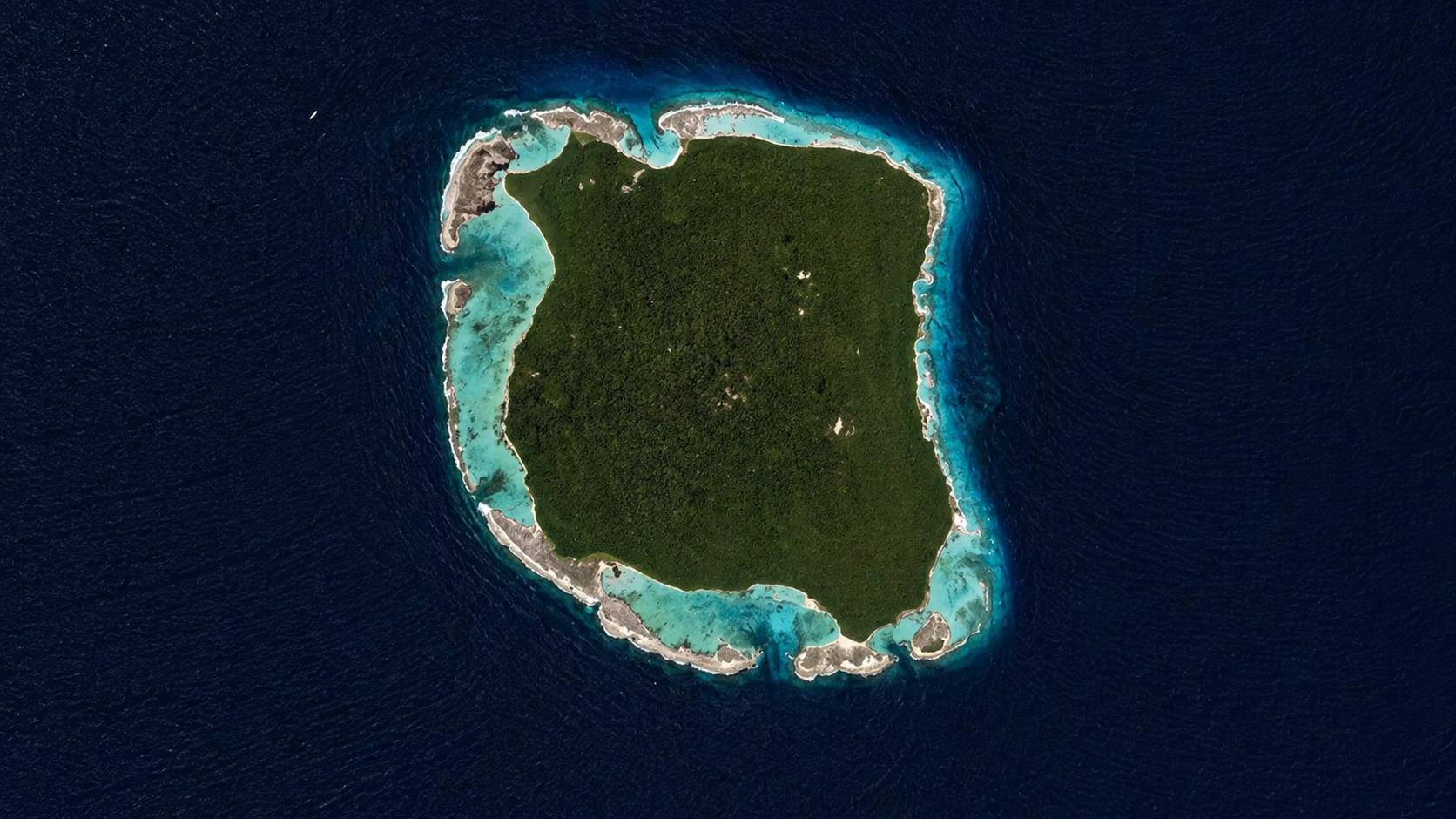
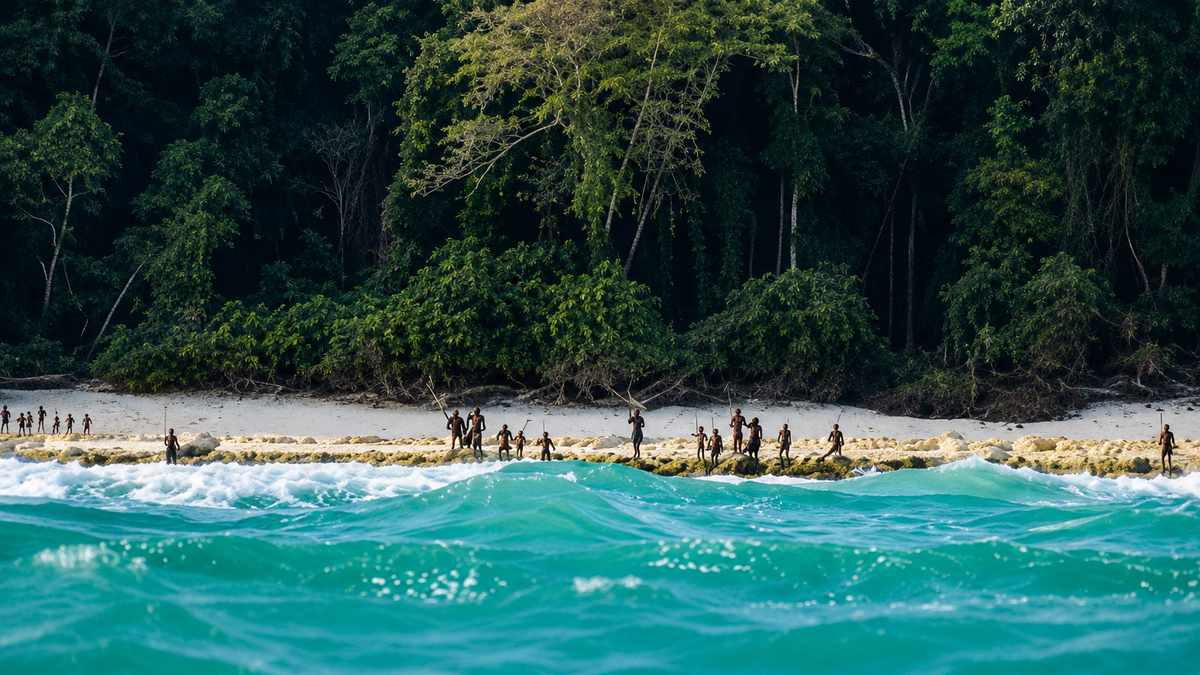
Located in the Bay of Bengal, North Sentinel Island is one of the most isolated places on Earth. The island is home to the Sentinelese people, an Indigenous tribe that has lived there for thousands of years with very little contact from the outside world. Unlike many dangerous islands, the main risk here does not come from nature or wildlife. Instead, the danger comes from the complete rejection of outsiders. The Sentinelese have made it clear that they do not want contact with modern civilization, and people who attempt to approach the island are often met with hostility.
The Indian government has strictly banned travel to North Sentinel Island. These laws exist not only to protect visitors but also to protect the tribe itself. Because the Sentinelese have lived in isolation for centuries, even common illnesses from outsiders could seriously harm them. The island became widely known after several incidents involving people attempting illegal visits. These events showed how dangerous and irresponsible it can be to ignore official warnings. North Sentinel Island remains one of the few places in the world where humans themselves create the greatest danger for outsiders.
Whakaari / White Island, New Zealand
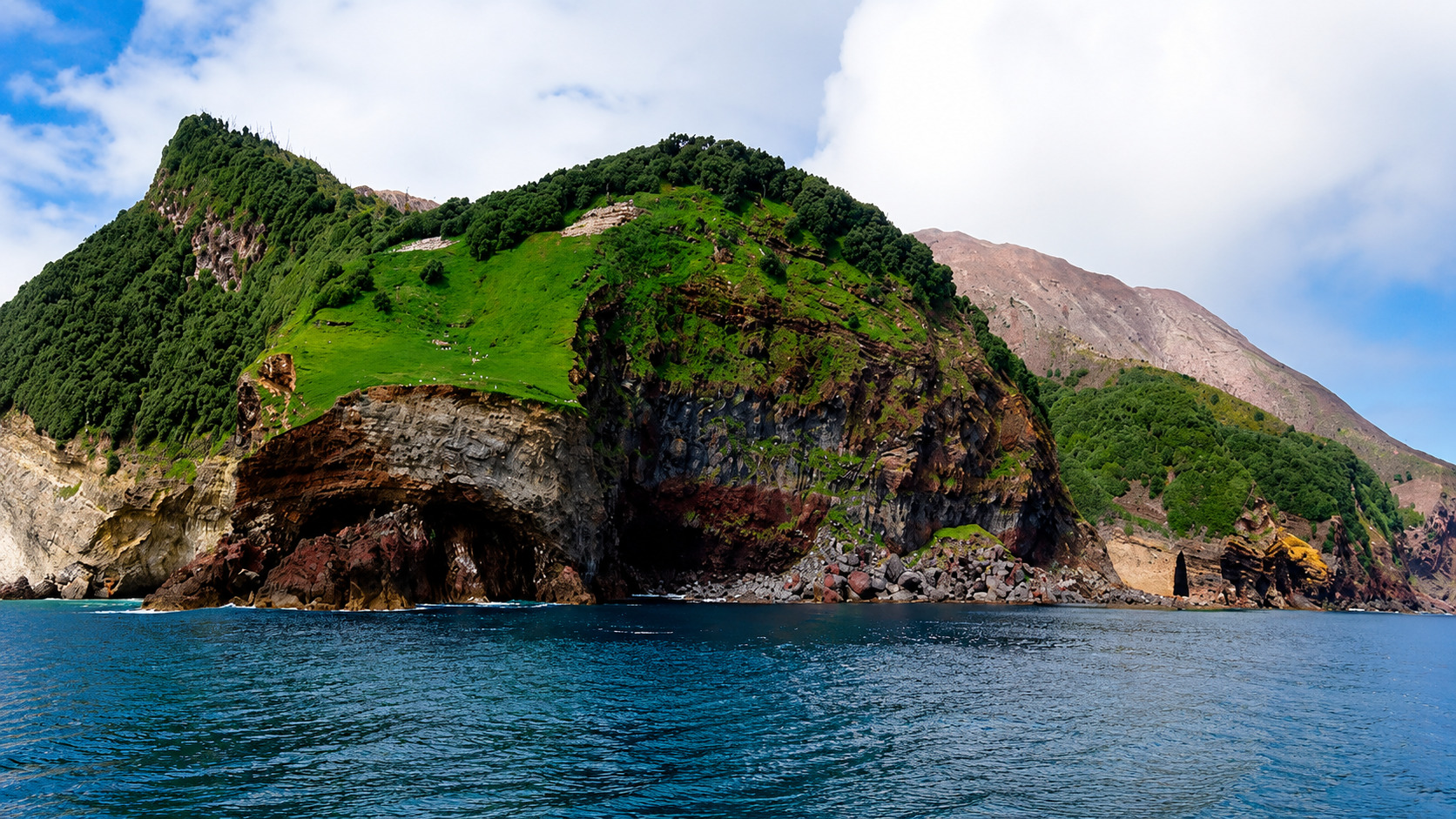
Whakaari, also known as White Island, is an active volcanic island located off the coast of New Zealand. From a distance, it looks stunning, with steam rising from its volcanic surface and dramatic landscapes attracting photographers and tourists. However, beneath that beauty lies constant danger. Whakaari is one of New Zealand’s most active volcanoes, and scientists closely monitor the island because eruptions can happen with little warning. Official hazard reports mention risks such as poisonous volcanic gas, flying rocks, landslides, earthquakes, and sudden explosions.
One of the biggest dangers of volcanoes like Whakaari is that they can appear calm moments before an eruption. Visitors may think conditions are safe when, in reality, the volcano is still highly active underneath the surface. The island gained worldwide attention after a deadly eruption in 2019 that killed and injured several tourists and guides. The tragedy showed how unpredictable volcanic islands can be, even when they are carefully monitored. Today, access to Whakaari is heavily restricted, and it remains one of the clearest examples of nature’s sudden power.
Taal Volcano Island, Philippines
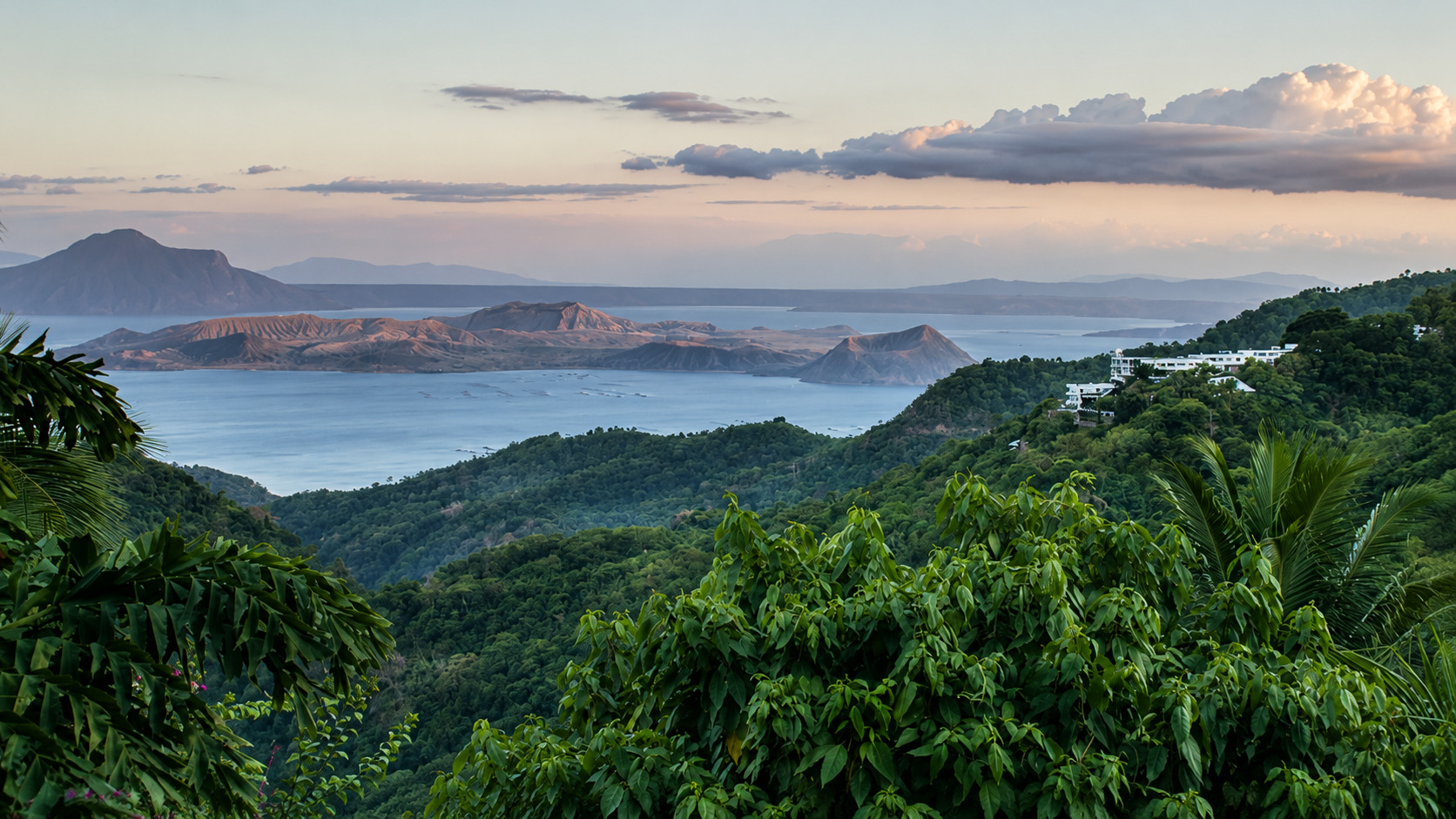
Taal Volcano Island in the Philippines is another place where beauty hides danger. The island sits inside Taal Lake, creating a breathtaking landscape that attracts attention from travelers and photographers. But Taal is far from peaceful. The island is part of an active volcanic system that has erupted many times throughout history. Philippine authorities officially classify it as a Permanent Danger Zone, meaning people are strongly warned not to live there or enter certain areas.
One reason Taal is especially dangerous is that volcanic activity can increase quickly without much warning. Eruptions can release ash, toxic gases, earthquakes, and lava, affecting both the island and nearby communities. Despite the risks, the calm appearance of the lake and surrounding scenery often causes people to underestimate the danger. This contrast between beauty and destruction is exactly what makes Taal Volcano Island so dangerous.
Ilha da Queimada Grande, Brazil
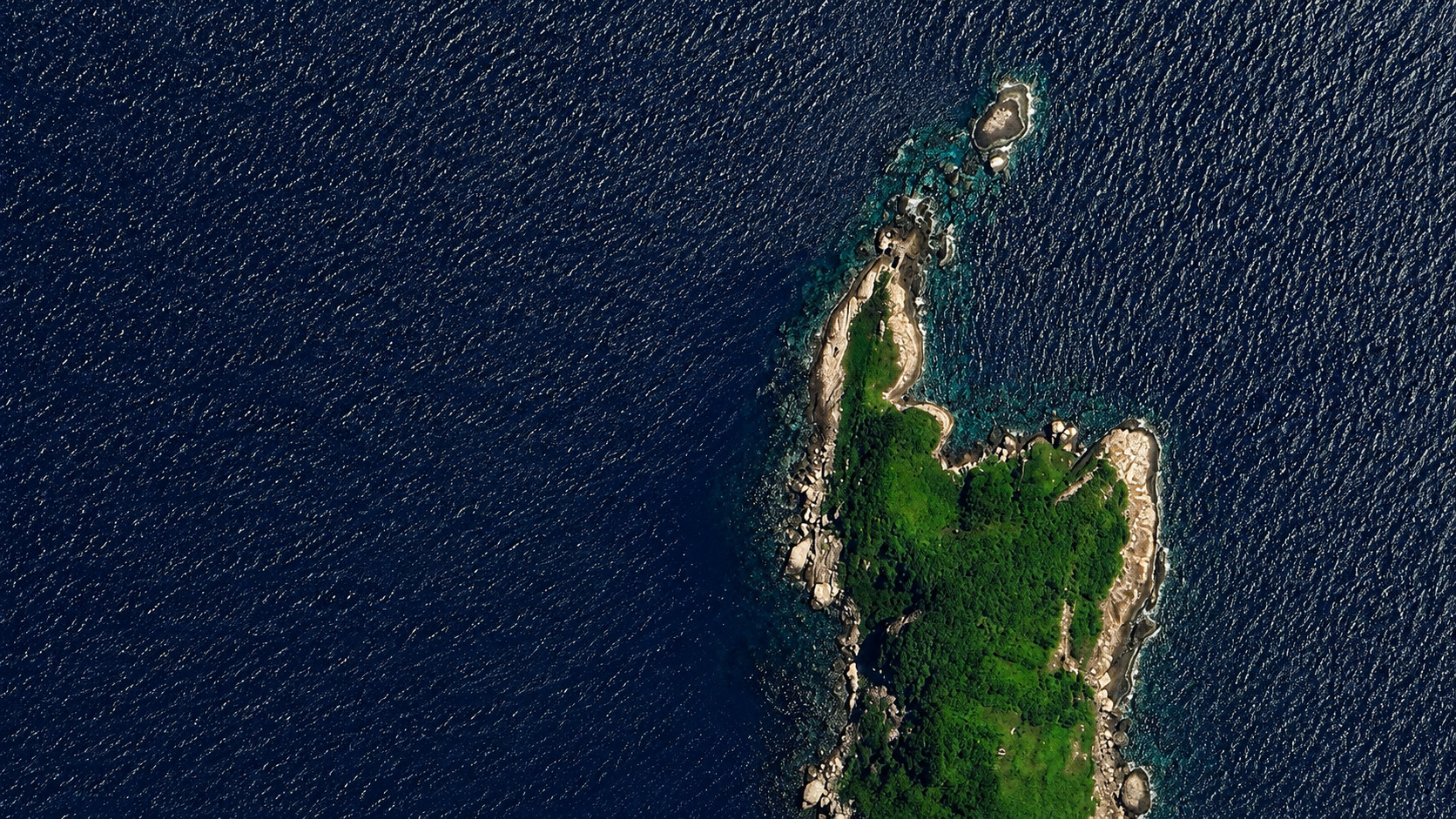
Ilha da Queimada Grande, better known as Snake Island, is located off the coast of Brazil. It is one of the most famous dangerous islands in the world because of its population of venomous snakes. The island is home to the golden lancehead snake, a species considered highly venomous. These snakes evolved on the island in isolation and are found nowhere else on Earth.
Over the years, Snake Island has become surrounded by myths and internet stories. However, the danger is very real. Brazilian authorities heavily restrict access to the island, and normal tourists are not allowed to visit freely. The large number of venomous snakes makes moving around the island extremely risky. Although some online stories exaggerate the danger, experts agree that it is not a place for casual exploration. Snake Island is a reminder that nature can create environments where humans are simply not meant to wander freely.
Heard Island, Australia
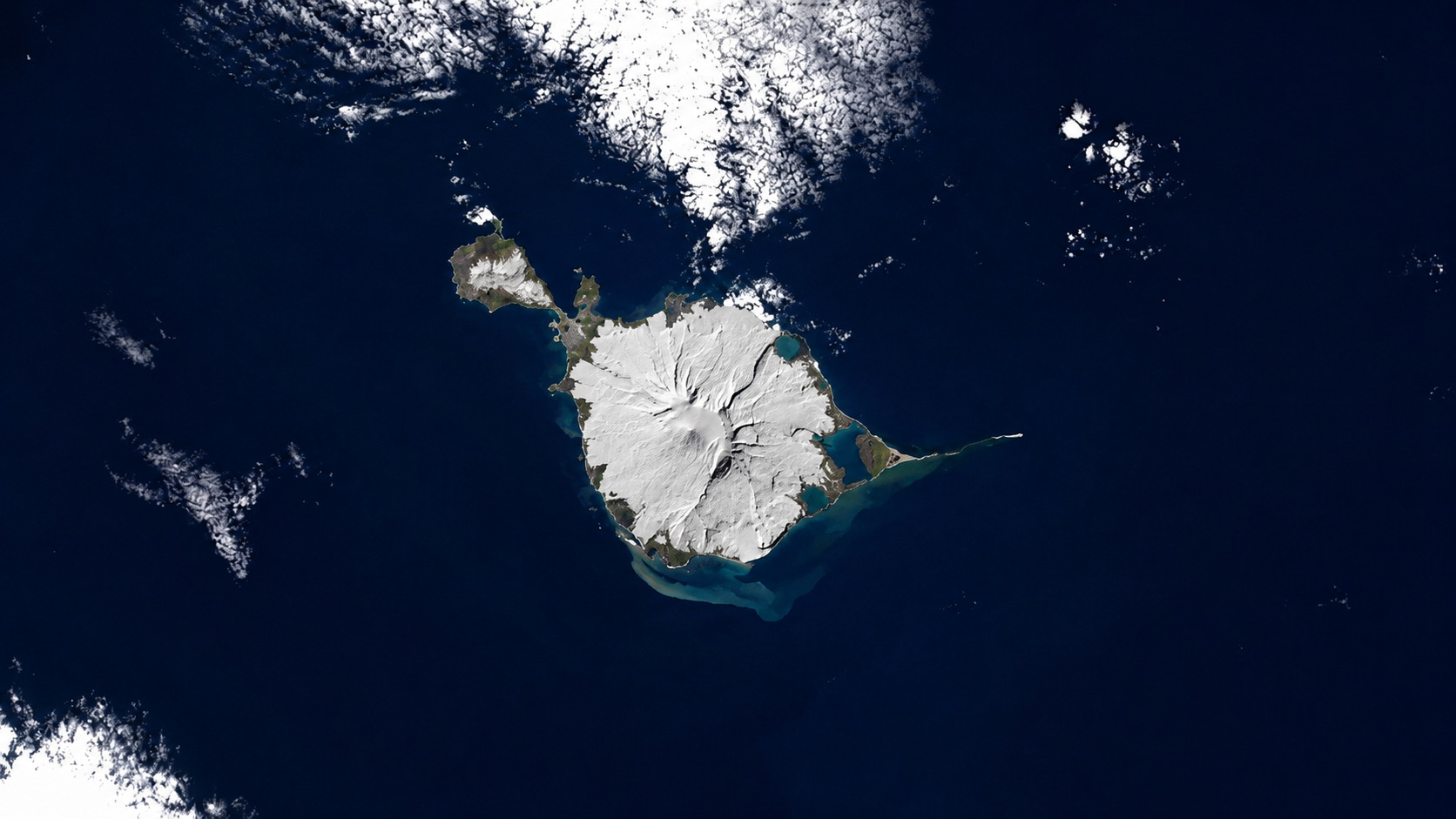
Heard Island may not be as famous as some of the other islands on this list, but it is one of the harshest environments on Earth. Located in the southern Indian Ocean, Heard Island belongs to Australia and is extremely remote. The island is covered with glaciers, icy mountains, and rough weather conditions. It is also home to an active volcano called Big Ben.
The danger of Heard Island comes from the combination of isolation and severe climate. Temperatures are extremely cold, storms are common, and reaching the island is very difficult. In an emergency, rescue operations would be slow and complicated because of the island’s remote location. Unlike islands known for sudden attacks or dramatic eruptions, Heard Island is dangerous in a quieter but equally serious way. The environment itself is hostile, and survival there would be extremely challenging.
Also Read: Sweden Is Giving 5 People the Chance to Experience Island Life for a Year
Komodo Island, Indonesia
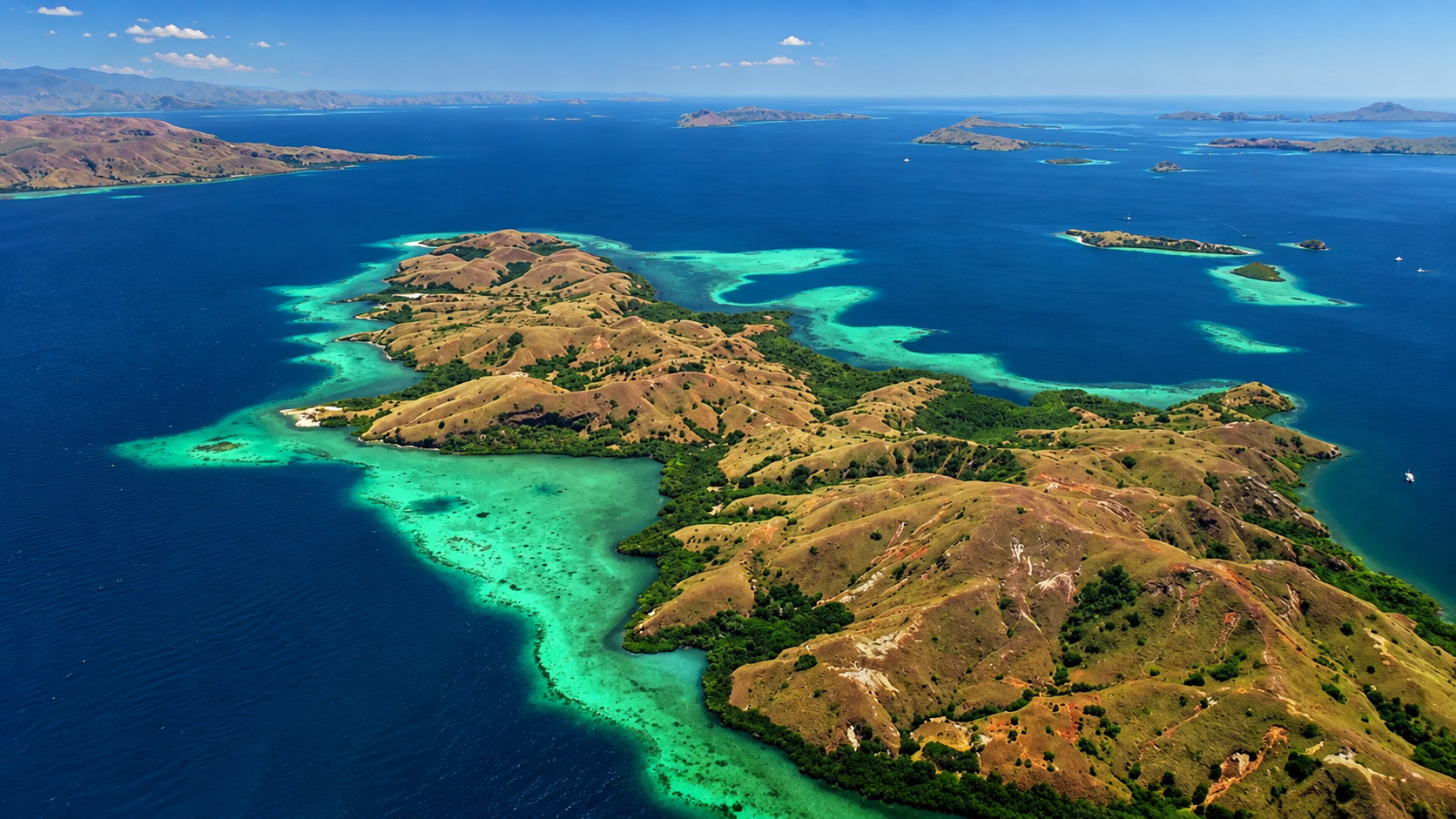
Komodo Island is one of the few dangerous islands that tourists can actually visit. Located in Indonesia, the island is famous for being home to the Komodo dragon, the world’s largest lizard. Komodo dragons are powerful predators that can grow several meters long. Although attacks on humans are rare, they can still be dangerous, especially if visitors ignore safety rules.
Because of this risk, tourists are advised to stay with trained guides or park rangers at all times. The dragons move freely around the island, including near beaches and walking paths. The surrounding waters can also be dangerous, as strong ocean currents in the area create difficult conditions for divers and swimmers. Komodo Island shows that even places open to tourism can still contain serious natural risks. Visitors who respect the rules usually stay safe, but careless behavior can quickly become dangerous.
Anak Krakatau, Indonesia
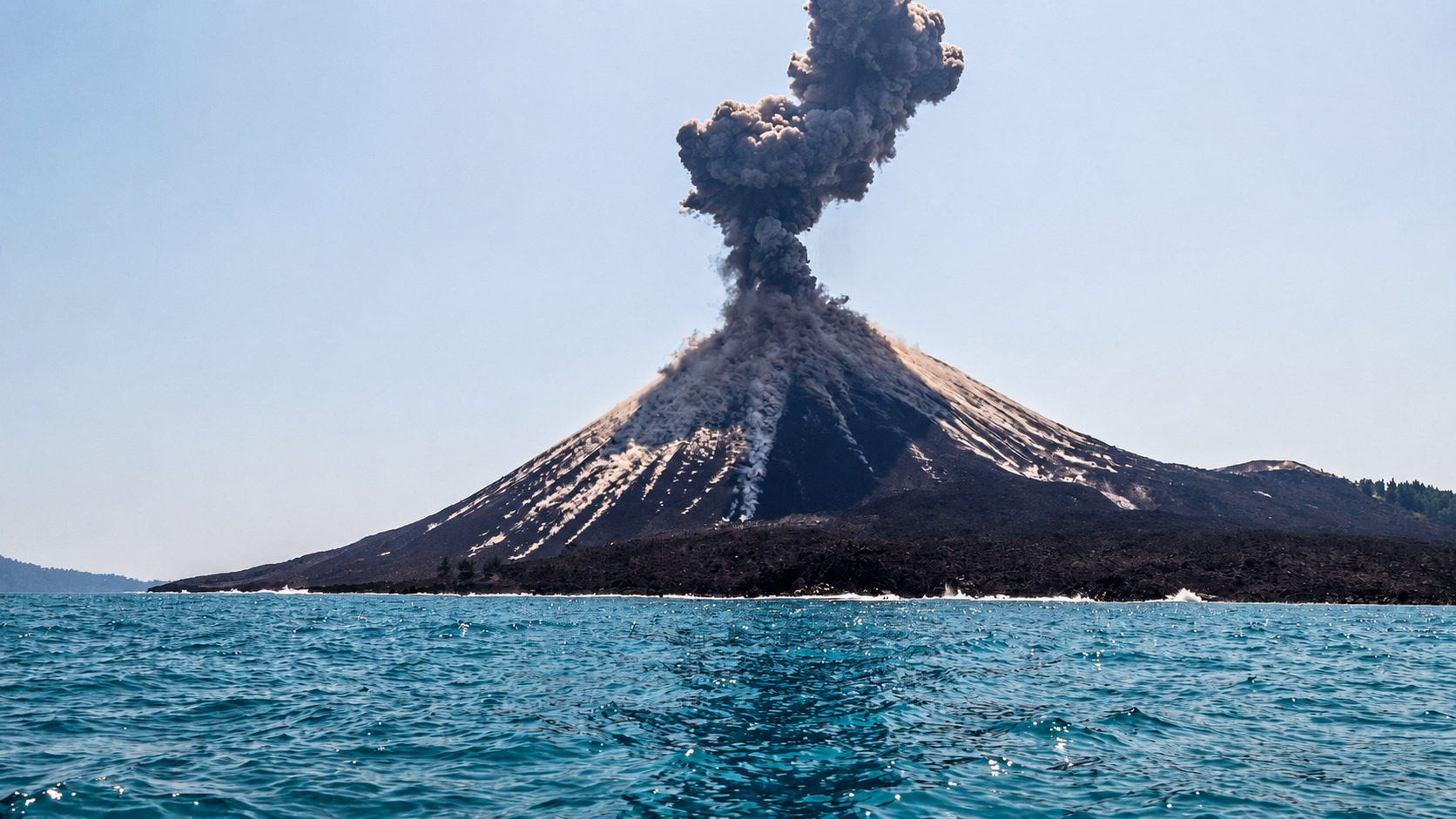
Anak Krakatau, meaning “Child of Krakatoa,” is one of the world’s most active volcanic islands. It formed after the massive eruption of Krakatoa in 1883, one of the deadliest volcanic disasters in recorded history. The island continues to experience regular volcanic activity, including eruptions, ash clouds, and lava flows. Indonesian authorities frequently warn people to stay away from dangerous zones around the volcano.
One of the most devastating events linked to Anak Krakatau happened in 2018, when part of the volcano collapsed into the sea. This triggered a deadly tsunami that killed hundreds of people in nearby coastal areas. The disaster showed how volcanic islands can create dangers far beyond their own shores. Anak Krakatau remains heavily monitored today because scientists know how quickly conditions can change. It is one of the strongest reminders that nature’s power can still surprise humanity, even with modern technology and warning systems.