When we talk about fitness and health, we usually stick to weight management, blood sugar control, blood pressure control, regular exercise, and diet. However, we often forget about a nutrient that is critical not only for our physical health but also for our mental health. Vitamin B12, also known as cobalamin, is one of the most ignored nutrients until its deficiency starts disrupting your daily life.
You think that it's your age, lifestyle, stress, or some other disease, but you might be wrong. Ignoring Vitamin B12 deficiency is common. According to recent clinical consensus, doctors don't solely rely on rigid lab thresholds but focus on symptom-driven recognition for a better overall life. So, whenever you feel fatigue, cognitive fog, or unexplained nerve pain, it could be B12 not doing its work.
If you are a strict vegan, B12 deficiency can hit you. However, it also affects a diverse population including older adults, individuals on common prescription medications, and people who have undergone weight-loss surgery. Early symptoms may be hard to notice, such as everyday tiredness and sleepiness, and people unknowingly live with nerve damage for years. Nevertheless, if you recognize the early warning signs, it can help you make a meaningful difference in your life.
Also read || Why You Aren't Losing Weight Despite Eating Healthy
The Systemic and Diagnostic Complexity of B12 Deficiency
The Journal of Clinical Medicine and the New England Journal of Medicine agree that Vitamin B12 functions as an essential coenzyme in DNA synthesis and myelin maintenance. This means its lack triggers failures across multiple organs. The deficiency of B12 affects the hematological system, affecting red blood cell production.
In B12 deficiency, the peripheral nervous system experiences demyelination, which can lead to neuropathy and tingling sensations. When the central nervous system is involved, it can cause mood disturbances and cognitive decline. However, hematological markers cannot rule out B12 deficiency entirely.
The Clinical Guidance from recent consensus emphasizes that macrocytosis is the classic anemia indicator, which may be absent in up to thirty percent of patients who have confirmed neurological deficiency. Besides, there are gastrointestinal complaints such as abdominal distension, nausea, and chronic diarrhea that come along with it. The multi-system complexity explains why clinicians favor an overall view rather than strict numbers.
As of now, doctors follow a symptom-first diagnosis, instead of waiting for definitive lab abnormalities. In a 2024 Delphi expert consensus published in the Journal of Clinical Medicine, clinicians are urged to prioritize clinical suspicion since irreversible neurological damage can occur even when B12 appears normal. This delay in diagnosis is often because of vague complaints like fatigue, mild brain fog, or other symptoms.
Also read || Atkins Diet: Is it a Fad or Real Deal?
Cracking the Diagnostic Code: Biomarkers, Risk Factors, and Barriers
Knowing if you have B12 deficiency is not that simple, and even clinicians agree with this idea. Some changes in the central nervous system, including mood alterations or cognitive shifts, can be confusing because they lack specificity. Also, the peripheral nervous system comes next with neuropathy, frequent confusion, or idiopathic causes. However, hematological abnormalities are frequently absent, meaning routine blood counts alone cannot reliably detect or rule out a deficiency.
Nobody loves uncertainty when it comes to health, and the Journal of Clinical Medicine resonates with the same thought. They recommend a tiered biomarker strategy. While Serum B12 testing is economical, 30 to 40 percent of symptomatic patients exhibit normal readings despite true deficiency. Hence, Methylmalonic acid testing is the gold standard test for confirming intracellular deficiency. However, renal insufficiency can artificially elevate results.
Beyond these testing methods, defined thresholds are needed for interpretation. When serum concentrations fall below 148 pmol/L, it is considered Frank deficiency, whereas falling between 148 pmol/L and 260 pmol/L is classified as mild deficiency. For a better picture, identifying the cause is crucial, since some medicines or some beverages can also affect B12 absorption.
For instance, alcoholics affect their body's ability to absorb and store Vitamin B12. It happens because alcohol irritates the stomach and intestinal linings, which prevents efficient absorption of nutrients. Moreover, autoimmune diseases, restrictive diets, family history, and certain medicines become a significant barrier in B12 absorption.
Also read || Awiqli: A Relief From Daily Insulin Shots Has Arrived
Treatment Protocols and Recovery Benchmarks
There is no one-size-fits-all policy for treatment of B12 deficiency, or for any other disease. When neurological involvement is suspected, clinicians prioritize parenteral, or intramuscular, therapy. In this intramuscular therapy, B12 is directly pushed into circulation and bypasses absorption issues in the gut.
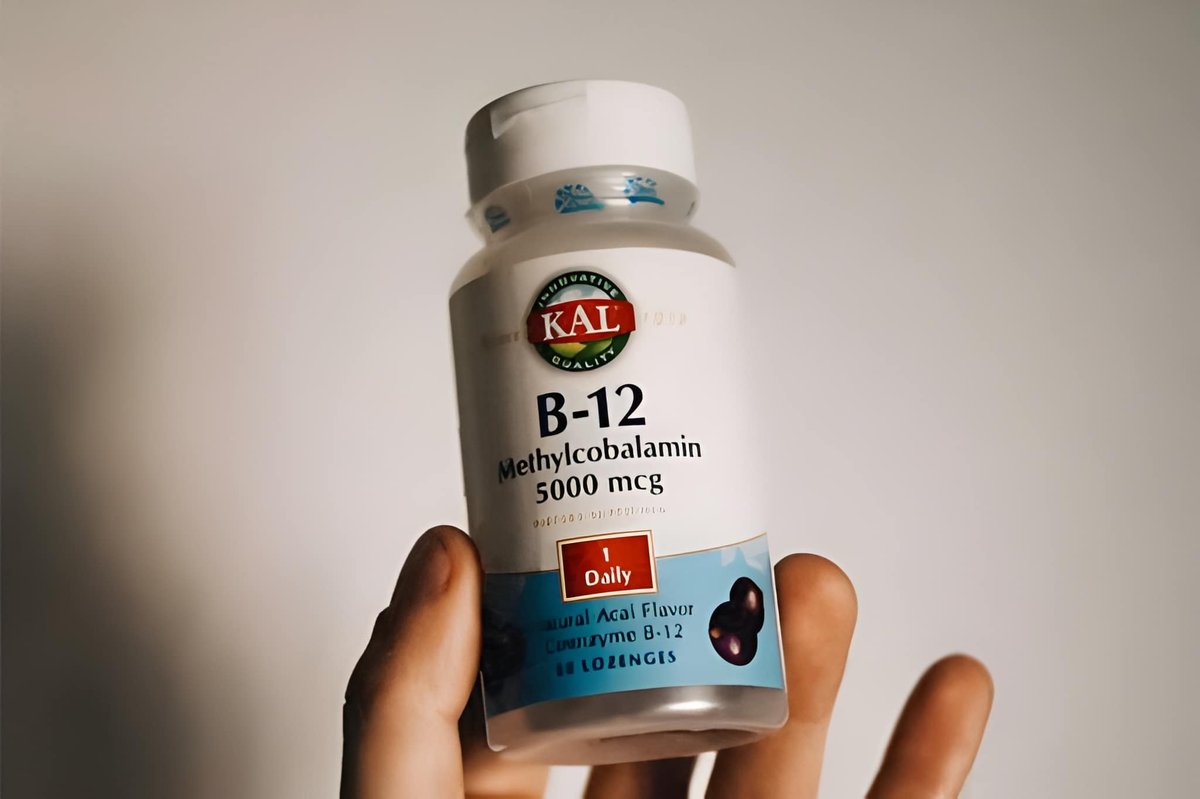
The Intramuscular therapy features the first phase, which is intensive loading. So, a patient has to take daily or weekly injections to replenish depleted stores. Once that phase is over, and numbers are normal, doctors transition to a maintenance dose of 1000 micrograms monthly. People who don't have a severe B12 deficiency, they have to go through oral therapy and consume 1000 and 2000 micrograms daily for stability. So, these therapies depend on the patient's health severity, absorption capacity, and clinical urgency.
Recovery is unique to the patient and non-linear. The Delphi expert panel drafted clear steps clinicians should take when treatment appears ineffective. For instance, if hematological symptoms don't improve within four to eight weeks or neurological symptoms persist for half a year or more, they have to take three steps. First, reevaluate for alternative diagnoses that may mimic B12 deficiency. Then, confirm dosage adequacy and patient compliance, and then change modality, if needed.
Also read || 8 Signs Your Body Is Telling You to Stop Eating
Lifelong Prevention and Practical Takeaways

Instead of focusing only on treatment, prevention should be our key priority. The Delphi report calls for lifelong supplementation in bariatric surgery patients, whose permanent B12 absorption is affected. For strict vegans, a standardized dose is recommended, since most vegan foods contain no natural cobalamin sources.
Women with a history of B12 deficiency are advised to supplement B12 in their diet to avoid high-risk pregnancies since inadequate maternal cobalamin can cause serious, permanent developmental harm in newborns whose nervous systems depend entirely on maternal stores during early development.
The practical advice for individuals is not to dismiss constant fatigue, tingling or memory lapses as ordinary aging without investigation. Anyone with known risk factors, including chronic PPI or H2 blocker use, vegan diet patterns or a history of surgery, should proactively discuss targeted B12 testing with their physician rather than waiting. In the end, consulting your physician before changing your diet or adding supplements is obligatory.