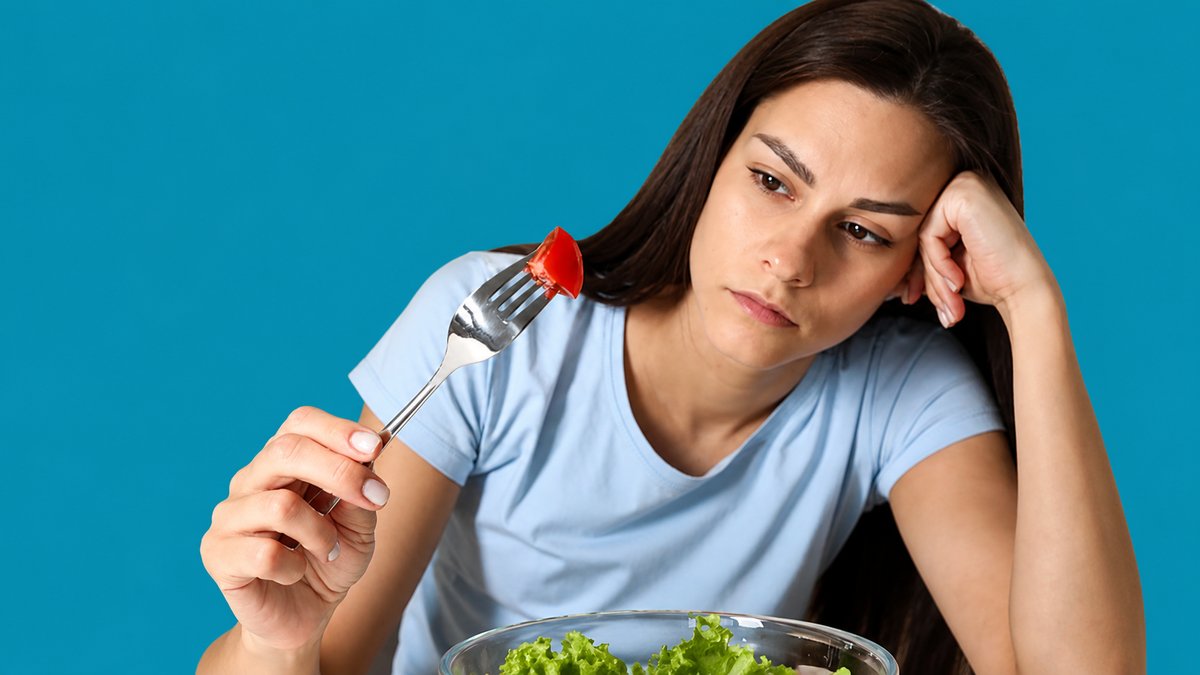
Many people believe that simply eating healthy foods is enough to lose weight. They fill their plates with salads, smoothies, nuts, and other nutritious foods, yet the number on the scale doesn't change. This can be frustrating and confusing. The truth is that eating healthy is important, but it's only one part of the weight-loss journey.
Your total calorie intake, portion sizes, daily activity, sleep, stress, and eating habits all play a role in whether you lose weight or not. If you've been eating healthy but aren't seeing results, one or more of these common habits could be holding you back.
You're Eating More Calories Than You Realize
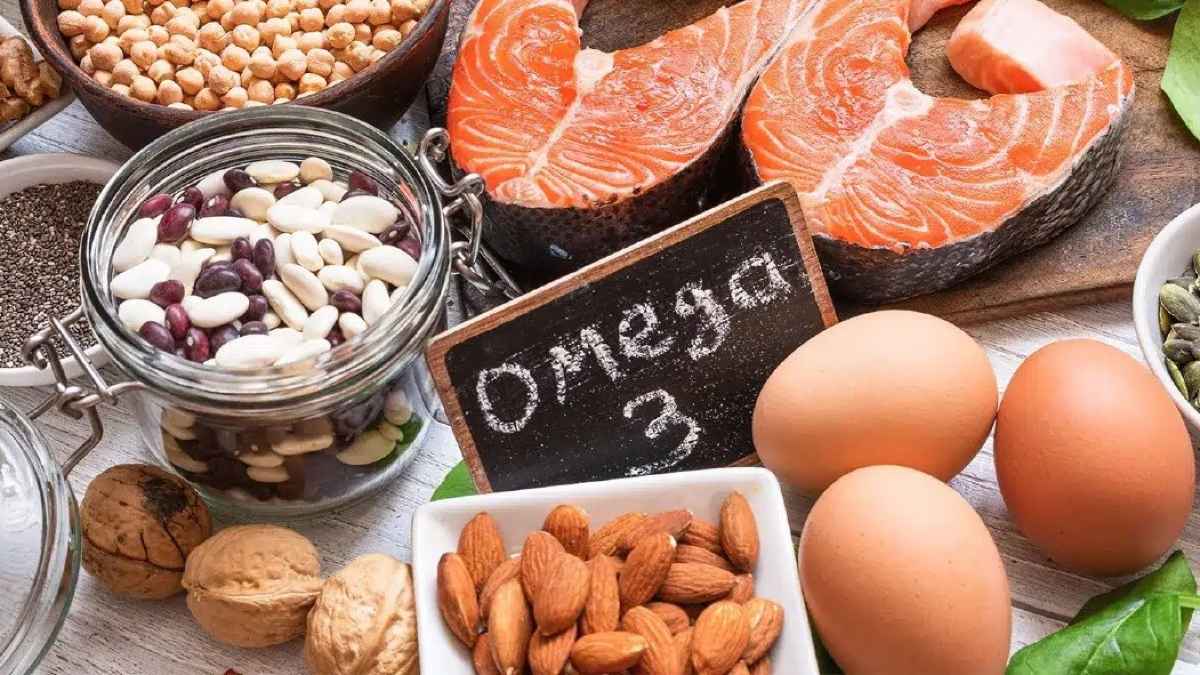
One of the biggest reasons people struggle to lose weight is that they consume more calories than they think. Weight loss happens when you burn more calories than you eat, and even the healthiest foods can slow your progress if you're eating too much of them. Foods like nuts, peanut butter, avocado, olive oil, granola, dried fruit, and smoothies are packed with nutrients, but they're also high in calories.
For example, just a handful of nuts or a few tablespoons of olive oil can add hundreds of calories to your daily intake without making you feel much fuller. Many people assume that because a food is healthy, they can eat as much as they want, but healthy foods still contain calories, and those calories count. You don't have to avoid healthy high-calorie foods; instead, pay attention to portion sizes and read nutrition labels so you know how many calories you're eating.
Also Read: Atkins Diet: Is it a Fad or Real Deal?
You're Being Too Restrictive
Many people think that losing weight means giving up all their favorite foods. They completely cut out pizza, chocolate, ice cream, or other treats, and while this might work for a short time, it often becomes difficult to maintain. When you tell yourself that certain foods are completely off-limits, cravings often become stronger.
Eventually, you may give in and eat much more than you normally would, leading to overeating or binge eating. Successful weight loss isn't about perfection; it's about building healthy habits you can follow for months or even years. Instead of banning your favorite foods, enjoy them occasionally in smaller portions, as a flexible eating plan is usually much easier to stick with than a very strict diet.
You're Not Eating Enough Protein and Fiber
Protein and fiber are two of the most important nutrients for weight loss because they help control hunger. Protein slows digestion, helps your body release hormones that make you feel full, and preserves muscle while you're losing weight. Fiber adds bulk to your meals, slows digestion, and keeps you satisfied for longer. If your meals are mostly refined carbohydrates or low in protein and fiber, you'll probably feel hungry again soon after eating, which often leads to extra snacking and more calories throughout the day.
Good sources of protein include chicken, fish, eggs, Greek yogurt, cottage cheese, tofu, beans, and whey protein, while vegetables, fruits, beans, lentils, oats, chia seeds, flaxseeds, and whole grains are excellent sources of fiber. Including both a protein source and a fiber-rich food with every meal and snack can help reduce hunger and support weight loss.
You're Overeating "Healthy" Foods
Healthy foods can still contribute to weight gain if you eat too much of them. Many products are labeled as "organic," "natural," "low-fat," "gluten-free," or "high-protein," and these labels often make people believe the food is healthier or lower in calories than it really is. Researchers refer to this as the Health Halo Effect, where a food seems so healthy that people unknowingly eat larger portions.
For example, it's easy to consume several handfuls of trail mix, multiple spoonfuls of nut butter, or large servings of granola, even though these foods are very calorie-dense. Rather than relying on marketing claims alone, check serving sizes and nutrition facts to make sure you're staying within your daily calorie needs.
You're Only Focusing on Your Diet
While your diet is important, it's not the only factor that affects weight loss. If you spend most of your day sitting, your body burns fewer calories, making regular physical activity essential for increasing calorie expenditure and supporting long-term weight management. Sleep also plays a major role, as not getting enough rest can increase hunger hormones, reduce energy levels, and make unhealthy foods more tempting.
Stress is another common obstacle because high stress levels can increase cravings, trigger emotional eating, and make it harder to stick to healthy habits. Along with eating well, aim for regular exercise, seven to nine hours of quality sleep each night, and healthy ways to manage stress.
You Rely on Takeout
Restaurant meals and takeout are often much higher in calories than home-cooked meals because they typically contain more oil, butter, sugar, salt, and much larger portion sizes. Even meals that sound healthy, such as salads, wraps, or grain bowls, can contain hundreds of extra calories from dressings, sauces, cheese, and cooking oils.
Cooking at home allows you to control every ingredient that goes into your meal, making it much easier to manage calories and portion sizes. Studies have also shown that people who cook at home more often generally have healthier diets and healthier body weights than those who frequently eat out. Preparing meals ahead of time during the week can also help you avoid ordering takeout when you're busy.
Also Read: How the Green Mediterranean Diet Works
You're Drinking Your Calories
Many people carefully watch what they eat but forget about what they drink. Sugary coffee drinks, fruit juices, smoothies, protein shakes, energy drinks, and even some flavored waters can contain a surprising number of calories. Since liquids don't make you feel as full as solid foods, it's easy to consume hundreds of extra calories without noticing.
Some smoothies can contain as many calories as a full meal, especially if they're made with fruit juice, nut butter, sweetened yogurt, or added sugars. Making water your main beverage is one of the simplest ways to reduce unnecessary calorie intake, while unsweetened tea, black coffee, sparkling water, and other low-calorie drinks are also excellent choices if you're trying to lose weight.
Healthy Eating Is Only Part of the Equation
Eating healthy is an excellent start, but it's not the only key to losing weight. Portion sizes, total calorie intake, protein and fiber intake, physical activity, sleep, stress, and everyday habits all influence your results. Instead of looking for one perfect food or diet, focus on building healthy habits that you can maintain over the long term.
Small, consistent changes such as controlling portions, cooking more meals at home, eating enough protein, staying active, and choosing lower-calorie drinks can make a significant difference over time. Remember, healthy eating isn't just about choosing nutritious foods; it's also about eating the right amount for your body's needs while creating habits that support lasting weight loss.