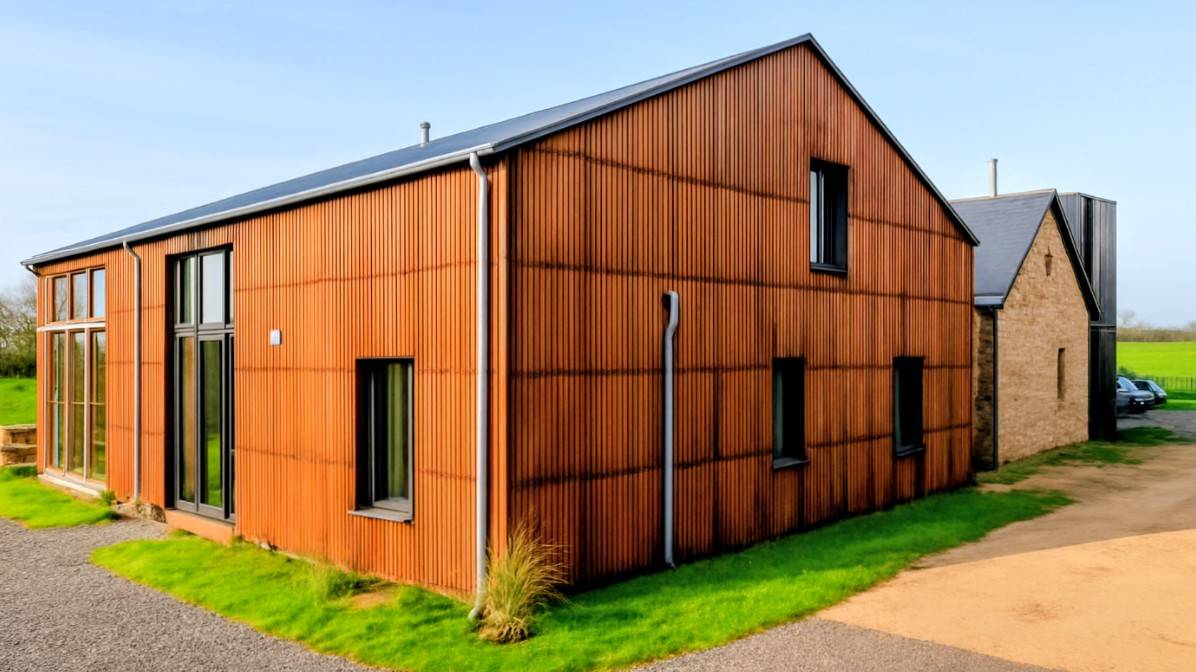
Sustainable architecture changes how we design, build and demolish structures worldwide. Understanding the complete lifecycle of green products helps reduce long-term environmental damage. Every step in a material’s journey affects its total cumulative ecological footprint. Let's understand how eco-friendly building supplies travel from nature back to nature.
Sourcing Green Raw Materials
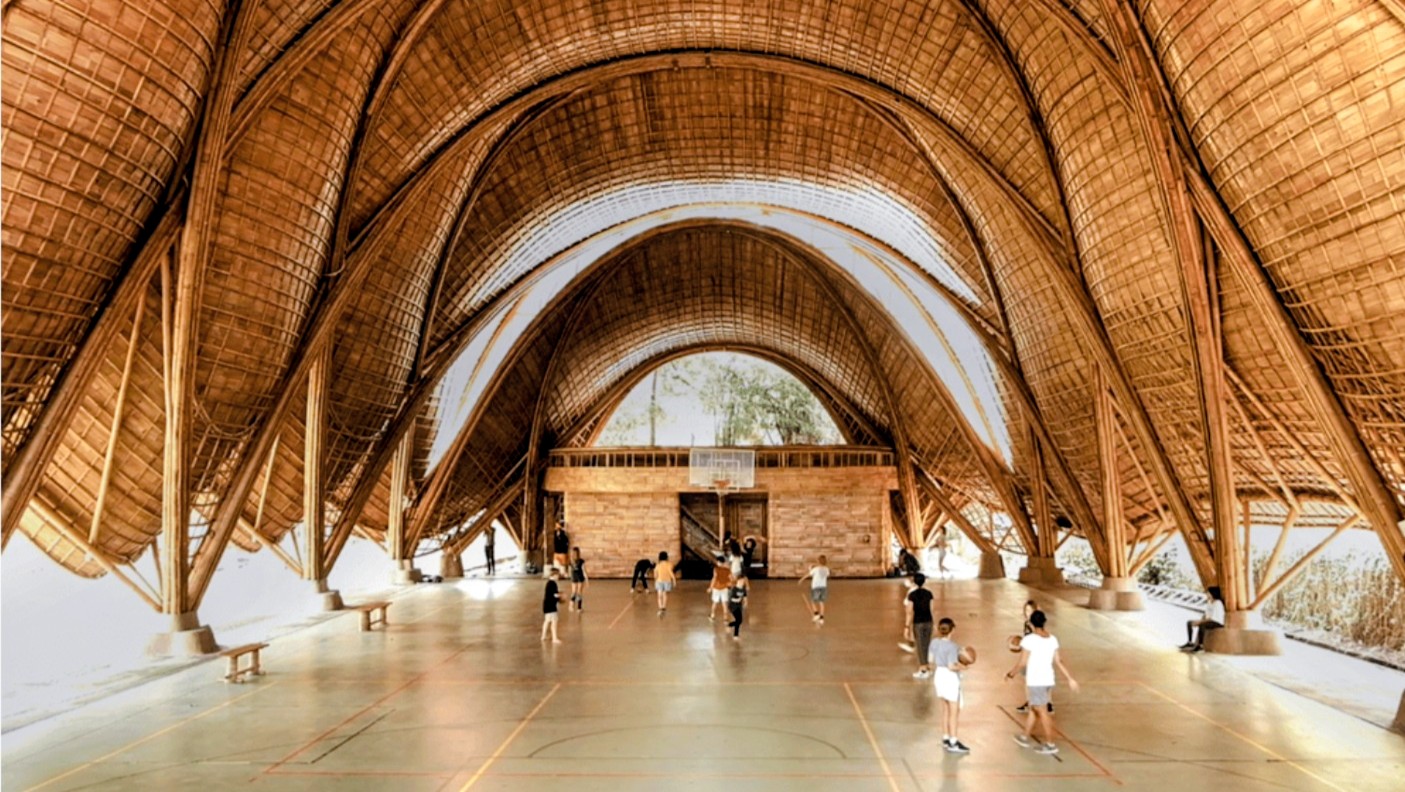
Builders prioritize certified timber by checking for official validation from the Forest Stewardship Council ( FSC). This rigorous environmental certification ensures trees are responsibly replanted and delicate forest ecosystems remain undamaged by heavy machinery. Sustainable logging practices actively protect local wildlife habitats and preserve clean natural water systems for nearby communities. Fast-growing bamboo alternatives have also emerged as an exceptionally popular choice due to their rapid self-growth cycle and high durability. These plants absorb massive amounts of carbon dioxide while growing, which actively helps to heal the planet’s atmosphere.
Benefits Of Using Recycled Manufacturing Materials
Integrating recycled structural materials like salvaged steel, crushed glass and industrial plastic keeps millions of tonnes of waste out of landfills. Fabricating structural products from recycled content requires significantly less energy than traditional raw materials mining and manufacturing operations. This conscious choice prevents the permanent destruction of natural habitats otherwise caused by mining and heavy logging operations. Durable insulation panel innovations allow forward-thinking companies to process old plastic bottles into incredibly effective home insulation. Furthermore, using scrap metal slashes greenhouse gas emissions during the initial production phase and reduces structural costs.
Eco-Friendly Concrete Alternatives & Mixes
Traditional concrete production methods create large amounts of dangerous carbon dioxide gases worldwide during cement baking kiln phases. To combat this issue, green builders utilise fly ash, blast furnace slag, or silica fumes to replace standard cement. Hempcrete building panels offer another revolutionary option made by mixing natural hemp hurd fibers with a lime-based chemical binder. These alternatives materials are much lighter and provide excellent natural thermal insulation for modern structural buildings. Most importantly, they require far less energy to manufacture than the standard concrete blocks, saving electricity grids.
Natural Insulation Materials For Modern Homes
Non-toxic insulation options like sheep’s wool, raw cotton, and recycled cellulose make excellent alternatives for interior walls. Old denim garments are frequently shredded to create highly efficient, safe cotton insulation baths for residential use. These natural products do not contain the harmful chemicals or respiratory irritates found in traditional fiberglass insulation. They maintain clear indoor air quality and are completely biodegradable at the end of their functional structural use. Installing them requires no specialized safety gear or hazard masks for construction workers during the installation.
Locally Sourced Building Supplies & Advantages
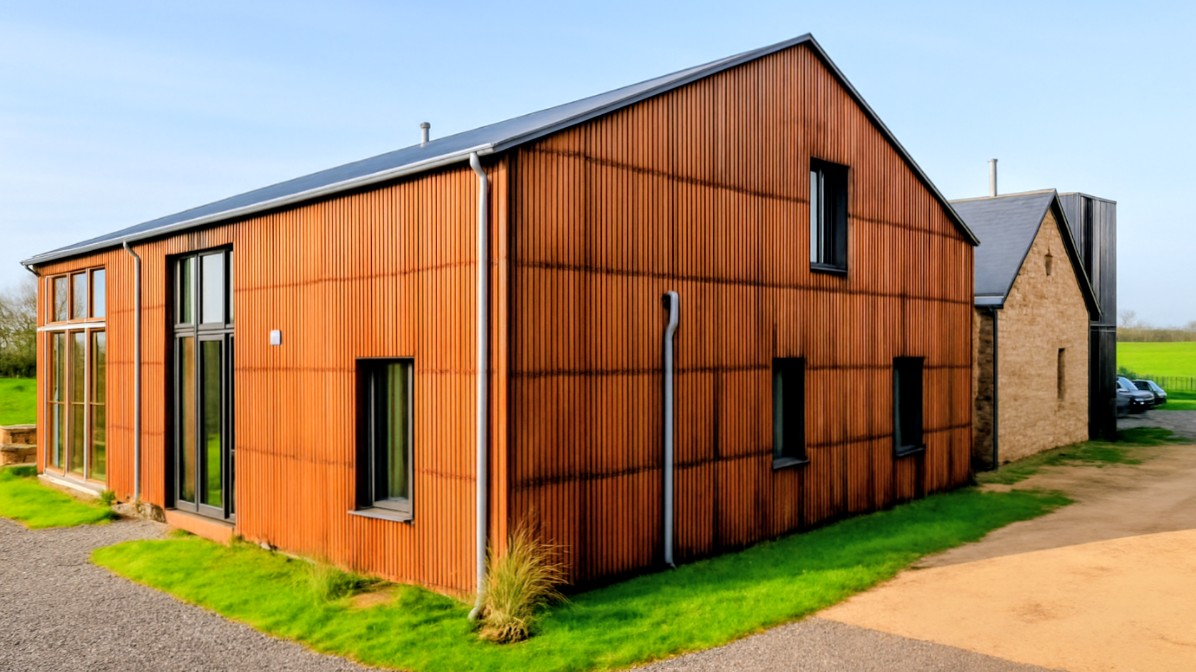
Purchasing local building supplies like stone, clay, timber and rammed earth heavy lowers shipping distances and carbon footprints. Local sourcing keeps project funds within the community during economic downturns. It also helps to ensure that the chosen materials naturally match the local climatic demands and historic architectural styles. Short-range material transportation slashes fossil fuels consumption and carbon footprints significantly on a global scale. Short supply chains also minimize unexpected project delays caused by global shipping disruptions and port closures.
Eco-Friendly Manufacturing Processes
Green factory power grids rely heavily on renewable energy sources like massive solar arrays and wind power farms. They constantly upgrade heavy machinery to optimize electricity use during critical industrial fabrication stages. Modern manufacturing plants capture and reuse the intense heat generated during high-temperature production processes. This thermal recycling system prevents excess greenhouse gas from escaping into our atmosphere, damaging the ozone layer. Carbon tracking software systems allow forward-thinking companies to meticulously monitor their emissions to meet strict international environmental standards.
Zero-Waste Production Methods In Factories
Closed-loop manufacturing systems aim to reuse every single scrap of raw materials waste generated on the floor. Excess factory trimmings and defective items are immediately sent back into the production loop for processing. Industrial water used in the factory is continuously filtered, treated and recycled on a closed circuit. This closed-loop system saves millions of gallons of fresh water every single year for local ecosystems. Ultimately, absolutely nothing is sent to the landfill from these advanced industrial manufacturing facilities.
Also Read: How To Start A Zero Waste Lifestyle
Eco-Certified Manufacturing Standards & Labels
Trustworthy eco-label certificates like Cradle to Cradle, Green Seal, or Environmental Product Declarations ( EPDs) guide smart consumers. These respected labels proves that a product meets strict environmental safety and chemical emission pass. Independent third-party auditors regularly check the factory’s efficiency and chemical management safety on the site. The certificate guarantees that no toxic chemical residues leak into the surrounding environment during heavy production. Greenwashing marketing prevention relies heavily on corporate buyers trusting these rigorous stamps rather than deceptive advertising tricks.
Energy Efficient Industrial Machinery For Building
Upgraded electric kilns and smart automated processors drastically reduce factory power consumption bills every month. Intelligent automation systems completely turn off heavy machines when they are not actively working on orders. Upgraded electric motors run much smoother and require far less oil-based maintenance over time. Utilising energy efficient tools reduces peak demand strain on local municipal power grids during scorching summer months. Cleaner factory work environments are established because optimised machinery creates a much safer, quieter workplace for employees.
Reducing Chemical Pollutants During Product Fabrication
Replacing toxic solvents with safe, water-based alternatives during the mixing process is standard for eco-friendly brands. They completely eliminate heavy metals, volatile organic compounds, formaldehyde from industrial glues and commercial paints. This strict practice keeps harmful, dangerous fumes out of the factory’s production air supply system. It protects manufacturing workers from breathing dangerous chemical vapors during their daily eight-hour shifts. As a result, the finished building products do not release hazardous gases into newly built homes after assembly.

Lowering The Shipping & Transport Footprint
Optimised freight shipping methods like using trains or cargo boats consume significantly less fuel than long-haul trucks. Logistics companies use advanced mapping software to select the shortest route, saving diesel during heavy deliveries. More fleet owners are switching to hybrid or heavy-duty electric freight vehicles nowadays for local transport convenience. Smart trick cargo loading ensures no delivery vehicle drives half-empty public highways, wasting money. Smart scheduling also avoids heavy traffic congestion times to prevent wasteful engine fuel use in cities.
Carbon Neutral Logistics In The Building Industry
Verified carbon offset programs are utilised by eco-conscious suppliers to balance out inevitable shopping emissions. They directly fund verified tree-planting projects that absorb the equivalent cargo trick exhaust gases from the air. Some delivery companies utilize renewable bio-diesel made from recycled commercial cooking oils collected from restaurants. Advanced tracking software calculated the exact carbon cost of every single delivery made to a construction site. Voluntary emissions offset fees give customers the option to pay a minimal amount to completely neutralize their footprint.
Reducing Transport Distance For Building Supplies
Regional sourcing parameters allow sustainable architects to purposefully select construction items manufactured within a hundred miles of projects. This strict regional rule completely cuts out long international flights and wasteful ocean freighting across hemispheres. Sourcing close to the construction site keeps overall shipping and handling costs very low for builders. It reduces heavy traffic congestion and continuous road wear caused by the massive commercial freight trucks. Short transit supply chains mean construction projects stay on schedule despite global supply chain problems and constraints.
Also Read: 10 Signs You May Have An Anxious Attachment Style
Eco-Friendly Packaging For Heavy Building Products
Biodegradable packaging alternatives are replacing single-use plastic stretch wrap with paper and recycled cardboard covers. Reusable wooden pallets replace disposable shipping created in modern materials warehouses to cut down on waste. Metal strapping is heavily recycled or replaced with strong, plant-based bio-ropes made from natural fibres. Minimal packaging configurations significantly reduce the total weight of the cargo during long-distance transport. Furthermore, construction workers generate far less trash on-site when packing arriving building supplies for immediate use.
Low Maintenance Sustainable Home Surfaces
Recycled glass countertops and treated bamboo floors clean up very easily without harsh chemicals scrubbing. They don't require the continuous application of toxic chemical sealers or high-VOC commercial polish. Standard eco-friendly soap and warm water are more than enough to keep them looking pristine daily. These tough, dense surfaces resist scratches, deep stains and daily wear incredibly over time. Water system protection occurs because requiring less maintenance means fewer harmful chemicals cleaners ever enter the local wastewater system.
End-of-Life Disposal & Circular Economy
Organic building materials like straw bales, structural wood, and hemp boards decompose naturally over time. They rot down safely without leaving dangerous toxic chemical residues in the surrounding agricultural soil. Soil microorganisms easily break these materials down into rich, organic compost matter within a few years. This natural breakdown process returns valuable, life-giving nutrients back to the earth for plants. Ultimately, biodegradable structures leave no permanent, toxic scar on the local landscape after deconstruction.
Also Read: 7 Recycling Symbols On Plastic Packaging Explained
Concrete Recycling & Crushing Techniques
Recycled concrete aggregate is generated when those old concrete blocks and structural foundations are crushed into small gravel pieces. This recycled gravel mix forms the sturdy base layer for building brand-new municipal roads. This practice eliminates the need to mine fresh stone from disruptive, environmentally harmful open-pit quarries. Industrial sorting magnets remove steel rebar from the crushed concrete mixture easily for steel recycling. Recycling concrete saves precious landfill spaces and lowers new public infrastructure construction costs for cities.
Salvaging Architectural Wood From Old Structures
Deconstruction salvage crews carefully remove old timber beams for direct structural reuse inside the new homes. This gorgeous reclaimed wood is processed into premium flooring, rustic tables and luxury accent walls. Vintage, old-growth wood is often structurally stronger than new wood harvested today from commercial farms. Reusing these timeless pieces prevents young trees from being cut down prematurely in vulnerable forests. It successfully preserves historical aesthetics while keeping premium wood out of landfills entirely.
Upcycling Buildings Waste Into New Products
Creative upcycling programs turn drywall and gypsum scraps into highly effective agricultural soil conditioners. Broken clay bricks become decorative garden mulch or pathway bedding stones quite easily for landscaping. Scrap plastic drainage pipes are melted down to manufacture brand-new utility tiles for industrial buildings. Upcycling gives a valuable second life to items that were previously bound for the trash heap. It effectively turns expensive waste disposal costs into highly profitable new business models for corporations.
Also Read: How Forgiveness Changes Your Life
Circular Economy Principles In Construction Sector
Circular construction mode depends entirely on designing modern buildings without creating any waste at all. Structures are intentionally put together to be easily taken apart at a later date, rather than violently demolishing it. Every single structural piece is digitally labelled so that the future builders will know exactly how to reuse it safely. This advanced system forms a continuous, infinite loop of material use and resources reuse over time. It effectively protects our planet by stopping the rapid depletion of finite natural mineral resources.
Frequently Asked Questions ( FAQ)
What is the lifecycle of sustained materials?
The lifecycle of sustainable building materials encompasses five key stages: eco-friendly raw material harvesting, low-emission closed-loop manufacturing, carbon-neutral shipping, high-performance energy-saving building usage, and zero-waste disposal or deconstruction recycling.
Why is the lifestyle of building materials important?
Evaluating the complete lifecycle of eco-friendly is necessary as it calculates a building’s true environmental impact, tracking everything from hidden manufacturing emissions to future disposal waste rather than focusing solely on energy efficiency during everyday use.
What are the phases of building material lifecycle?
The main phases include raw material sourcing (extraction or recycling), industrial fabrication, transportation and supply chain distribution, building operational use/maintenance, and end-of-life processing (demolition salvage, upcycling, or composting).