Silver is one of the most complex and symbolic colours in history. Throughout different cultures, religions, and periods of art, it has represented a wide range of ideas, including betrayal, honesty, mystery, beauty, memory, spirituality, wealth, and change. Unlike many other colours, silver seems to belong to both the past and the future.
It shines brilliantly when polished, yet gradually loses its brightness as it tarnishes over time. This unique characteristic has made silver a powerful symbol in art, literature, religion, and history, where it reflects both permanence and transformation.
Silver: A Colour of Beginnings and Endings
Silver has long been associated with both the beginning and the end of human life. When a baby is born, silver gifts such as spoons, cups, bracelets, bangles, and beakers are often presented to celebrate the child's arrival, symbolising good fortune, prosperity, protection, and hopes for a bright future. At the same time, silver also reminds people of old age because human hair gradually turns silver or grey as people grow older, making the colour a symbol of the passage of time.
Silver further connects the past with the future. Its polished metallic appearance is closely linked with modern technology, futuristic fashion, and space exploration, giving it a forward-looking image, while old photographs often possess a silver-like appearance due to early photographic techniques, causing silver to evoke memories, history, and nostalgia. As a result, silver rarely represents the present, instead encouraging people to reflect on what has already happened or imagine what is yet to come.
Also Read: A History of Art in Seven Colours
Silver as a Symbol of Mystery and Spirituality
For centuries, silver has been closely associated with mystery, spirituality, and hidden knowledge. Across many cultures and religious traditions, it has symbolised secret truths that ordinary people cannot fully understand. Ancient Vedic teachings and Kabbalistic traditions both refer to "silver threads" or "silver cords," which are believed to represent the spiritual connection between the human body and the soul.
Silver also held religious significance in ancient Babylon, where the great stepped temple of Etemenanki, believed by many historians to have inspired the biblical Tower of Babel, consisted of seven coloured levels, the highest of which was silver and dedicated to the moon. The Irish poet William Butler Yeats similarly employed silver in his poetry, describing stars "dancing silver-sandalled on the sea" to evoke the music of the restless human soul and the mysterious world of dreams and imagination.
Silver in Art Since Ancient Times
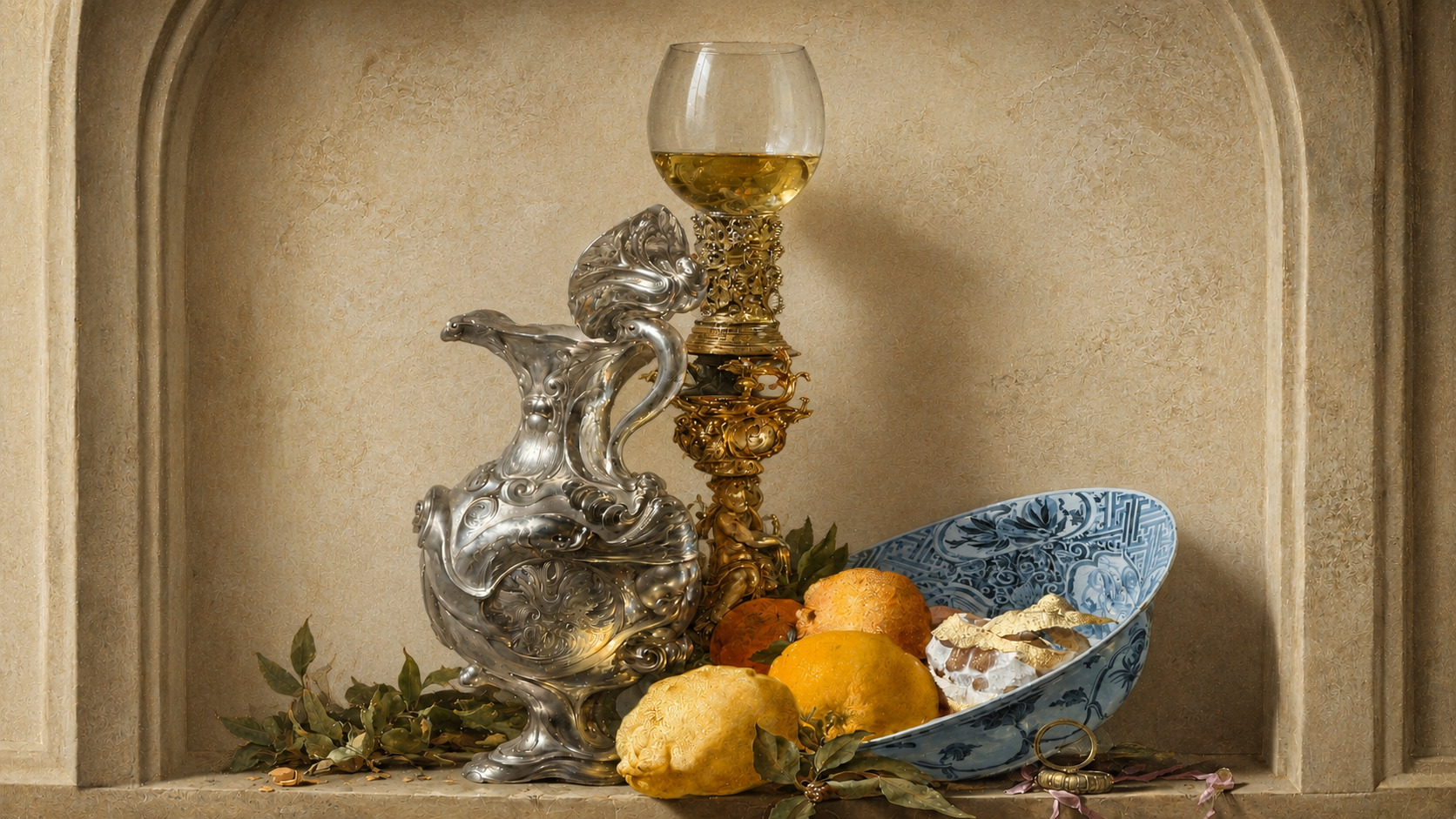
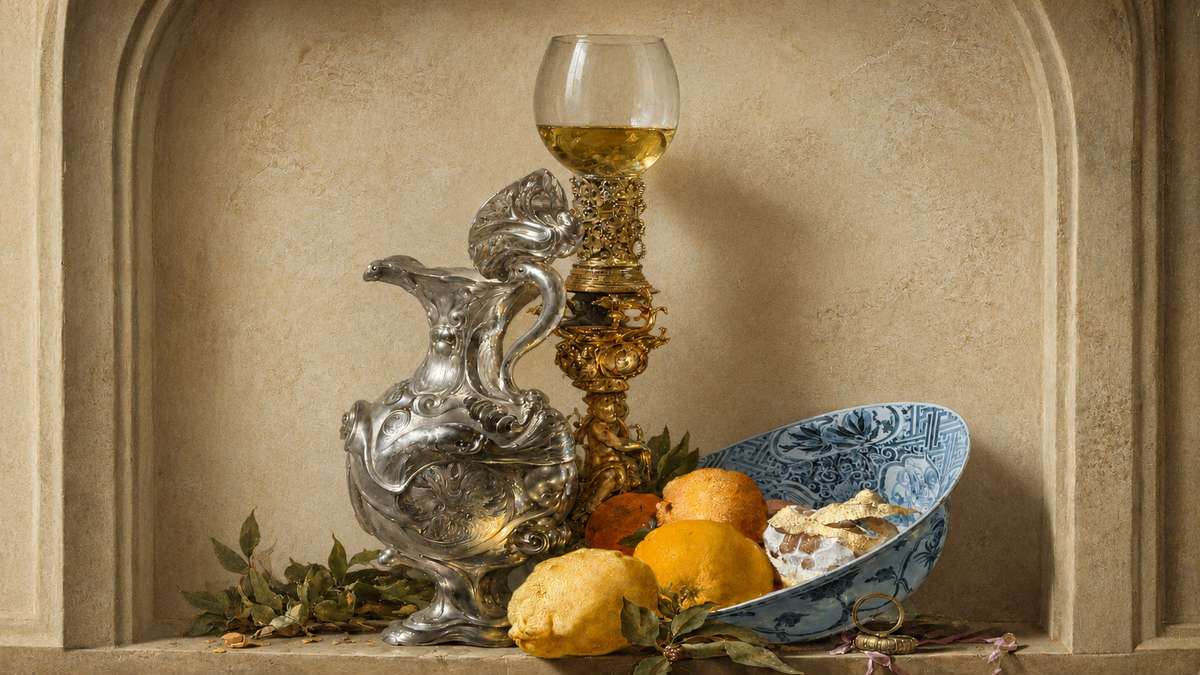
Artists throughout history have been fascinated by silver because of its remarkable ability to reflect light in constantly changing ways. Still-life paintings frequently include silver objects such as jugs, bowls, flasks, tureens, and cups placed alongside flowers and fruit, using these polished objects to symbolise both beauty and the temporary nature of life while reminding viewers of the uncertainty of human existence. A notable example is Willem Kalf's Still Life with a Silver Jug (1655–1660), where gleaming silver vessels are displayed among luxurious arrangements of food and flowers.
A modern interpretation appears in Cornelia Parker's Thirty Pieces of Silver (1988–1989), an installation consisting of more than one thousand flattened silver household objects, including teapots, candlesticks, trombones, and cutlery, suspended from the ceiling in thirty floating groups. By transforming valuable everyday objects into damaged works of art, Parker explored themes of beauty, destruction, value, and transformation, demonstrating that silver has remained an enduring artistic symbol across centuries.
Silver and the Problem of Tarnishing
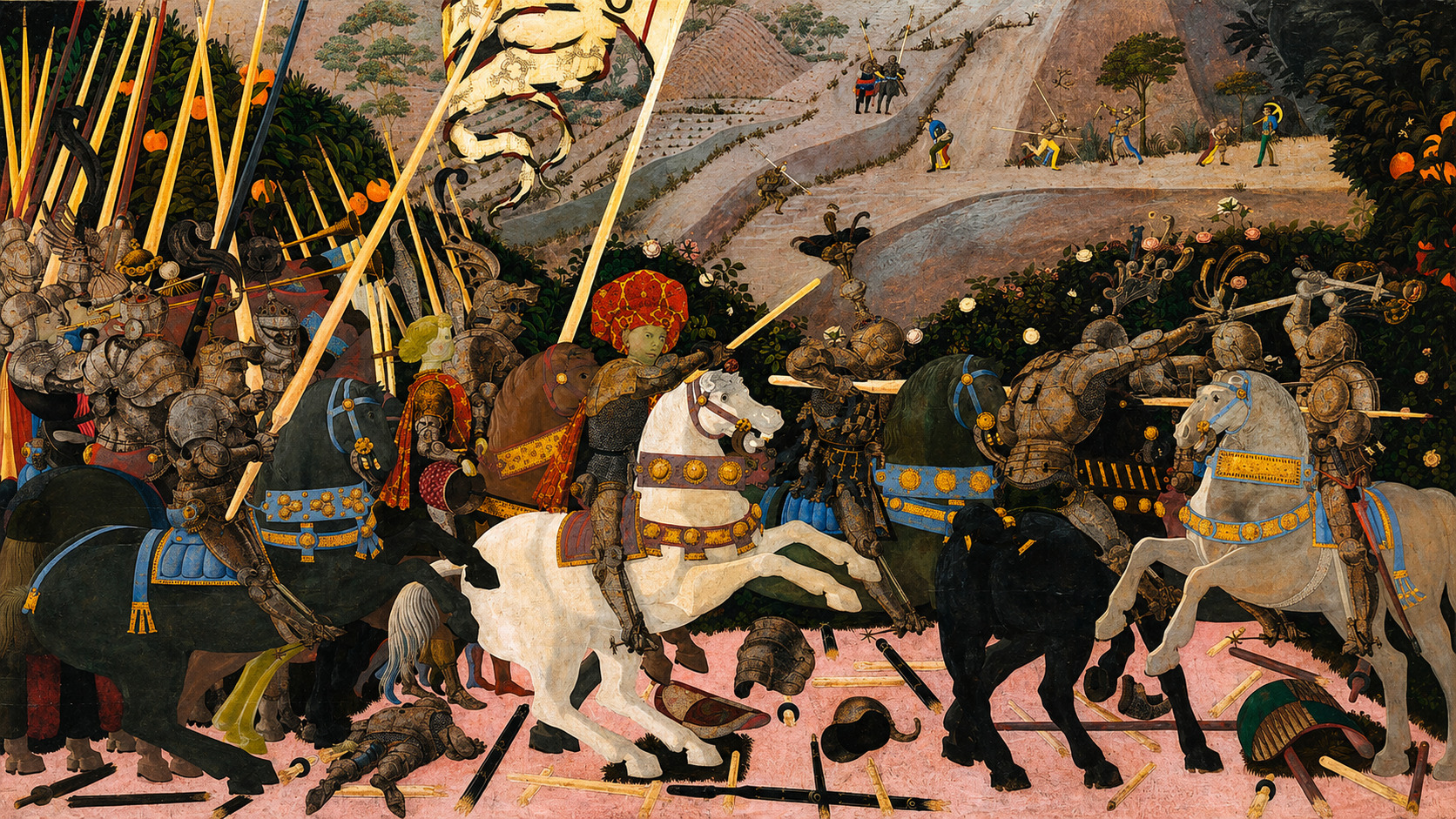
Unlike gold, silver does not retain its original brilliance indefinitely. Gold generally remains bright for centuries, whereas silver gradually reacts with substances in the air through oxidation and loses its shine, becoming dull over time. Because of this tendency to change, silver has often been viewed as unreliable or deceptive. This symbolism is illustrated in Paolo Uccello's The Battle of San Romano, depicting the battle fought in 1432 between Florence and Siena.
When the painting was first completed, the soldiers' silver armour gleamed brilliantly, with their helmets, gauntlets, cuisses, and cowters reflecting light to create an image of strength, modernity, and heroism. Over the centuries, however, the silver pigment oxidised and lost its brightness, leaving the armour dull and lifeless. Because silver abandoned its original brilliance, it came to resemble a betrayer that has deserted the warriors it once glorified, reinforcing its symbolic connection with both beauty and disappointment.
Also Read: Five Women Artists Whose Masterpieces Were Credited to Men
Rembrandt and the Thirty Pieces of Silver
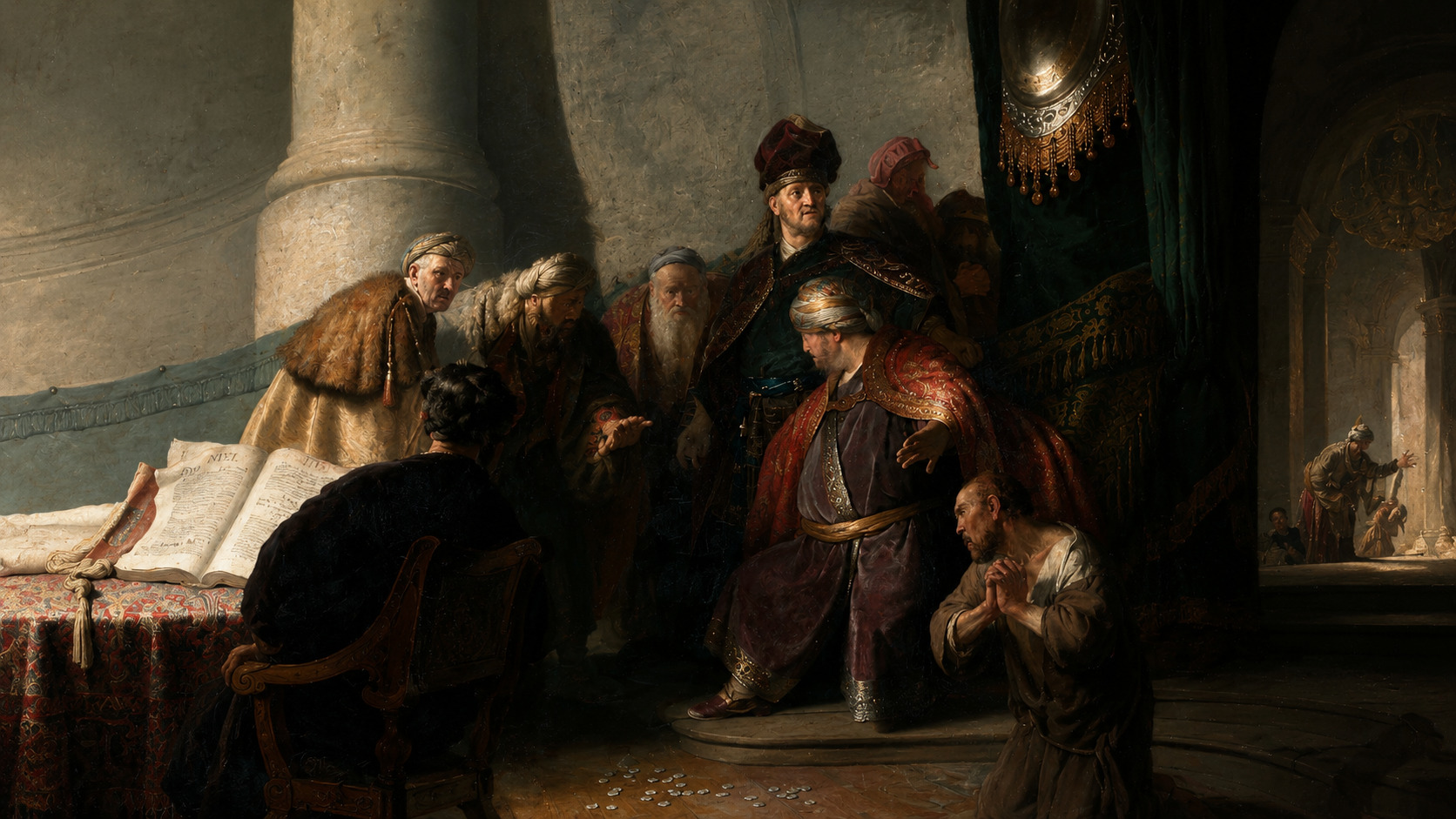
In 1628, while still in his early twenties, the young Dutch painter Rembrandt van Rijn believed that silver could establish his artistic reputation and make his name as valuable as gold. He completed Judas Repentant, Returning the Thirty Pieces of Silver in 1629, illustrating the biblical story in which Judas Iscariot betrayed Jesus Christ for thirty pieces of silver before later returning the money in deep remorse. In the painting, the scattered silver coins immediately attract the viewer's attention, while Judas's sorrowful expression communicates overwhelming guilt and repentance.
The coins symbolise not only wealth but also betrayal, greed, moral failure, and the devastating consequences of human weakness. Painted partly to impress wealthy patrons in Leiden, the work successfully attracted the admiration of Constantijn Huygens, the celebrated Dutch poet, composer, and statesman, who praised Rembrandt as a genius surpassing even the artists of antiquity. The painting also came to the attention of the Prince, becoming the first of many royal purchases that helped establish Rembrandt as one of history's greatest painters, and it is widely regarded today as his first true masterpiece.
Velázquez and the Positive Meaning of Silver
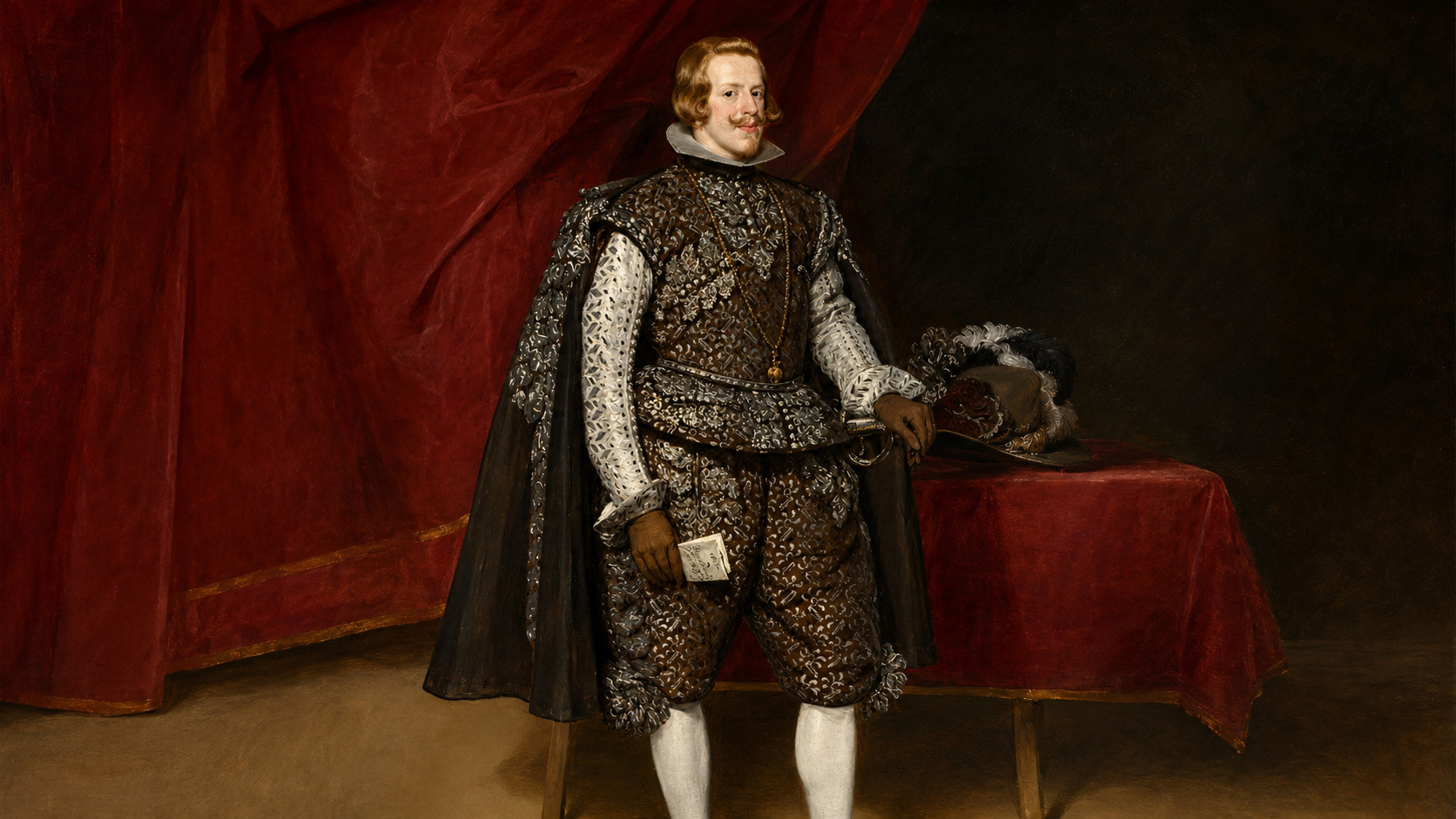
Whereas Rembrandt used silver to symbolise betrayal and greed, the Spanish master Diego Velázquez employed it to represent honesty, dignity, kindness, and inner virtue. In his seventeenth-century portrait of King Philip IV of Spain, often known as "Silver Philip," the king wears magnificent silver garments decorated with delicate metallic details that convey sincerity, wisdom, and moral strength rather than pride or excessive wealth.
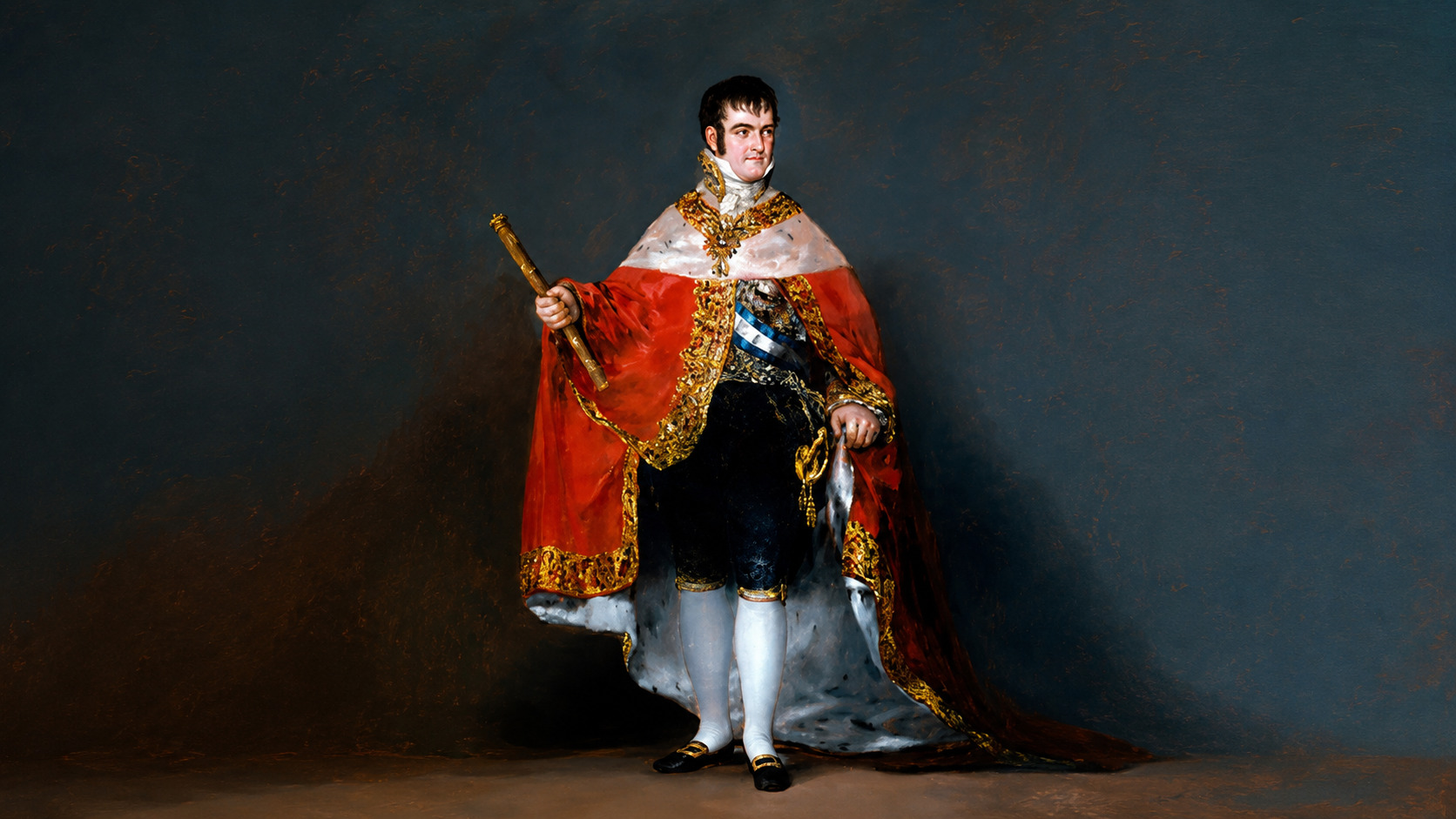
This portrait contrasts with Francisco Goya's later portrait of King Ferdinand VII, where brilliant gold dominates the composition and suggests vanity, arrogance, and self-importance. Through this comparison, silver emerges as a symbol of inner character, while gold represents outward luxury and material power. Velázquez also painted Infanta Margarita in a White and Silver Dress in 1656, the same year he completed Las Meninas.
In this portrait, the young princess's elegant white and silver dress, together with her gentle pose, allows silver to express warmth, affection, innocence, tenderness, and love, demonstrating that the colour can evoke emotional richness despite often being regarded as cold.
Silver in the Paintings of James McNeill Whistler
.jpg)
During the nineteenth century, the American-born artist James McNeill Whistler believed that painting should function like music, with colours, lines, and forms creating visual rhythms similar to musical compositions. This philosophy is clearly reflected in Nocturne: Blue and Silver – Chelsea (1871), the first of his celebrated "Nocturne" series.
In this painting, silver creates a peaceful, dreamlike atmosphere in which a solitary fisherman stands beside the River Thames near Battersea in London. The air, water, and shoreline blend seamlessly into a soft silver landscape, while the fisherman almost disappears into the surrounding mist, creating a timeless and mysterious mood. Rather than simply depicting a reflective metallic surface, Whistler used silver to communicate quiet contemplation, emotional depth, poetic beauty, and spiritual reflection.
Also Read: 7 Weirdest Buildings on Earth That Actually Exist
Andy Warhol and Silver in Modern Art
Silver remained an important artistic symbol during the twentieth century, particularly in the work of the American Pop artist Andy Warhol, who admired the colour so much that he painted both his famous studio and even his hair silver. Warhol believed that the 1960s represented "the perfect time for silver" because the colour simultaneously symbolised the future and the past. It represented the future through the gleaming silver spacesuits worn by astronauts during the Space Age and represented the past through the famous "silver screen" on which Hollywood films were projected.
.jpg)
Warhol incorporated silver into several major artworks, including Eight Elvises (1963), where repeated images of Elvis Presley appear against a shimmering silver background, and Silver Car Crash (Double Disaster) (1963), where silver becomes a powerful symbol of death, tragedy, modern technology, and the repetitive nature of contemporary society. For Warhol, silver ultimately became the colour that best expressed modern existence by reflecting fame, beauty, technology, repetition, mystery, and the complexities of human life.
Silver: A Timeless Symbol
Silver is far more than a precious metal or an attractive colour. Throughout history, it has simultaneously symbolised birth and old age, the past and the future, honesty and betrayal, beauty and decay, wealth and spirituality. Its remarkable ability to shine brilliantly while gradually becoming tarnished has made it one of the richest and most enduring symbols in art and culture.
Artists such as Paolo Uccello, Rembrandt van Rijn, Diego Velázquez, James McNeill Whistler, Cornelia Parker, and Andy Warhol have each used silver in unique ways to communicate powerful artistic, emotional, and spiritual ideas. Whether appearing in religion, poetry, history, or visual art, silver continues to remind humanity that beauty, memory, identity, and life itself are constantly changing with the passage of time.